

Sports Injuries

Sports Injury Assessment, Rehabilitation & Return to Sport in East London

Start Your Recovery

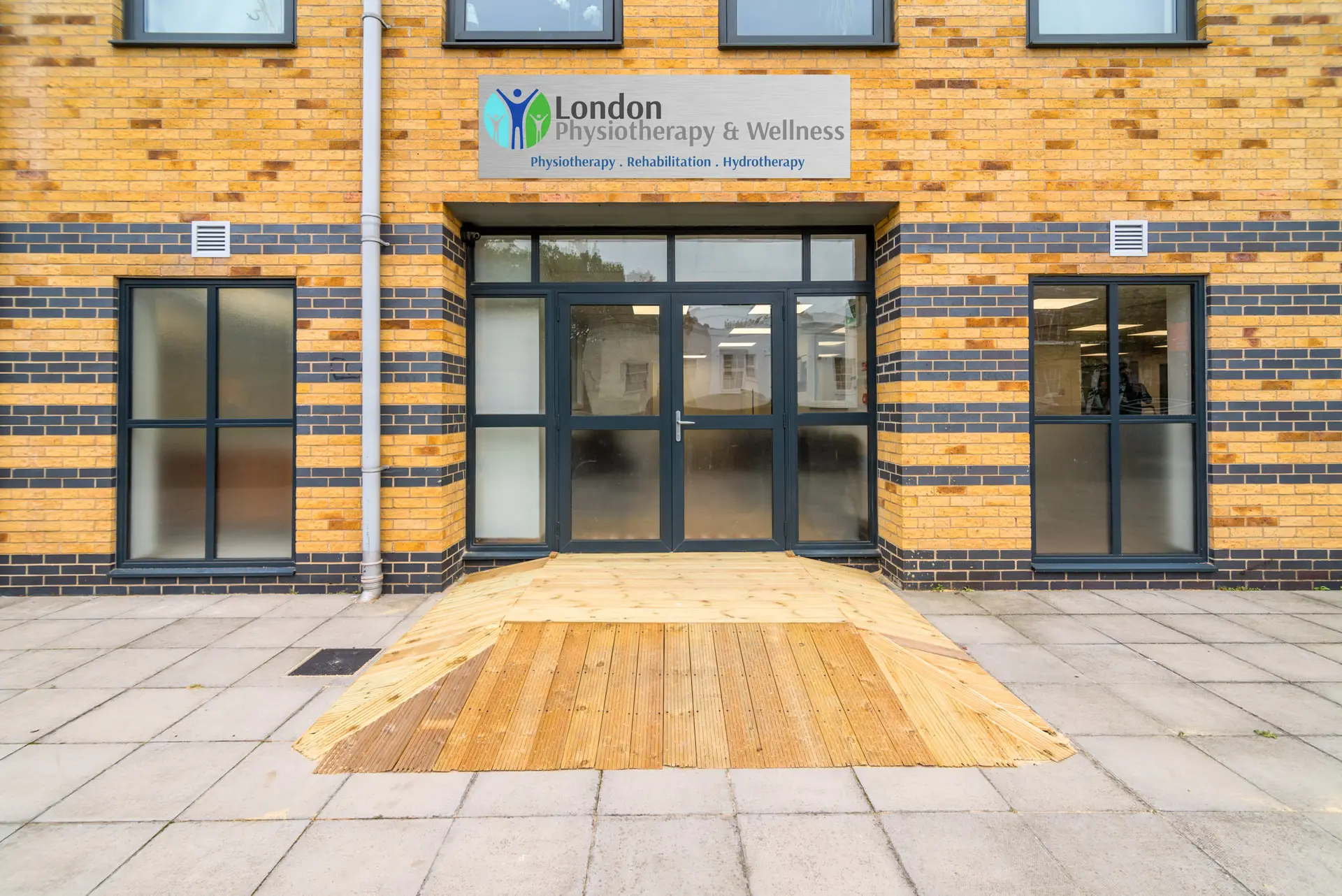
Whether you’ve twisted your ankle, pulled a hamstring, or built up an overuse injury over months of training — at LPAW we assess accurately, treat correctly, and get you back to full activity without setting you up for a repeat. Available at our Bow and Stratford East Village clinics.

Physiotherapy Hydrotherapy Shockwave Sports Therapy Women's Health Dry Needling Osteopathy Pilates by Physios Babies & Children Men's Health Massage Running Assessments PTNS Post-Op Biofeedback Soft Tissue Therapy Manual Therapy Pre-Op Trigger Point Release Med-X Strengthening Physiotherapy Hydrotherapy Shockwave Sports Therapy Women's Health Dry Needling Osteopathy Pilates by Physios Babies & Children Men's Health Massage Running Assessments PTNS Post-Op Biofeedback Soft Tissue Therapy Manual Therapy Pre-Op Trigger Point Release Med-X Strengthening
Types of Sports Injuries

Acute injuries occur suddenly as the result of a specific incident such as a fall, collision, awkward landing, or sudden change of direction. They include:

Ligament sprains — stretching or tearing of a ligament at a joint. Graded I (stretch), II (partial tear), and III (complete tear). Common sites include ACL and other knee ligaments, the ankle lateral ligament complex, and the shoulder AC joint.

Muscle strains — stretching or tearing within a muscle or musculotendinous junction. Graded similarly to ligament injuries. Common in the hamstrings, calf, and quadriceps.

Adductor/groin strains — very common in football, hockey, and rugby.

Joint dislocations — shoulder dislocation is the most frequent in sport.

Contusions (bruising) — direct impact to muscle causing local bleeding and swelling. Can develop into myositis ossificans if not managed appropriately.
Fractures — result from direct impact or indirect loading. Some stress fractures develop gradually over weeks of repetitive overload rather than a single incident.
Overuse / Chronic Injuries

Overuse injuries develop gradually over weeks or months due to accumulated training load. They include:

Tendinopathies — Achilles, patellar (jumper’s knee), hamstring, gluteal, and rotator cuff tendinopathies. These occur when load exceeds the tendon’s capacity to adapt.

Shin splints (medial tibial stress syndrome)

Stress fractures — microscopic bone injury from repetitive loading. Common sites include the tibia, metatarsals, and femoral neck in runners.
Runner’s knee (patellofemoral pain syndrome)

Tennis elbow and golfer’s elbow

Rotator cuff tendinopathy

IT band syndrome

The common factor in overuse injuries is a mismatch between training load and tissue capacity. Management focuses on restoring capacity and controlling load to allow adaptation.

Regardless of the specific injury, sound sports injury management follows consistent principles:

1. Accurate Diagnosis First

Treatment without diagnosis is guesswork. An LPAW sports assessment identifies the specific structure involved, severity, contributing biomechanical factors, and sport-specific demands. Where imaging is needed to confirm diagnosis (suspected fracture, ligament rupture, meniscal tear), we facilitate rapid referral.

2. PEACE & LOVE — Replacing RICE

The old RICE protocol (Rest, Ice, Compression, Elevation) has been largely superseded. The current evidence-based framework is PEACE & LOVE:

Protection — unload the injured tissue for 1–3 days

Elevation — raise the injured limb above heart level

Avoid anti-inflammatories — inflammation is a natural and necessary part of healing; NSAIDs and ice may impair it

Compression — reduce swelling

Education — understand the injury and avoid passive treatment dependency

Load — gradual return to activity stimulates tissue repair

Optimism — positive expectations improve outcomes

Vascularisation — early aerobic exercise that does not stress the injury improves blood flow and recovery

Exercise — targeted exercises to restore strength and proprioception

3. Structured Rehabilitation

Rehabilitation at LPAW is phased, criteria-based, and sport-specific. Progression from one phase to the next is based on achieving objective milestones, not just time elapsed.

Phase 1, Protection and pain management

Phase 2, Tissue repair and basic mobility

Phase 3, Strength and neuromuscular control

Phase 4, Functional and sport-specific loading

Phase 5, Return to training and competition

Acute injuries occur suddenly as the result of a specific incident such as a fall, collision, awkward landing, or sudden change of direction. They include:

Ligament sprains — stretching or tearing of a ligament at a joint. Graded I (stretch), II (partial tear), and III (complete tear). Common sites include ACL and other knee ligaments, the ankle lateral ligament complex, and the shoulder AC joint.

Muscle strains — stretching or tearing within a muscle or musculotendinous junction. Graded similarly to ligament injuries. Common in the hamstrings, calf, and quadriceps.

Adductor/groin strains — very common in football, hockey, and rugby.

Joint dislocations — shoulder dislocation is the most frequent in sport.

Contusions (bruising) — direct impact to muscle causing local bleeding and swelling. Can develop into myositis ossificans if not managed appropriately.

Fractures — result from direct impact or indirect loading. Some stress fractures develop gradually over weeks of repetitive overload rather than a single incident.

Overuse / Chronic Injuries

Overuse injuries develop gradually over weeks or months due to accumulated training load. They include:

Tendinopathies — Achilles, patellar (jumper’s knee), hamstring, gluteal, and rotator cuff tendinopathies. These occur when load exceeds the tendon’s capacity to adapt.

Shin splints (medial tibial stress syndrome)

Stress fractures — microscopic bone injury from repetitive loading. Common sites include the tibia, metatarsals, and femoral neck in runners.

Runner’s knee (patellofemoral pain syndrome)

Tennis elbow and golfer’s elbow

Rotator cuff tendinopathy

IT band syndrome

The common factor in overuse injuries is a mismatch between training load and tissue capacity. Management focuses on restoring capacity and controlling load to allow adaptation.


Regardless of the specific injury, sound sports injury management follows consistent principles:

1. Accurate Diagnosis First

Treatment without diagnosis is guesswork. An LPAW sports assessment identifies the specific structure involved, severity, contributing biomechanical factors, and sport-specific demands. Where imaging is needed to confirm diagnosis (suspected fracture, ligament rupture, meniscal tear), we facilitate rapid referral.

2. PEACE & LOVE — Replacing RICE

The old RICE protocol (Rest, Ice, Compression, Elevation) has been largely superseded. The current evidence-based framework is PEACE & LOVE:

Protection — unload the injured tissue for 1–3 days

Elevation — raise the injured limb above heart level

Avoid anti-inflammatories — inflammation is a natural and necessary part of healing; NSAIDs and ice may impair it

Compression — reduce swelling

Education — understand the injury and avoid passive treatment dependency

Load — gradual return to activity stimulates tissue repair

Optimism — positive expectations improve outcomes

Vascularisation — early aerobic exercise that does not stress the injury improves blood flow and recovery

Exercise — targeted exercises to restore strength and proprioception

3. Structured Rehabilitation

Rehabilitation at LPAW is phased, criteria-based, and sport-specific. Progression from one phase to the next is based on achieving objective milestones, not just time elapsed.

Phase 1, Protection and pain management

Phase 2, Tissue repair and basic mobility

Phase 3, Strength and neuromuscular control

Phase 4, Functional and sport-specific loading

Phase 5, Return to training and competition

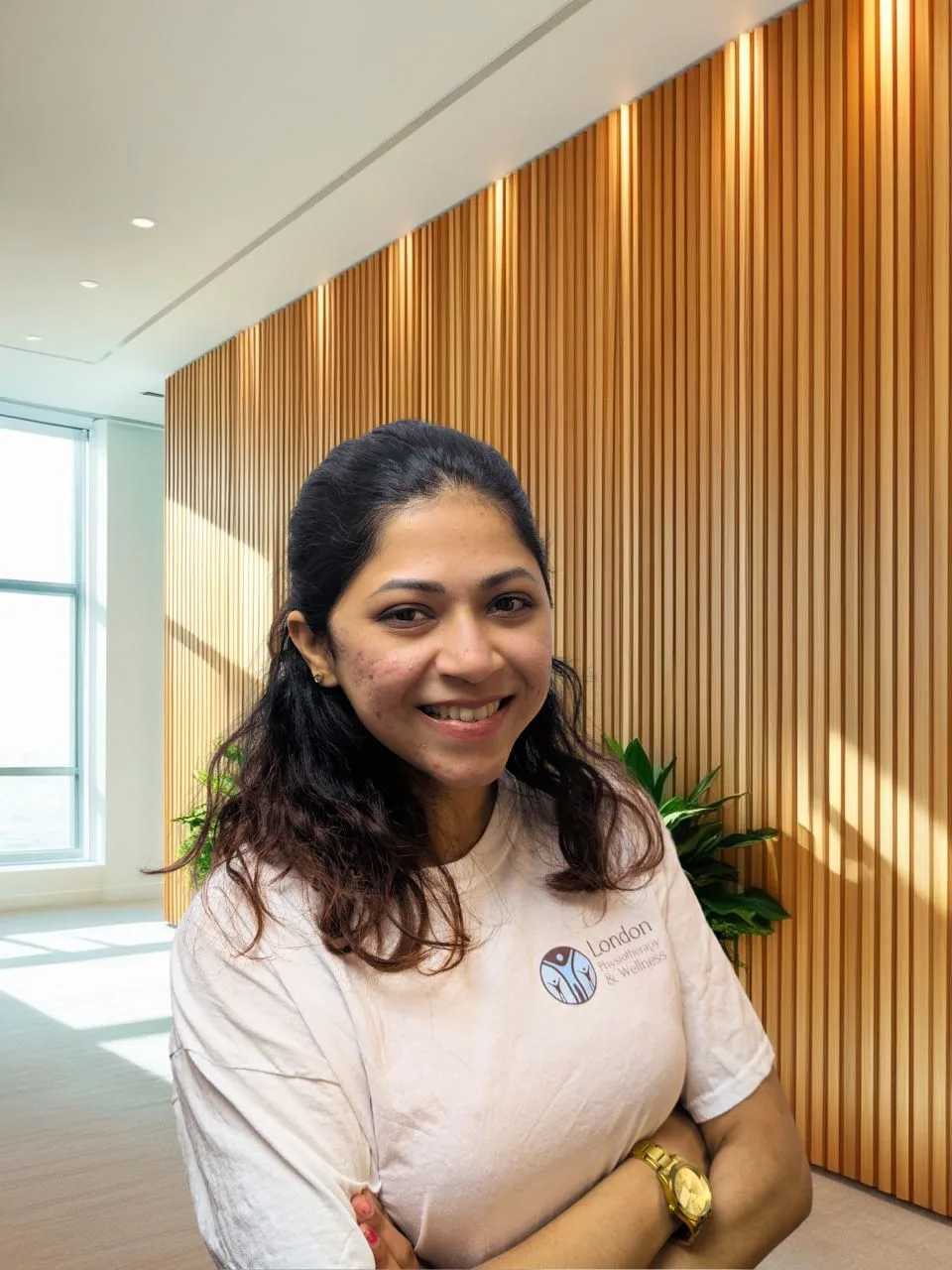
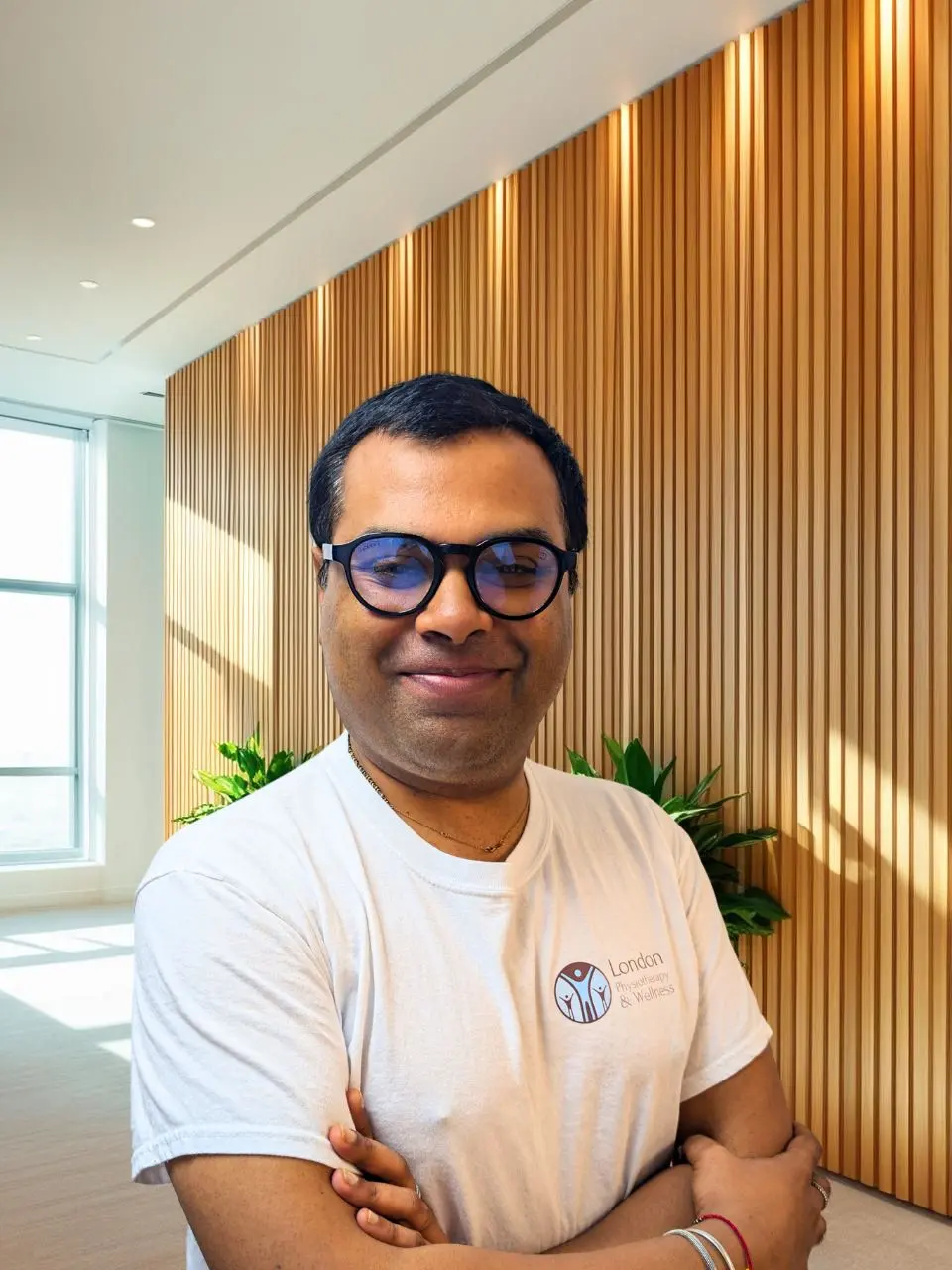
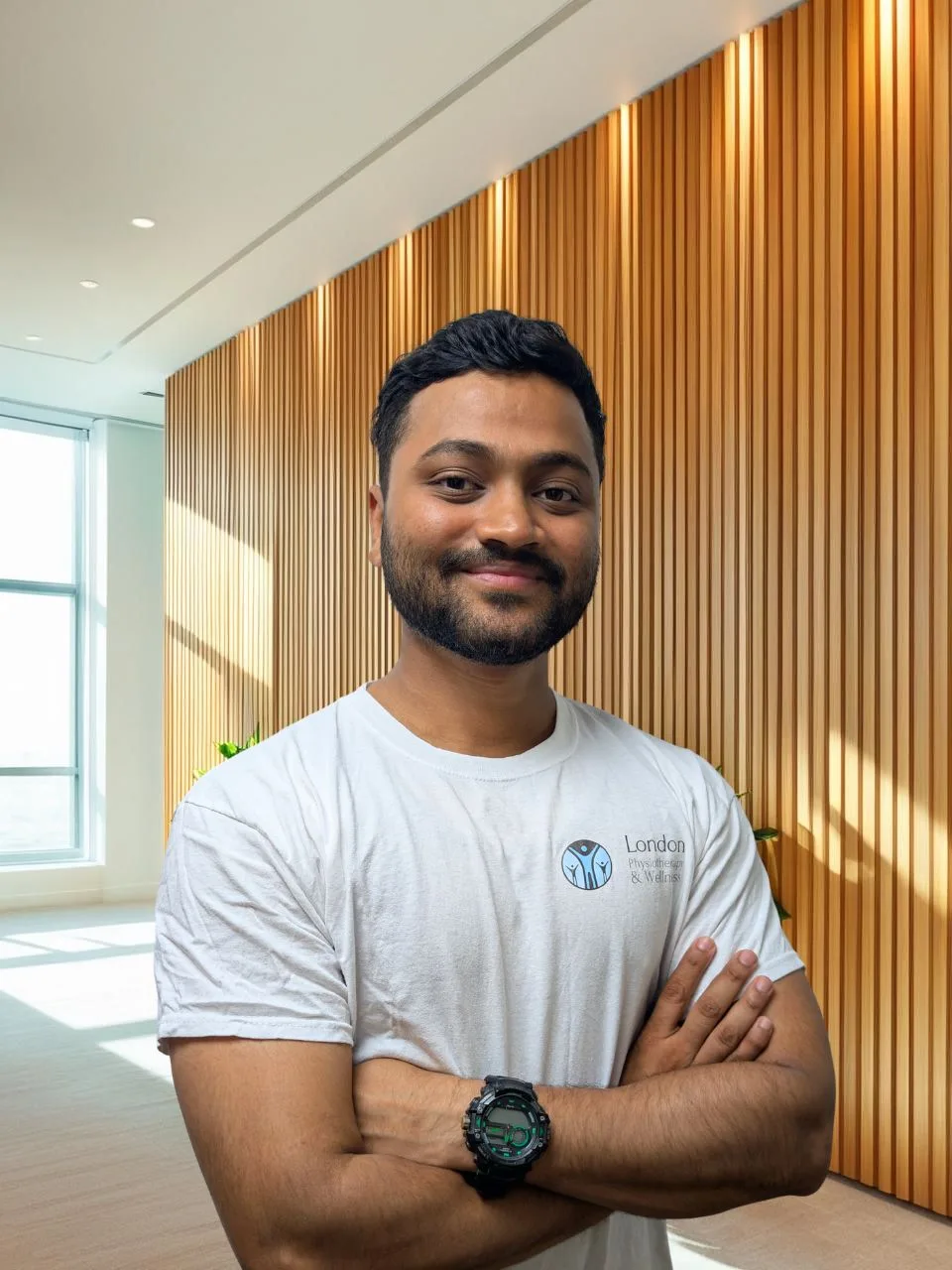
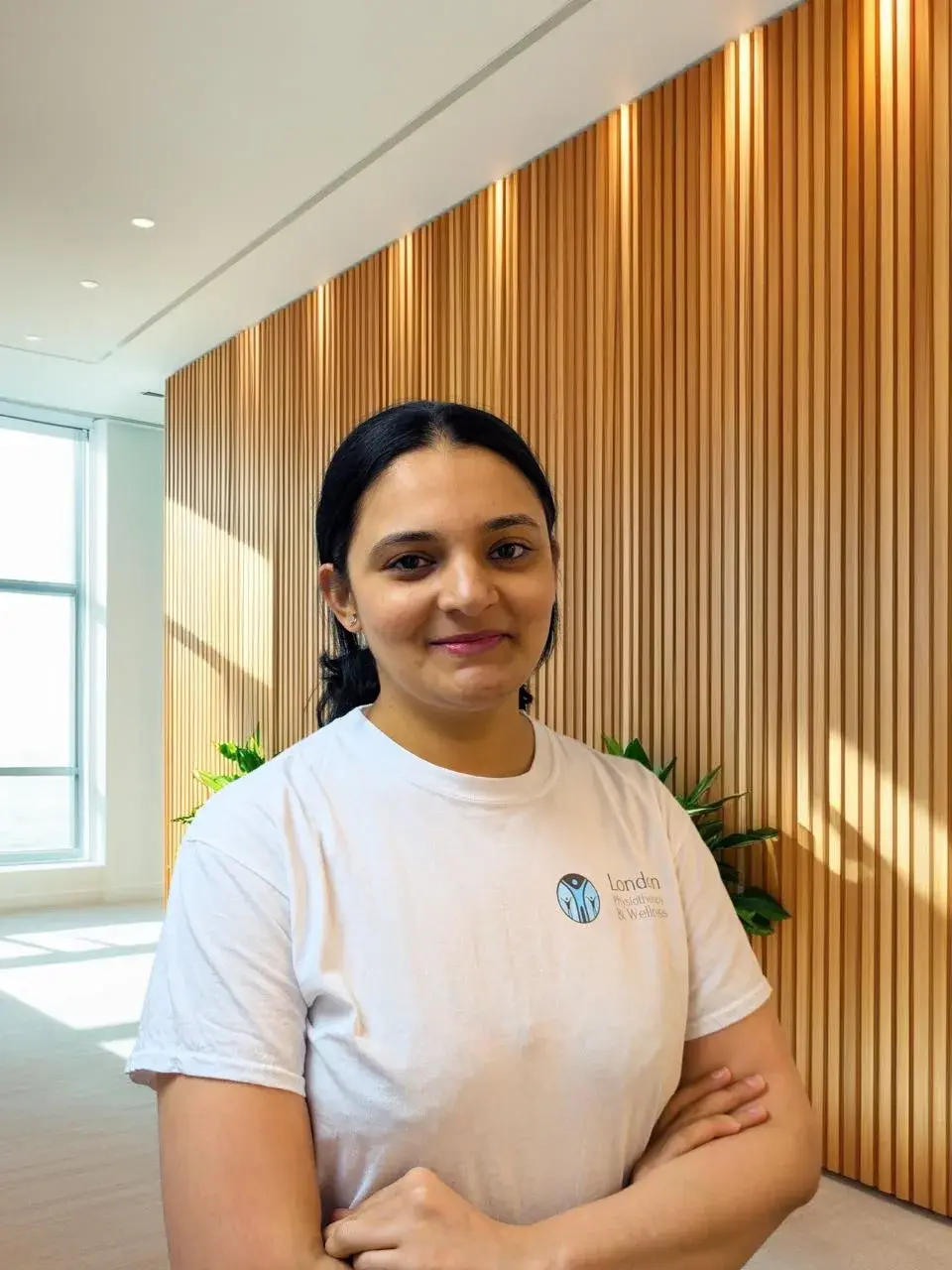
Meet our team of experts

LPAW’s clinical team includes 19 practitioners, many holding postgraduate qualifications from UCL, King’s College London, and Guy’s and St Thomas’. Lead clinician Mr Arjun Viswanath MSc, MCSP, MPPA – Co-Founder and Consultant Physiotherapist – brings 25+ years of NHS and private experience including BMI London Independent Hospital and Harley Street.

Every clinician joining LPAW completes a mandatory intensive shadowing placement with our Consultant Physiotherapist before seeing patients independently. This is not a standard practice at most clinics – it’s our way of maintaining clinical consistency across the team.

How LPAW Treats Sports Injuries

Physiotherapy
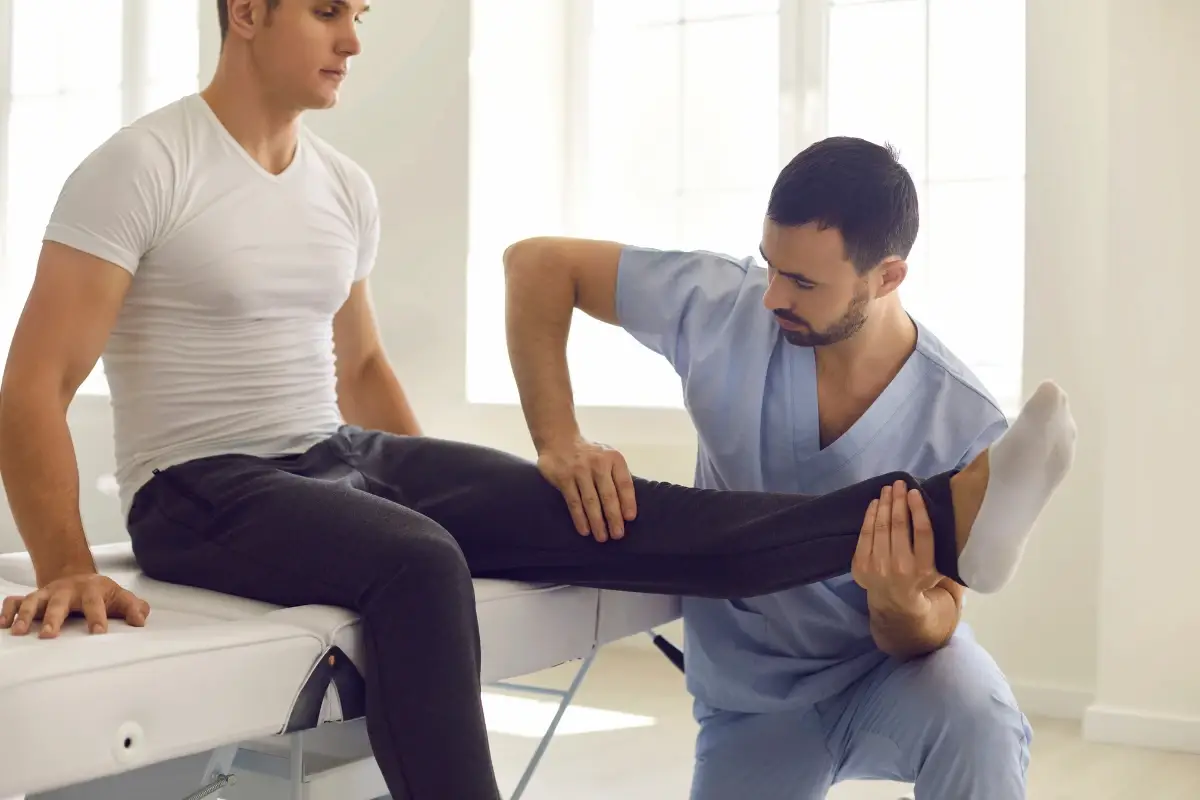
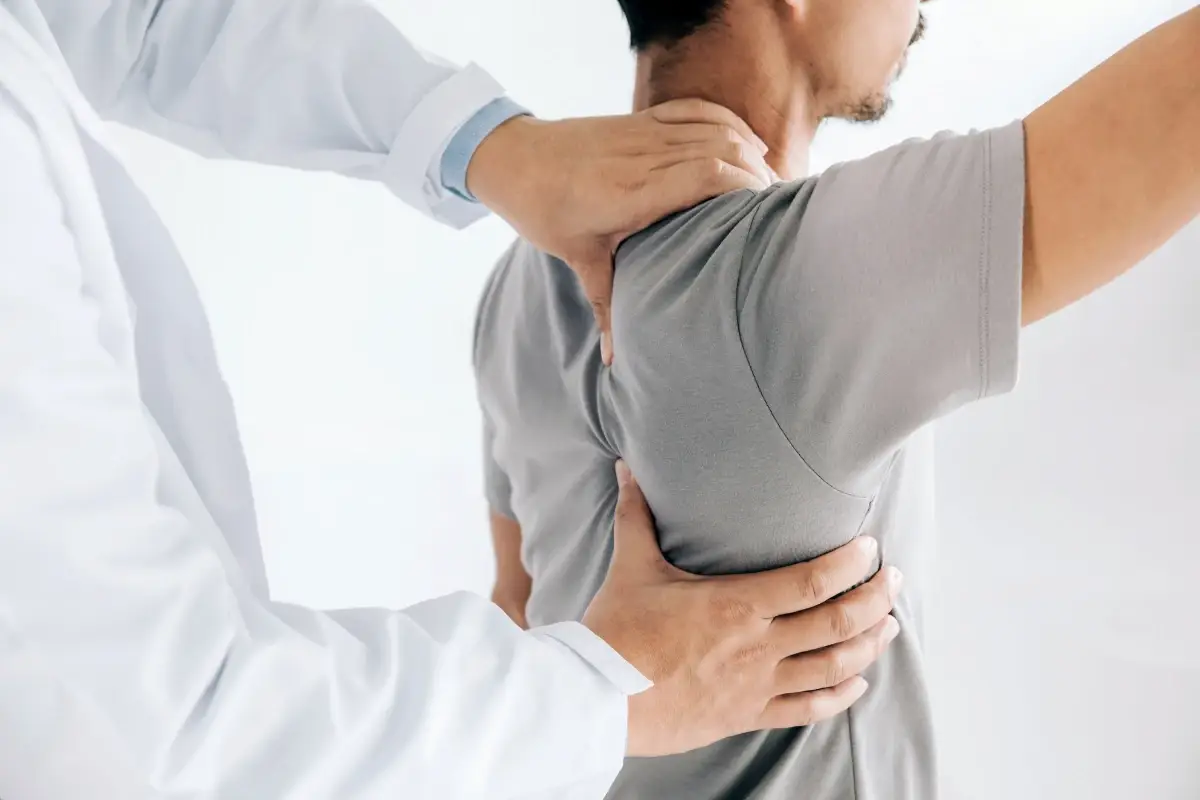
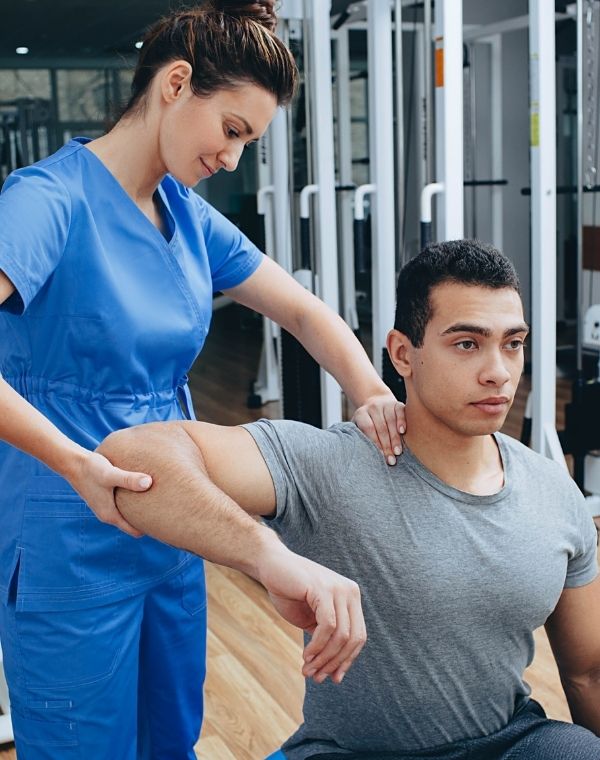
  • Manual therapy — joint mobilisation and soft tissue techniques to reduce pain and restore movement
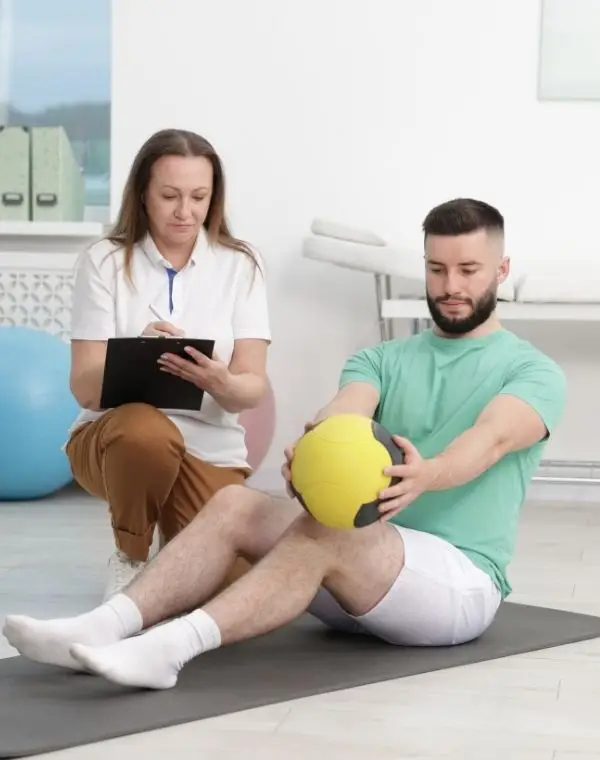
  • Exercise prescription — targeted to address identified muscle imbalances (typically weak deep stabilisers, gluteals, and hip extensors; tight hip flexors and hamstrings)
  • Education — understanding the nature of back pain, its natural history, and activity modification
  • Postural and ergonomic guidance

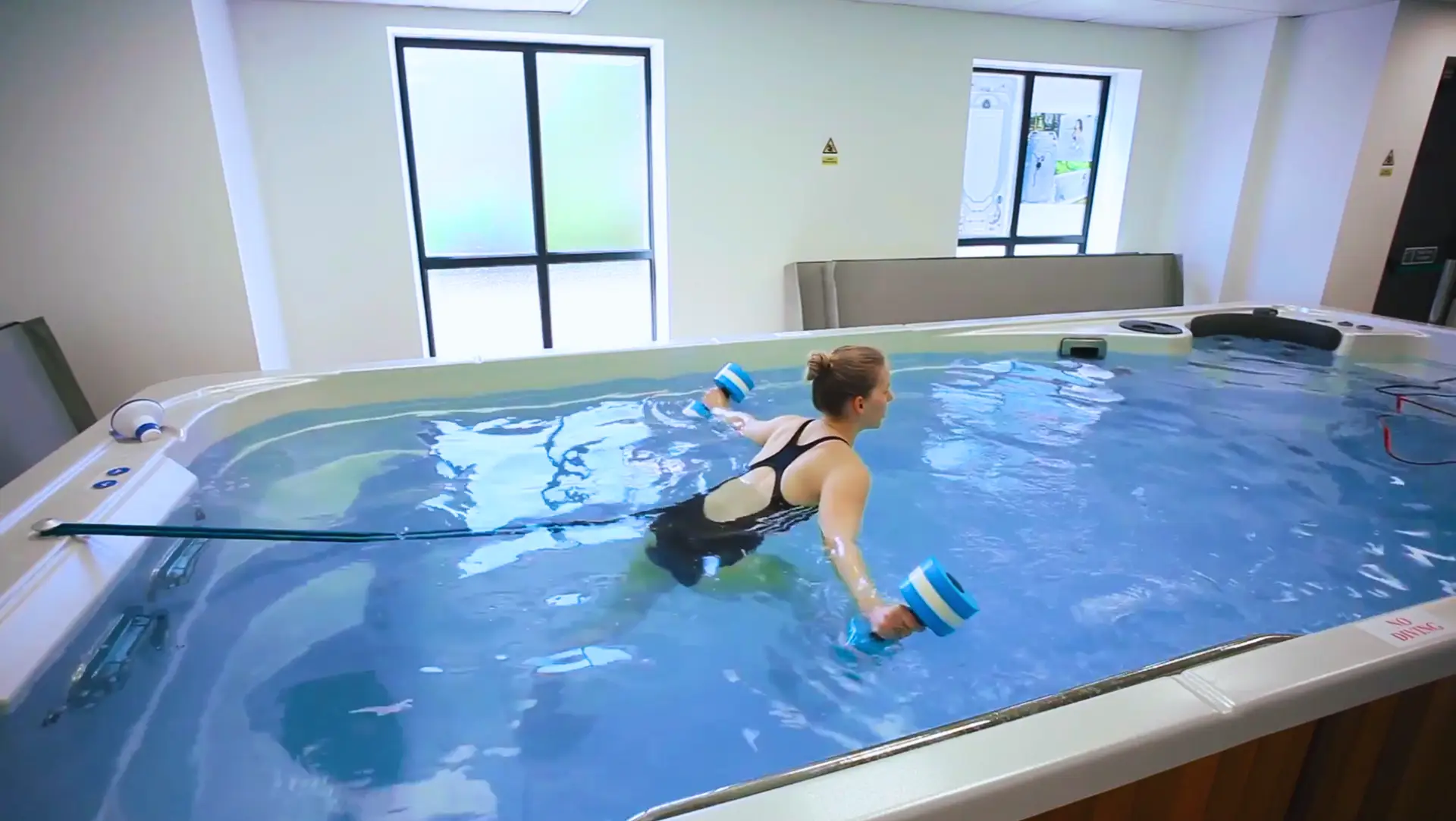
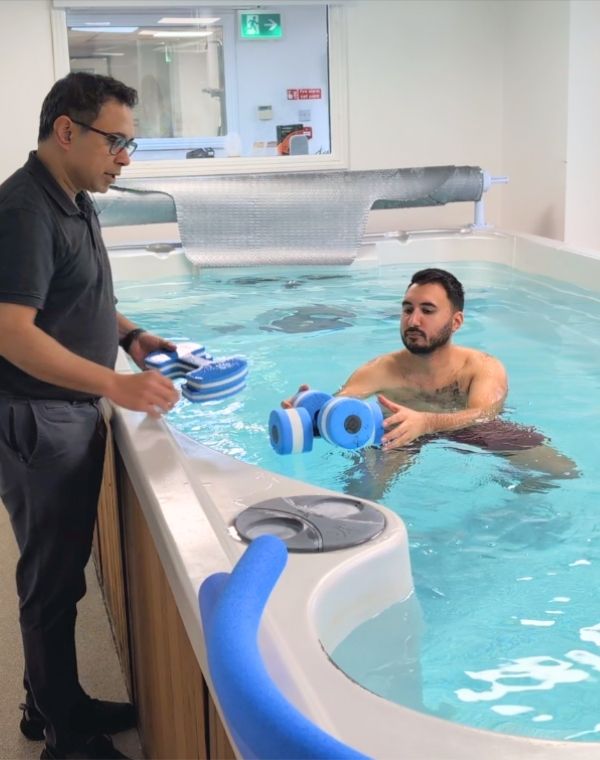
Hydrotherapy pool (36°C) for early aquatic rehabilitation and maintaining fitness when land-based training is restricted. Shockwave therapy for chronic tendinopathies not responding to loading rehabilitation. Running assessments and gait analysis for running-related injuries. Dry needling for trigger point-driven muscle pain.

LPAW uses validated objective criteria for return to sport clearance including limb symmetry indices, strength and hop tests, single-leg balance and proprioception tests, sport-specific movement quality assessments, and patient-reported confidence. “It feels okay” is not sufficient criteria to return to contact sport or high-speed running.

How LPAW Treats Sports Injuries

Sports injury rehabilitation at LPAW is phased and criteria-based.

  • Manual therapy — joint mobilisation and soft tissue techniques to reduce pain and restore movement
  • Exercise prescription — targeted to address identified muscle imbalances (typically weak deep stabilisers, gluteals, and hip extensors; tight hip flexors and hamstrings)
  • Education — understanding the nature of back pain, its natural history, and activity modification
  • Postural and ergonomic guidance

Hydrotherapy pool (36°C) for early aquatic rehabilitation and maintaining fitness when land-based training is restricted. Shockwave therapy for chronic tendinopathies not responding to loading rehabilitation. Running assessments and gait analysis for running-related injuries. Dry needling for trigger point-driven muscle pain.

LPAW uses validated objective criteria for return to sport clearance including limb symmetry indices, strength and hop tests, single-leg balance and proprioception tests, sport-specific movement quality assessments, and patient-reported confidence. “It feels okay” is not sufficient criteria to return to contact sport or high-speed running.

What Our Patients Say

From the moment I walked into this clinic, I knew everything was going to be okay. After seeing many physios, Priyanka, the pelvic specialist, was the first one to properly diagnose my back injury and choose exercises that were actually right for my condition.

I HIGHLY recommend hydrotherapy. This clinic has truly been life-changing for me. When you live with constant pain, finding real relief is priceless.

Thank you for the care, professionalism, and for giving me hope again ❤️
Molly W. profile picture
Molly W.
1 month ago
We had 6 of their amazing physiotherapist support London’s Air Ambulance Charity’s post-race reception for the 2026 London Marathon. Their communication before and during the event was excellent and all our runners have commented on how much their post-race massage has helped them with their recovery. We hope to work with them again in the future
Percy C. profile picture
Percy C.
2 months ago
Extremely impressed by the service offered. I injured my knee a while ago and they have been amazing in helping me with me recovery. Uzair Ahmed is very knowledgable and I really trust him with my recovery journey. Would highly recommend!
Ziya H. profile picture
Ziya H.
2 months ago
Been coming here for over a year every six weeks. Very professional and friendly at the same time. Can highly recommend. Big shout out to Mohammed and great reception service.
Kevin P. profile picture
Kevin P.
2 months ago
Fantastic treatment available! Enquired at short notice and they had a superfast response, and the treatment was excellent. Thank you!!
James L. profile picture
James L.
2 months ago
The team were highly professional, pleasant and helpful throughout my process of physiotherapy. I highly recommend this therapy clinic!
Em H. profile picture
Em H.
2 months ago
Had a couple of excellent sessions with Priyanka Shah, with really useful exercises and advice. Highly recommend!
Nicola W. profile picture
Nicola W.
3 months ago
Helpful and knowledgeable. Thank you!
Richard T. profile picture
Richard T.
3 months ago
I suffer with lower back disc bulges pinching my muscles and severely limiting my mobility, stability, and indeed causing agonising pain at the worst of times. I received a kind, patient and conscientious home visit at first before being invited to hydrotherapy at the clinic. 2 sessions in and I'm loving it so much, I'm determined to get one of these pools for myself later on in life. Couldn't recommend them highly enough.
Chris C. profile picture
Chris C.
3 months ago
Miracle workers!! Great gym rehab facilities patience to really understand the problem. Would highly recommend for anyone with chronic neck or back pain who are prepared to do some work on themselves.
Arif H. profile picture
Arif H.
3 months ago
Have been attending sessions for Physiotherapy here twice a week for many weeks now. Everyone is very patient and understanding. My treatment is going exceptionally well so far and Im already seeing massive progress from before my first ever session.

Would definitely recommend this clinic for anyone who needs rehabilitation or treatment!
D.Iyalla 1 profile picture
D.Iyalla 1
4 months ago
I’ve been attending London Physiotherapy And Wellness Stratford for 3 weeks now and already there are improvements in the areas I had problems with.
The physiotherapist is very knowledgeable and passionate about how he can help to improve & build your strength.
To help you recover is his main focus.
Not only is the physiotherapists customer service is great the admin team is also.
I personally recommend.
Ollie S. profile picture
Ollie S.
4 months ago
I had to visit the clinic for a hip injury I received from running. I started physio with Anup back in November and started with hydrotherapy, moving into physio in the new year. I've had a great experience with Anup and now I'm well on the road to recovery, I've started running again and I know what strength workouts I should be doing to keep up my recovery. So glad I found Anup and the clinic and would recommend them to anyone who has an injury!
无颜Music profile picture
无颜Music
4 months ago
The location is really convenient for me. The physiotherapist was very knowledgeable. He helped me identified the root cause of my heel pain and provided me with a clear pathway to my recovery.
Will recommend them ????????
Ervis L. profile picture
Ervis L.
6 months ago
I was assisted by Priyanka while recovering from a torn quad, and I couldn’t have asked for a better physiotherapist. She was incredibly supportive during a moment of real vulnerability, and I always felt truly taken care of. Her focus during every session was exceptional she even kept counting my reps to make sure I stayed on track!

Priyanka is a wonderful asset to the team, and I feel very lucky to have had her during my recovery. Highly recommended.
andrea B. profile picture
andrea B.
8 months ago
Best Physio ever. I visited the clinic after I damaged the ACL ligament practicing judo. I was unable to walk, using crutches and couldn't bend the leg. I was initially told by the doctor to wait at least 6/7 months to be fully recovered and the physiotherapy was the only way to get better. Thanks to the skilled clinic and very professional physiotherapist, they managed to get me back on trainings after 3/4 months only having now a stronger knee than before. I was assisted my Mohammed N R and his job was beyond the expectations. They have specific equipment to practice a high variety of exercises and furthermore they are super friendly and easy reachable by email or phone for last minute doubts. I cannot thank more for the assistance received for a faster recovery they granted me. I fully recommend them.

Ready to bounce back better?

Frequently Asked Questions

For significant acute injuries with suspected fracture (inability to weight bear, deformity, severe swelling), go to A&E for X-ray first. For most sports injuries without fracture features, a physiotherapy assessment is the appropriate first step. Our physiotherapists will screen for features that require further investigation and facilitate rapid referral if needed.
As soon as possible. The window for optimal early management — reducing swelling, maintaining range of motion, beginning gentle loading — is the first 48–72 hours. For significant injuries, physiotherapy within the first week produces better outcomes than waiting several weeks.
Not always. Many sports injuries are diagnosed clinically. MRI is indicated for suspected significant ligament ruptures (ACL), meniscal tears, or stress fractures where clinical presentation warrants imaging. Your physiotherapist will advise specifically.
Prevention strategies include: progressive training load increases (no more than 10% per week), pre-season strength and movement screening, adequate recovery between sessions, sport-specific strengthening (particularly hip, glute, and hamstring), good warm-up protocols, and addressing biomechanical risk factors. LPAW offers pre-season screening for individuals and teams — see [Sports Therapy].
Usually yes — with modification. Complete rest is rarely the right answer. Your physiotherapist will advise on what you can and cannot do during rehabilitation, and will work to maintain your fitness and training in areas unaffected by the injury.

Recovery

Recovery Timeline

Your initial sports injury assessment (45–60 minutes) begins with a focused sports history, including how the injury occurred, your sport and training load, your goals and timeline, and any relevant previous injuries. Physical examination includes functional movement assessment, strength testing, and specific provocation tests.

You will leave with:

A clear diagnosis or differential diagnosis (with imaging arranged where necessary)

A realistic prognosis and recovery timeline

A phased rehabilitation plan with objective milestones

Immediate treatment where appropriate

Please bring or wear appropriate sports kit for the body part being assessed.

Stay active within your limits — complete rest makes most sports injuries worse, not better. Maintain fitness in areas unaffected by the injury (upper body if lower limb, swimming, cycling).

Follow PEACE & LOVE not RICE — avoid ice and anti-inflammatories in the first 72 hours. Inflammation is part of healing. Elevate and compress instead.

Load the injury progressively — gentle movement and early loading stimulates tissue repair. Immobilisation weakens tissue. Your physiotherapist will tell you exactly how much load is appropriate at each stage.

Don’t return to sport on feel alone — “it feels okay” is not enough. Pain-free does not mean healed. Follow the objective criteria your physiotherapist sets before returning to full training or competition.

Address what caused it — most overuse injuries and many acute injuries have contributing factors. Ignoring them means the injury comes back. Do the strength and movement work your physiotherapist prescribes even after pain has gone.


Recovery

Your initial sports injury assessment (45–60 minutes) begins with a focused sports history, including how the injury occurred, your sport and training load, your goals and timeline, and any relevant previous injuries. Physical examination includes functional movement assessment, strength testing, and specific provocation tests.

You will leave with:

A clear diagnosis or differential diagnosis (with imaging arranged where necessary)

A realistic prognosis and recovery timeline

A phased rehabilitation plan with objective milestones

Immediate treatment where appropriate

Please bring or wear appropriate sports kit for the body part being assessed.


  • Stay active within your limits — complete rest makes most sports injuries worse, not better. Maintain fitness in areas unaffected by the injury (upper body if lower limb, swimming, cycling).
  • Follow PEACE & LOVE not RICE — avoid ice and anti-inflammatories in the first 72 hours. Inflammation is part of healing. Elevate and compress instead.
  • Load the injury progressively — gentle movement and early loading stimulates tissue repair. Immobilisation weakens tissue. Your physiotherapist will tell you exactly how much load is appropriate at each stage.
  • Don’t return to sport on feel alone — “it feels okay” is not enough. Pain-free does not mean healed. Follow the objective criteria your physiotherapist sets before returning to full training or competition.
  • Address what caused it — most overuse injuries and many acute injuries have contributing factors. Ignoring them means the injury comes back. Do the strength and movement work your physiotherapist prescribes even after pain has gone.


What We Do

Start your journey to
better health

See all

Not sure what to book?