


The main LPAW clinic is in Bow, E3, London, right next to The Bow Quarter. This bright and spacious clinic offers 4 treatment rooms, 2 changing rooms with showers, a large rehab gym, & onsite hydrotherapy in our 17 foot pool.
The LPAW satellite clinic is based in Stratford East Village where we run a thriving sports rehab offering.
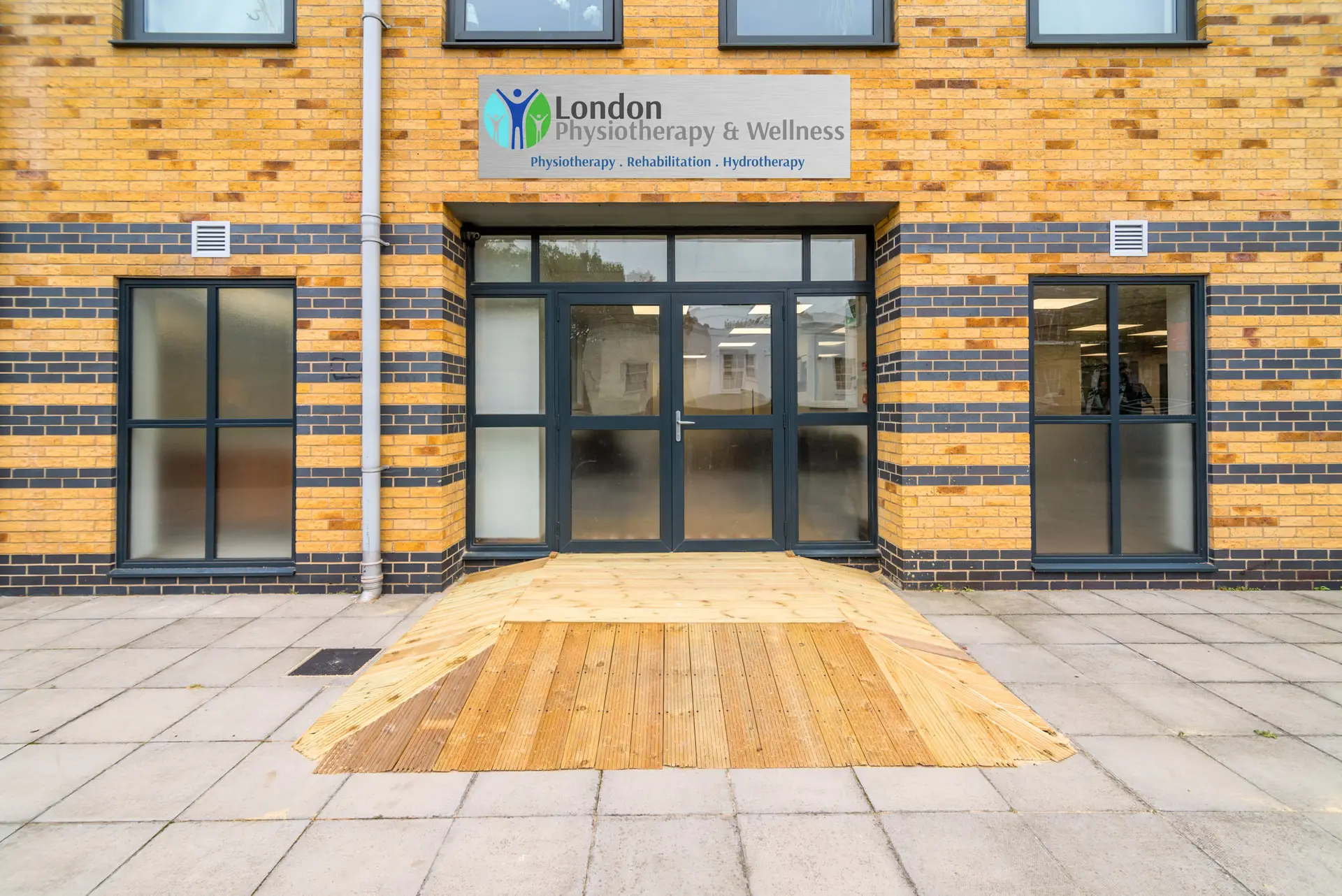
The main LPAW clinic is in Bow, E3, London, right next to The Bow Quarter. This bright and spacious clinic offers 4 treatment rooms, 2 changing rooms with showers, a large rehab gym, & onsite hydrotherapy in our 17 foot pool.
The LPAW satellite clinic is based in Stratford East Village where we run a thriving sports rehab offering.
Expert Pelvic Floor & Postnatal Rehabilitation in East London
Pelvic floor problems, postnatal recovery, bladder leakage, prolapse, perimenopausal musculoskeletal changes, these are not things you simply have to live with.
They are treatable, and physiotherapy is often the most effective first-line intervention. Yet for many women, the biggest barrier to getting help is simply not knowing that specialist care exists, or feeling too embarrassed to ask.
At LPAW, women’s health physiotherapy is delivered with clinical precision and complete respect for the sensitivity of these presentations. You do not need to be in severe distress to come. You need only want things to be better than they are.
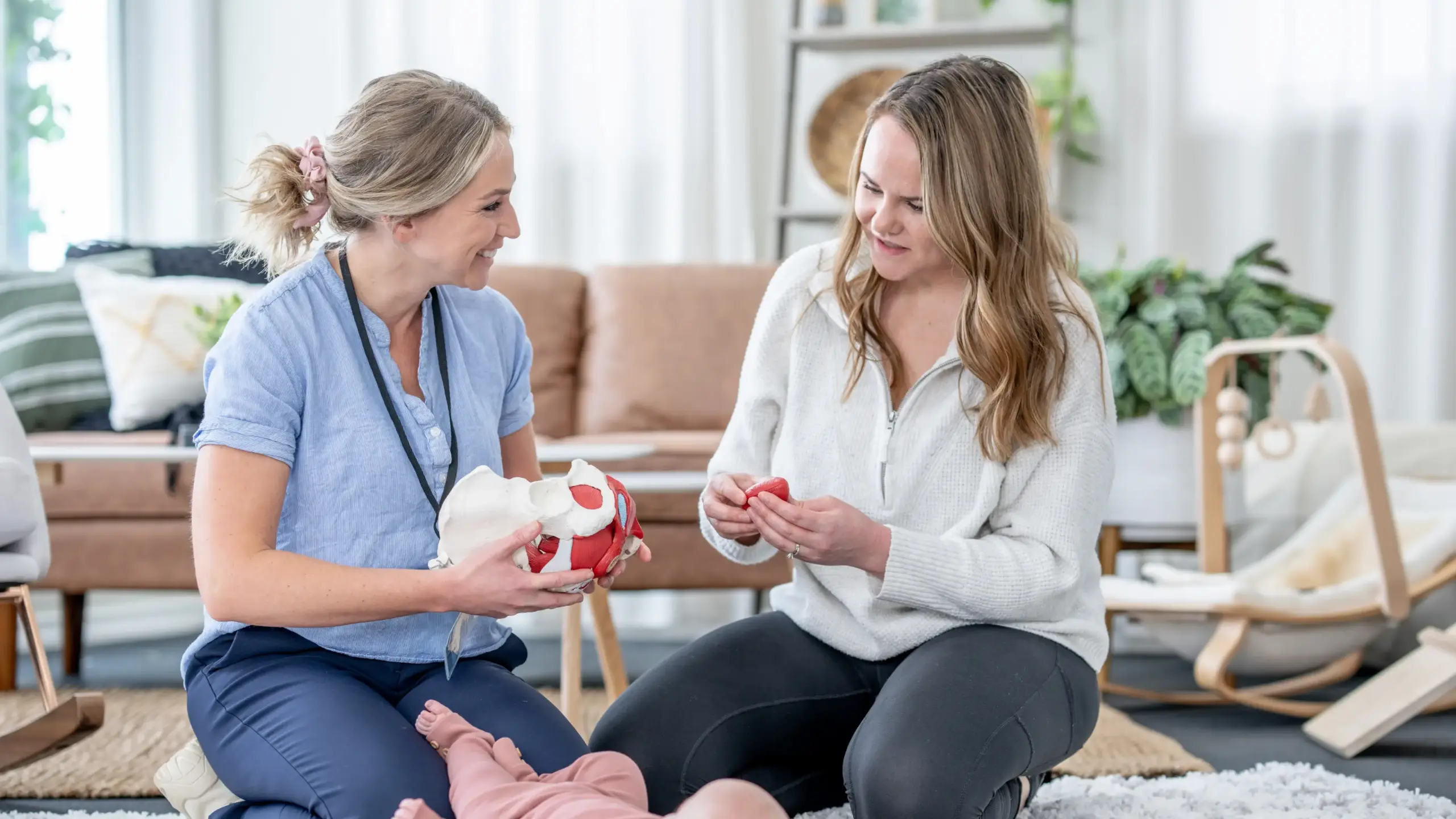
The pelvic floor is a group of muscles, ligaments, and connective tissue that form the base of the pelvis. They support the bladder, bowel, and uterus, and play a critical role in continence, sexual function, and core stability. Pelvic floor dysfunction occurs when these muscles are either too weak, too tight, or not coordinating properly.
Stress urinary incontinence (SUI) leaking urine when you cough, sneeze, laugh, jump, or run. This is one of the most common presentations we see, and it is highly treatable with the right pelvic floor rehabilitation programme. Leaking is not a normal consequence of childbirth that you simply accept.
Urgency urinary incontinence (UUI) a sudden, intense urge to urinate that is difficult to defer, sometimes with leakage. Often caused by an overactive bladder rather than a weak pelvic floor.
Mixed incontinence features of both SUI and UUI.
Pelvic floor hypertonicity (overactive pelvic floor) contrary to popular belief, not all pelvic floor problems are caused by weakness. A pelvic floor that is too tight causes different symptoms: pelvic pain, pain with intercourse (dyspareunia), difficulty inserting tampons, and often contributes to urgency. This requires a completely different treatment approach from a weak pelvic floor.
Pelvic organ prolapse when the bladder, uterus, or rectum descend into or through the vaginal wall due to weakened pelvic floor support. Prolapse is graded by severity. Physiotherapy can significantly reduce symptoms in all grades and is often the primary treatment for Grade I-II prolapse.
The postnatal period is a time of significant physical recovery — and in the current healthcare environment, women are often discharged from maternity care with inadequate support for this recovery.
LPAW’s postnatal physiotherapy addresses:
Diastasis recti (abdominal separation) — the separation of the rectus abdominis (the “six-pack” muscles) that occurs during pregnancy. This is extremely common and has implications for core stability, lower back pain, and pelvic floor function. Assessment and a targeted rehabilitation programme can restore function and reduce symptoms — but generic “no crunches” advice from the internet is not treatment.
Postnatal pelvic floor recovery — regardless of delivery mode, the pelvic floor benefits from structured rehabilitation after birth. This goes beyond Kegel exercises: it includes assessment of actual muscle function, coordination training, progressive loading, and return-to-exercise guidance.
Return to running and sport post-birth — the running community’s guidelines recommend waiting 3 months post-birth before returning to high-impact exercise, but this is a minimum, not a clearance. Our physiotherapists provide a formal return-to-exercise assessment with specific functional criteria.
Postnatal pelvic girdle pain and lower back pain — pregnancy changes the mechanics of the pelvis and spine significantly. Lingering pelvic girdle pain, sacroiliac dysfunction, or lower back pain after delivery are amenable to physiotherapy and osteopathic treatment.
The hormonal changes of perimenopause and menopause have direct effects on musculoskeletal health that are under-recognised in both primary care and among women themselves:
Oestrogen and collagen. Oestrogen supports collagen synthesis. As oestrogen levels decline, tendons and ligaments become stiffer and more vulnerable. This is a key reason why tendinopathies (Achilles, rotator cuff, plantar fascia) spike in incidence in women in their late forties.
Bone density. Postmenopausal osteoporosis is the most significant musculoskeletal risk of menopause. Weight-bearing exercise and resistance training are the primary physiotherapy interventions for maintaining bone density.
Joint pain. Widespread joint pain is a common and often under-attributed symptom of perimenopause. Physiotherapy can address the specific musculoskeletal components, improve joint mobility and strength, and reduce pain — working alongside medical management.
Pelvic floor changes. Declining oestrogen causes atrophic changes to the vaginal and pelvic floor tissues, which can worsen or trigger urinary incontinence and increase prolapse risk. This is another reason why pelvic floor physiotherapy is particularly valuable in the perimenopausal window.
PGP — pain around the pelvic joints (particularly the sacroiliac joints and symphysis pubis) — affects up to 1 in 5 pregnant women. It ranges from mild discomfort to debilitating pain that limits walking, standing, and stair climbing. It is not something to simply endure for the duration of pregnancy. Physiotherapy, including targeted exercises, and manual therapy, can significantly reduce symptoms and maintain function.
The pelvic floor is a group of muscles, ligaments, and connective tissue that form the base of the pelvis. They support the bladder, bowel, and uterus, and play a critical role in continence, sexual function, and core stability. Pelvic floor dysfunction occurs when these muscles are either too weak, too tight, or not coordinating properly.
Stress urinary incontinence (SUI) leaking urine when you cough, sneeze, laugh, jump, or run. This is one of the most common presentations we see, and it is highly treatable with the right pelvic floor rehabilitation programme. Leaking is not a normal consequence of childbirth that you simply accept.
Urgency urinary incontinence (UUI) a sudden, intense urge to urinate that is difficult to defer, sometimes with leakage. Often caused by an overactive bladder rather than a weak pelvic floor.
Mixed incontinence features of both SUI and UUI.
Pelvic floor hypertonicity (overactive pelvic floor) contrary to popular belief, not all pelvic floor problems are caused by weakness. A pelvic floor that is too tight causes different symptoms: pelvic pain, pain with intercourse (dyspareunia), difficulty inserting tampons, and often contributes to urgency. This requires a completely different treatment approach from a weak pelvic floor.
Pelvic organ prolapse when the bladder, uterus, or rectum descend into or through the vaginal wall due to weakened pelvic floor support. Prolapse is graded by severity. Physiotherapy can significantly reduce symptoms in all grades and is often the primary treatment for Grade I-II prolapse.
The postnatal period is a time of significant physical recovery — and in the current healthcare environment, women are often discharged from maternity care with inadequate support for this recovery.
LPAW’s postnatal physiotherapy addresses:
Diastasis recti (abdominal separation) the separation of the rectus abdominis (the “six-pack” muscles) that occurs during pregnancy. This is extremely common and has implications for core stability, lower back pain, and pelvic floor function. Assessment and a targeted rehabilitation programme can restore function and reduce symptoms — but generic “no crunches” advice from the internet is not treatment.
Postnatal pelvic floor recovery regardless of delivery mode, the pelvic floor benefits from structured rehabilitation after birth. This goes beyond Kegel exercises: it includes assessment of actual muscle function, coordination training, progressive loading, and return-to-exercise guidance.
Return to running and sport post-birth the running community’s guidelines recommend waiting 3 months post-birth before returning to high-impact exercise, but this is a minimum, not a clearance. Our physiotherapists provide a formal return-to-exercise assessment with specific functional criteria.
Postnatal pelvic girdle pain and lower back pain pregnancy changes the mechanics of the pelvis and spine significantly. Lingering pelvic girdle pain, sacroiliac dysfunction, or lower back pain after delivery are amenable to physiotherapy and osteopathic treatment.
The hormonal changes of perimenopause and menopause have direct effects on musculoskeletal health that are under-recognised in both primary care and among women themselves:
Oestrogen and collagen. Oestrogen supports collagen synthesis. As oestrogen levels decline, tendons and ligaments become stiffer and more vulnerable. This is a key reason why tendinopathies (Achilles, rotator cuff, plantar fascia) spike in incidence in women in their late forties.
Bone density. Postmenopausal osteoporosis is the most significant musculoskeletal risk of menopause. Weight-bearing exercise and resistance training are the primary physiotherapy interventions for maintaining bone density.
Joint pain. Widespread joint pain is a common and often under-attributed symptom of perimenopause. Physiotherapy can address the specific musculoskeletal components, improve joint mobility and strength, and reduce pain — working alongside medical management.
Pelvic floor changes. Declining oestrogen causes atrophic changes to the vaginal and pelvic floor tissues, which can worsen or trigger urinary incontinence and increase prolapse risk. This is another reason why pelvic floor physiotherapy is particularly valuable in the perimenopausal window.
PGP, pain around the pelvic joints (particularly the sacroiliac joints and symphysis pubis) affects up to 1 in 5 pregnant women. It ranges from mild discomfort to debilitating pain that limits walking, standing, and stair climbing. It is not something to simply endure for the duration of pregnancy. Physiotherapy, including targeted exercises and manual therapy, can significantly reduce symptoms and maintain function.
Priyanka is a Women’s Health Specialist and Senior MSK Physiotherapist who joined LPAW in 2022. She did her training in Mumbai, India and became a licensed physiotherapist from 2016 before moving to the UK.
She also brings experience as a First Contact Practitioner with Pure Physiotherapy, where she independently managed caseloads across GP surgeries – triaging, assessing, and treating patients as the first point of contact for musculoskeletal complaints.
More recently, she did her training for internal exams and treatment of female urinary incontinence with POGP (Pelvic, Gynaecological and Obstetric Physiotherapy), the UK professional organisation leading excellence in pelvic health physiotherapy


A women’s health physiotherapy appointment begins the same way every appointment at LPAW does: with a detailed conversation about your symptoms, history, and goals. Nothing you describe will be dismissed or minimised.
If an internal pelvic floor assessment is indicated (the gold standard for diagnosing pelvic floor dysfunction), your physiotherapist will explain exactly what this involves, why it is the most informative assessment method, and obtain your consent before proceeding. It is never compulsory, external assessment techniques are also available. Your comfort and dignity are maintained throughout.
Initial assessments are 45–60 minutes. You will leave with a clear explanation of your findings and a treatment plan.
Pelvic Floor Biofeedback — the only Excio Pelvic Floor Trainer in the UK LPAW is currently the only clinic in the UK to offer the Excio Pelvic Floor Trainer — a biofeedback device that uses real-time visual feedback to help patients learn to correctly activate, coordinate, and relax their pelvic floor muscles. Many women do pelvic floor exercises incorrectly for years without knowing it. Biofeedback removes the guesswork. See our dedicated Biofeedback page for more detail.
PTNS (Percutaneous Tibial Nerve Stimulation) For women with overactive bladder and urgency urinary incontinence, PTNS is a NICE-approved, minimally invasive treatment delivered using the gold-standard UrgentPC device. It is highly effective for patients who have not responded adequately to pelvic floor rehabilitation alone. See our PTNS page for full details.
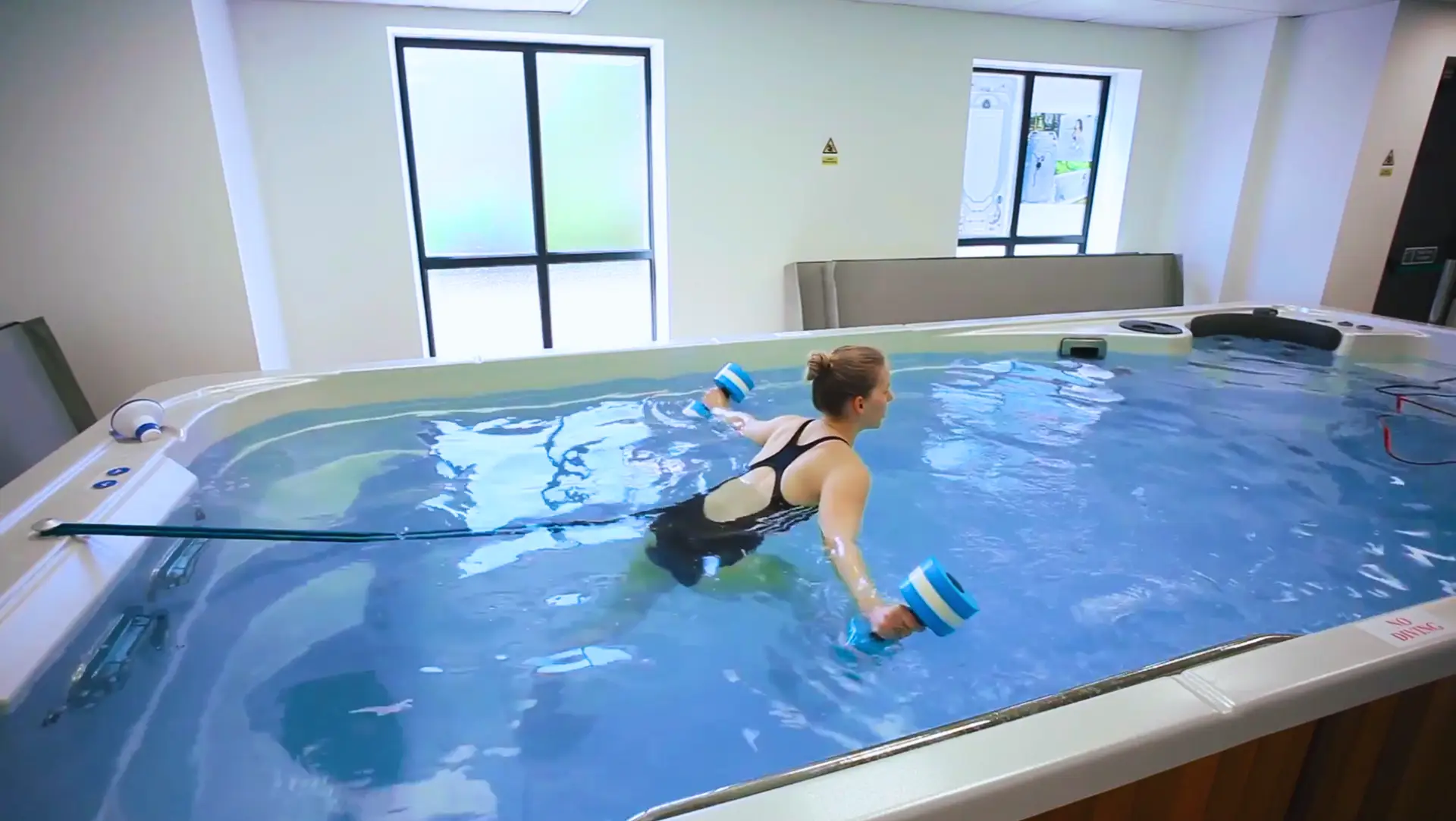
Hydrotherapy pool at Bow Warm water therapy is valuable for pregnancy-related musculoskeletal pain, postnatal recovery, and perimenopausal joint conditions. Our 36°C pool is one of the warmest in London and provides a comfortable, low-load environment for rehabilitation.
Clinical Pilates Clinical Pilates at LPAW is led by physiotherapists, not generic fitness instructors. Pelvic floor integration, core stability, and postural rehabilitation are central to our Pilates programme — making it directly relevant to women’s health presentations.
A women’s health physiotherapy appointment begins the same way every appointment at LPAW does: with a detailed conversation about your symptoms, history, and goals. Nothing you describe will be dismissed or minimised.
If an internal pelvic floor assessment is indicated (the gold standard for diagnosing pelvic floor dysfunction), your physiotherapist will explain exactly what this involves, why it is the most informative assessment method, and obtain your consent before proceeding. It is never compulsory, external assessment techniques are also available. Your comfort and dignity are maintained throughout.
Initial assessments are 45–60 minutes. You will leave with a clear explanation of your findings and a treatment plan.
Pelvic Floor Biofeedback — the only Excio Pelvic Floor Trainer in the UK
LPAW is currently the only clinic in the UK to offer the Excio Pelvic Floor Trainer — a biofeedback device that uses real-time visual feedback to help patients learn to correctly activate, coordinate, and relax their pelvic floor muscles. Many women do pelvic floor exercises incorrectly for years without knowing it. Biofeedback removes the guesswork. See our dedicated Biofeedback page for more detail.
PTNS (Percutaneous Tibial Nerve Stimulation)
For women with overactive bladder and urgency urinary incontinence, PTNS is a NICE-approved, minimally invasive treatment delivered using the gold-standard UrgentPC device. It is highly effective for patients who have not responded adequately to pelvic floor rehabilitation alone. See our PTNS page for full details.
Hydrotherapy pool at Bow
Warm water therapy is valuable for pregnancy-related musculoskeletal pain, postnatal recovery, and perimenopausal joint conditions. Our 36°C pool is one of the warmest in London and provides a comfortable, low-load environment for rehabilitation.
Clinical Pilates at LPAW is led by physiotherapists, not generic fitness instructors. Pelvic floor integration, core stability, and postural rehabilitation are central to our Pilates programme — making it directly relevant to women’s health presentations.