



Dry Needling

Trigger Point Release for Muscle Pain

Start Your Recovery

If you have a persistent knot in your muscle that won’t release with massage, or a pattern of referred pain that follows a consistent route without a clear structural cause, dry needling may offer relief that other treatment hasn’t. At LPAW, dry needling is used by several of our physiotherapists as a targeted adjunct to physiotherapy treatment — not as a standalone alternative medicine approach, but as a clinical technique with a specific mechanism and specific indications.

Dry needling is available at both our Bow and Stratford East Village clinics.

Physiotherapy Hydrotherapy Shockwave Sports Therapy Women's Health Dry Needling Osteopathy Pilates by Physios Babies & Children Men's Health Massage Running Assessments PTNS Post-Op Biofeedback Soft Tissue Therapy Manual Therapy Pre-Op Trigger Point Release Med-X Strengthening Physiotherapy Hydrotherapy Shockwave Sports Therapy Women's Health Dry Needling Osteopathy Pilates by Physios Babies & Children Men's Health Massage Running Assessments PTNS Post-Op Biofeedback Soft Tissue Therapy Manual Therapy Pre-Op Trigger Point Release Med-X Strengthening
What Is Dry Needling

Dry needling is a technique in which a thin, sterile acupuncture needle is inserted into a myofascial trigger point, a hypersensitive nodule within a taut band of skeletal muscle that generates local pain, referred pain, and restricted movement. The “dry” in the name distinguishes it from injection therapy: no substance is injected. The needle itself provides the stimulus.

Local twitch response when the needle contacts the trigger point, the muscle often produces a brief involuntary twitch. This is associated with a rapid normalisation of the abnormal electrical activity in the trigger point and relaxation of the taut band.

Neurophysiological effects needle insertion modulates pain signals in the spinal cord and brain, which contributes to pain relief beyond the immediate local effect.

Increased local circulation the controlled micro-trauma of needle insertion triggers a local healing response, improving blood flow and removing metabolic waste products that accumulate in ischaemic trigger points.

This is the most common question patients ask, and it’s a fair one — the needles look identical. The key differences are:

Dry Needling Acupuncture
Framework Western anatomical and neurophysiological model Traditional Chinese Medicine meridian system
Target Specific myofascial trigger points identified on physical examination Acupoints along meridian channels
Evidence base Peer-reviewed physiotherapy and sports medicine literature Combination of TCM literature and Western research
Practitioners Physiotherapists with post-graduate dry needling training Registered acupuncturists, and some physios
Goal Deactivate trigger points, reduce referred pain, restore muscle function Broad range of outcomes within TCM framework
Dry Needling Acupuncture
Framework
Western anatomical and neurophysiological model Traditional Chinese Medicine meridian system
Target
Specific myofascial trigger points identified on physical examination Acupoints along meridian channels
Evidence Base
Peer-reviewed physiotherapy and sports medicine literature Combination of TCM literature and Western research
Practitioners
Physiotherapists with post-graduate dry needling training Registered acupuncturists, and some physios
Goal
Deactivate trigger points, reduce referred pain, restore muscle function Broad range of outcomes within TCM framework

Neither approach is superior in all contexts. Dry needling is specifically appropriate when the primary target is a myofascial trigger point identified through clinical examination. If you are interested in acupuncture as a broader therapeutic modality, we would direct you to a registered acupuncturist.

Dry needling is almost always performed as part of a standard physiotherapy appointment, not as a separate dedicated session. Your physiotherapist will identify trigger points through palpation (feeling for the taut band and hypersensitive nodule) and confirm them with your feedback (trigger points typically produce a characteristic referred pain pattern when pressed).
The needle insertion: You will feel a small prick as the needle passes through the skin. If the needle contacts the trigger point accurately, many patients feel the “local twitch response” a brief, involuntary muscle twitch that can feel like a sudden cramp. This is a positive sign that the correct tissue has been contacted.

During the needling: The needle may be manipulated with small movements to maintain the stimulus. The sensation varies from mild pressure to a deeper aching or cramping feeling. It is typically brief, most trigger points are treated for 10–30 seconds per needle.
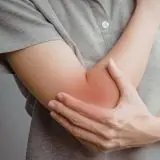
After the session: You may feel local soreness, like the sensation after a bruise, for 24–48 hours following treatment. This is normal and usually mild. Ice or gentle movement can help. Many patients notice an improvement in pain and range of motion within 24–48 hours as the post-treatment soreness settles.

Number of needles: Typically 2–6 per session depending on the number of trigger points being addressed. Your physiotherapist will not needle every possible trigger point in one session, they will target the most clinically relevant ones and assess your response.

Dry needling is most effective for conditions where myofascial trigger points are a significant contributor to pain:

Neck and upper back:

  • Neck pain with trigger points in the upper trapezius, levator scapulae, and suboccipital muscles
  • Tension headaches arising from cervical trigger points
  • Thoracic pain and mid-back stiffness

Shoulder:

  • Shoulder pain with rotator cuff trigger points (particularly infraspinatus, subscapularis)
  • Myofascial referred pain mimicking rotator cuff impingement

Lower back:

  • Back pain with gluteal, quadratus lumborum, and paraspinal trigger points
  • Piriformis syndrome contributing to buttock and sciatic-type pain

Lower limb:

  • IT band syndrome with TFL trigger points
  • Hamstring strain with proximal trigger points
  • Calf trigger points contributing to Achilles loading
  • Plantar fasciitis with calf and intrinsic foot muscle trigger points

Tennis and golfer’s elbow:

  • Tennis elbow with extensor carpi radialis trigger points
  • Medial epicondylalgia with flexor group trigger points

Jaw and face:

  • Temporomandibular joint (TMJ) pain with masseter and temporalis trigger points
  • Cervicogenic headache

Dry needling is a technique in which a thin, sterile acupuncture needle is inserted into a myofascial trigger point, a hypersensitive nodule within a taut band of skeletal muscle that generates local pain, referred pain, and restricted movement. The “dry” in the name distinguishes it from injection therapy: no substance is injected. The needle itself provides the stimulus.

Local twitch response when the needle contacts the trigger point, the muscle often produces a brief involuntary twitch. This is associated with a rapid normalisation of the abnormal electrical activity in the trigger point and relaxation of the taut band.

Neurophysiological effects needle insertion modulates pain signals in the spinal cord and brain, which contributes to pain relief beyond the immediate local effect.

Increased local circulation the controlled micro-trauma of needle insertion triggers a local healing response, improving blood flow and removing metabolic waste products that accumulate in ischaemic trigger points.

Dry needling is performed with the same type of needle used in acupuncture — a fine, solid, monofilament needle, not a hollow injection needle. Sessions are quick, targeted, and typically integrated into a broader physiotherapy treatment appointment.

This is the most common question patients ask, and it’s a fair one — the needles look identical. The key differences are:
Dry Needling Acupuncture
Framework Western anatomical and neurophysiological model Traditional Chinese Medicine meridian system
Target Specific myofascial trigger points identified on physical examination Acupoints along meridian channels
Evidence base Peer-reviewed physiotherapy and sports medicine literature Combination of TCM literature and Western research
Practitioners Physiotherapists with post-graduate dry needling training Registered acupuncturists, and some physios
Goal Deactivate trigger points, reduce referred pain, restore muscle function Broad range of outcomes within TCM framework
Neither approach is superior in all contexts. Dry needling is specifically appropriate when the primary target is a myofascial trigger point identified through clinical examination. If you are interested in acupuncture as a broader therapeutic modality, we would direct you to a registered acupuncturist.

Dry needling is almost always performed as part of a standard physiotherapy appointment, not as a separate dedicated session. Your physiotherapist will identify trigger points through palpation (feeling for the taut band and hypersensitive nodule) and confirm them with your feedback (trigger points typically produce a characteristic referred pain pattern when pressed).

The needle insertion: You will feel a small prick as the needle passes through the skin. If the needle contacts the trigger point accurately, many patients feel the “local twitch response” a brief, involuntary muscle twitch that can feel like a sudden cramp. This is a positive sign that the correct tissue has been contacted.
During the needling: The needle may be manipulated with small movements to maintain the stimulus. The sensation varies from mild pressure to a deeper aching or cramping feeling. It is typically brief, most trigger points are treated for 10–30 seconds per needle.
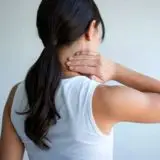
After the session: You may feel local soreness, like the sensation after a bruise, for 24–48 hours following treatment. This is normal and usually mild. Ice or gentle movement can help. Many patients notice an improvement in pain and range of motion within 24–48 hours as the post-treatment soreness settles.
Number of needles: Typically 2–6 per session depending on the number of trigger points being addressed. Your physiotherapist will not needle every possible trigger point in one session, they will target the most clinically relevant ones and assess your response.

Dry needling is most effective for conditions where myofascial trigger points are a significant contributor to pain:

Neck and upper back:

  • Neck pain with trigger points in the upper trapezius, levator scapulae, and suboccipital muscles
  • Tension headaches arising from cervical trigger points
  • Thoracic pain and mid-back stiffness

Shoulder:

  • Shoulder pain with rotator cuff trigger points (particularly infraspinatus, subscapularis)
  • Myofascial referred pain mimicking rotator cuff impingement

Lower back:

  • Back pain with gluteal, quadratus lumborum, and paraspinal trigger points
  • Piriformis syndrome contributing to buttock and sciatic-type pain

Lower limb:

  • IT band syndrome with TFL trigger points
  • Hamstring strain with proximal trigger points
  • Calf trigger points contributing to Achilles loading
  • Plantar fasciitis with calf and intrinsic foot muscle trigger points

Tennis and golfer’s elbow:

  • Tennis elbow with extensor carpi radialis trigger points
  • Medial epicondylalgia with flexor group trigger points

Jaw and face:

  • Temporomandibular joint (TMJ) pain with masseter and temporalis trigger points
  • Cervicogenic headache

Meet our team of experts

LPAW’s clinical team includes 19 practitioners, many holding postgraduate qualifications from UCL, King’s College London, and Guy’s and St Thomas’. Lead clinician Mr Arjun Viswanath MSc, MCSP, MPPA – Co-Founder and Consultant Physiotherapist – brings 25+ years of NHS and private experience including BMI London Independent Hospital and Harley Street.

Every clinician joining LPAW completes a mandatory intensive shadowing placement with our Consultant Physiotherapist before seeing patients independently. This is not a standard practice at most clinics – it’s our way of maintaining clinical consistency across the team.

Our Prices

Bow - Flagship Clinic

Stratford - New Branch

What Our Patients Say

From the moment I walked into this clinic, I knew everything was going to be okay. After seeing many physios, Priyanka, the pelvic specialist, was the first one to properly diagnose my back injury and choose exercises that were actually right for my condition.

I HIGHLY recommend hydrotherapy. This clinic has truly been life-changing for me. When you live with constant pain, finding real relief is priceless.

Thank you for the care, professionalism, and for giving me hope again ❤️
Molly W. profile picture
Molly W.
1 month ago
We had 6 of their amazing physiotherapist support London’s Air Ambulance Charity’s post-race reception for the 2026 London Marathon. Their communication before and during the event was excellent and all our runners have commented on how much their post-race massage has helped them with their recovery. We hope to work with them again in the future
Percy C. profile picture
Percy C.
2 months ago
Extremely impressed by the service offered. I injured my knee a while ago and they have been amazing in helping me with me recovery. Uzair Ahmed is very knowledgable and I really trust him with my recovery journey. Would highly recommend!
Ziya H. profile picture
Ziya H.
2 months ago
Been coming here for over a year every six weeks. Very professional and friendly at the same time. Can highly recommend. Big shout out to Mohammed and great reception service.
Kevin P. profile picture
Kevin P.
2 months ago
Fantastic treatment available! Enquired at short notice and they had a superfast response, and the treatment was excellent. Thank you!!
James L. profile picture
James L.
2 months ago
The team were highly professional, pleasant and helpful throughout my process of physiotherapy. I highly recommend this therapy clinic!
Em H. profile picture
Em H.
2 months ago
Had a couple of excellent sessions with Priyanka Shah, with really useful exercises and advice. Highly recommend!
Nicola W. profile picture
Nicola W.
3 months ago
Helpful and knowledgeable. Thank you!
Richard T. profile picture
Richard T.
3 months ago
I suffer with lower back disc bulges pinching my muscles and severely limiting my mobility, stability, and indeed causing agonising pain at the worst of times. I received a kind, patient and conscientious home visit at first before being invited to hydrotherapy at the clinic. 2 sessions in and I'm loving it so much, I'm determined to get one of these pools for myself later on in life. Couldn't recommend them highly enough.
Chris C. profile picture
Chris C.
3 months ago
Miracle workers!! Great gym rehab facilities patience to really understand the problem. Would highly recommend for anyone with chronic neck or back pain who are prepared to do some work on themselves.
Arif H. profile picture
Arif H.
3 months ago
Have been attending sessions for Physiotherapy here twice a week for many weeks now. Everyone is very patient and understanding. My treatment is going exceptionally well so far and Im already seeing massive progress from before my first ever session.
Would definitely recommend this clinic for anyone who needs rehabilitation or treatment!
D.Iyalla 1 profile picture
D.Iyalla 1
4 months ago
I’ve been attending London Physiotherapy And Wellness Stratford for 3 weeks now and already there are improvements in the areas I had problems with.
The physiotherapist is very knowledgeable and passionate about how he can help to improve & build your strength.
To help you recover is his main focus.
Not only is the physiotherapists customer service is great the admin team is also.
I personally recommend.
Ollie S. profile picture
Ollie S.
4 months ago
I had to visit the clinic for a hip injury I received from running. I started physio with Anup back in November and started with hydrotherapy, moving into physio in the new year. I've had a great experience with Anup and now I'm well on the road to recovery, I've started running again and I know what strength workouts I should be doing to keep up my recovery. So glad I found Anup and the clinic and would recommend them to anyone who has an injury!
无颜Music profile picture
无颜Music
4 months ago
The location is really convenient for me. The physiotherapist was very knowledgeable. He helped me identified the root cause of my heel pain and provided me with a clear pathway to my recovery.
Will recommend them ????????
Ervis L. profile picture
Ervis L.
6 months ago
I was assisted by Priyanka while recovering from a torn quad, and I couldn’t have asked for a better physiotherapist. She was incredibly supportive during a moment of real vulnerability, and I always felt truly taken care of. Her focus during every session was exceptional she even kept counting my reps to make sure I stayed on track!

Priyanka is a wonderful asset to the team, and I feel very lucky to have had her during my recovery. Highly recommended.
andrea B. profile picture
andrea B.
8 months ago
Best Physio ever. I visited the clinic after I damaged the ACL ligament practicing judo. I was unable to walk, using crutches and couldn't bend the leg. I was initially told by the doctor to wait at least 6/7 months to be fully recovered and the physiotherapy was the only way to get better. Thanks to the skilled clinic and very professional physiotherapist, they managed to get me back on trainings after 3/4 months only having now a stronger knee than before. I was assisted my Mohammed N R and his job was beyond the expectations. They have specific equipment to practice a high variety of exercises and furthermore they are super friendly and easy reachable by email or phone for last minute doubts. I cannot thank more for the assistance received for a faster recovery they granted me. I fully recommend them.

Frequently Asked Questions

The needle insertion through skin is usually felt as a brief prick — minimal discomfort. The local twitch response, if it occurs, can produce a 1–2 second sensation like a sudden cramp in the muscle. Most patients report this as surprising rather than painful. The overall session is generally well-tolerated.
Many patients notice improvement within 24–48 hours of the first session, once post-treatment soreness has settled. For longstanding trigger points, 2–4 sessions may be needed before the trigger point fully deactivates. Dry needling works best as part of a broader physiotherapy programme, not in isolation.
Yes. Many of the same trigger point effects can be achieved with manual therapy techniques — specifically ischaemic compression (sustained pressure on the trigger point) and soft tissue release. These are less direct but effective and are available as alternatives. Discuss your concerns with your physiotherapist before the session.
Yes — specifically tension-type headaches and cervicogenic headaches (headaches driven by trigger points in the neck and upper shoulder muscles). These are among the best-evidenced applications for dry needling. If your headaches have other features (neurological symptoms, sudden onset, positional), these require medical assessment first.
No. Acupressure applies physical pressure to acupoints without using a needle. Dry needling uses a needle specifically to access deeper tissue and trigger point tissue that surface pressure cannot reach effectively.
Occasionally, a small bruise can form at the needle site. This is more likely in areas with superficial blood vessels. It is minor and resolves within a few days.

More About Dry Needling

Who Performs Dry Needling at LPAW
Multiple LPAW physiotherapists hold post-graduate dry needling certifications:
 
  • Arjun Viswanath
  • Vidhya Ashok
  • Anup Patel
  • Priyanka Shah

  • Urvi Gandhi
  • Amar Akbar
  • Akshay Bangad

  • Chhaya Govekar
Dry needling at LPAW is never performed by a practitioner who has only attended a one-day course. All practitioners have post-graduate training and supervised clinical experience before using the technique independently.

If dry needling is indicated as part of your treatment, it will typically be combined with one or more of the following: Sports Therapy, Physiotherapy, Osteopathy, or Manual Therapy. Your physiotherapist will advise which combination is most appropriate for your presentation.

More About Dry Needling

Multiple LPAW physiotherapists hold post-graduate dry needling certifications:
 
  • Arjun Viswanath
  • Vidhya Ashok
  • Anup Patel
  • Priyanka Shah

  • Urvi Gandhi
  • Amar Akbar
  • Akshay Bangad

  • Chhaya Govekar
Dry needling at LPAW is never performed by a practitioner who has only attended a one-day course. All practitioners have post-graduate training and supervised clinical experience before using the technique independently.

If dry needling is indicated as part of your treatment, it will typically be combined with one or more of the following: Sports Therapy, Physiotherapy, Osteopathy, or Manual Therapy. Your physiotherapist will advise which combination is most appropriate for your presentation.

Ready to bounce back better?