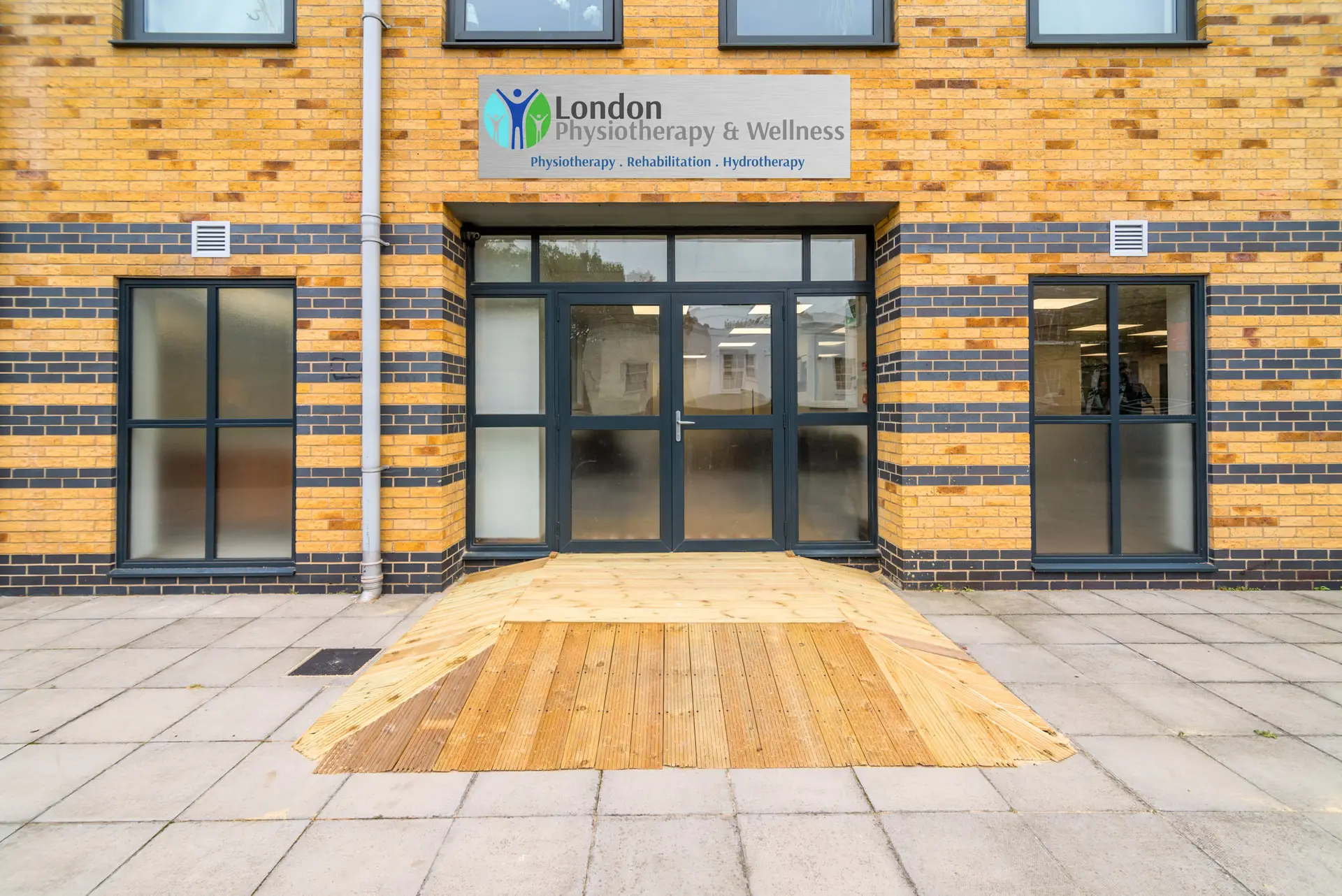
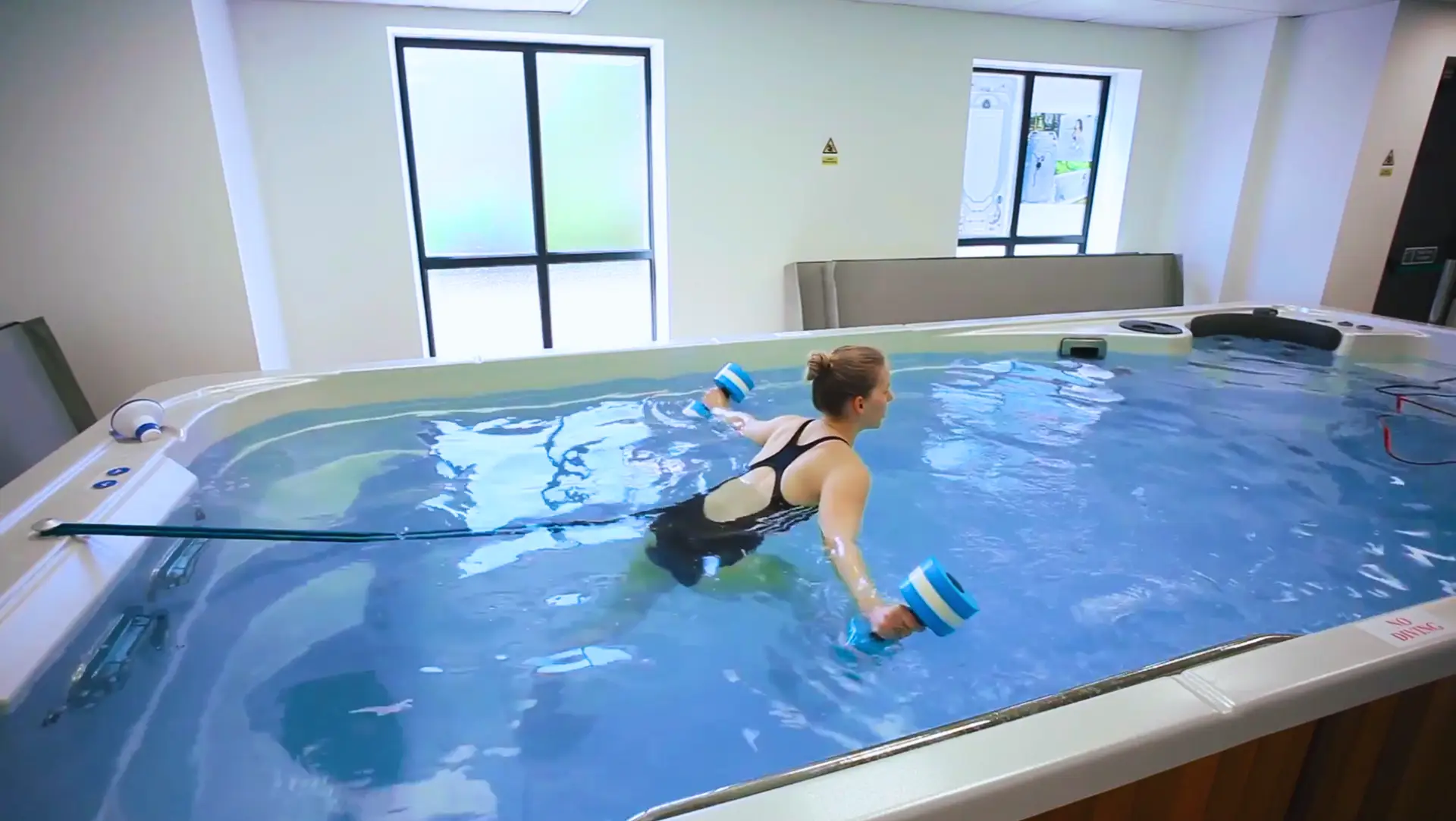
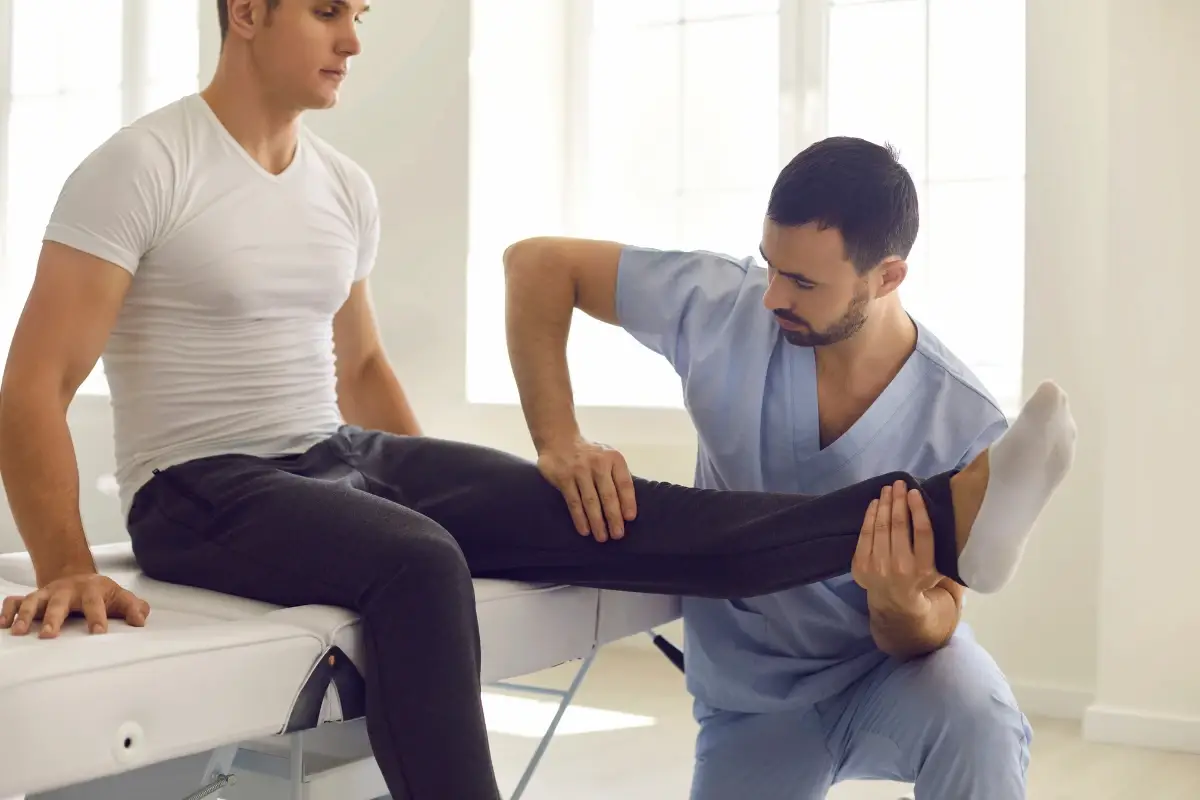
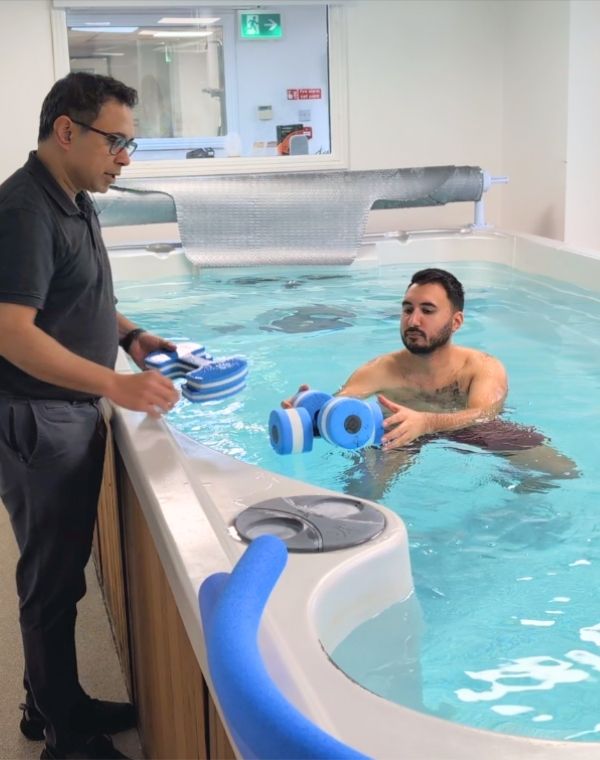
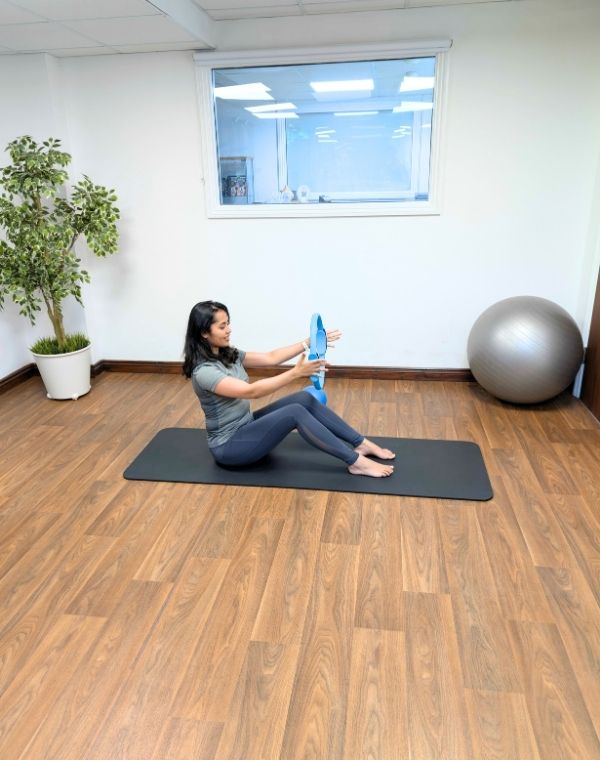
The main LPAW clinic is in Bow, E3, London, right next to The Bow Quarter. This bright and spacious clinic offers 4 treatment rooms, 2 changing rooms with showers, a large rehab gym, & onsite hydrotherapy in our 17 foot pool.
The LPAW satellite clinic is based in Stratford East Village where we run a thriving sports rehab offering.
The main LPAW clinic is in Bow, E3, London, right next to The Bow Quarter. This bright and spacious clinic offers 4 treatment rooms, 2 changing rooms with showers, a large rehab gym, & onsite hydrotherapy in our 17 foot pool.
The LPAW satellite clinic is based in Stratford East Village where we run a thriving sports rehab offering.
Nerve impingement is one of the most frequently misunderstood pain presentations. At LPAW we identify the exact level and mechanism of compression and treat with targeted physiotherapy, neural mobilisation, and dry needling. Available at our Bow and Stratford East Village clinics.
Cervical Radiculopathy
Cervical radiculopathy occurs when a nerve root is compressed as it exits the cervical spine (neck). Compression typically occurs at the foramina (spaces between vertebrae) and is caused by disc herniation, osteophyte formation (bony spurs from cervical spondylosis), or less commonly foraminal stenosis.
The most common levels are C5/6 (affecting the C6 nerve root) and C6/7 (affecting the C7 nerve root), producing characteristic patterns:
The pain pattern is typically unilateral and follows a specific dermatome (nerve root distribution), which helps distinguish it from more diffuse referred muscular pain.
Lumbar Radiculopathy / Sciatica
See our dedicated Sciatica & Disc Issues page for comprehensive information on lumbar nerve root compression.
Thoracic Outlet Syndrome (TOS)
Thoracic outlet syndrome involves compression of the brachial plexus and/or subclavian vascular structures as they pass through the thoracic outlet — the space between the collarbone, first rib, and surrounding muscles.
Three subtypes:
Neurogenic TOS often presents with diffuse upper limb symptoms that worsen with overhead activity or positions involving shoulder elevation. It is frequently misdiagnosed and can mimic cervical radiculopathy, rotator cuff pathology, or carpal tunnel syndrome.
Carpal Tunnel Syndrome
Carpal tunnel syndrome involves compression of the median nerve within the carpal tunnel at the wrist — a narrow passage formed by the carpal bones and flexor retinaculum. It is one of the most common peripheral nerve entrapments.
Symptoms include tingling, numbness, and pain in the thumb, index, middle, and radial half of the ring finger. Symptoms are typically worse at night, with driving, and during prolonged gripping. In severe cases, weakness and wasting of the thenar muscles may occur.
CTS is associated with repetitive wrist movements, pregnancy (fluid retention), diabetes, hypothyroidism, rheumatoid arthritis, and obesity.
Ulnar Nerve Entrapment
The ulnar nerve can be compressed at the elbow (cubital tunnel syndrome, commonly known as the “funny bone” nerve) or less commonly at the wrist (Guyon’s canal). Cubital tunnel syndrome causes tingling and numbness in the little and ring fingers, hand weakness, and is often aggravated by prolonged elbow flexion.
Meralgia Paraesthetica
Entrapment of the lateral femoral cutaneous nerve as it passes under the inguinal ligament, causing burning, tingling, and numbness over the outer thigh. It is associated with tight clothing, obesity, pregnancy, and prolonged hip flexion. It is not a radiculopathy and does not involve the lumbar spine.
Piriformis Syndrome
Compression or irritation of the sciatic nerve by the piriformis muscle in the buttock, producing sciatic-type symptoms (buttock, posterior thigh, and sometimes calf and foot pain) without spinal pathology. It can be difficult to distinguish from lumbar radiculopathy, and diagnosis relies on clinical history and examination findings.

The following features require urgent medical assessment:
All patients are screened for these features at each clinical assessment.
Cervical Radiculopathy
Cervical radiculopathy occurs when a nerve root is compressed as it exits the cervical spine (neck). Compression typically occurs at the foramina (spaces between vertebrae) and is caused by disc herniation, osteophyte formation (bony spurs from cervical spondylosis), or less commonly foraminal stenosis.
The most common levels are C5/6 (affecting the C6 nerve root) and C6/7 (affecting the C7 nerve root), producing characteristic patterns:
The pain pattern is typically unilateral and follows a specific dermatome (nerve root distribution), which helps distinguish it from more diffuse referred muscular pain.
Lumbar Radiculopathy / Sciatica
See our dedicated Sciatica & Disc Issues page for comprehensive information on lumbar nerve root compression.
Thoracic Outlet Syndrome (TOS)
Thoracic outlet syndrome involves compression of the brachial plexus and/or subclavian vascular structures as they pass through the thoracic outlet — the space between the collarbone, first rib, and surrounding muscles.
Three subtypes:
Neurogenic TOS often presents with diffuse upper limb symptoms that worsen with overhead activity or positions involving shoulder elevation. It is frequently misdiagnosed and can mimic cervical radiculopathy, rotator cuff pathology, or carpal tunnel syndrome.
Carpal Tunnel Syndrome
Carpal tunnel syndrome involves compression of the median nerve within the carpal tunnel at the wrist — a narrow passage formed by the carpal bones and flexor retinaculum. It is one of the most common peripheral nerve entrapments.
Symptoms include tingling, numbness, and pain in the thumb, index, middle, and radial half of the ring finger. Symptoms are typically worse at night, with driving, and during prolonged gripping. In severe cases, weakness and wasting of the thenar muscles may occur.
CTS is associated with repetitive wrist movements, pregnancy (fluid retention), diabetes, hypothyroidism, rheumatoid arthritis, and obesity.
Ulnar Nerve Entrapment
The ulnar nerve can be compressed at the elbow (cubital tunnel syndrome, commonly known as the “funny bone” nerve) or less commonly at the wrist (Guyon’s canal). Cubital tunnel syndrome causes tingling and numbness in the little and ring fingers, hand weakness, and is often aggravated by prolonged elbow flexion.
Meralgia Paraesthetica
Entrapment of the lateral femoral cutaneous nerve as it passes under the inguinal ligament, causing burning, tingling, and numbness over the outer thigh. It is associated with tight clothing, obesity, pregnancy, and prolonged hip flexion. It is not a radiculopathy and does not involve the lumbar spine.
Piriformis Syndrome
Compression or irritation of the sciatic nerve by the piriformis muscle in the buttock, producing sciatic-type symptoms (buttock, posterior thigh, and sometimes calf and foot pain) without spinal pathology. It can be difficult to distinguish from lumbar radiculopathy, and diagnosis relies on clinical history and examination findings.
The following features require urgent medical assessment:
All patients are screened for these features at each clinical assessment.

LPAW’s clinical team includes 19 practitioners, many holding postgraduate qualifications from UCL, King’s College London, and Guy’s and St Thomas’. Lead clinician Mr Arjun Viswanath MSc, MCSP, MPPA – Co-Founder and Consultant Physiotherapist – brings 25+ years of NHS and private experience including BMI London Independent Hospital and Harley Street.
Every clinician joining LPAW completes a mandatory intensive shadowing placement with our Consultant Physiotherapist before seeing patients independently. This is not a standard practice at most clinics – it’s our way of maintaining clinical consistency across the team.
Dry needling of lumbar paraspinal, quadratus lumborum, and gluteal trigger points is often incorporated into physiotherapy treatment sessions for back pain with a significant myofascial component.
Most back pain is benign and responds to physiotherapy. However, certain features require urgent medical assessment. Seek immediate medical attention if you experience:
Dry needling of lumbar paraspinal, quadratus lumborum, and gluteal trigger points is often incorporated into physiotherapy treatment sessions for back pain with a significant myofascial component.


What We Do