

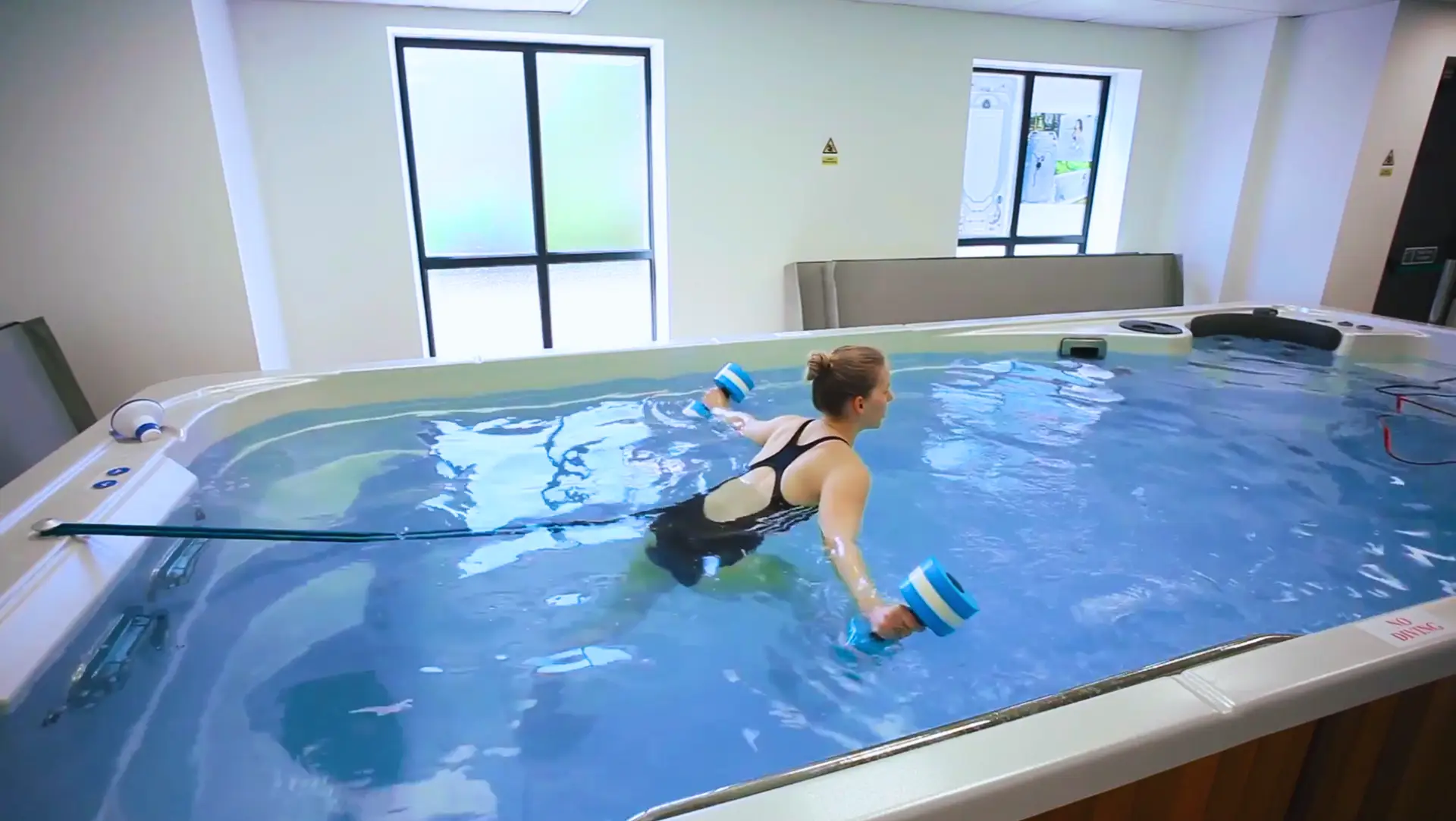
The main LPAW clinic is in Bow, E3, London, right next to The Bow Quarter. This bright and spacious clinic offers 4 treatment rooms, 2 changing rooms with showers, a large rehab gym, & onsite hydrotherapy in our 17 foot pool.
The LPAW satellite clinic is based in Stratford East Village where we run a thriving sports rehab offering.
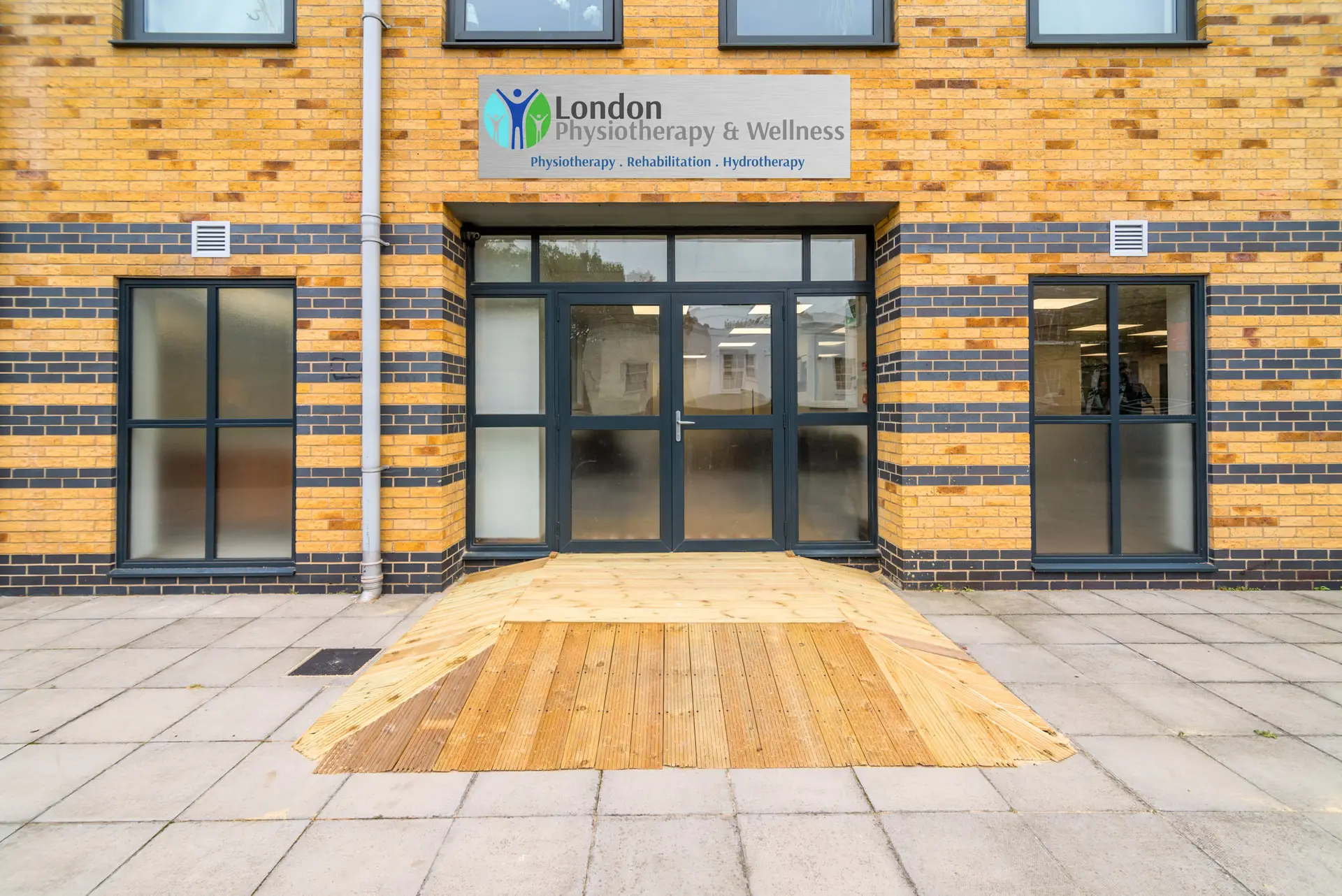
The main LPAW clinic is in Bow, E3, London, right next to The Bow Quarter. This bright and spacious clinic offers 4 treatment rooms, 2 changing rooms with showers, a large rehab gym, & onsite hydrotherapy in our 17 foot pool.
The LPAW satellite clinic is based in Stratford East Village where we run a thriving sports rehab offering.
Shockwave Therapy in East London — Gold-Standard Treatment for Chronic Tendon Pain
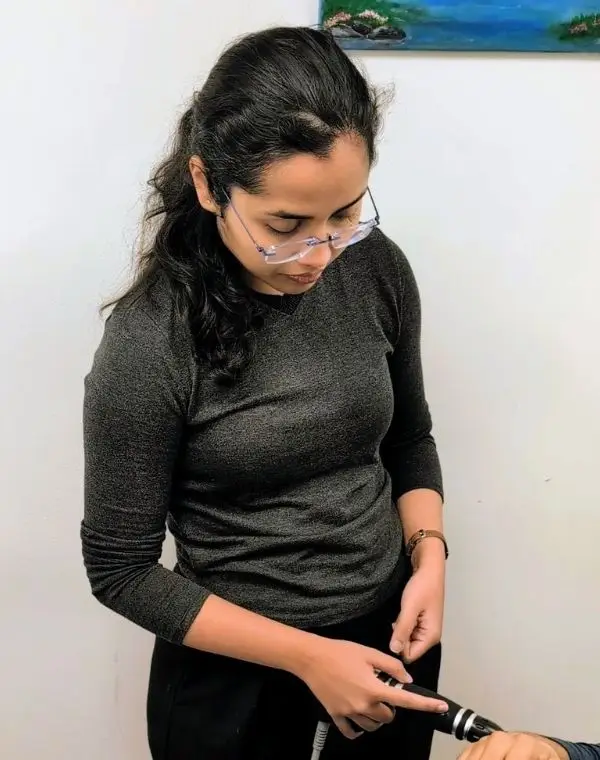
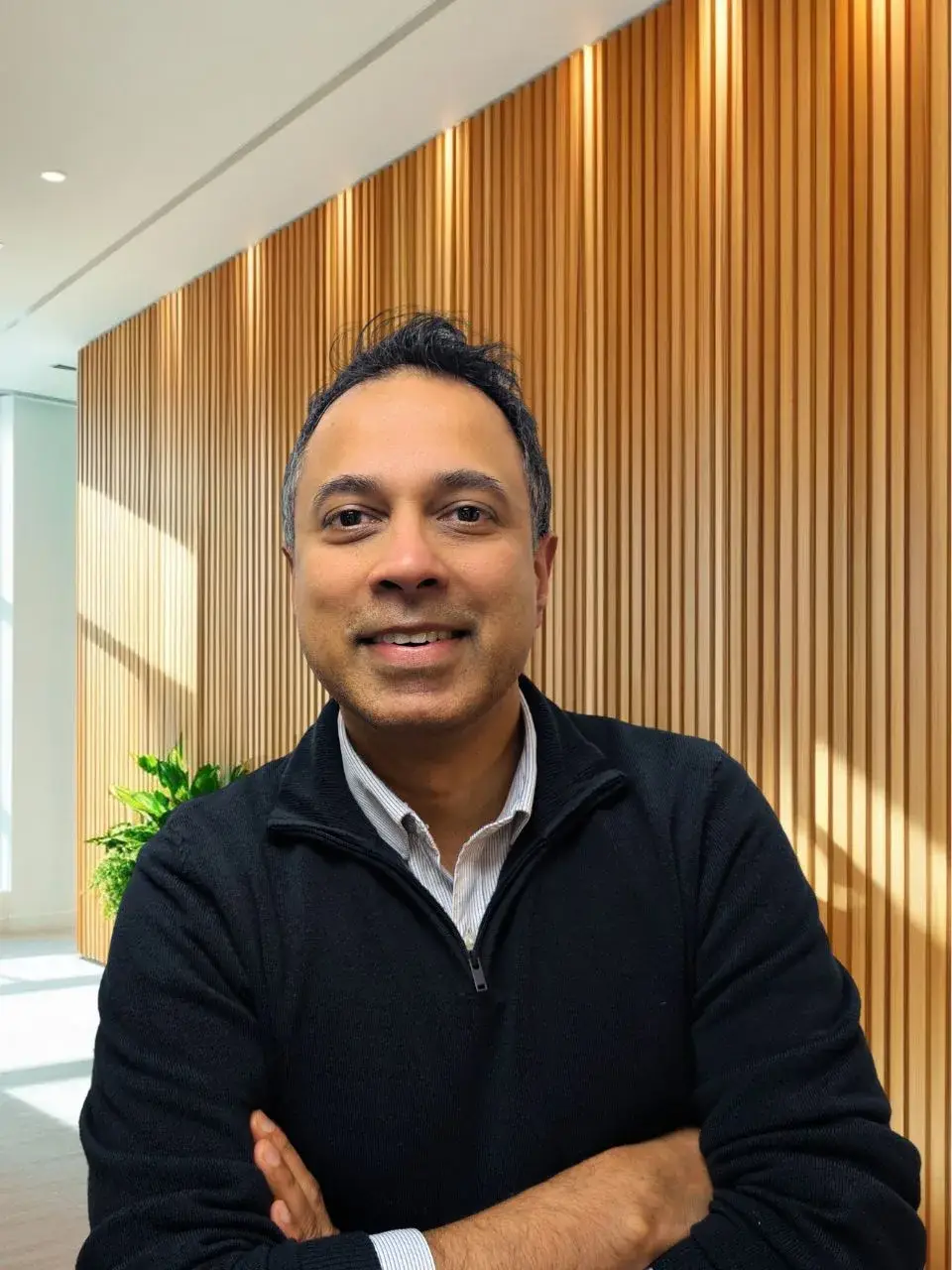
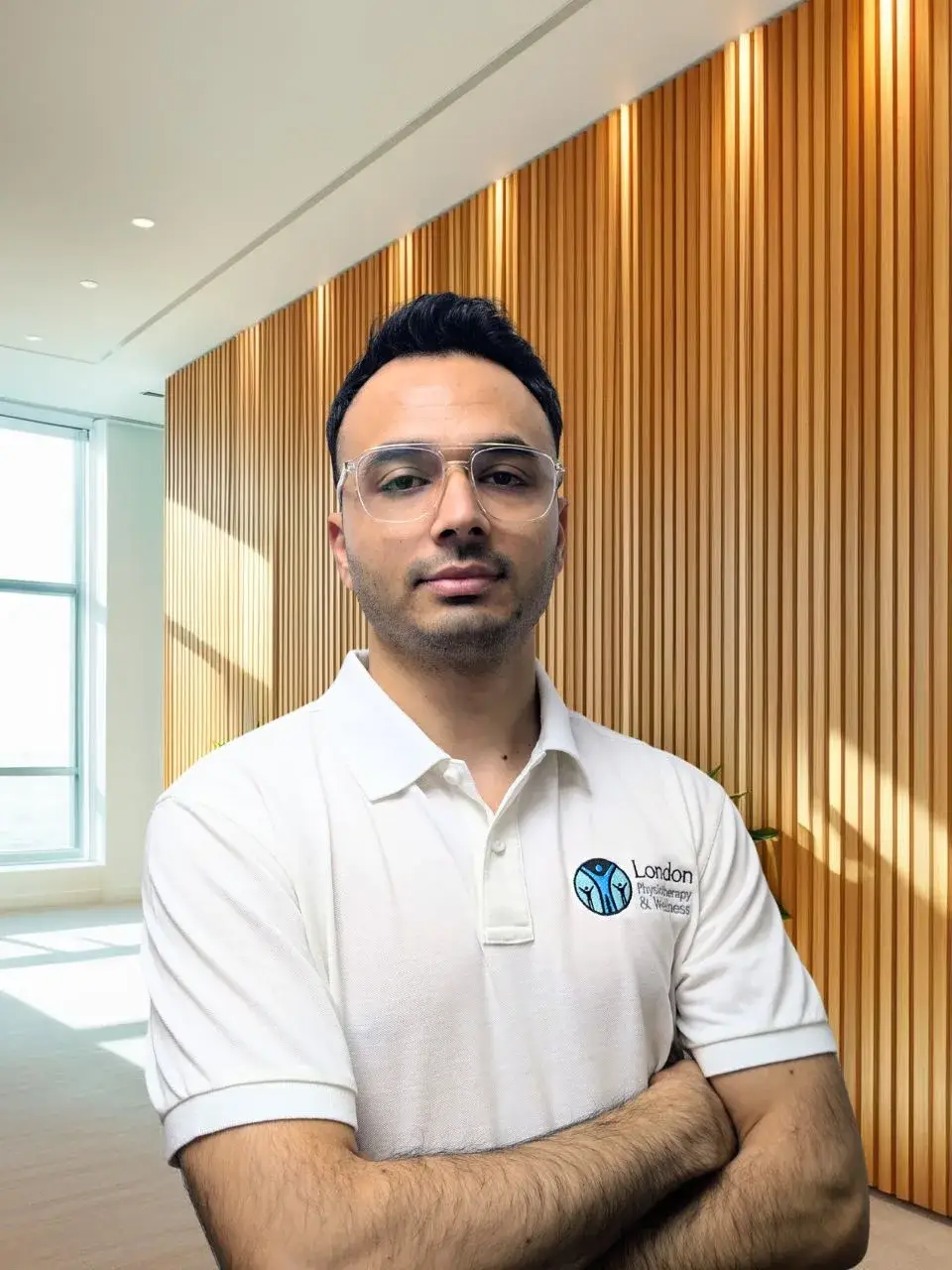
If you’ve been dealing with tendon pain for months — plantar fasciitis that won’t clear up, an Achilles that flares every time you run, or a shoulder that has stubbornly refused to improve with physiotherapy — shockwave therapy may be the treatment that finally moves things forward. At LPAW, Radial Shockwave Therapy (RSWT) is delivered by Arjun Viswanath MSc, MCSP, MPPA, our Consultant Physiotherapist and Co-Founder, with 18+ years of clinical experience across NHS and private practice.
Shockwave therapy is not new, and it is not experimental. It is an evidence-based, NICE-recommended treatment for a specific group of chronic tendinopathies — one of the most robustly studied non-surgical interventions in musculoskeletal medicine.
The term “shockwave” can sound alarming. In practice, it is not painful in the way the name suggests.

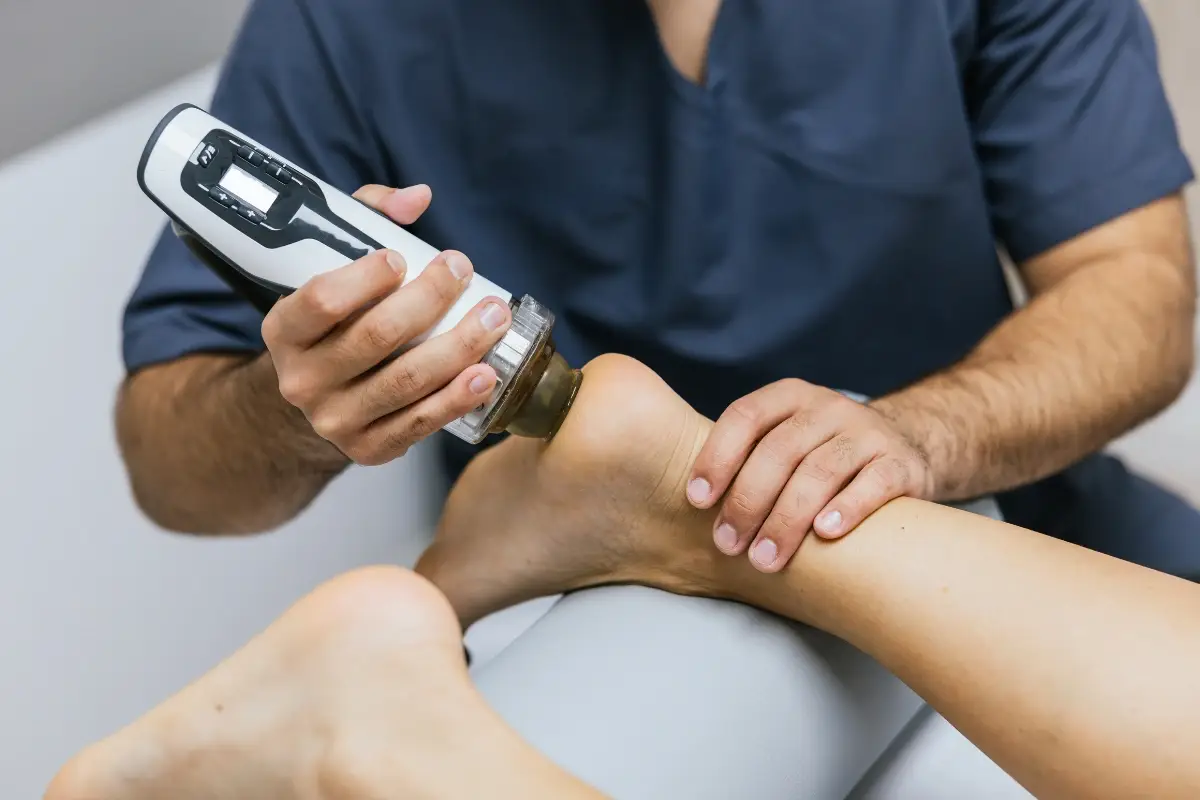
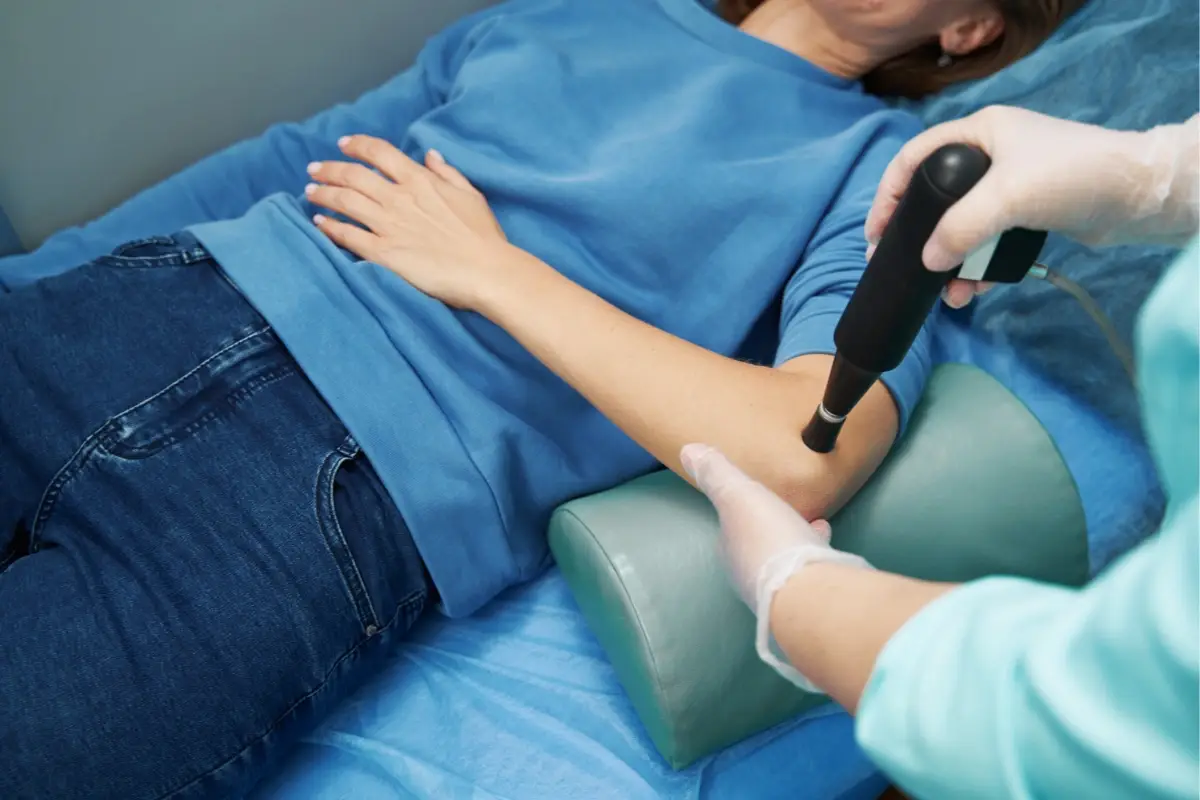
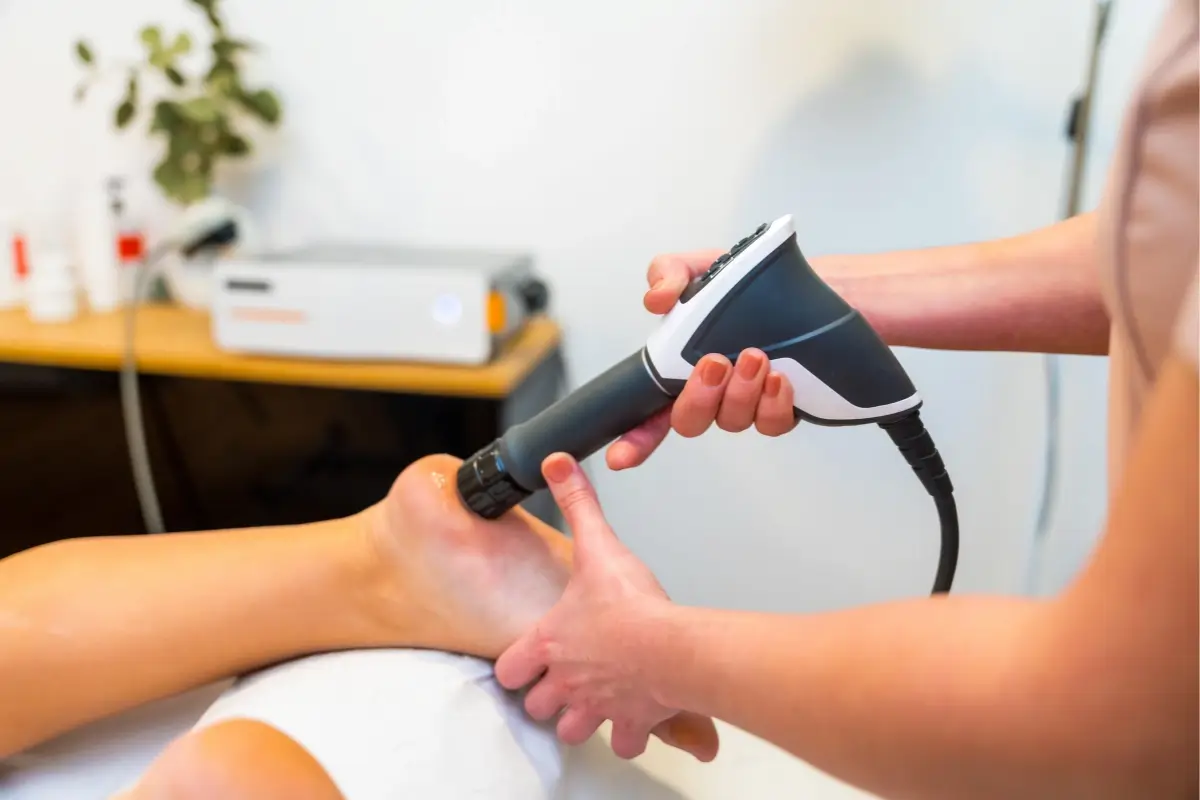
Radial Shockwave Therapy delivers high-energy sound waves into a targeted area of tissue using a handheld device applied to the skin with gel (similar to an ultrasound probe). These acoustic pulses travel through the tissue and have several well-documented biological effects:
Mechanotransduction — stimulating tissue repair. Chronic tendon injuries often become “stuck” in a state of degenerative change (tendinosis) rather than active inflammation. The tendon tissue loses its normal collagen architecture and fails to heal. Shockwave stimulates the cells within the tendon (tenocytes) to restart the repair process — increasing collagen synthesis and encouraging the tissue to remodel.
Neovascularisation — improving blood supply. Tendons have notoriously poor blood supply, which is part of why they heal slowly. Shockwave promotes the formation of new blood vessels in and around the tendon, improving nutrient delivery and accelerating recovery.
Pain modulation — disrupting the pain cycle. Shockwave reduces the concentration of Substance P (a pain neurotransmitter) at the treatment site, which helps break the chronic pain cycle that keeps many tendon injuries stuck despite rest and physiotherapy.
Calcification breakdown. In conditions such as calcific tendinopathy of the shoulder, shockwave can physically fragment calcium deposits within the tendon — a mechanism not replicated by any other non-surgical treatment.
Shockwave is most effective for chronic (longer than 3 months) tendinopathies and fasciopathies that have not responded adequately to first-line physiotherapy. Conditions we treat include:
For complex or chronic cases, physiotherapy is often combined with hydrotherapy or Med-X spinal rehabilitation as part of a structured multi-modal plan.
Shockwave therapy is not alternative medicine. It is listed in NICE clinical guidelines and supported by multiple systematic reviews and randomised controlled trials:
A 2016 systematic review in the British Journal of Sports Medicine found RSWT superior to wait-and-see, corticosteroid injection, and sham treatment for plantar fasciitis.
A 2015 Cochrane review concluded shockwave therapy provides clinically meaningful pain reduction in lateral elbow tendinopathy.
Multiple RCTs support RSWT for Achilles, patellar, and rotator cuff tendinopathy.
Importantly, shockwave is particularly valuable as an alternative to corticosteroid injections for tendon conditions. While cortisone can provide short-term pain relief, evidence suggests it does not address the underlying degenerative process and may weaken tendon tissue with repeated use. Shockwave stimulates genuine tissue repair.
Shockwave is safe for most adults but is not appropriate in all circumstances. It should not be used over:
The practitioner will conduct a clinical screening at your first appointment to confirm suitability.
The term “shockwave” can sound alarming. In practice, it is not painful in the way the name suggests.
Radial Shockwave Therapy delivers high-energy sound waves into a targeted area of tissue using a handheld device applied to the skin with gel (similar to an ultrasound probe). These acoustic pulses travel through the tissue and have several well-documented biological effects:
Mechanotransduction — stimulating tissue repair. Chronic tendon injuries often become “stuck” in a state of degenerative change (tendinosis) rather than active inflammation. The tendon tissue loses its normal collagen architecture and fails to heal. Shockwave stimulates the cells within the tendon (tenocytes) to restart the repair process — increasing collagen synthesis and encouraging the tissue to remodel.
Neovascularisation — improving blood supply. Tendons have notoriously poor blood supply, which is part of why they heal slowly. Shockwave promotes the formation of new blood vessels in and around the tendon, improving nutrient delivery and accelerating recovery.
Pain modulation — disrupting the pain cycle. Shockwave reduces the concentration of Substance P (a pain neurotransmitter) at the treatment site, which helps break the chronic pain cycle that keeps many tendon injuries stuck despite rest and physiotherapy.
Calcification breakdown. In conditions such as calcific tendinopathy of the shoulder, shockwave can physically fragment calcium deposits within the tendon — a mechanism not replicated by any other non-surgical treatment.
Shockwave is most effective for chronic (longer than 3 months) tendinopathies and fasciopathies that have not responded adequately to first-line physiotherapy. Conditions we treat include:
Shockwave therapy is not alternative medicine. It is listed in NICE clinical guidelines and supported by multiple systematic reviews and randomised controlled trials:
A 2016 systematic review in the British Journal of Sports Medicine found RSWT superior to wait-and-see, corticosteroid injection, and sham treatment for plantar fasciitis.
A 2015 Cochrane review concluded shockwave therapy provides clinically meaningful pain reduction in lateral elbow tendinopathy.
Multiple RCTs support RSWT for Achilles, patellar, and rotator cuff tendinopathy.
Importantly, shockwave is particularly valuable as an alternative to corticosteroid injections for tendon conditions. While cortisone can provide short-term pain relief, evidence suggests it does not address the underlying degenerative process and may weaken tendon tissue with repeated use. Shockwave stimulates genuine tissue repair.
Shockwave is safe for most adults but is not appropriate in all circumstances. It should not be used over:
The practitioner will conduct a clinical screening at your first appointment to confirm suitability.
LPAW’s clinical team includes 19 practitioners, many holding postgraduate qualifications from UCL, King’s College London, and Guy’s and St Thomas’. Lead clinician Mr Arjun Viswanath MSc, MCSP, MPPA – Co-Founder and Consultant Physiotherapist – brings 25+ years of NHS and private experience including BMI London Independent Hospital and Harley Street.
Every clinician joining LPAW completes a mandatory intensive shadowing placement with our Consultant Physiotherapist before seeing patients independently. This is not a standard practice at most clinics – it’s our way of maintaining clinical consistency across the team.


Most patients receive between 3 and 6 sessions, typically spaced one week apart. The majority of clinical response occurs within this window. At the end of a course, your physiotherapist will reassess your outcome and advise on whether further sessions are indicated or whether you are ready to progress with a rehabilitation loading programme alone.
Unlike physiotherapy, shockwave is not an ongoing monthly maintenance treatment. It is a focused intervention aimed at restarting a healing process that has stalled.
The sensation is typically described as moderate — a rapid mechanical tapping over the treated area. Some areas are more sensitive, particularly at the point of maximal tenderness. The discomfort is usually well-tolerated and brief. Arjun will adjust the intensity based on your feedback throughout the session.
Coverage varies by insurer and policy. Many private health insurers will cover shockwave therapy when it is delivered within a physiotherapy treatment plan and medically indicated. Check with your insurer before your appointment — see our insurance page.
Yes, but timing matters. Most guidelines recommend waiting at least 6–12 weeks after a corticosteroid injection before commencing shockwave, as concurrent treatment may reduce efficacy. Arjun will discuss this in your initial consultation.
No. You can self-refer directly to LPAW for a shockwave assessment. If you are using health insurance, check whether your policy requires a GP referral or pre-authorisation.
For many chronic tendinopathies, shockwave therapy — particularly when combined with an appropriate loading programme — achieves outcomes comparable to surgical intervention. Many patients who were told surgery was the next option have avoided it after a course of shockwave. This is not a guarantee, but it is a clinically sound first choice before surgery is considered.
All shockwave treatment at LPAW is delivered by our practitioners who specially trained in shockwave. Our Consultant Physiotherapist, Mr Arjun Viswanath MCSP has been delivering shockwave therapy for over a decade with extensive training and clinical experience.
Some patients notice improvement after 1–2 sessions. For others, meaningful change becomes apparent after completing the full course. The 4–8 weeks following your final session can continue to show improvement as the biological repair process matures. Clinical evidence suggests optimal outcomes are assessed at 12 weeks post-treatment.
Your first appointment includes a full clinical assessment (45–60 minutes), not just treatment. Your clinician will review your history, examine the affected area, confirm the diagnosis, and discuss the treatment plan — including expected number of sessions and how shockwave fits with any ongoing physiotherapy or loading programme.
If you have MRI or imaging reports relevant to your condition, bring them to the appointment.
A shockwave session with your clinician typically follows this format:
Temporary post-treatment discomfort is normal. Some patients experience an increase in pain for 24–48 hours after a session before improvement begins. This is a normal biological response to treatment stimulation, not a sign that the treatment is not working.
Your first appointment includes a full clinical assessment (45–60 minutes), not just treatment. Your clinician will review your history, examine the affected area, confirm the diagnosis, and discuss the treatment plan — including expected number of sessions and how shockwave fits with any ongoing physiotherapy or loading programme.
If you have MRI or imaging reports relevant to your condition, bring them to the appointment.
A shockwave session with your clinician typically follows this format:
Temporary post-treatment discomfort is normal. Some patients experience an increase in pain for 24–48 hours after a session before improvement begins. This is a normal biological response to treatment stimulation, not a sign that the treatment is not working.