


Hip Pain

Bursitis, Labral Tears, Osteoarthritis & Hip Pain Treatment in East London

Start Your Recovery

Hip pain is one of the most misdiagnosed conditions in musculoskeletal practice. At LPAW, accurate diagnosis is the foundation of effective treatment — and where imaging is needed, Arjun Viswanath can refer directly without a GP appointment. Available at our Bow and Stratford East Village clinics.

Physiotherapy Hydrotherapy Shockwave Sports Therapy Women's Health Dry Needling Osteopathy Pilates by Physios Babies & Children Men's Health Massage Running Assessments PTNS Post-Op Biofeedback Soft Tissue Therapy Manual Therapy Pre-Op Trigger Point Release Med-X Strengthening Physiotherapy Hydrotherapy Shockwave Sports Therapy Women's Health Dry Needling Osteopathy Pilates by Physios Babies & Children Men's Health Massage Running Assessments PTNS Post-Op Biofeedback Soft Tissue Therapy Manual Therapy Pre-Op Trigger Point Release Med-X Strengthening
Anatomy & Causes

The hip is a ball-and-socket joint formed by the femoral head (ball) and the acetabulum (socket). The joint is deepened by a ring of fibrocartilage called the labrum. The hip is inherently stable due to its deep bony architecture and powerful surrounding musculature, but this stability can be compromised by structural abnormalities, degeneration, or trauma.

Common causes of hip pain:

  • Hip osteoarthritis — the most common cause of hip pain in adults over 45. Progressive loss of articular cartilage causes groin-dominant pain, stiffness (particularly first steps in the morning), and reduced internal rotation.
  • Greater trochanteric pain syndrome (GTPS / gluteal tendinopathy) — pain over the outer hip at the greater trochanter. Although often called “bursitis,” the primary issue is usually gluteal tendon degeneration (gluteus medius/minimus).
  • Femoroacetabular impingement (FAI) — abnormal bony shape of the femoral head (cam) or acetabulum (pincer) causes impingement and labral compression during hip movement. Common in younger active adults with groin pain.
  • Labral tear — damage to the hip labrum causing deep groin pain, clicking, and catching sensations. Often associated with FAI or hip dysplasia.
  • Hip flexor tendinopathy / iliopsoas bursitis — anterior hip or groin pain with hip flexion activities. May present with snapping (“snapping hip syndrome”).
  • Sacroiliac (SI) joint dysfunction — typically presents as one-sided lower back, buttock, or posterior hip pain. See also back pain.
  • Piriformis syndrome — deep buttock pain due to irritation of the piriformis muscle, sometimes with sciatic-type symptoms.
  • Stress fracture of the femoral neck — overuse injury seen in runners and athletes, especially those with low bone density. Requires urgent imaging and non-weight-bearing management.
  • Avascular necrosis (AVN) — loss of blood supply to the femoral head leading to bone death. Associated with corticosteroid use, heavy alcohol intake, and sickle cell disease. Causes progressive severe groin pain and requires urgent referral.
  • Referred pain from the lumbar spine — upper lumbar (L1–L4) nerve root irritation can refer pain into the hip and anterior thigh.
  • Groin pain (typically indicates hip joint pathology)
  • Lateral hip pain (greater trochanteric region — GTPS)
  • Buttock and posterior hip pain (may be sacroiliac or piriformis-related)
  • Stiffness, particularly first steps in the morning or after prolonged sitting
  • Pain at end-range movements (squatting, crossing legs, internal rotation)
  • Clicking, catching, or snapping sensations
  • Limping or altered gait
  • Pain radiating to the thigh or knee (may indicate referred hip OA or nerve involvement)

Seek urgent medical assessment if:

  • Severe hip pain following a fall in an older adult — possible fractured neck of femur. Often unable to weight bear. Requires emergency assessment.

    Severe groin pain in a febrile patient — possible septic arthritis. This is a medical emergency.

    Increasing hip pain in a patient with a history of cancer — possible bone metastasis.

    Progressive hip or groin pain in a young adult with no trauma — possible avascular necrosis (AVN) or other structural pathology.

    Sudden onset severe groin pain with fever in a child — possible septic arthritis or transient synovitis. Requires same-day medical assessment.

The hip is a ball-and-socket joint formed by the femoral head (ball) and the acetabulum (socket). The joint is deepened by a ring of fibrocartilage called the labrum. The hip is inherently stable due to its deep bony architecture and powerful surrounding musculature, but this stability can be compromised by structural abnormalities, degeneration, or trauma.

Common causes of hip pain:

  • Hip osteoarthritis — the most common cause of hip pain in adults over 45. Progressive loss of articular cartilage causes groin-dominant pain, stiffness (particularly first steps in the morning), and reduced internal rotation.
  • Greater trochanteric pain syndrome (GTPS / gluteal tendinopathy) — pain over the outer hip at the greater trochanter. Although often called “bursitis,” the primary issue is usually gluteal tendon degeneration (gluteus medius/minimus).
  • Femoroacetabular impingement (FAI) — abnormal bony shape of the femoral head (cam) or acetabulum (pincer) causes impingement and labral compression during hip movement. Common in younger active adults with groin pain.
  • Labral tear — damage to the hip labrum causing deep groin pain, clicking, and catching sensations. Often associated with FAI or hip dysplasia.
  • Hip flexor tendinopathy / iliopsoas bursitis — anterior hip or groin pain with hip flexion activities. May present with snapping (“snapping hip syndrome”).
  • Sacroiliac (SI) joint dysfunction — typically presents as one-sided lower back, buttock, or posterior hip pain. See also back pain.
  • Piriformis syndrome — deep buttock pain due to irritation of the piriformis muscle, sometimes with sciatic-type symptoms.
  • Stress fracture of the femoral neck — overuse injury seen in runners and athletes, especially those with low bone density. Requires urgent imaging and non-weight-bearing management.
  • Avascular necrosis (AVN) — loss of blood supply to the femoral head leading to bone death. Associated with corticosteroid use, heavy alcohol intake, and sickle cell disease. Causes progressive severe groin pain and requires urgent referral.
  • Referred pain from the lumbar spine — upper lumbar (L1–L4) nerve root irritation can refer pain into the hip and anterior thigh.
 
  • Groin pain (typically indicates hip joint pathology)
  • Lateral hip pain (greater trochanteric region — GTPS)
  • Buttock and posterior hip pain (may be sacroiliac or piriformis-related)
  • Stiffness, particularly first steps in the morning or after prolonged sitting
  • Pain at end-range movements (squatting, crossing legs, internal rotation)
  • Clicking, catching, or snapping sensations
  • Limping or altered gait
  • Pain radiating to the thigh or knee (may indicate referred hip OA or nerve involvement)
 

Seek urgent medical assessment if:

Severe hip pain following a fall in an older adult — possible fractured neck of femur. Often unable to weight bear. Requires emergency assessment.

Severe groin pain in a febrile patient — possible septic arthritis. This is a medical emergency.

Increasing hip pain in a patient with a history of cancer — possible bone metastasis.

Progressive hip or groin pain in a young adult with no trauma — possible avascular necrosis (AVN) or other structural pathology.

Sudden onset severe groin pain with fever in a child — possible septic arthritis or transient synovitis. Requires same-day medical assessment.

Meet our team of experts

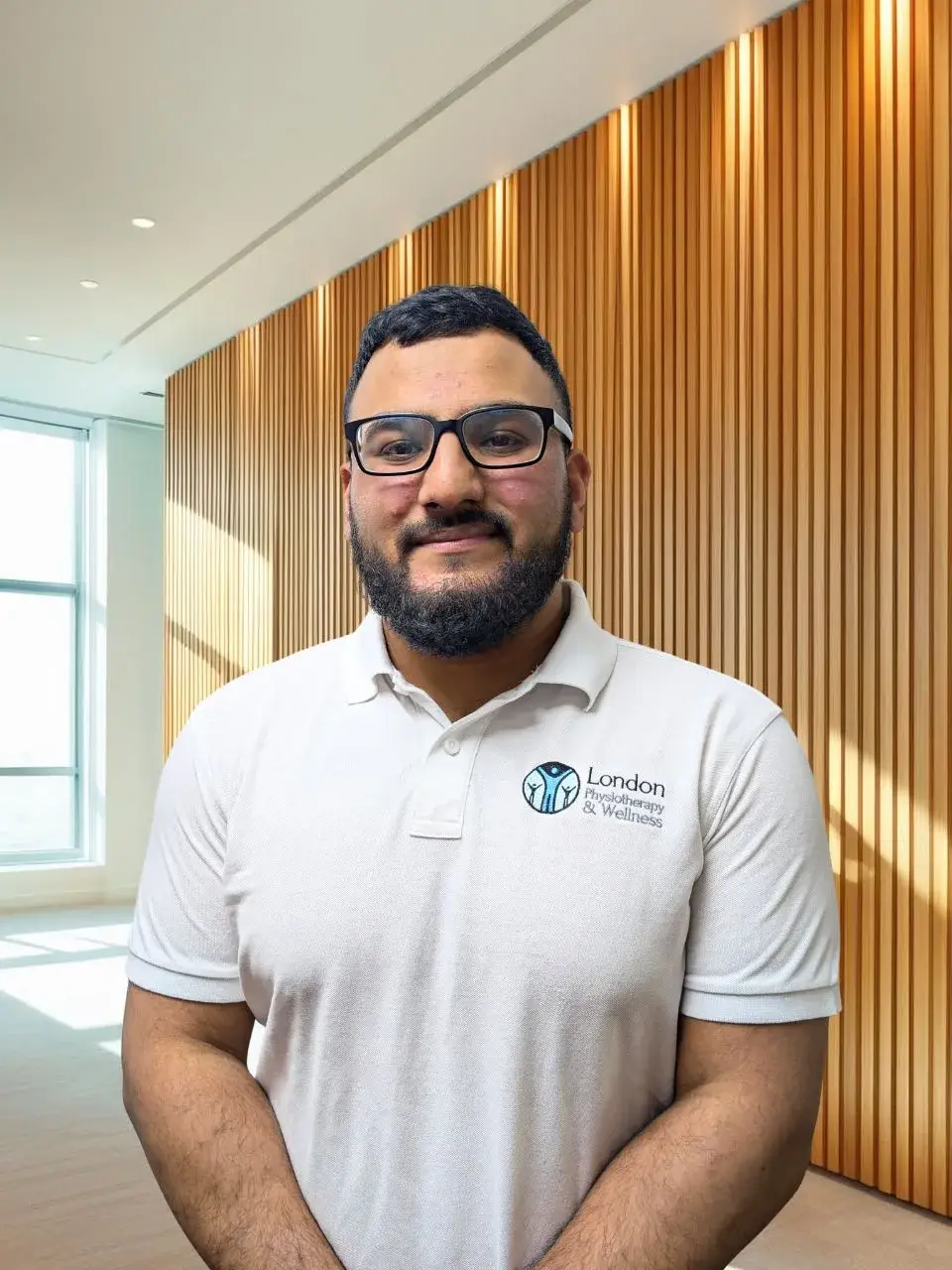
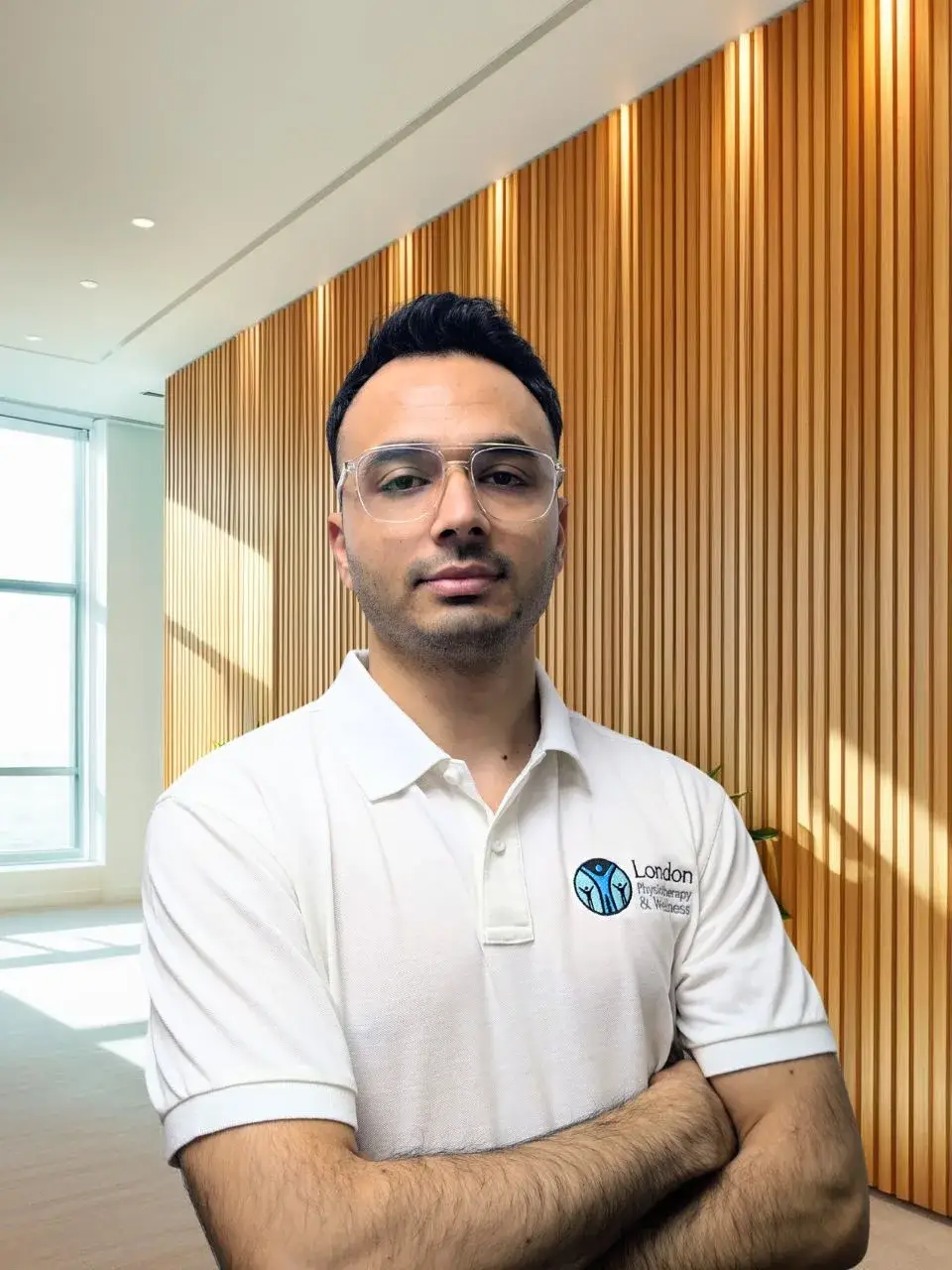
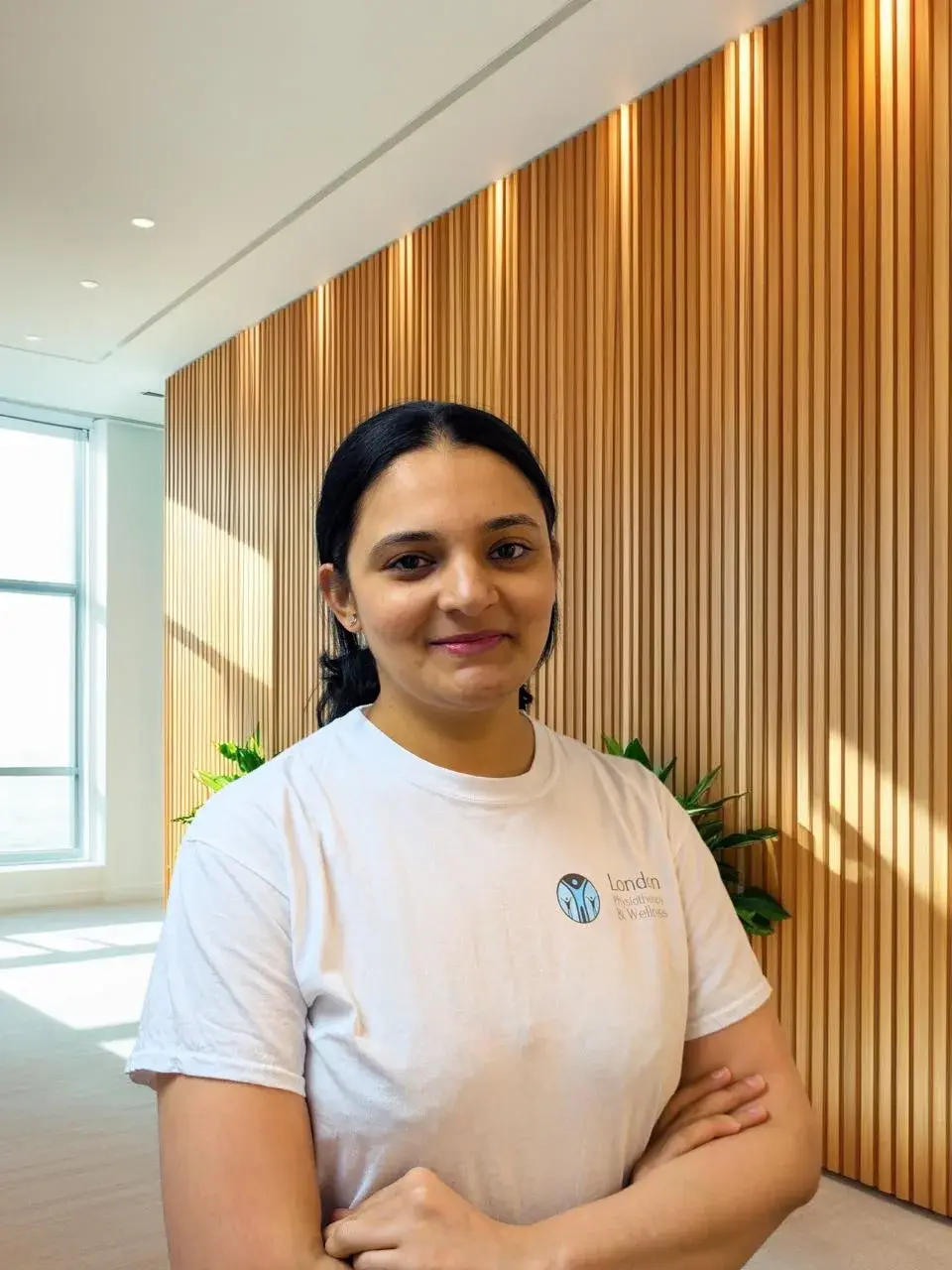
LPAW’s clinical team includes 19 practitioners, many holding postgraduate qualifications from UCL, King’s College London, and Guy’s and St Thomas’. Lead clinician Mr Arjun Viswanath MSc, MCSP, MPPA – Co-Founder and Consultant Physiotherapist – brings 25+ years of NHS and private experience including BMI London Independent Hospital and Harley Street.

Every clinician joining LPAW completes a mandatory intensive shadowing placement with our Consultant Physiotherapist before seeing patients independently. This is not a standard practice at most clinics – it’s our way of maintaining clinical consistency across the team.

How LPAW Treats Hip Pain

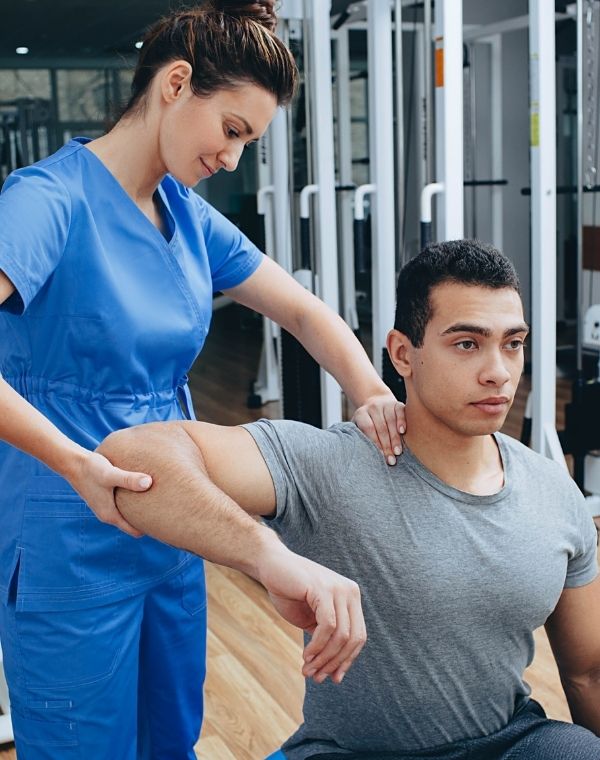
Physiotherapy
  • Manual therapy — joint mobilisation and soft tissue techniques to reduce pain and restore movement
  • Exercise prescription — targeted to address identified muscle imbalances (typically weak deep stabilisers, gluteals, and hip extensors; tight hip flexors and hamstrings)
  • Education — understanding the nature of back pain, its natural history, and activity modification
  • Postural and ergonomic guidance

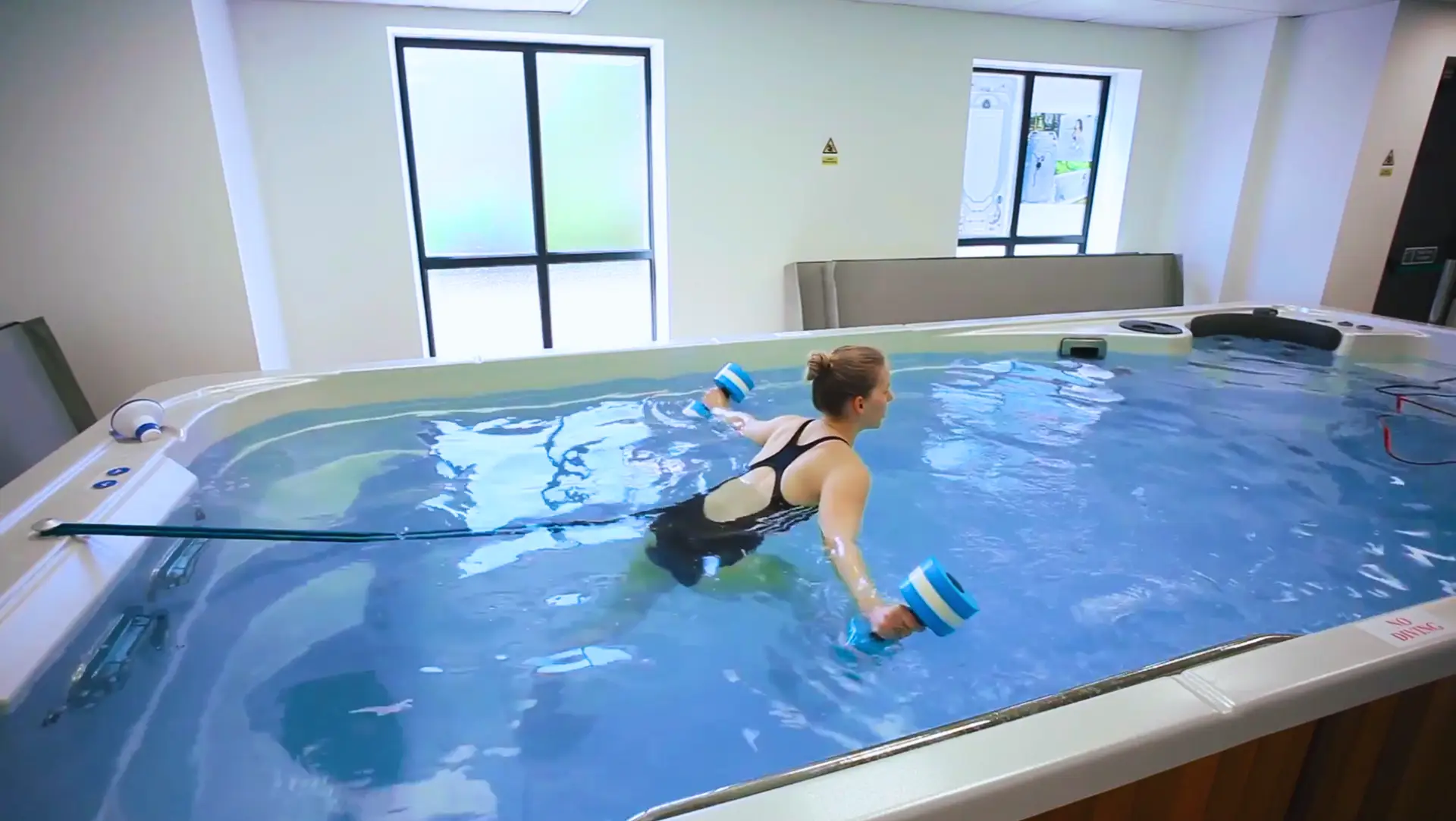
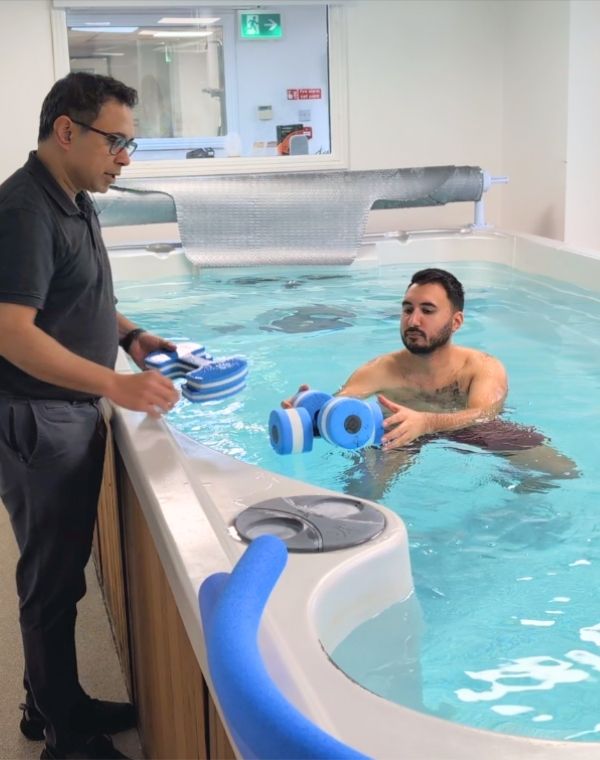
LPAW’s hydrotherapy pool — heated to 36°C — is invaluable for patients where back pain is severe enough to limit land-based exercise. The combination of buoyancy (reducing load on the spine) and warmth (reducing muscle spasm and improving circulation) allows movement and neural mobilisation exercises that are impossible or too painful on land. Hydrotherapy is particularly effective as an adjunct to Med-X rehabilitation for chronic back pain.

These are “red flags” that must be ruled out before physiotherapy treatment. Our physiotherapists conduct a full red flag screen at every initial assessment.

Shockwave therapy may be used for specific presentations of chronic back pain — particularly those involving myofascial trigger points or thoracolumbar fascial pain — though it is not the primary treatment for most back pain presentations.

How LPAW Treats Hip Pain

Most back pain is benign and responds to physiotherapy. However, certain features require urgent medical assessment. Seek immediate medical attention if you experience:

  • Manual therapy — joint mobilisation and soft tissue techniques to reduce pain and restore movement
  • Exercise prescription — targeted to address identified muscle imbalances (typically weak deep stabilisers, gluteals, and hip extensors; tight hip flexors and hamstrings)
  • Education — understanding the nature of back pain, its natural history, and activity modification
  • Postural and ergonomic guidance

LPAW’s hydrotherapy pool — heated to 36°C — is invaluable for patients where back pain is severe enough to limit land-based exercise. The combination of buoyancy (reducing load on the spine) and warmth (reducing muscle spasm and improving circulation) allows movement and neural mobilisation exercises that are impossible or too painful on land. Hydrotherapy is particularly effective as an adjunct to Med-X rehabilitation for chronic back pain.

Shockwave therapy may be used for specific presentations of chronic back pain — particularly those involving myofascial trigger points or thoracolumbar fascial pain — though it is not the primary treatment for most back pain presentations.

What Our Patients Say

From the moment I walked into this clinic, I knew everything was going to be okay. After seeing many physios, Priyanka, the pelvic specialist, was the first one to properly diagnose my back injury and choose exercises that were actually right for my condition.

I HIGHLY recommend hydrotherapy. This clinic has truly been life-changing for me. When you live with constant pain, finding real relief is priceless.

Thank you for the care, professionalism, and for giving me hope again ❤️
Molly W. profile picture
Molly W.
1 month ago
We had 6 of their amazing physiotherapist support London’s Air Ambulance Charity’s post-race reception for the 2026 London Marathon. Their communication before and during the event was excellent and all our runners have commented on how much their post-race massage has helped them with their recovery. We hope to work with them again in the future
Percy C. profile picture
Percy C.
2 months ago
Extremely impressed by the service offered. I injured my knee a while ago and they have been amazing in helping me with me recovery. Uzair Ahmed is very knowledgable and I really trust him with my recovery journey. Would highly recommend!
Ziya H. profile picture
Ziya H.
2 months ago
Been coming here for over a year every six weeks. Very professional and friendly at the same time. Can highly recommend. Big shout out to Mohammed and great reception service.
Kevin P. profile picture
Kevin P.
2 months ago
Fantastic treatment available! Enquired at short notice and they had a superfast response, and the treatment was excellent. Thank you!!
James L. profile picture
James L.
2 months ago
The team were highly professional, pleasant and helpful throughout my process of physiotherapy. I highly recommend this therapy clinic!
Em H. profile picture
Em H.
2 months ago
Had a couple of excellent sessions with Priyanka Shah, with really useful exercises and advice. Highly recommend!
Nicola W. profile picture
Nicola W.
3 months ago
Helpful and knowledgeable. Thank you!
Richard T. profile picture
Richard T.
3 months ago
I suffer with lower back disc bulges pinching my muscles and severely limiting my mobility, stability, and indeed causing agonising pain at the worst of times. I received a kind, patient and conscientious home visit at first before being invited to hydrotherapy at the clinic. 2 sessions in and I'm loving it so much, I'm determined to get one of these pools for myself later on in life. Couldn't recommend them highly enough.
Chris C. profile picture
Chris C.
3 months ago
Miracle workers!! Great gym rehab facilities patience to really understand the problem. Would highly recommend for anyone with chronic neck or back pain who are prepared to do some work on themselves.
Arif H. profile picture
Arif H.
3 months ago
Have been attending sessions for Physiotherapy here twice a week for many weeks now. Everyone is very patient and understanding. My treatment is going exceptionally well so far and Im already seeing massive progress from before my first ever session.
Would definitely recommend this clinic for anyone who needs rehabilitation or treatment!
D.Iyalla 1 profile picture
D.Iyalla 1
4 months ago
I’ve been attending London Physiotherapy And Wellness Stratford for 3 weeks now and already there are improvements in the areas I had problems with.
The physiotherapist is very knowledgeable and passionate about how he can help to improve & build your strength.
To help you recover is his main focus.
Not only is the physiotherapists customer service is great the admin team is also.
I personally recommend.
Ollie S. profile picture
Ollie S.
4 months ago
I had to visit the clinic for a hip injury I received from running. I started physio with Anup back in November and started with hydrotherapy, moving into physio in the new year. I've had a great experience with Anup and now I'm well on the road to recovery, I've started running again and I know what strength workouts I should be doing to keep up my recovery. So glad I found Anup and the clinic and would recommend them to anyone who has an injury!
无颜Music profile picture
无颜Music
4 months ago
The location is really convenient for me. The physiotherapist was very knowledgeable. He helped me identified the root cause of my heel pain and provided me with a clear pathway to my recovery.
Will recommend them ????????
Ervis L. profile picture
Ervis L.
6 months ago
I was assisted by Priyanka while recovering from a torn quad, and I couldn’t have asked for a better physiotherapist. She was incredibly supportive during a moment of real vulnerability, and I always felt truly taken care of. Her focus during every session was exceptional she even kept counting my reps to make sure I stayed on track!

Priyanka is a wonderful asset to the team, and I feel very lucky to have had her during my recovery. Highly recommended.
andrea B. profile picture
andrea B.
8 months ago
Best Physio ever. I visited the clinic after I damaged the ACL ligament practicing judo. I was unable to walk, using crutches and couldn't bend the leg. I was initially told by the doctor to wait at least 6/7 months to be fully recovered and the physiotherapy was the only way to get better. Thanks to the skilled clinic and very professional physiotherapist, they managed to get me back on trainings after 3/4 months only having now a stronger knee than before. I was assisted my Mohammed N R and his job was beyond the expectations. They have specific equipment to practice a high variety of exercises and furthermore they are super friendly and easy reachable by email or phone for last minute doubts. I cannot thank more for the assistance received for a faster recovery they granted me. I fully recommend them.

Ready to bounce back better?

Frequently Asked Questions

The term “hip bursitis” has largely been replaced by “greater trochanteric pain syndrome” in current clinical guidelines. While the bursa over the greater trochanter can be inflamed, imaging studies show that tendinopathy of the gluteal tendons is the primary pathology in most cases. This is an important distinction because the treatment is different — loading rehabilitation (physiotherapy and progressive strengthening) rather than repeated injection.
Yes. Exercise and physiotherapy should be first-line treatment for hip OA regardless of severity. Even patients awaiting joint replacement benefit from prehabilitation — patients with better pre-operative muscle strength and fitness have consistently better post-operative outcomes. See our [Hip & Knee Replacements] page.
Femoroacetabular impingement is an anatomical abnormality in which the femoral head or acetabulum has an abnormal shape, causing impingement of the labrum during hip movement. Not all FAI requires surgery. Many patients manage their symptoms effectively with physiotherapy — particularly hip strengthening and movement pattern modification. Surgery (hip arthroscopy) is indicated when conservative management fails, and outcomes are good when patient selection is appropriate.
It may be either, or both. Hip OA commonly refers pain to the anterior thigh and knee. Lumbar nerve root pathology (particularly L2–L4) refers into the hip, groin, and anterior thigh. Distinguishing between these requires a physical examination that assesses both the hip and lumbar spine — which is standard at LPAW. Many patients are treated for one when the other is the true source.
Yes — with appropriate guidance. Not all labral tears require surgery, and physiotherapy with specific exercise to optimise hip mechanics and reduce impingement forces can allow full activity for many patients. Your physiotherapist will identify the movements that provoke impingement and modify your exercise programme accordingly.
Location of pain is the best initial clue: groin pain is more suggestive of hip joint pathology (OA, FAI, labral tear); lateral hip pain of GTPS; posterior hip and buttock pain of sacroiliac or piriformis-related issues. Clinical examination, including specific provocation tests, narrows this further. Imaging (X-ray for joint space and bony morphology; MRI for soft tissue) is used where clinical assessment leaves diagnosis uncertain.

Recovery

Recovery Timeline
  • GTPS / gluteal tendinopathy: 3–6 months of structured loading rehabilitation
  • Hip osteoarthritis: Long-term condition management, but most patients achieve meaningful improvement in pain and function within 8–16 weeks of structured physiotherapy
  • FAI (conservative): 3–6 months, with surgical consultation if conservative management is unsuccessful
  • Hip labral tear (conservative): 3–6 months, with arthroscopic surgical options if symptoms persist
  • Post-surgical hip replacement: Typically 3–6 months for functional independence, and 6–12 months for full recovery
  • Keep moving
    For hip OA and GTPS, rest alone does not improve outcomes. Daily low-impact activity such as walking, cycling, swimming, or hydrotherapy helps maintain function and reduce pain.
  • GTPS: avoid provocative positions
    Crossing legs, sitting with the hip dropped out to one side, or standing with weight mainly on one leg can compress and overload the gluteal tendons. These positions should be modified during rehabilitation.
  • Strengthen your gluteals
    Exercises such as side-lying hip abduction, clamshells, and bridges form the foundation of rehabilitation for GTPS and hip OA. Progression should be guided by a physiotherapist.
  • Address body weight
    Body weight significantly affects hip joint loading. Even small reductions in weight can meaningfully reduce joint stress during walking.
  • Footwear and surfaces
    Supportive footwear and avoiding prolonged standing on hard surfaces can help reduce overall hip loading

Recovery

  • GTPS / gluteal tendinopathy: 3–6 months of structured loading rehabilitation
  • Hip osteoarthritis: Long-term condition management, but most patients achieve meaningful improvement in pain and function within 8–16 weeks of structured physiotherapy
  • FAI (conservative): 3–6 months, with surgical consultation if conservative management is unsuccessful
  • Hip labral tear (conservative): 3–6 months, with arthroscopic surgical options if symptoms persist
  • Post-surgical hip replacement: Typically 3–6 months for functional independence, and 6–12 months for full recovery
  • Keep moving
    For hip OA and GTPS, rest alone does not improve outcomes. Daily low-impact activity such as walking, cycling, swimming, or hydrotherapy helps maintain function and reduce pain.
  • GTPS: avoid provocative positions
    Crossing legs, sitting with the hip dropped out to one side, or standing with weight mainly on one leg can compress and overload the gluteal tendons. These positions should be modified during rehabilitation.
  • Strengthen your gluteals
    Exercises such as side-lying hip abduction, clamshells, and bridges form the foundation of rehabilitation for GTPS and hip OA. Progression should be guided by a physiotherapist.
  • Address body weight
    Body weight significantly affects hip joint loading. Even small reductions in weight can meaningfully reduce joint stress during walking.
  • Footwear and surfaces
    Supportive footwear and avoiding prolonged standing on hard surfaces can help reduce overall hip loading

What We Do

Start your journey to
better health

See all

Not sure what to book?