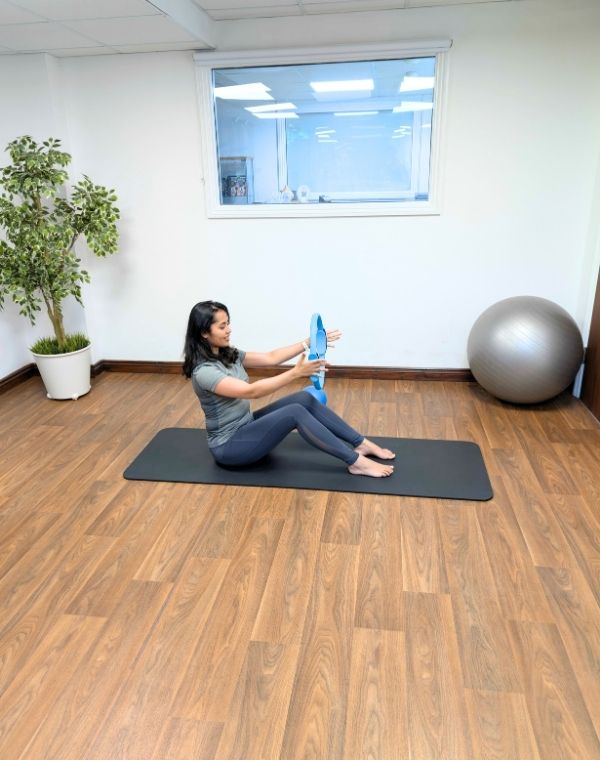




The main LPAW clinic is in Bow, E3, London, right next to The Bow Quarter. This bright and spacious clinic offers 4 treatment rooms, 2 changing rooms with showers, a large rehab gym, & onsite hydrotherapy in our 17 foot pool.
The LPAW satellite clinic is based in Stratford East Village where we run a thriving sports rehab offering.
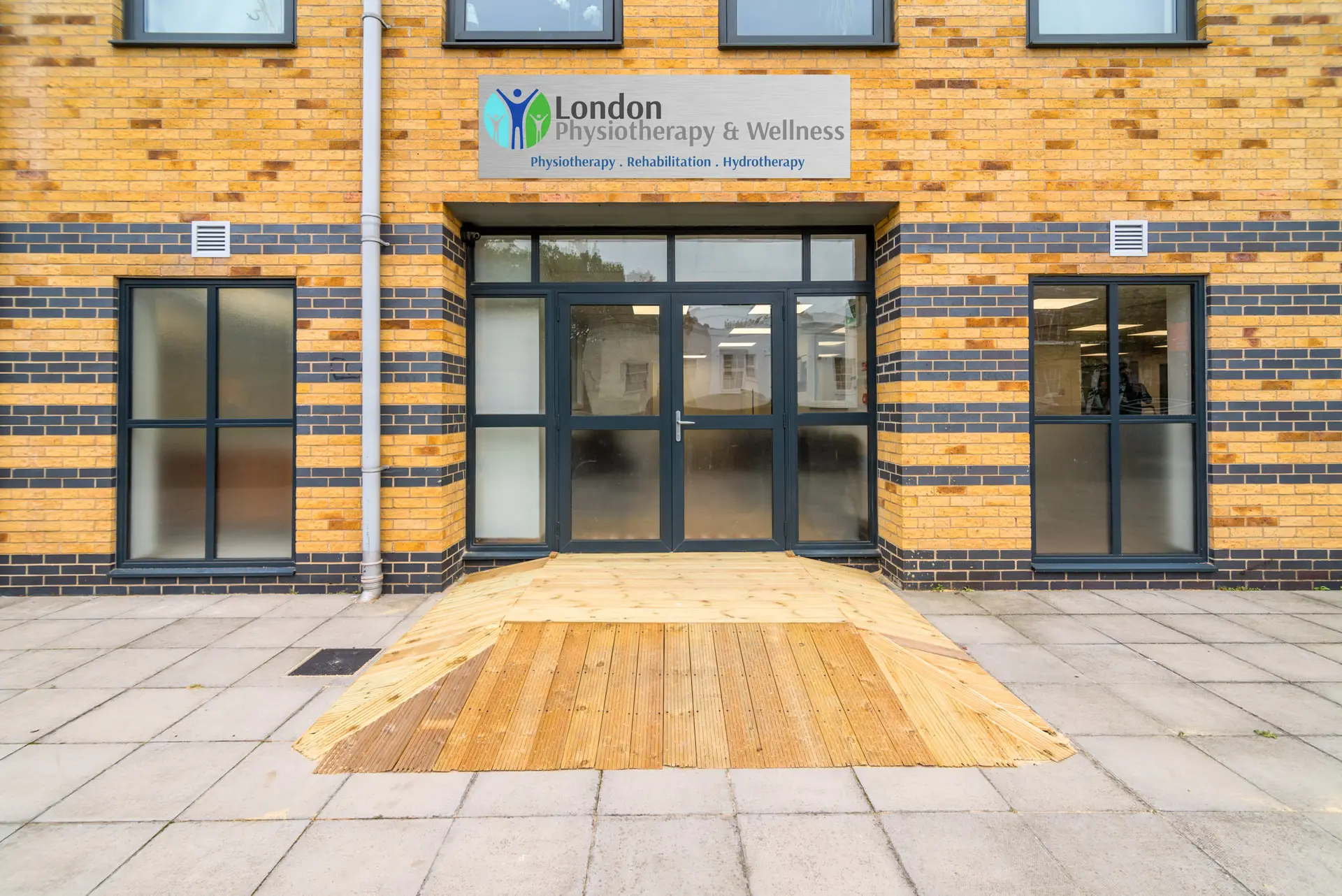
The main LPAW clinic is in Bow, E3, London, right next to The Bow Quarter. This bright and spacious clinic offers 4 treatment rooms, 2 changing rooms with showers, a large rehab gym, & onsite hydrotherapy in our 17 foot pool.
The LPAW satellite clinic is based in Stratford East Village where we run a thriving sports rehab offering.
The knee joint is formed by the femur (thigh bone), tibia (shin bone), and patella (kneecap). The joint surfaces are covered in articular cartilage and separated by two C-shaped cartilage pads called the menisci. Four main ligaments provide stability: the anterior cruciate ligament (ACL), posterior cruciate ligament (PCL), medial collateral ligament (MCL), and lateral collateral ligament (LCL). The patella sits in a groove on the femur (trochlear groove) and is stabilised by the quadriceps tendon above and the patellar tendon below.
Common causes of knee pain
Seek prompt medical assessment if:
Significant acute injury with immediate swelling (haemarthrosis): May suggest an ACL tear, meniscus tear, or fracture and often requires imaging.
Locked knee: Inability to fully extend the knee may indicate a displaced meniscus tear or loose body and requires urgent orthopaedic assessment.
Hot, red, swollen knee with fever: May indicate septic arthritis and requires same-day emergency assessment.
Unexplained knee swelling without a clear injury: In adults, this may suggest inflammatory arthritis, crystal arthropathy (such as gout), or another systemic cause.
Severe pain after minor trauma in an older adult with osteoporosis: May indicate a fracture.
The knee joint is formed by the femur (thigh bone), tibia (shin bone), and patella (kneecap). The joint surfaces are covered in articular cartilage and separated by two C-shaped cartilage pads called the menisci. Four main ligaments provide stability: the anterior cruciate ligament (ACL), posterior cruciate ligament (PCL), medial collateral ligament (MCL), and lateral collateral ligament (LCL). The patella sits in a groove on the femur (trochlear groove) and is stabilised by the quadriceps tendon above and the patellar tendon below.
Common causes of knee pain
Seek prompt medical assessment if:
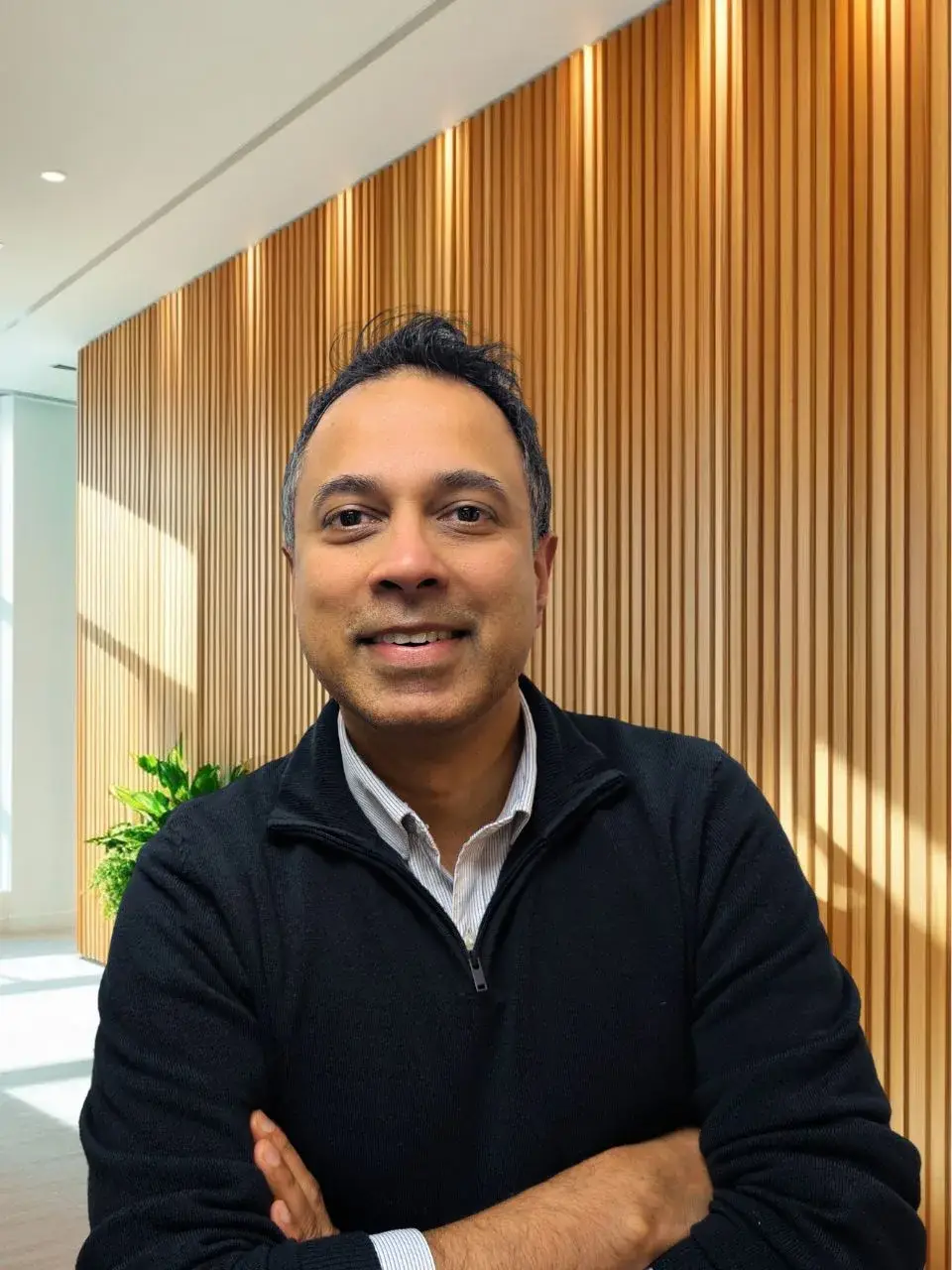
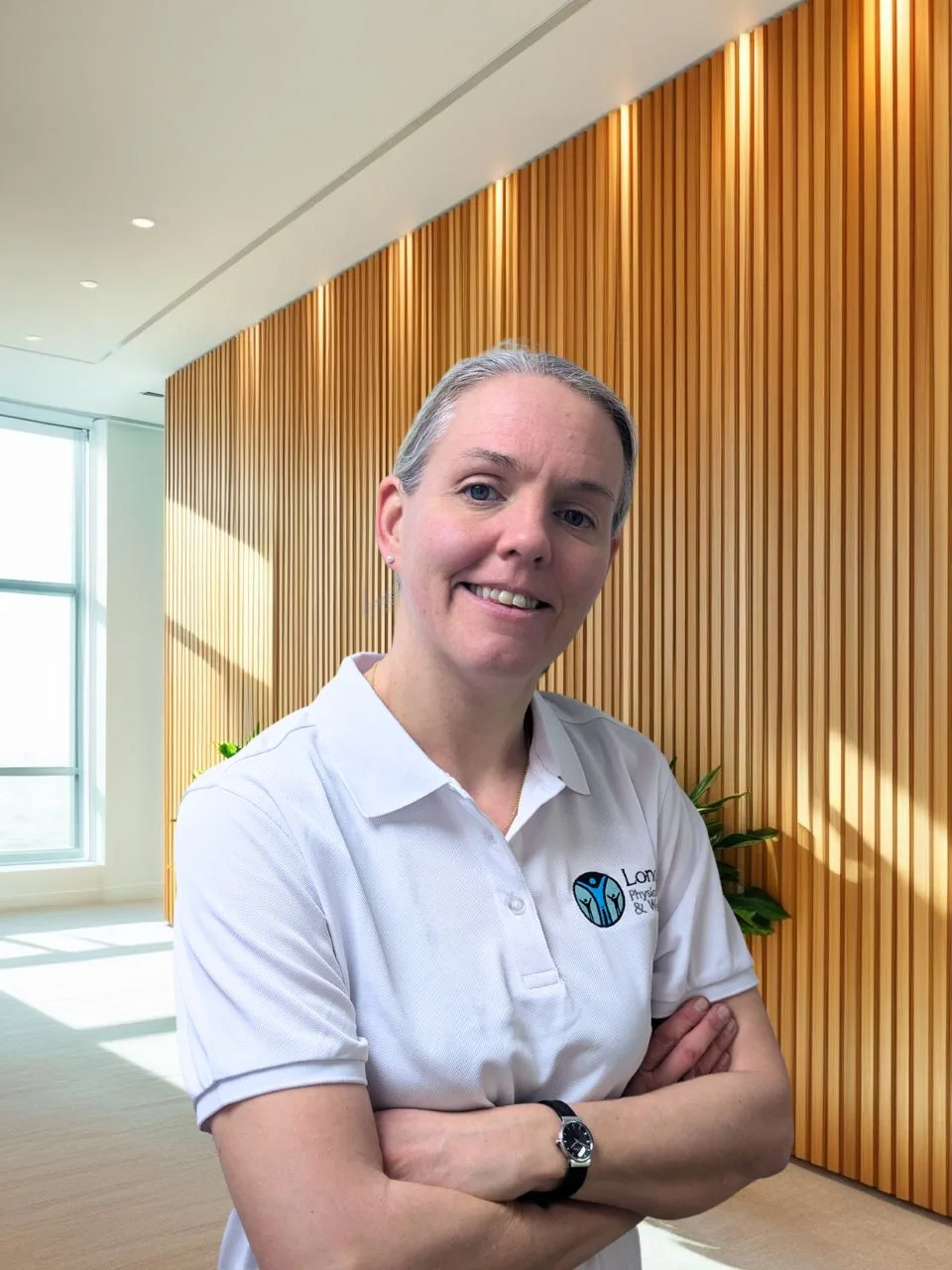
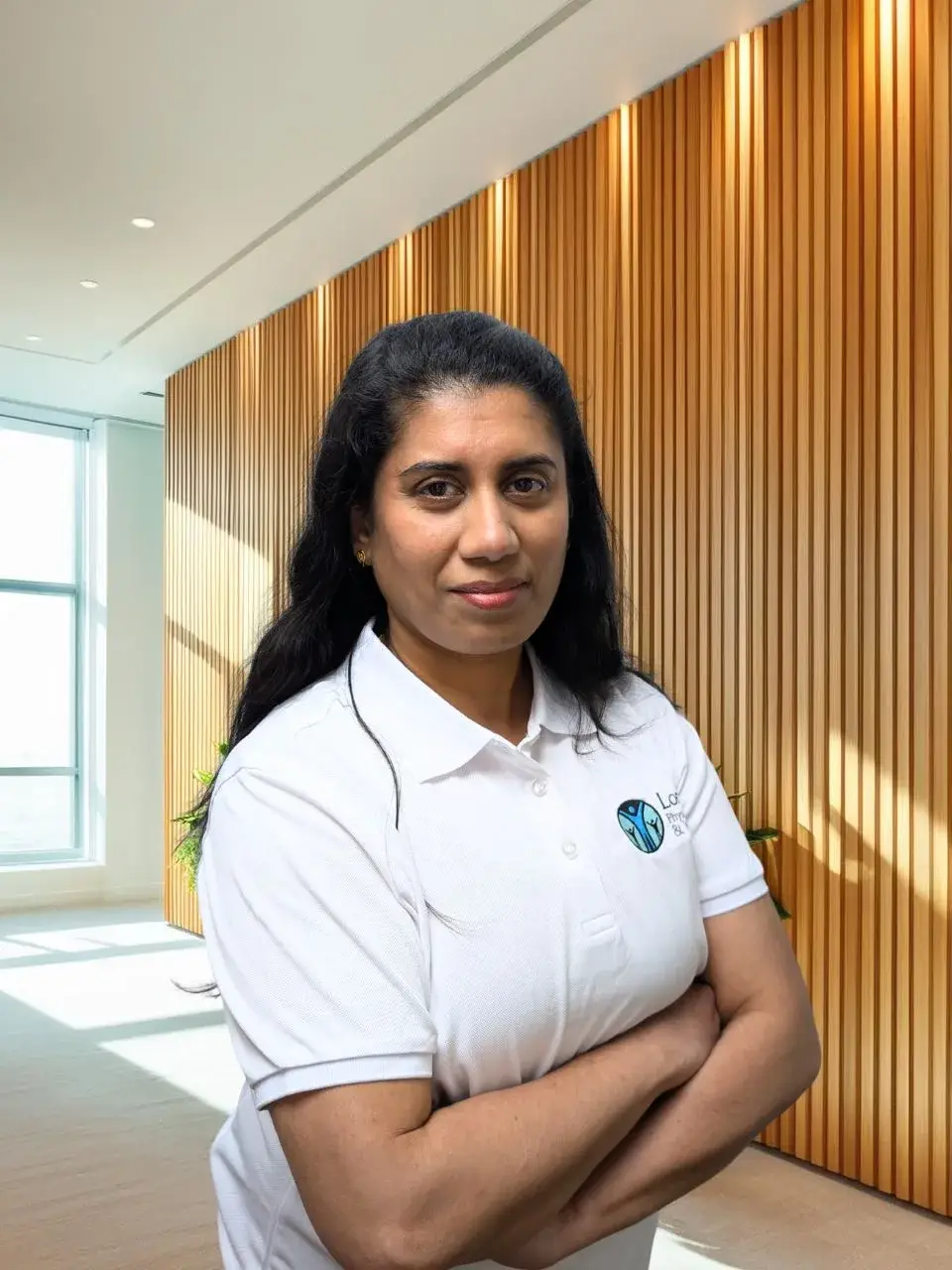
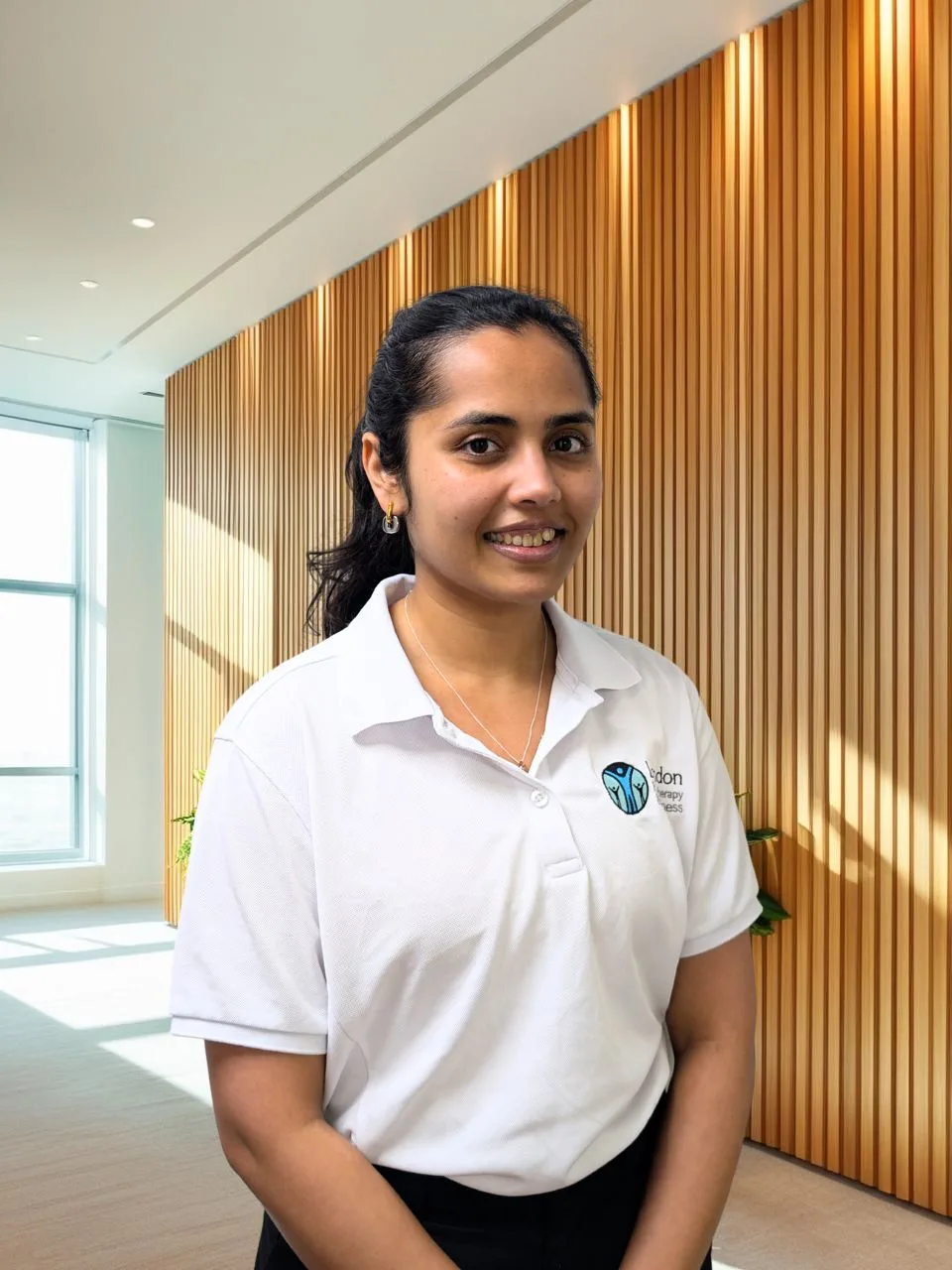
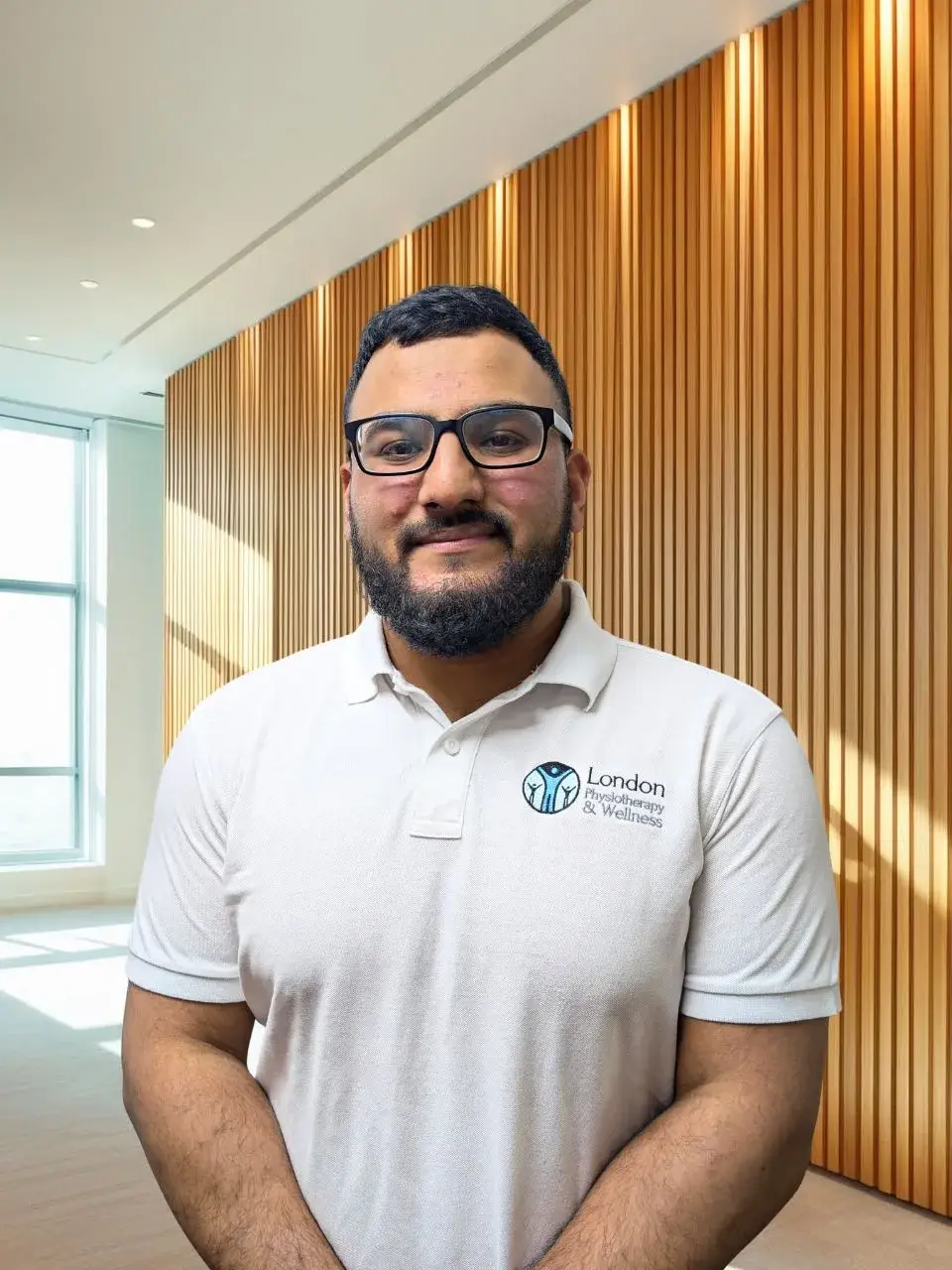
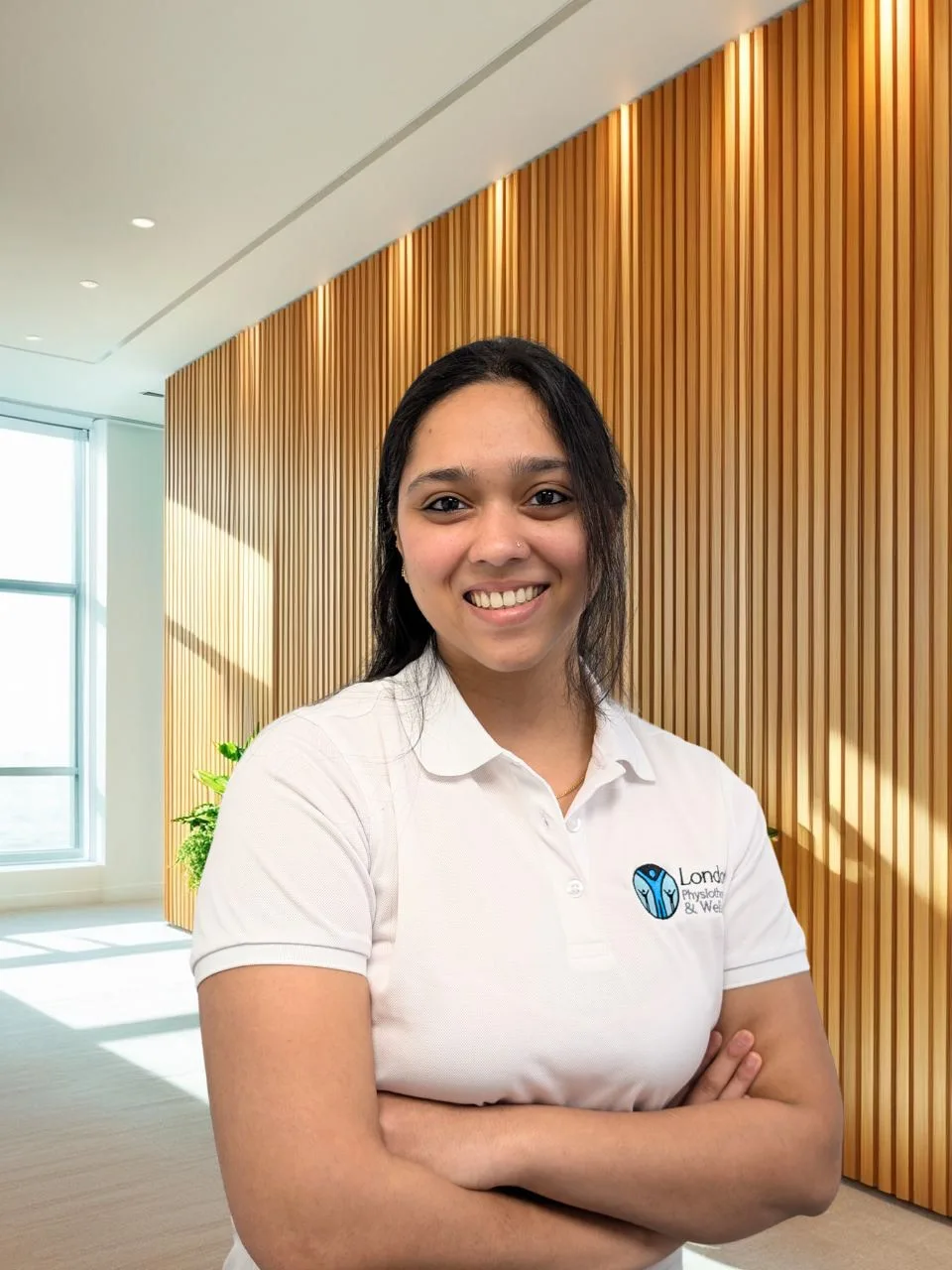
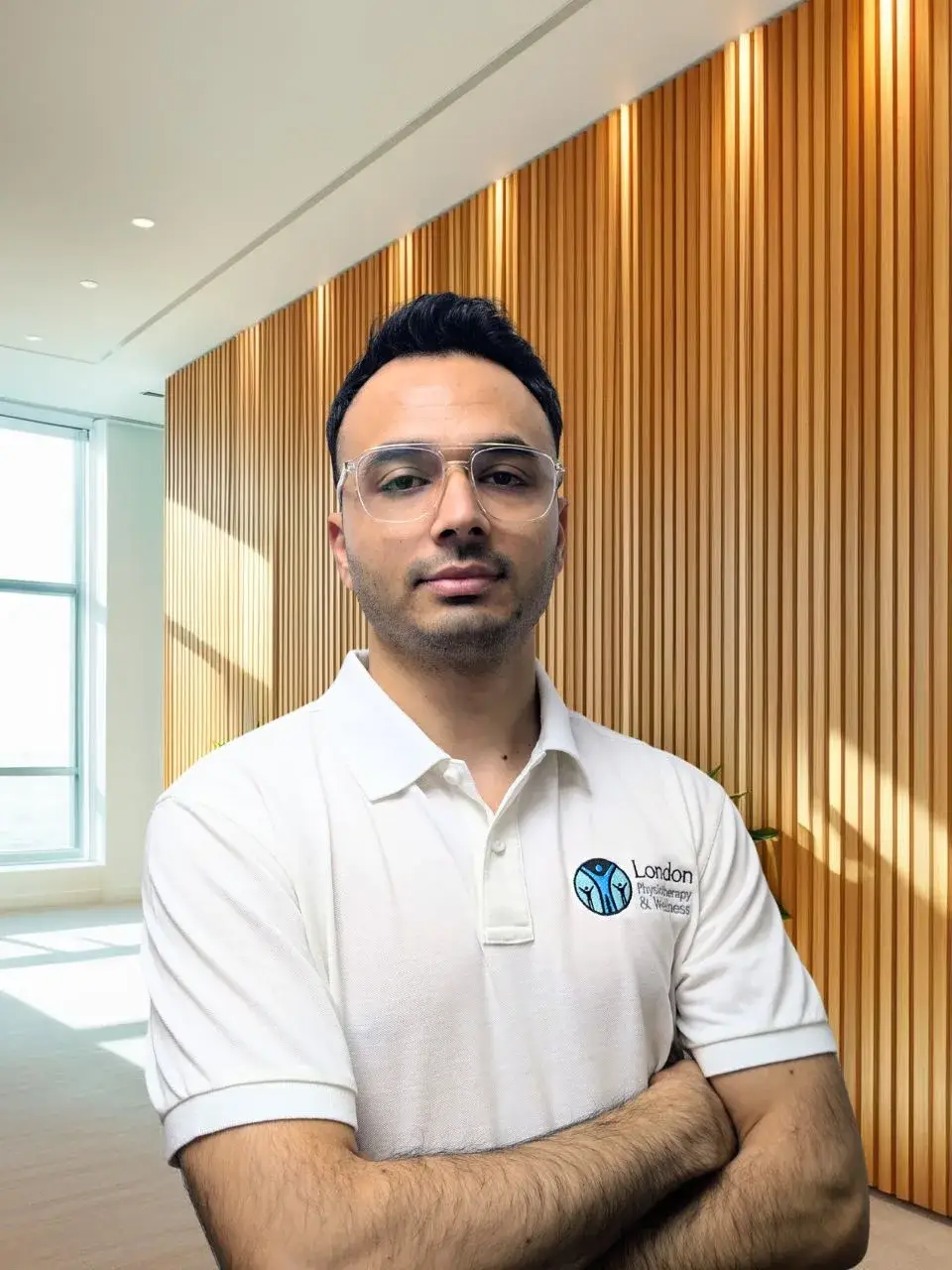
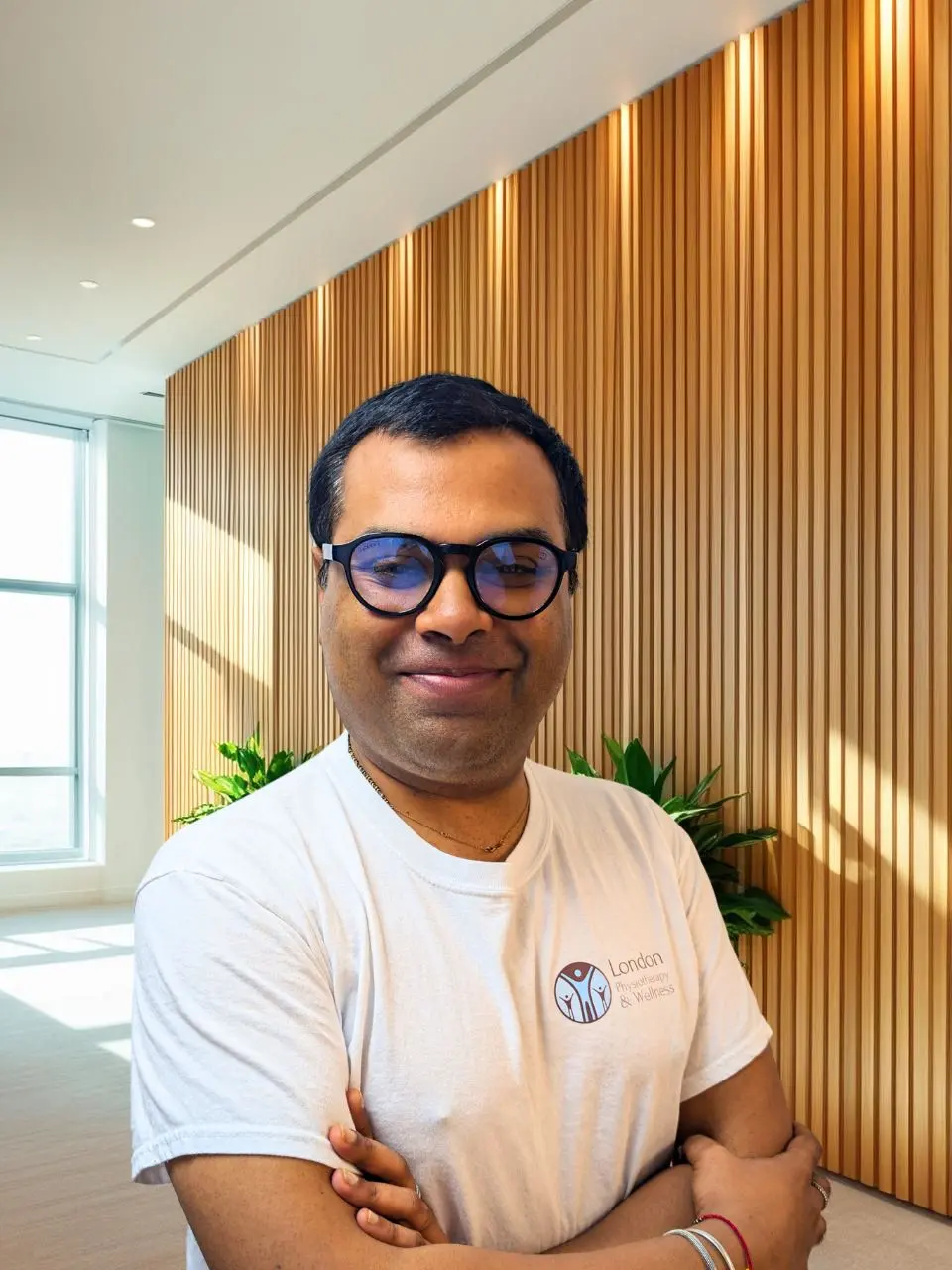
LPAW’s clinical team includes 19 practitioners, many holding postgraduate qualifications from UCL, King’s College London, and Guy’s and St Thomas’. Lead clinician Mr Arjun Viswanath MSc, MCSP, MPPA – Co-Founder and Consultant Physiotherapist – brings 25+ years of NHS and private experience including BMI London Independent Hospital and Harley Street.
Every clinician joining LPAW completes a mandatory intensive shadowing placement with our Consultant Physiotherapist before seeing patients independently. This is not a standard practice at most clinics – it’s our way of maintaining clinical consistency across the team.
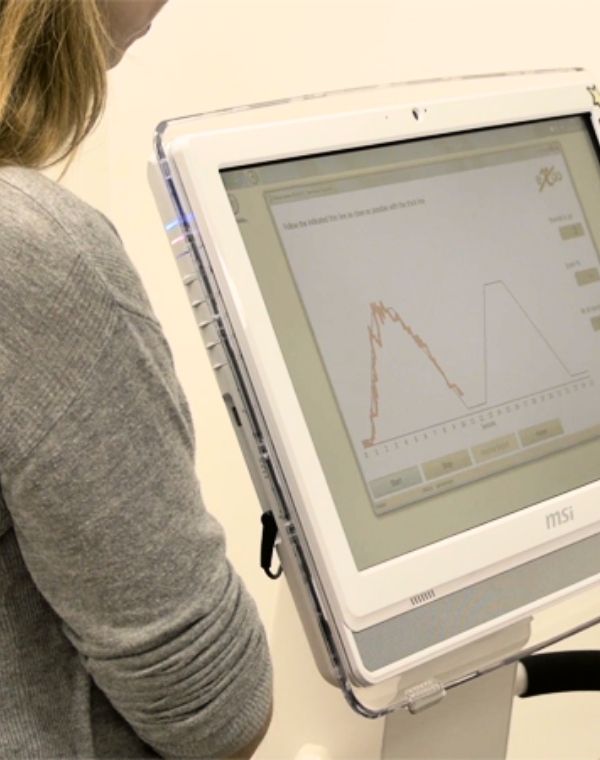
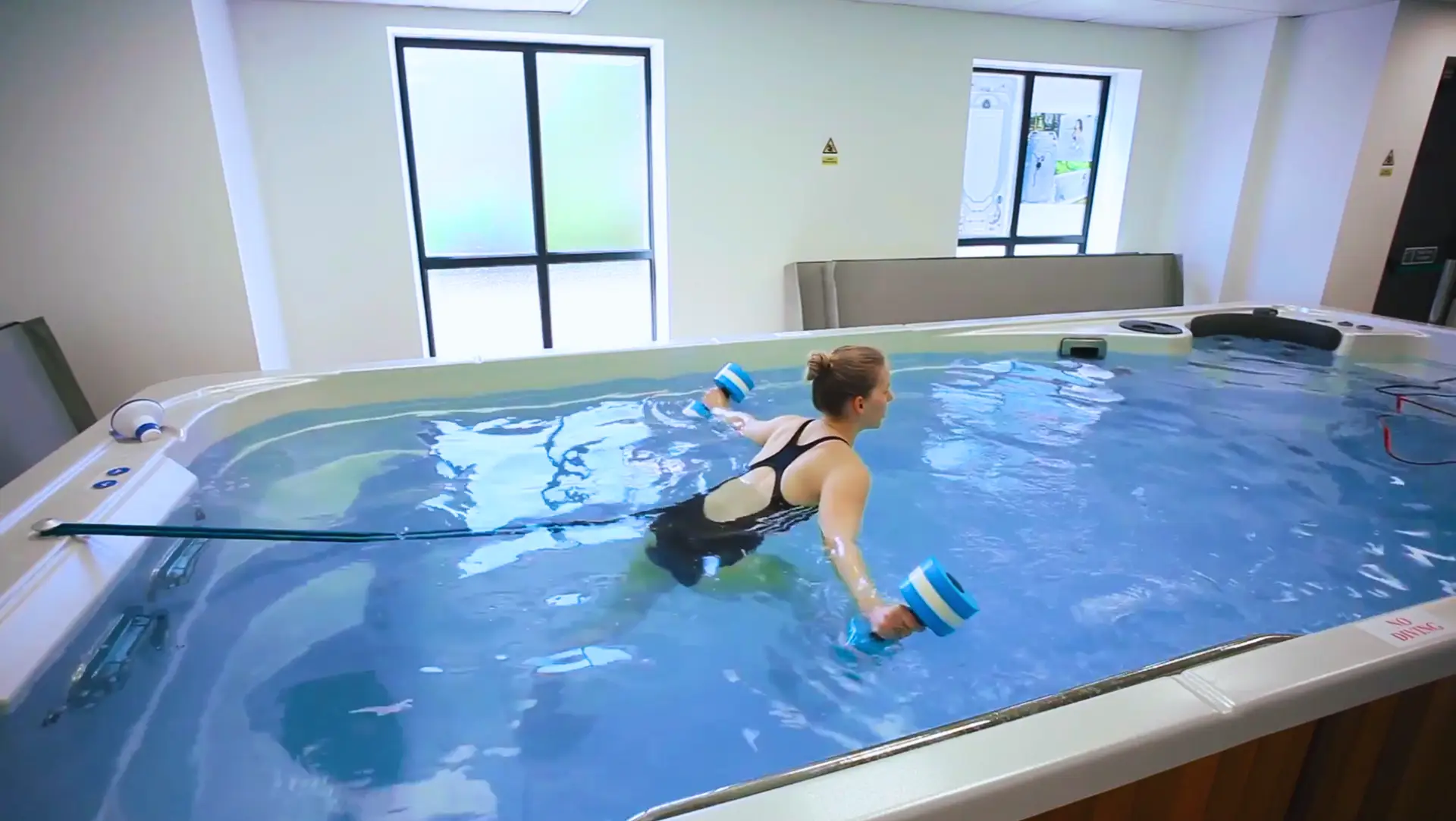
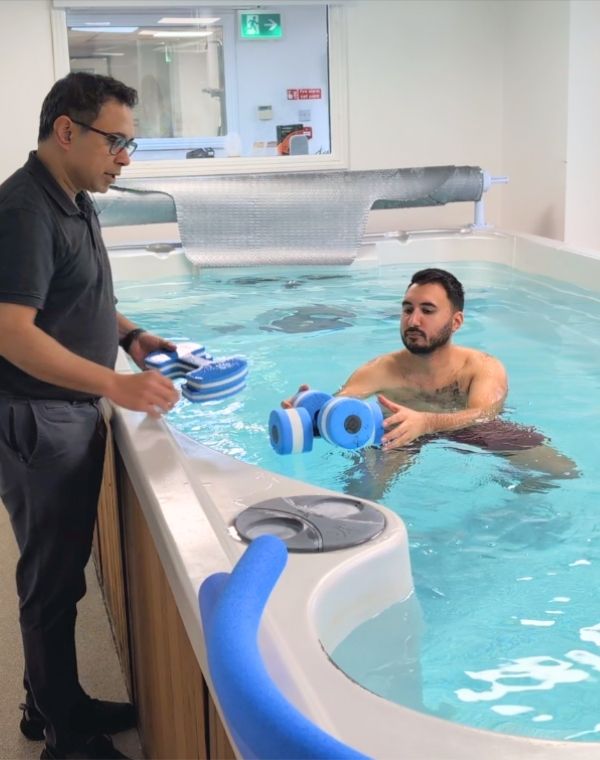
LPAW’s hydrotherapy pool — heated to 36°C — is invaluable for patients where back pain is severe enough to limit land-based exercise. The combination of buoyancy (reducing load on the spine) and warmth (reducing muscle spasm and improving circulation) allows movement and neural mobilisation exercises that are impossible or too painful on land. Hydrotherapy is particularly effective as an adjunct to Med-X rehabilitation for chronic back pain.
Most back pain is benign and responds to physiotherapy. However, certain features require urgent medical assessment. Seek immediate medical attention if you experience:
LPAW’s hydrotherapy pool — heated to 36°C — is invaluable for patients where back pain is severe enough to limit land-based exercise. The combination of buoyancy (reducing load on the spine) and warmth (reducing muscle spasm and improving circulation) allows movement and neural mobilisation exercises that are impossible or too painful on land. Hydrotherapy is particularly effective as an adjunct to Med-X rehabilitation for chronic back pain.


IT band syndrome: Typically improves within 6–12 weeks with appropriate load management and hip strengthening.
Patellofemoral pain: Recovery commonly takes around 8–12 weeks.
Meniscus tear (conservative management): Minor tears may improve within 6–12 weeks, while more significant tears can take 3–6 months.
Knee osteoarthritis: A long-term condition that is managed rather than cured. Most patients achieve meaningful pain reduction and improved function within 8–16 weeks of physiotherapy.
Post-ACL reconstruction: Return to sport-level activity usually takes 9–12 months.
Post-knee replacement: Functional independence is commonly regained within 3–6 months, with full recovery taking 6–12 months.
Stay active: For osteoarthritis and most knee conditions, prolonged rest often worsens outcomes. Daily low-impact activities such as walking, cycling, or swimming help maintain joint health.
Strengthen your quadriceps: Quadriceps strength is one of the most important factors in managing knee osteoarthritis and patellofemoral pain. Seated knee extensions, wall sits, and terminal knee extensions are effective starting exercises.
Use ice or heat appropriately: Ice is most helpful for acute injuries with swelling during the first 48–72 hours. For chronic conditions such as osteoarthritis or tendinopathy, heat before activity is often more beneficial.
Review your footwear: Worn or unsupportive footwear can increase loading through the knee joint. Motion-control footwear or insoles may help people with significant foot pronation.
Manage body weight: Each kilogram of body weight adds approximately 3–5 kg of force through the knee during walking. Weight management is one of the most effective long-term strategies for managing knee osteoarthritis.
IT band syndrome: Typically improves within 6–12 weeks with appropriate load management and hip strengthening.
Patellofemoral pain: Recovery commonly takes around 8–12 weeks.
Meniscus tear (conservative management): Minor tears may improve within 6–12 weeks, while more significant tears can take 3–6 months.
Knee osteoarthritis: A long-term condition that is managed rather than cured. Most patients achieve meaningful pain reduction and improved function within 8–16 weeks of physiotherapy.
Post-ACL reconstruction: Return to sport-level activity usually takes 9–12 months.
Post-knee replacement: Functional independence is commonly regained within 3–6 months, with full recovery taking 6–12 months.
What We Do