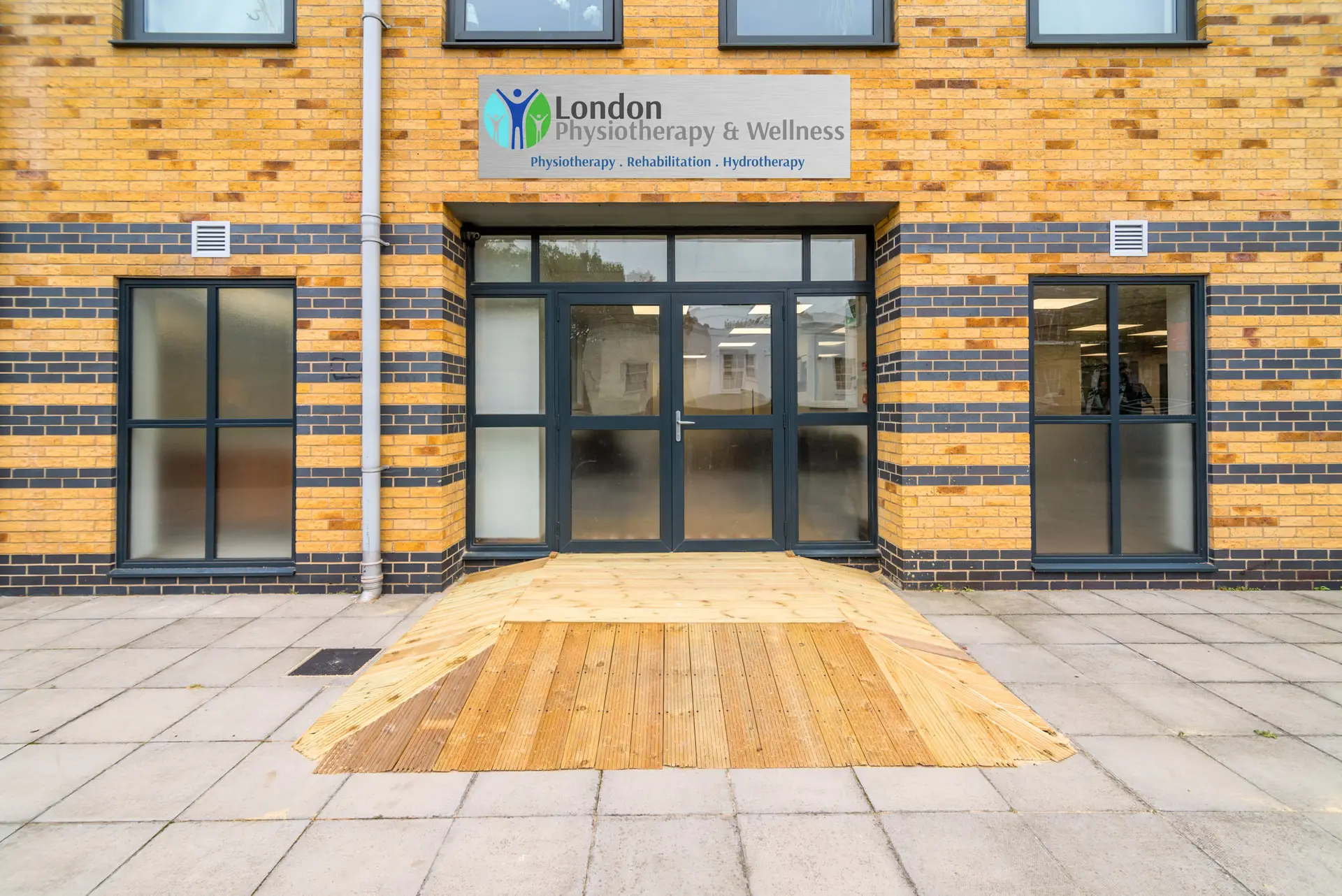
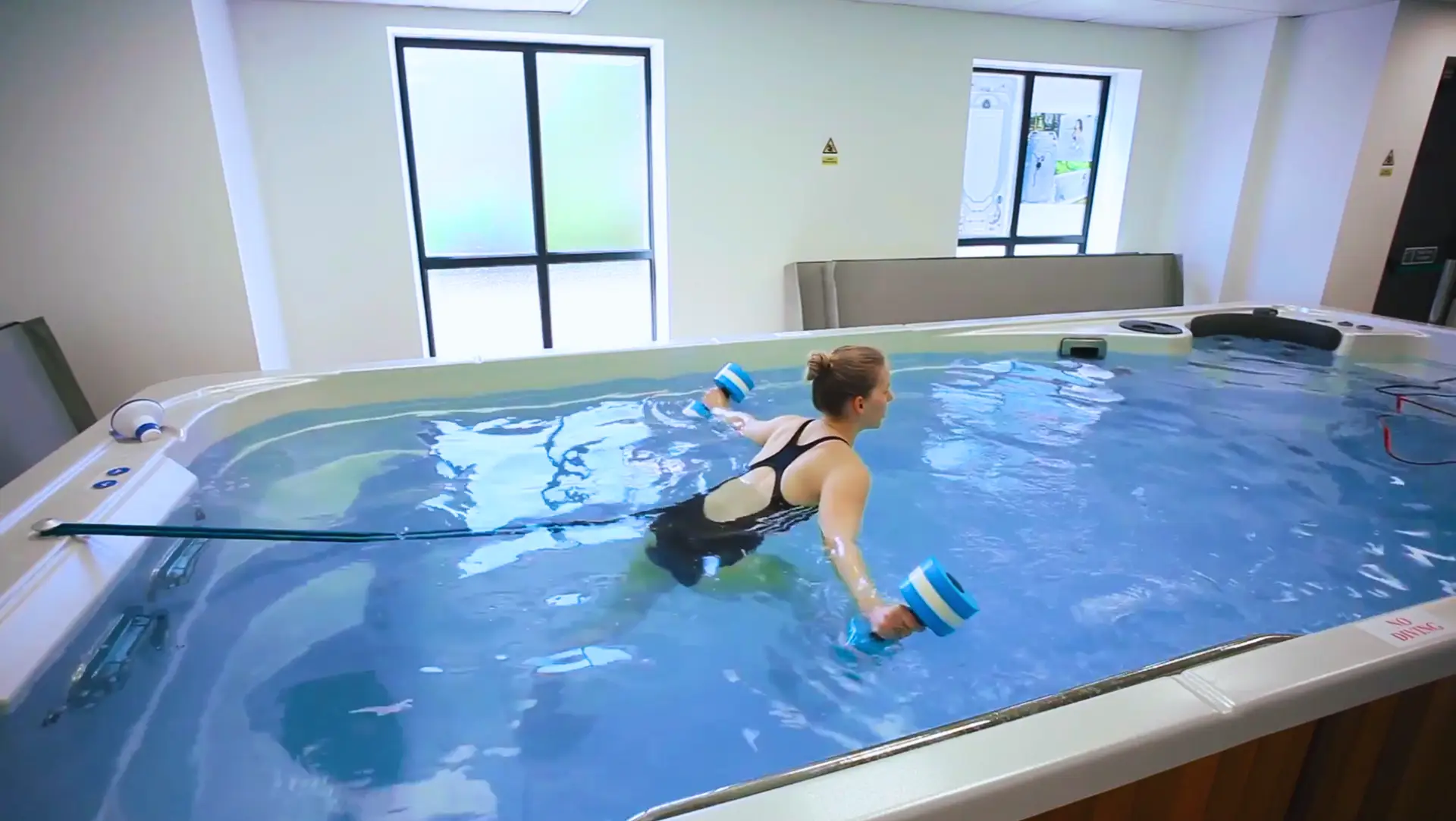
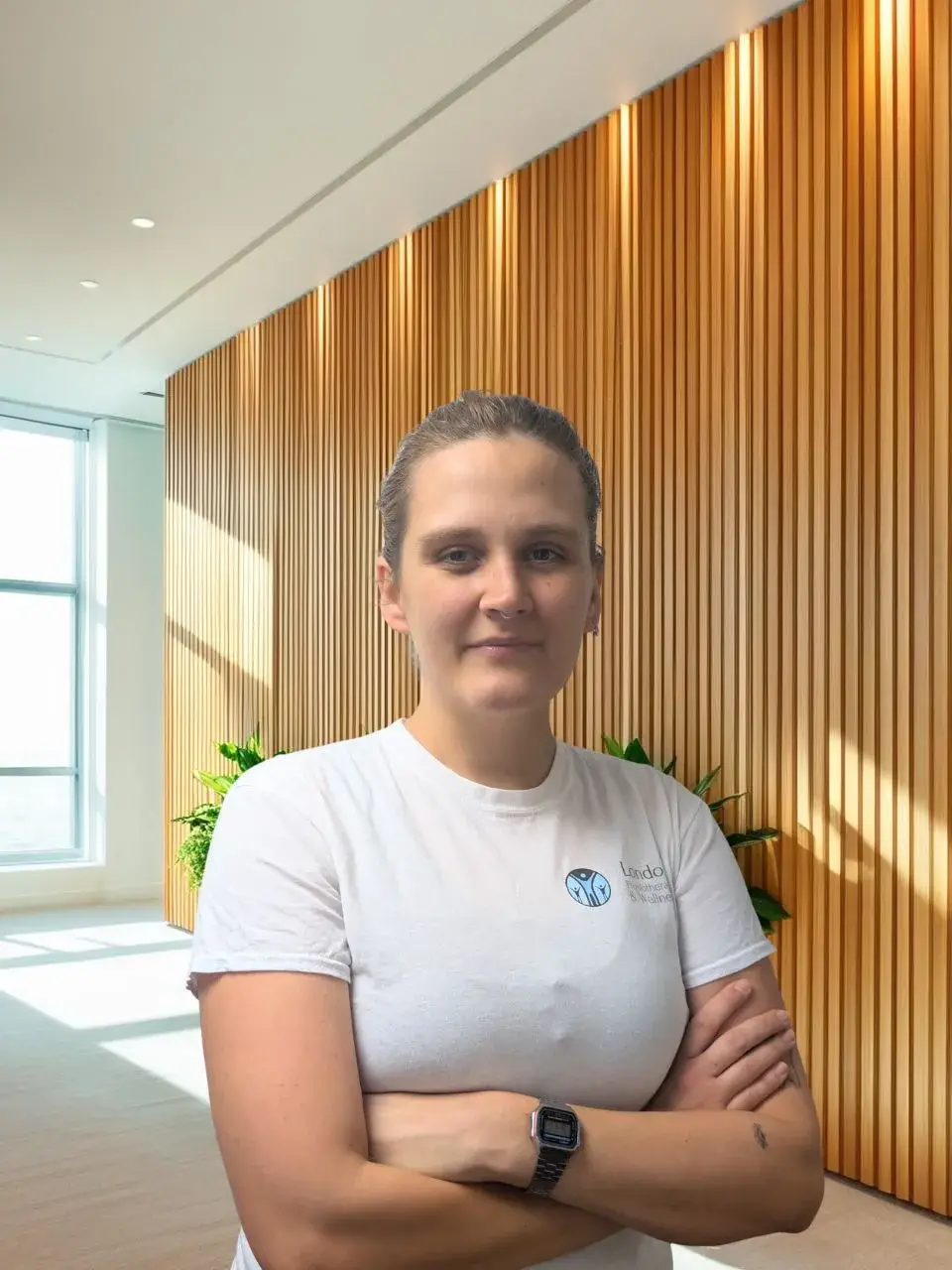
The main LPAW clinic is in Bow, E3, London, right next to The Bow Quarter. This bright and spacious clinic offers 4 treatment rooms, 2 changing rooms with showers, a large rehab gym, & onsite hydrotherapy in our 17 foot pool.
The LPAW satellite clinic is based in Stratford East Village where we run a thriving sports rehab offering.
The main LPAW clinic is in Bow, E3, London, right next to The Bow Quarter. This bright and spacious clinic offers 4 treatment rooms, 2 changing rooms with showers, a large rehab gym, & onsite hydrotherapy in our 17 foot pool.
The LPAW satellite clinic is based in Stratford East Village where we run a thriving sports rehab offering.
There is a significant difference between a Pilates class run by a fitness instructor and clinical Pilates run by a physiotherapist. At LPAW, “Pilates by Physios” means that every class is designed and supervised by a qualified, HCPC-registered physiotherapist.
This distinction matters in practice. Our physiotherapists know which exercises are appropriate for someone with a disc herniation. They understand how to modify movements for a patient three months post-knee replacement. They can identify when an exercise is loading the wrong pattern and correct it on the spot.
If you’ve tried Pilates elsewhere and experienced no benefit — or worse, experienced discomfort — clinical Pilates may produce very different results.
Correct muscle activation before load ensuring the patient can activate the right muscles (particularly deep stabilisers such as transversus abdominis and the pelvic floor) before progressing to challenging exercises
Individualised modification every participant’s exercise programme is appropriate for their specific condition, strength level, and movement quality
Neuromuscular re-education not just strength, but the ability to control movement critical for rehabilitation of back pain, hip pain, post-surgical recovery, and pelvic floor dysfunction
Back Pain and Spinal Rehabilitation
Clinical Pilates is one of the most evidence-based treatments for chronic back and neck pain. By improving deep core stability, spinal control, posture, and movement awareness, it helps reduce pain, improve function, and support long-term self-management. It also provides an effective transition between physiotherapy treatment and independent exercise, particularly for patients progressing from hydrotherapy or spinal rehabilitation programmes.
Post-Surgical Rehabilitation
Clinical Pilates is highly effective following orthopaedic and spinal surgery, including hip and knee replacements, ACL reconstruction, and spinal procedures. During the intermediate stages of recovery, it provides safe, progressive loading that bridges the gap between basic rehabilitation exercises and a full return to normal activity or sport. All exercises are carefully adapted to the individual’s stage of healing and rehabilitation goals.
Women’s Health and Pelvic Floor
Pelvic floor integration is a core part of our Clinical Pilates approach. Through breathing-led movement and deep abdominal coordination, Pilates can support postnatal recovery, diastasis recti rehabilitation, stress urinary incontinence, pelvic organ prolapse management, and pelvic floor changes associated with menopause. It works particularly well alongside women’s health physiotherapy as part of a complete rehabilitation programme.
Hypermobility and Joint Instability
For patients with hypermobility or joint instability, Clinical Pilates focuses on controlled movement, stability, and muscular support rather than excessive flexibility. This allows patients to build strength safely, improve joint control, and reduce the risk of pain or recurrent injury through better movement patterns and stability training.
Older Adults and Balance
Clinical Pilates is an excellent way for older adults to maintain strength, mobility, posture, and confidence in movement. It can improve balance and coordination, reduce fall risk, and support spinal and hip strength in a safe, supervised environment. Exercises can be modified for all abilities and progressed appropriately over time.
Athletes – Injury Prevention and Core Conditioning
For athletes and active individuals, Clinical Pilates develops the core stability and lumbopelvic control that underpin efficient movement and injury prevention. It is particularly valuable within sports rehabilitation and running programmes, helping address movement dysfunctions that commonly contribute to recurring injuries and reduced performance.

LPAW offers small-group clinical Pilates classes to ensure each participant receives appropriate attention and modification. Classes are kept deliberately small — typically 3 or 4 participants maximum — so the physiotherapist can observe and correct each individual throughout the session.
Class duration: 45–60 minutes
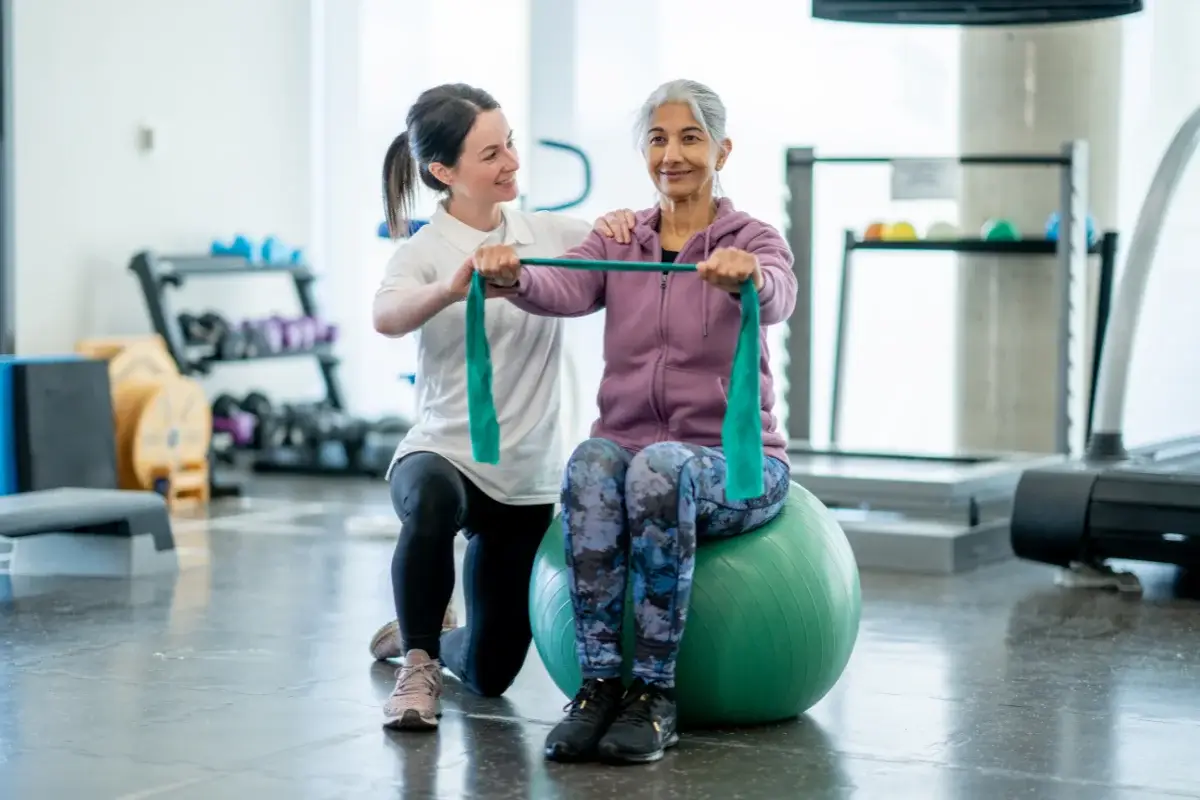
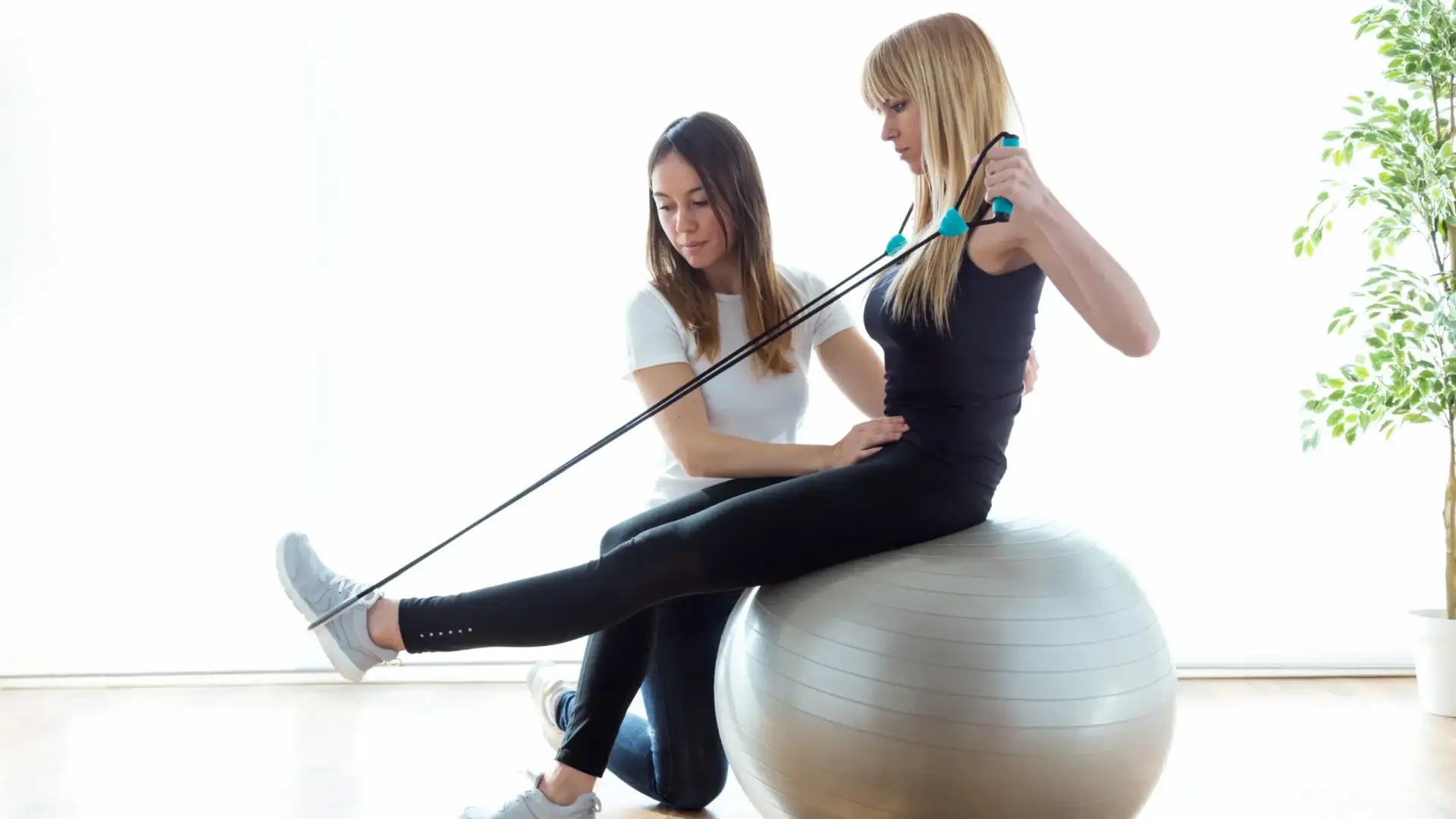
Class format: Classes are structured around a warm-up phase, a core stability foundation block, a functional loading progression, and a cool-down. Equipment includes reformers (where available), mat work, Pilates balls, resistance bands, and foam rollers.
Class schedule: Contact us or check our booking page for current class times at Bow and Stratford. Morning, lunchtime, and evening sessions available.
Pre-class screening: New participants complete a brief health screen with a physiotherapist before their first class to ensure the programme is appropriate and any contraindications are identified.
Back Pain and Spinal Rehabilitation
Clinical Pilates is one of the most evidence-based treatments for chronic back and neck pain. By improving deep core stability, spinal control, posture, and movement awareness, it helps reduce pain, improve function, and support long-term self-management. It also provides an effective transition between physiotherapy treatment and independent exercise, particularly for patients progressing from hydrotherapy or spinal rehabilitation programmes.
Post-Surgical Rehabilitation
Clinical Pilates is highly effective following orthopaedic and spinal surgery, including hip and knee replacements, ACL reconstruction, and spinal procedures. During the intermediate stages of recovery, it provides safe, progressive loading that bridges the gap between basic rehabilitation exercises and a full return to normal activity or sport. All exercises are carefully adapted to the individual’s stage of healing and rehabilitation goals.
Women’s Health and Pelvic Floor
Pelvic floor integration is a core part of our Clinical Pilates approach. Through breathing-led movement and deep abdominal coordination, Pilates can support postnatal recovery, diastasis recti rehabilitation, stress urinary incontinence, pelvic organ prolapse management, and pelvic floor changes associated with menopause. It works particularly well alongside women’s health physiotherapy as part of a complete rehabilitation programme.
Hypermobility and Joint Instability
For patients with hypermobility or joint instability, Clinical Pilates focuses on controlled movement, stability, and muscular support rather than excessive flexibility. This allows patients to build strength safely, improve joint control, and reduce the risk of pain or recurrent injury through better movement patterns and stability training.
Older Adults and Balance
Clinical Pilates is an excellent way for older adults to maintain strength, mobility, posture, and confidence in movement. It can improve balance and coordination, reduce fall risk, and support spinal and hip strength in a safe, supervised environment. Exercises can be modified for all abilities and progressed appropriately over time.
Athletes – Injury Prevention and Core Conditioning
For athletes and active individuals, Clinical Pilates develops the core stability and lumbopelvic control that underpin efficient movement and injury prevention. It is particularly valuable within sports rehabilitation and running programmes, helping address movement dysfunctions that commonly contribute to recurring injuries and reduced performance.

LPAW offers small-group clinical Pilates classes to ensure each participant receives appropriate attention and modification. Classes are kept deliberately small — typically 3 or 4 participants maximum — so the physiotherapist can observe and correct each individual throughout the session.
Class duration: 45–60 minutes
Class format: Classes are structured around a warm-up phase, a core stability foundation block, a functional loading progression, and a cool-down. Equipment includes reformers (where available), mat work, Pilates balls, resistance bands, and foam rollers.
Class schedule: Contact us or check our booking page for current class times at Bow and Stratford. Morning, lunchtime, and evening sessions available.

Pre-class screening: New participants complete a brief health screen with a physiotherapist before their first class to ensure the programme is appropriate and any contraindications are identified.

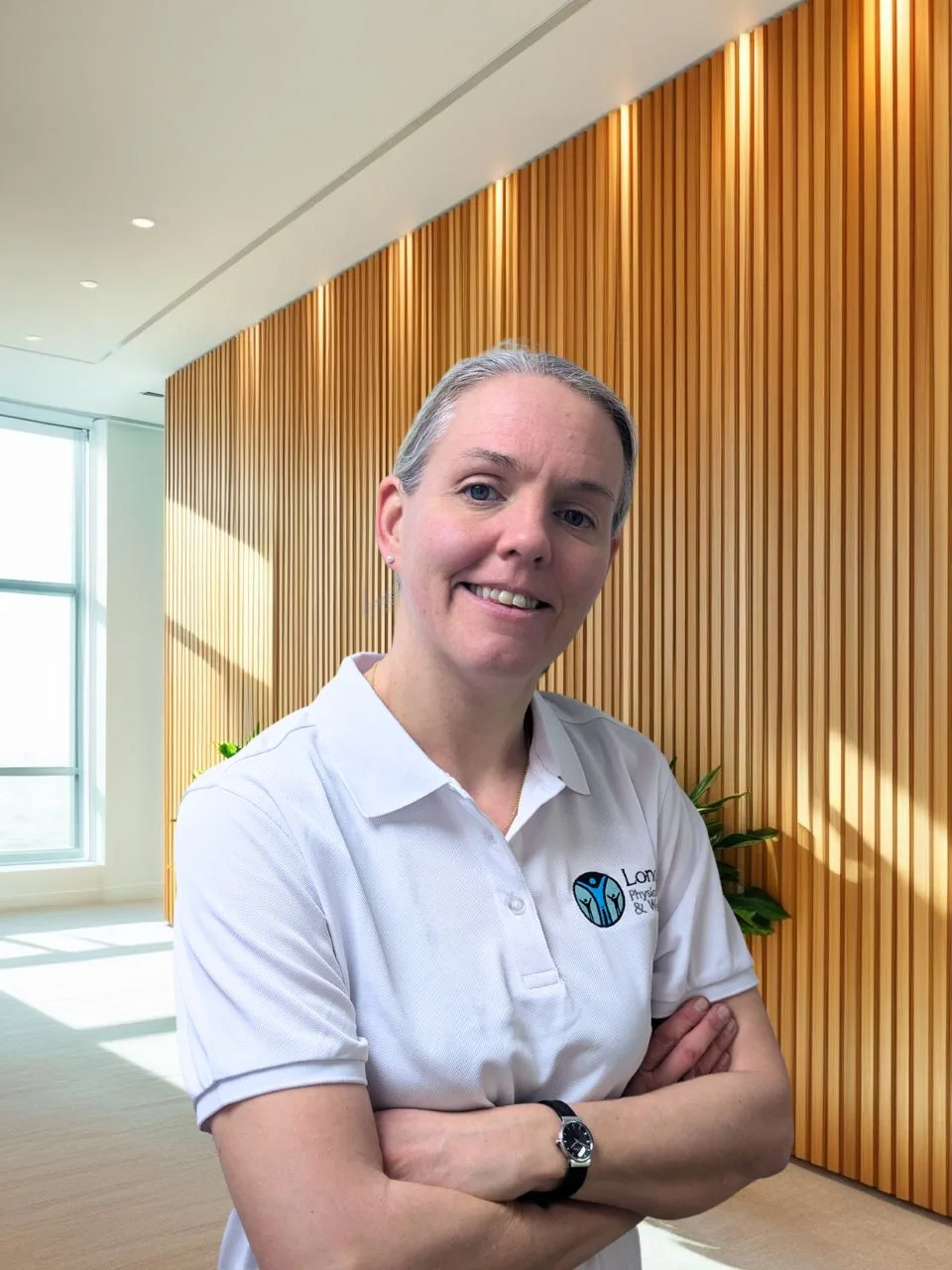
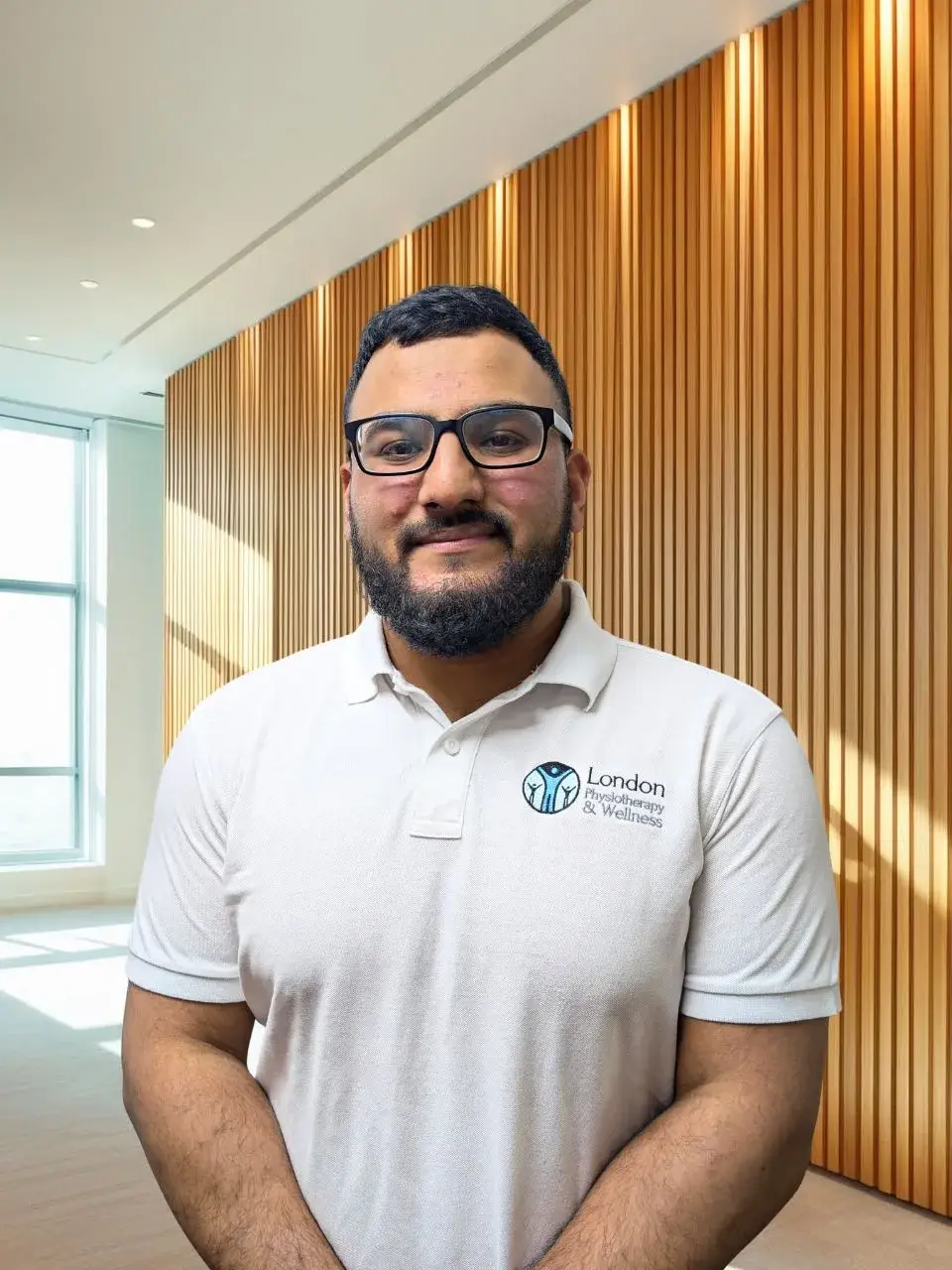
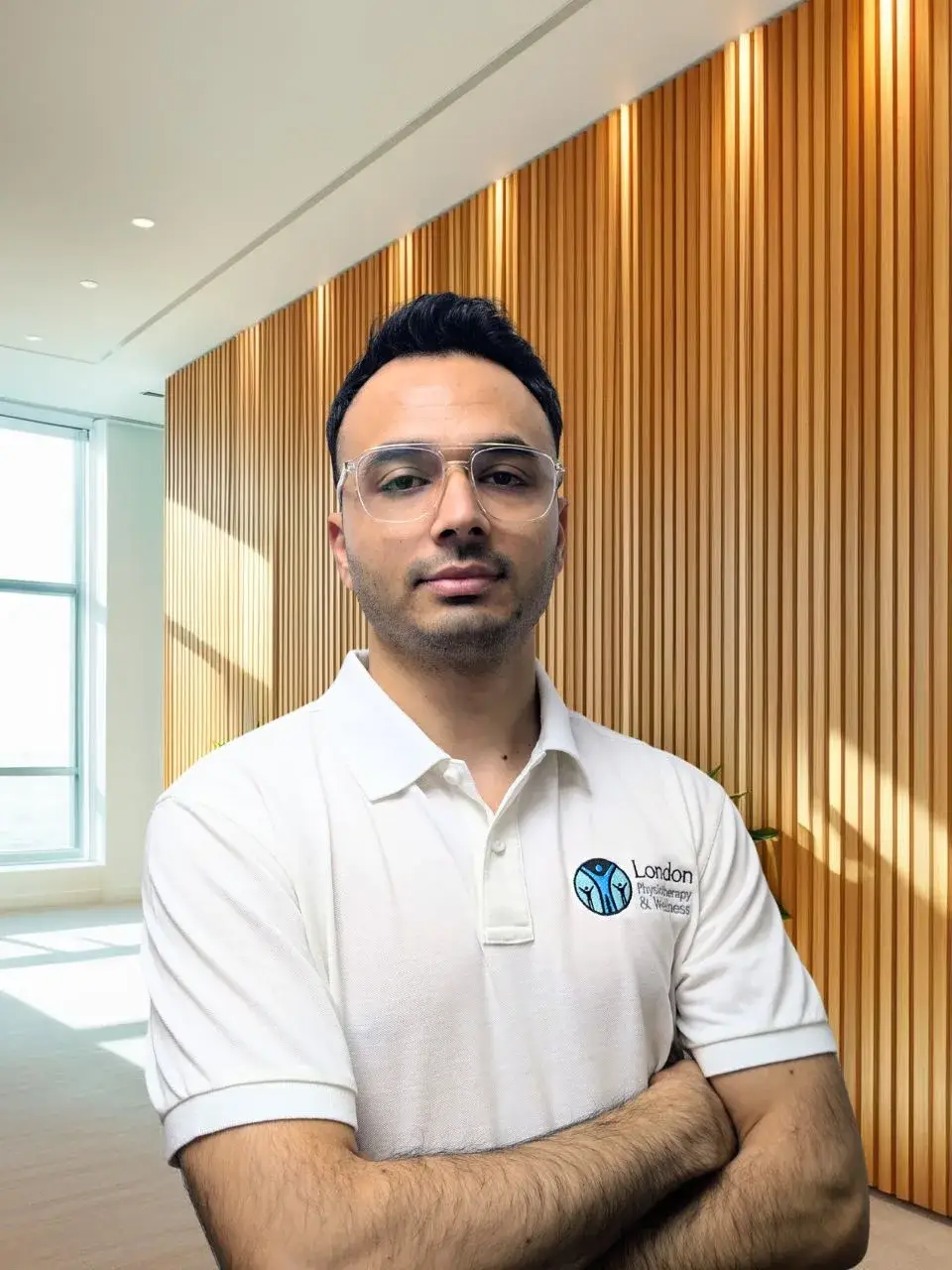
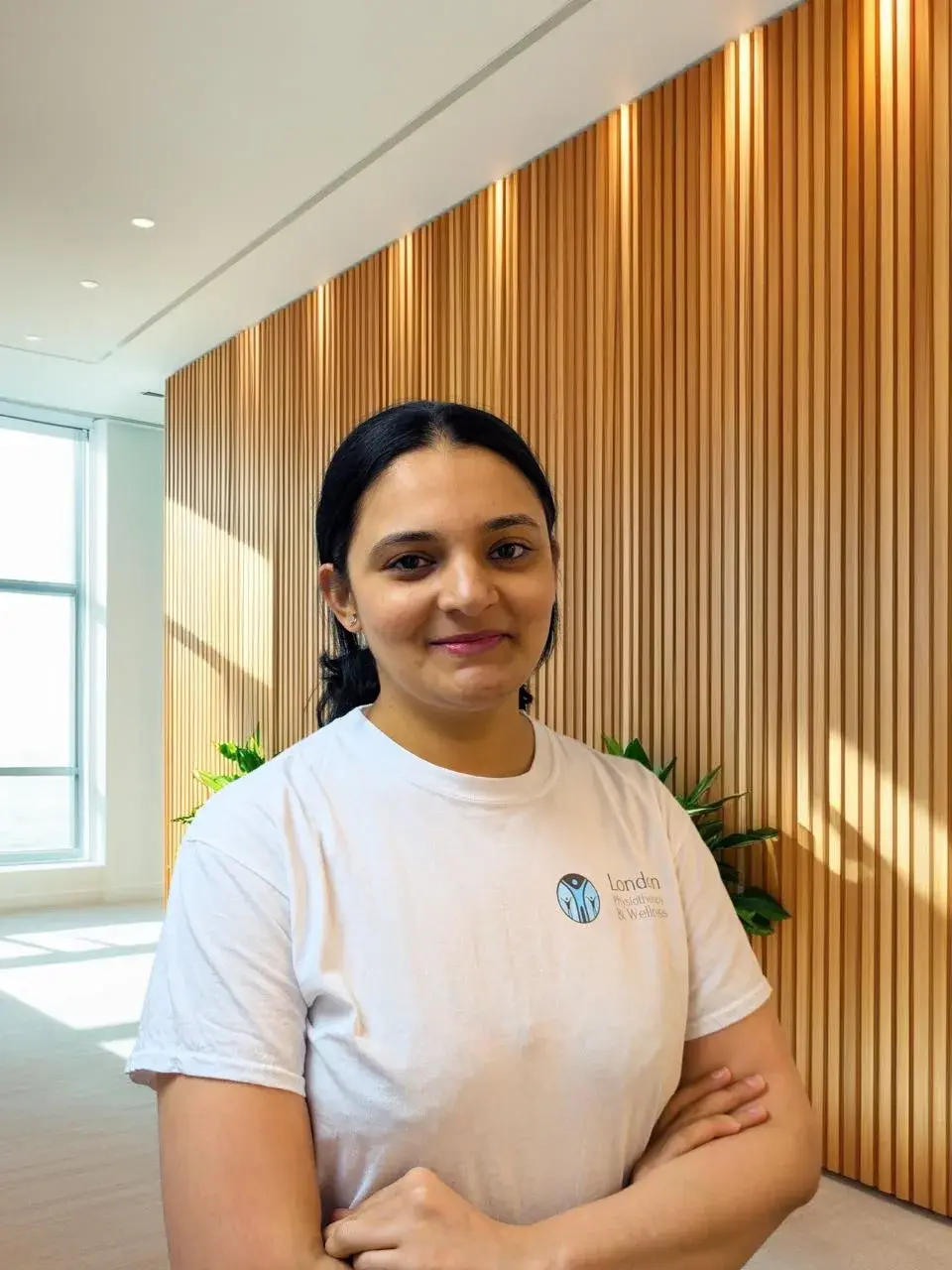
LPAW’s clinical team includes 19 practitioners, many holding postgraduate qualifications from UCL, King’s College London, and Guy’s and St Thomas’. Lead clinician Mr Arjun Viswanath MSc, MCSP, MPPA – Co-Founder and Consultant Physiotherapist – brings 25+ years of NHS and private experience including BMI London Independent Hospital and Harley Street.
Every clinician joining LPAW completes a mandatory intensive shadowing placement with our Consultant Physiotherapist before seeing patients independently. This is not a standard practice at most clinics – it’s our way of maintaining clinical consistency across the team.


Pilates at LPAW works alongside our physiotherapy, women’s health, hydrotherapy, and sports therapy services. Many patients are referred to clinical Pilates by their treating physiotherapist as the exercise component of their rehabilitation plan.
Clinical Pilates is suitable for anyone recovering from injury or surgery, managing chronic pain, dealing with pelvic floor issues, or looking to build core stability under physiotherapy supervision. New participants complete a brief health screen before their first class.
Pilates at LPAW works alongside our physiotherapy, women’s health, hydrotherapy, and sports therapy services. Many patients are referred to clinical Pilates by their treating physiotherapist as the exercise component of their rehabilitation plan.
Clinical Pilates is suitable for anyone recovering from injury or surgery, managing chronic pain, dealing with pelvic floor issues, or looking to build core stability under physiotherapy supervision. New participants complete a brief health screen before their first class.