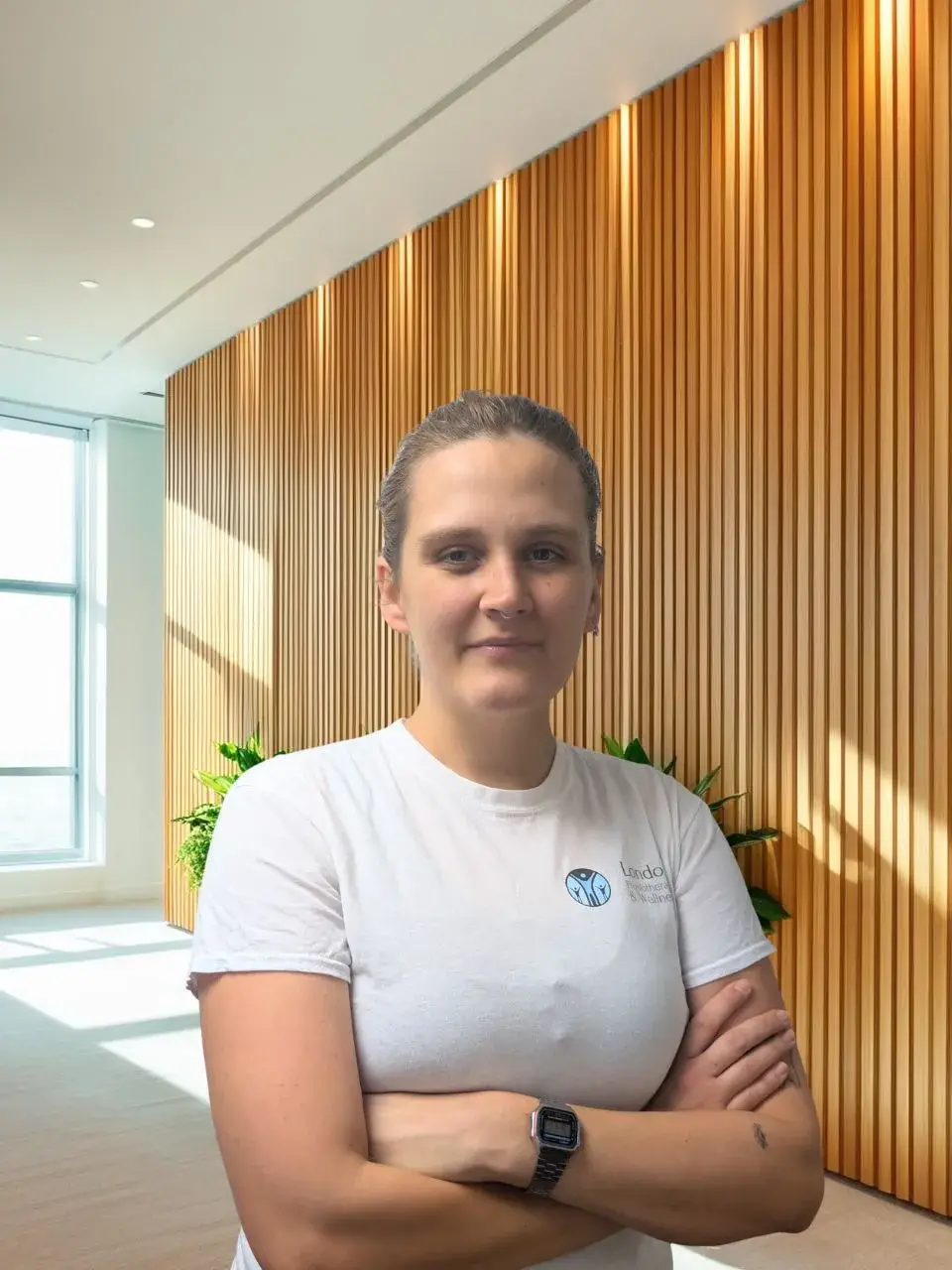


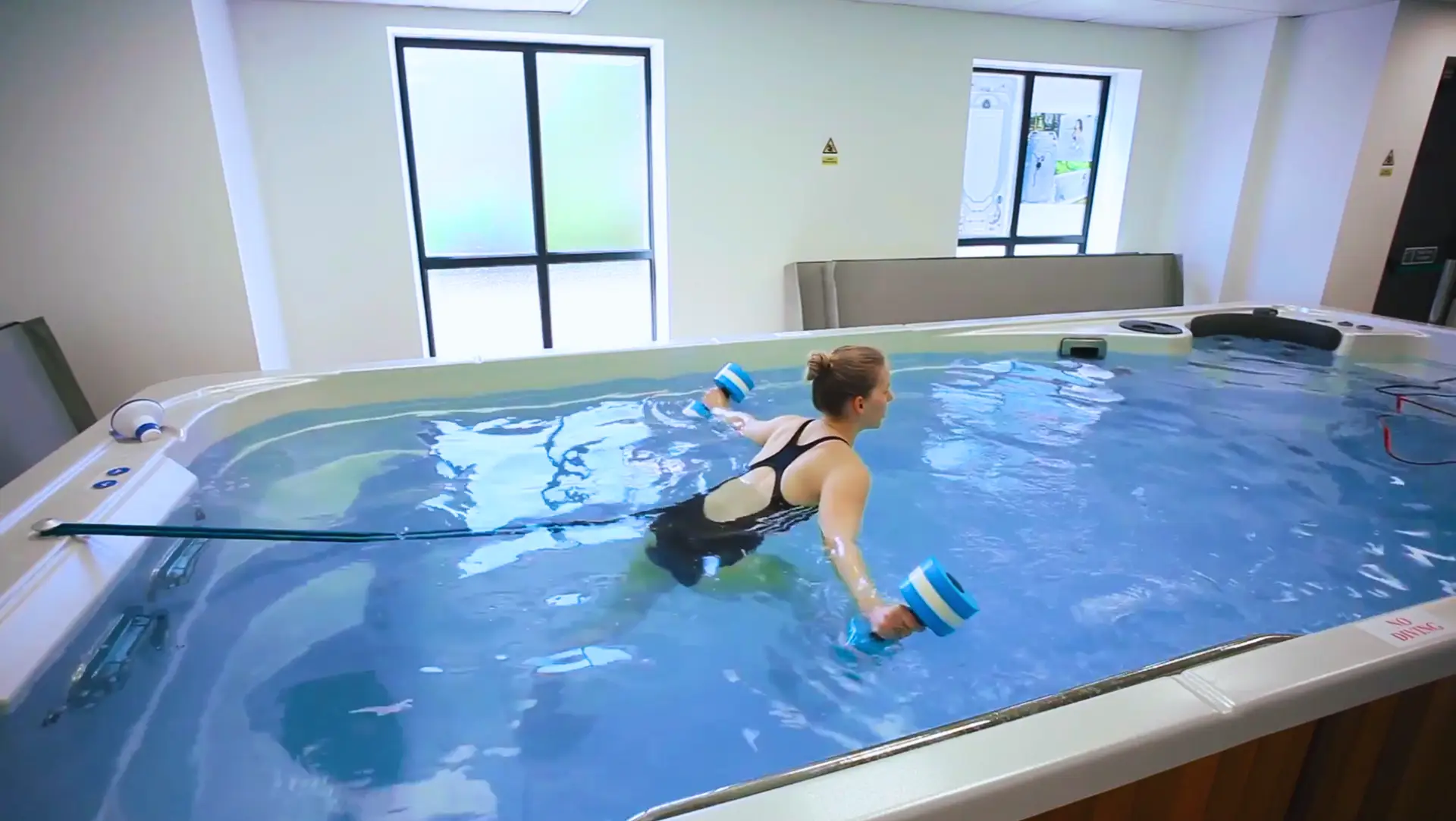
The main LPAW clinic is in Bow, E3, London, right next to The Bow Quarter. This bright and spacious clinic offers 4 treatment rooms, 2 changing rooms with showers, a large rehab gym, & onsite hydrotherapy in our 17 foot pool.
The LPAW satellite clinic is based in Stratford East Village where we run a thriving sports rehab offering.
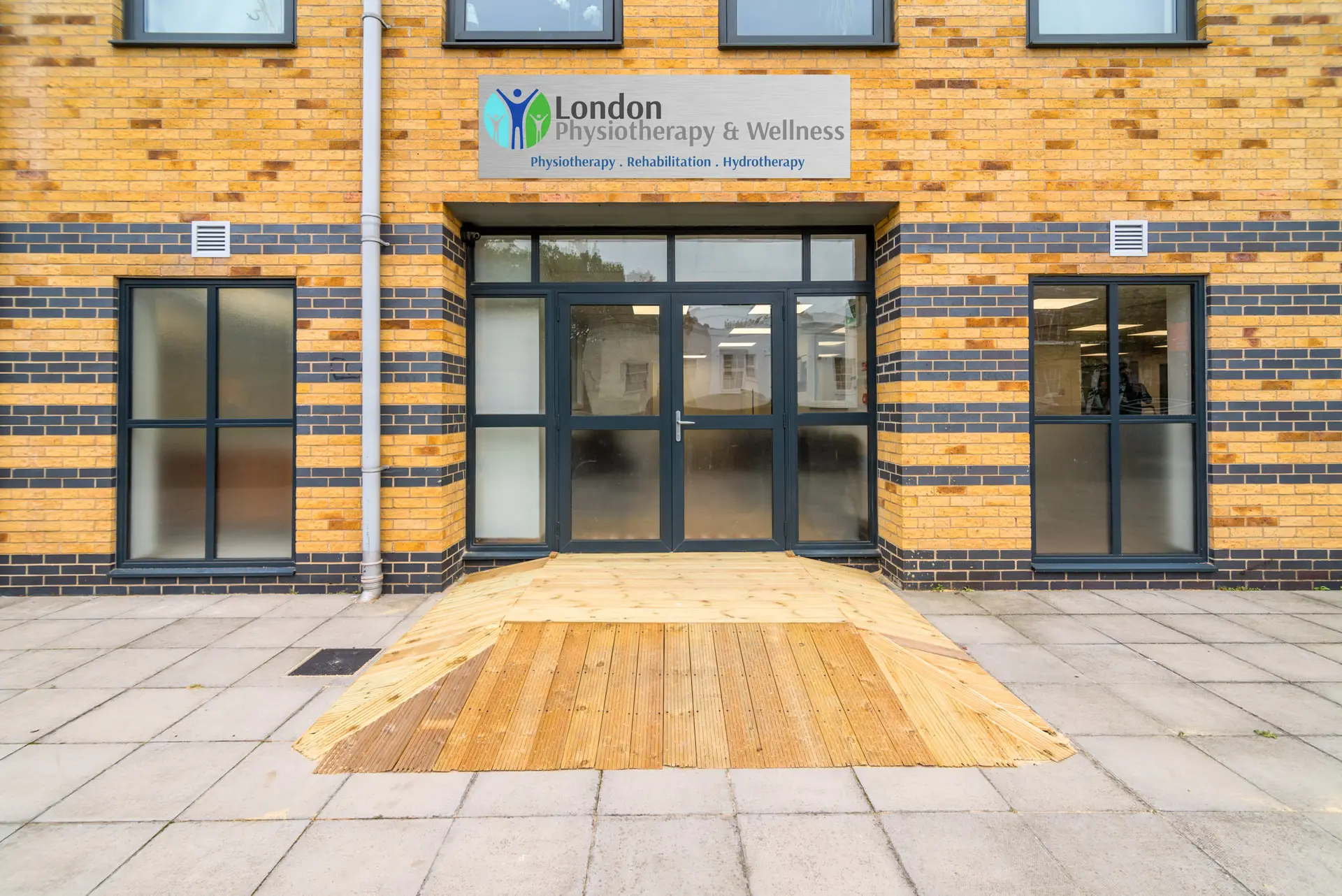
The main LPAW clinic is in Bow, E3, London, right next to The Bow Quarter. This bright and spacious clinic offers 4 treatment rooms, 2 changing rooms with showers, a large rehab gym, & onsite hydrotherapy in our 17 foot pool.
The LPAW satellite clinic is based in Stratford East Village where we run a thriving sports rehab offering.
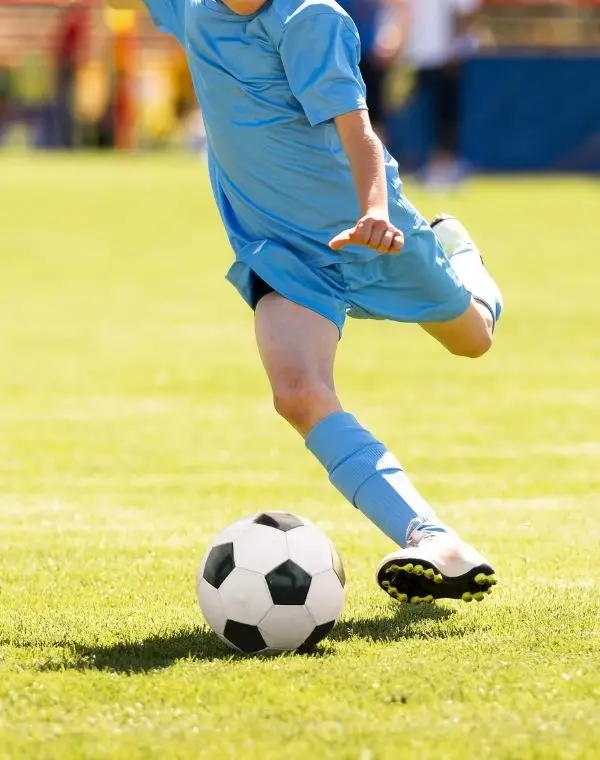
Getting injured when sport or exercise is central to your life is not just a physical setback, it affects your training, your performance, your mental state, and often your identity. At LPAW, sports therapy is delivered by clinicians who understand this. We work with recreational runners and elite footballers, weekend warriors and professional athletes, with the same evidence-based approach and the same goal: get you back, do it properly, and make sure it doesn’t happen again.
LPAW treats sports injuries across both our Bow and Stratford East Village locations.
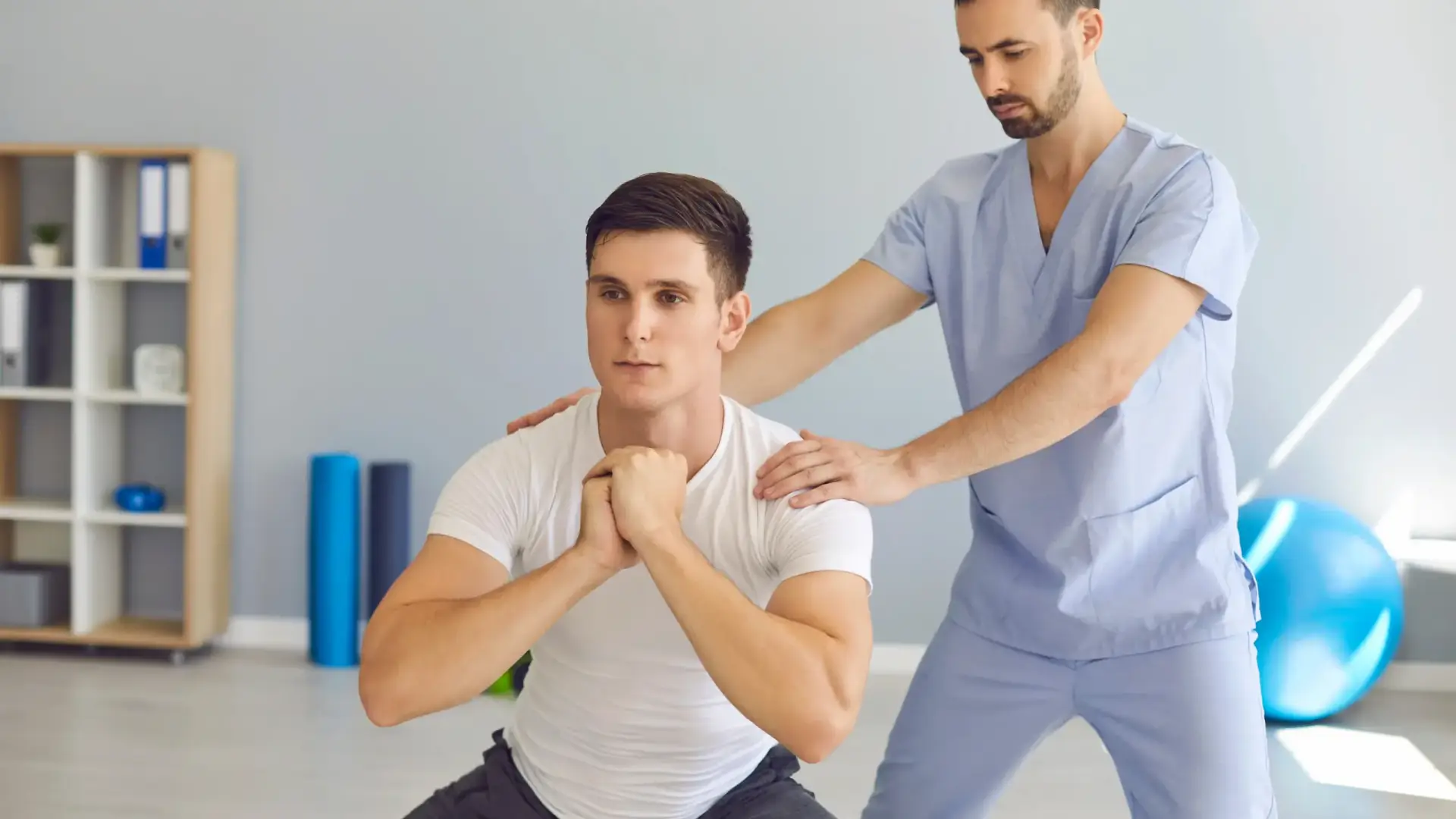
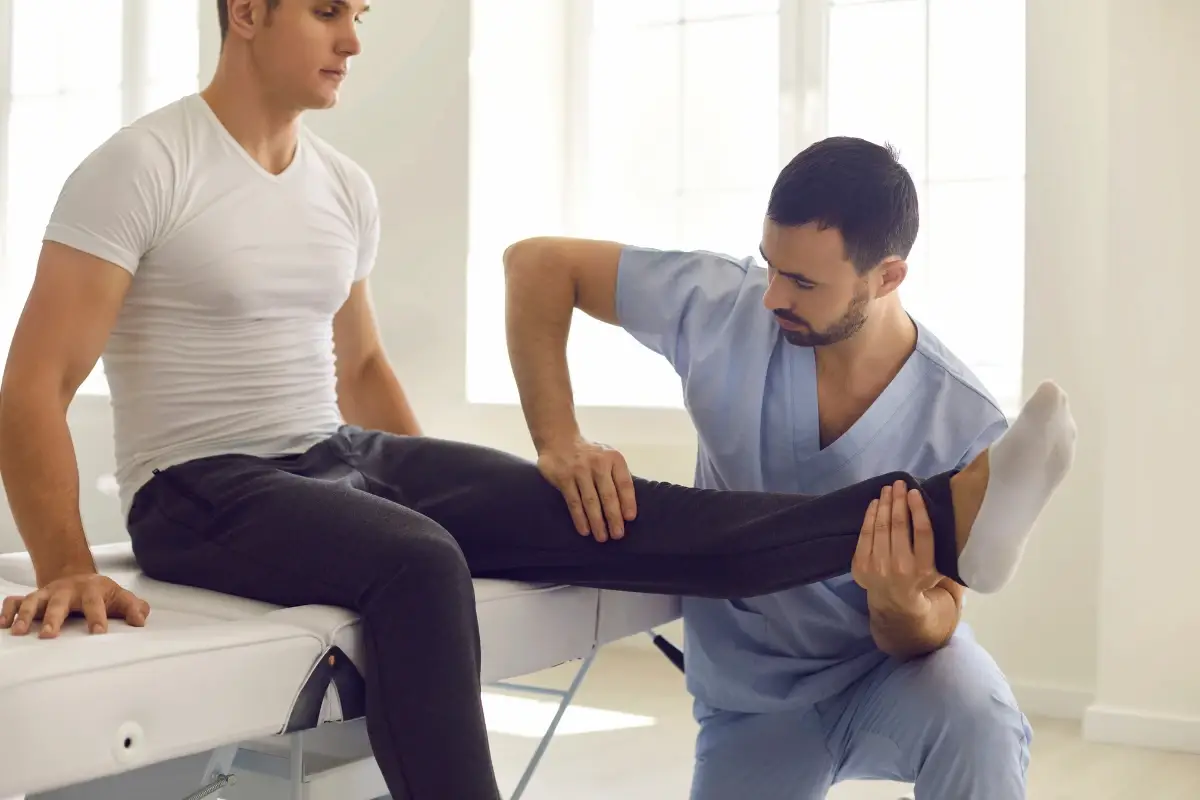
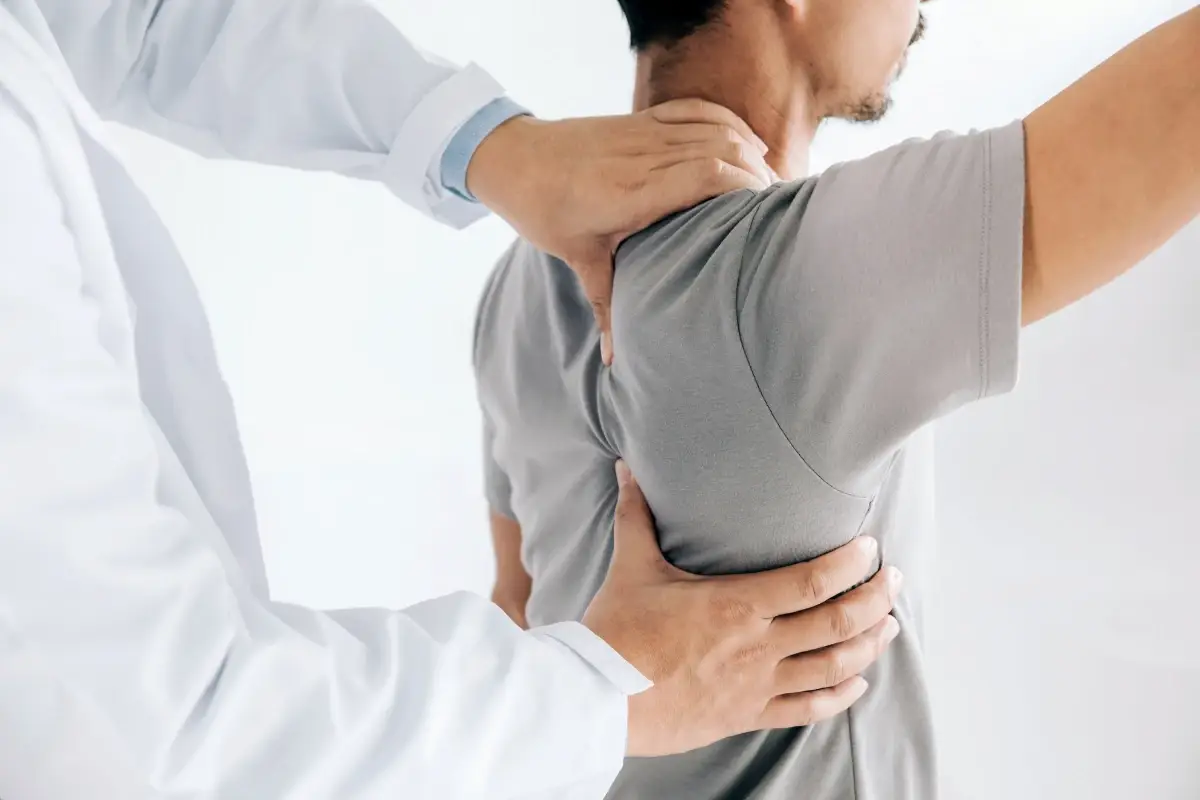
A thorough assessment is the foundation of good sports rehabilitation. We don’t treat labels — we treat the specific mechanism, tissue involved, biomechanical contributors, and functional deficits that are relevant to your sport and your body.
Common sports injuries we assess and treat:
Rehabilitation at LPAW is structured into clear phases:
Phase 1
Acute management. Pain management, swelling control, and protection of damaged tissue. Early movement where appropriate to prevent deconditioning.
Phase 2
Restoration. Regaining range of motion, basic strength, and neuromuscular control. Targeting the specific deficits identified at assessment.
Phase 3
Functional loading. Progressive loading that increasingly mimics the demands of your sport. Sport-specific movement patterns, speed, change of direction, and reactivity.
Phase 4
Return to Sport. Criteria-based clearance — not just “does it feel okay?” but objective measures of strength symmetry, hop tests, and sport-specific performance markers.
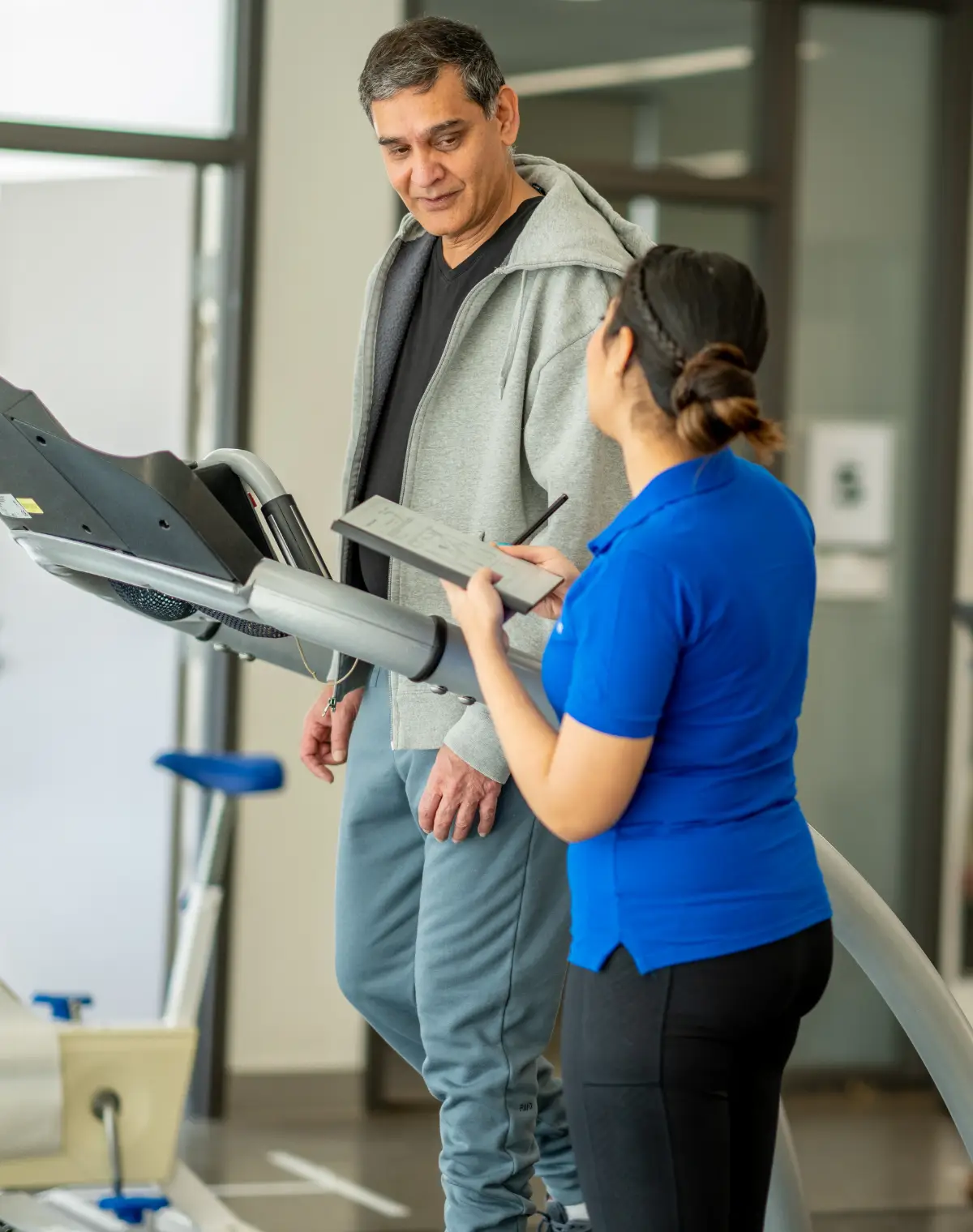
Rehabilitation programmes at LPAW are not generic printouts. They are individually designed, regularly reviewed, and updated based on your progress.
Premature return to sport after significant injury is one of the most common causes of re-injury. A 2016 systematic review in the British Journal of Sports Medicine found that returning too early from ACL reconstruction increased re-injury risk by more than five times compared to meeting objective strength criteria before return.
LPAW’s return-to-sport programmes use validated criteria-based frameworks — not time-based protocols alone. This means you return when your body is ready, with testing to demonstrate it.
Pre-season screening is an investment in injury prevention. Our sports therapists conduct movement screens, strength asymmetry assessments, and sport-specific functional tests to identify players who are at elevated injury risk before the season begins.
Pre-season screening is offered to:
LPAW is the official injury prevention partner for Sportas and works with OT Basketball as a community sports partner.
Sports massage is offered at LPAW as an adjunct to a physiotherapy or sports therapy rehabilitation plan. For dedicated sports massage as a standalone service, see our Massage page. Our sports therapists view massage as one tool within a broader rehabilitation programme — not as a standalone treatment for musculoskeletal injury.
A thorough assessment is the foundation of good sports rehabilitation. We don’t treat labels — we treat the specific mechanism, tissue involved, biomechanical contributors, and functional deficits that are relevant to your sport and your body.
Common sports injuries we assess and treat:
Rehabilitation at LPAW is structured into clear phases:
Phase 1
Acute management. Pain management, swelling control, and protection of damaged tissue. Early movement where appropriate to prevent deconditioning.
Phase 2
Restoration. Regaining range of motion, basic strength, and neuromuscular control. Targeting the specific deficits identified at assessment.
Phase 3
Functional loading. Progressive loading that increasingly mimics the demands of your sport. Sport-specific movement patterns, speed, change of direction, and reactivity.
Phase 4
Return to Sport. Criteria-based clearance — not just “does it feel okay?” but objective measures of strength symmetry, hop tests, and sport-specific performance markers.
Rehabilitation programmes at LPAW are not generic printouts. They are individually designed, regularly reviewed, and updated based on your progress.
Premature return to sport after significant injury is one of the most common causes of re-injury. A 2016 systematic review in the British Journal of Sports Medicine found that returning too early from ACL reconstruction increased re-injury risk by more than five times compared to meeting objective strength criteria before return.
LPAW’s return-to-sport programmes use validated criteria-based frameworks — not time-based protocols alone. This means you return when your body is ready, with testing to demonstrate it.
Pre-season screening is an investment in injury prevention. Our sports therapists conduct movement screens, strength asymmetry assessments, and sport-specific functional tests to identify players who are at elevated injury risk before the season begins.
Pre-season screening is offered to:
LPAW is the official injury prevention partner for Sportas and works with OT Basketball as a community sports partner.
Sports massage is offered at LPAW as an adjunct to a physiotherapy or sports therapy rehabilitation plan. For dedicated sports massage as a standalone service, see our Massage page. Our sports therapists view massage as one tool within a broader rehabilitation programme — not as a standalone treatment for musculoskeletal injury.
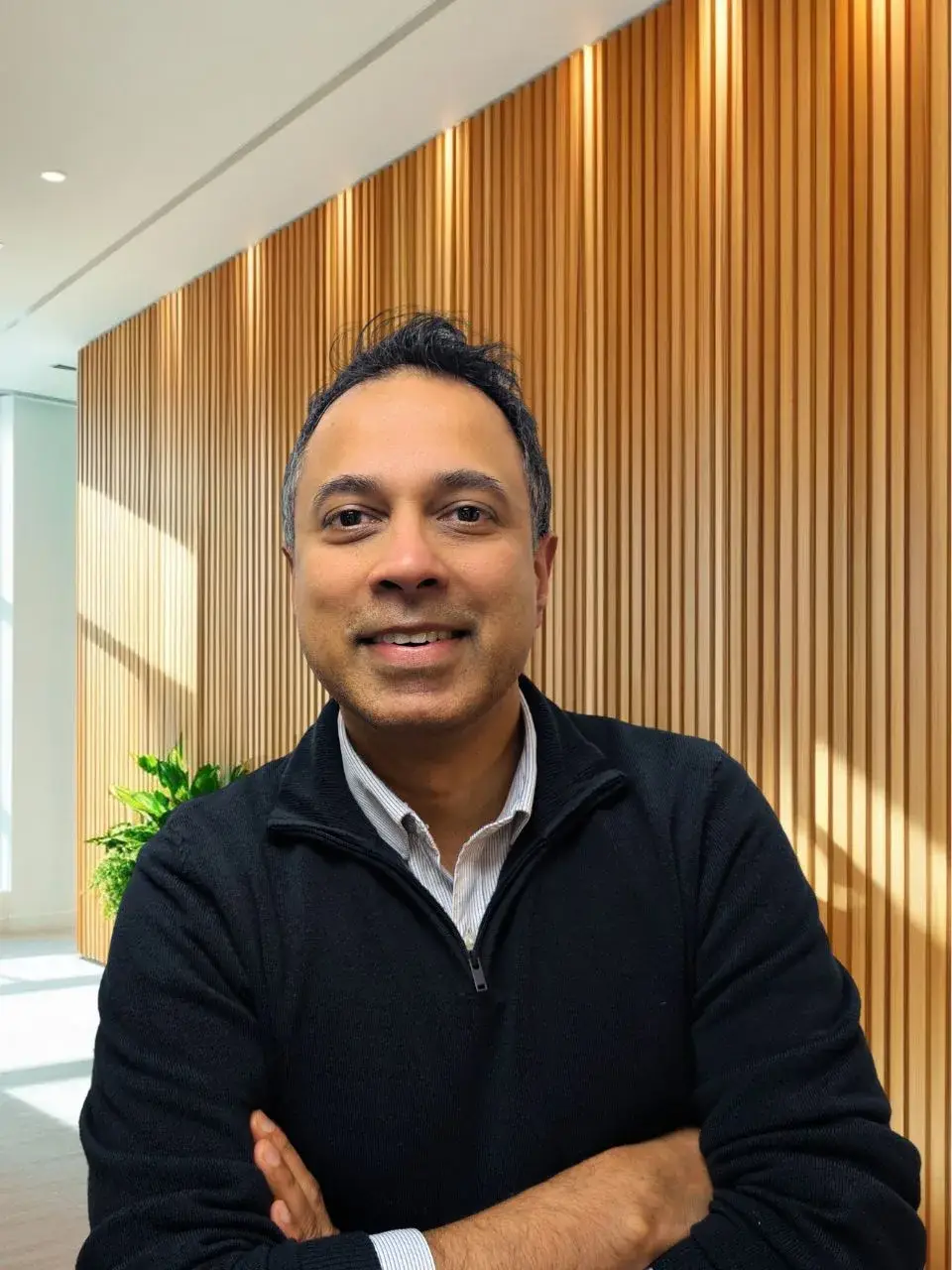
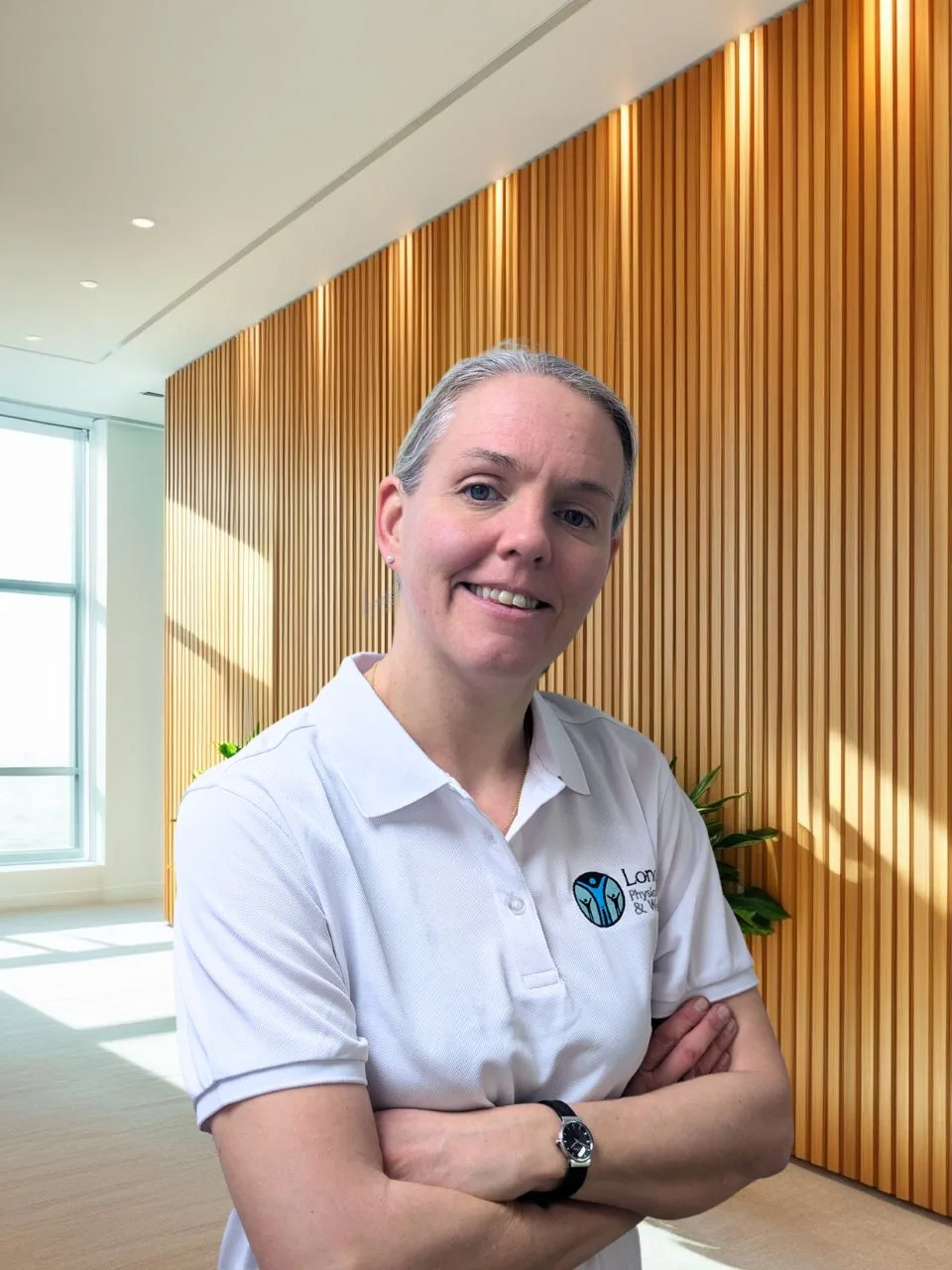
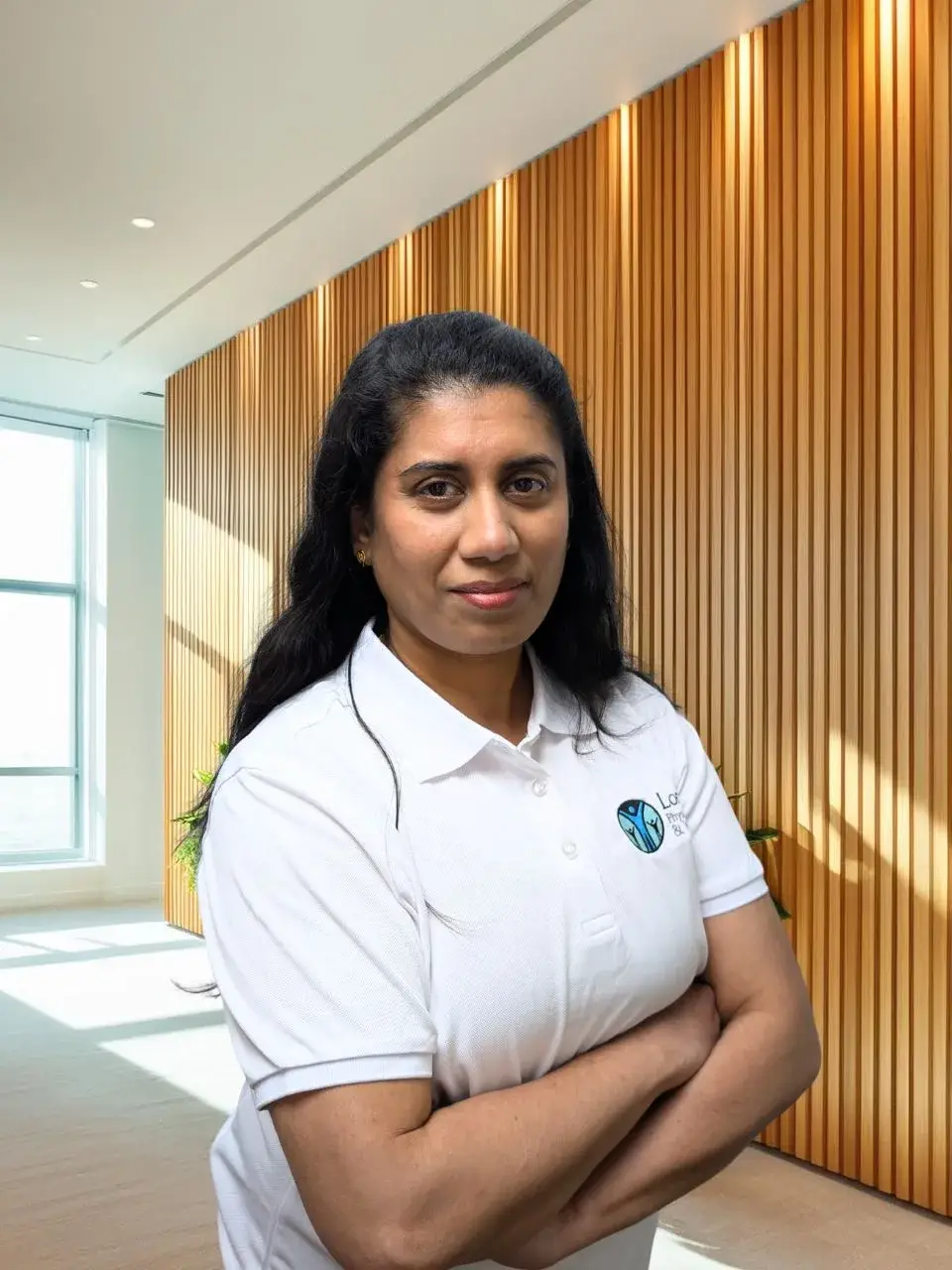
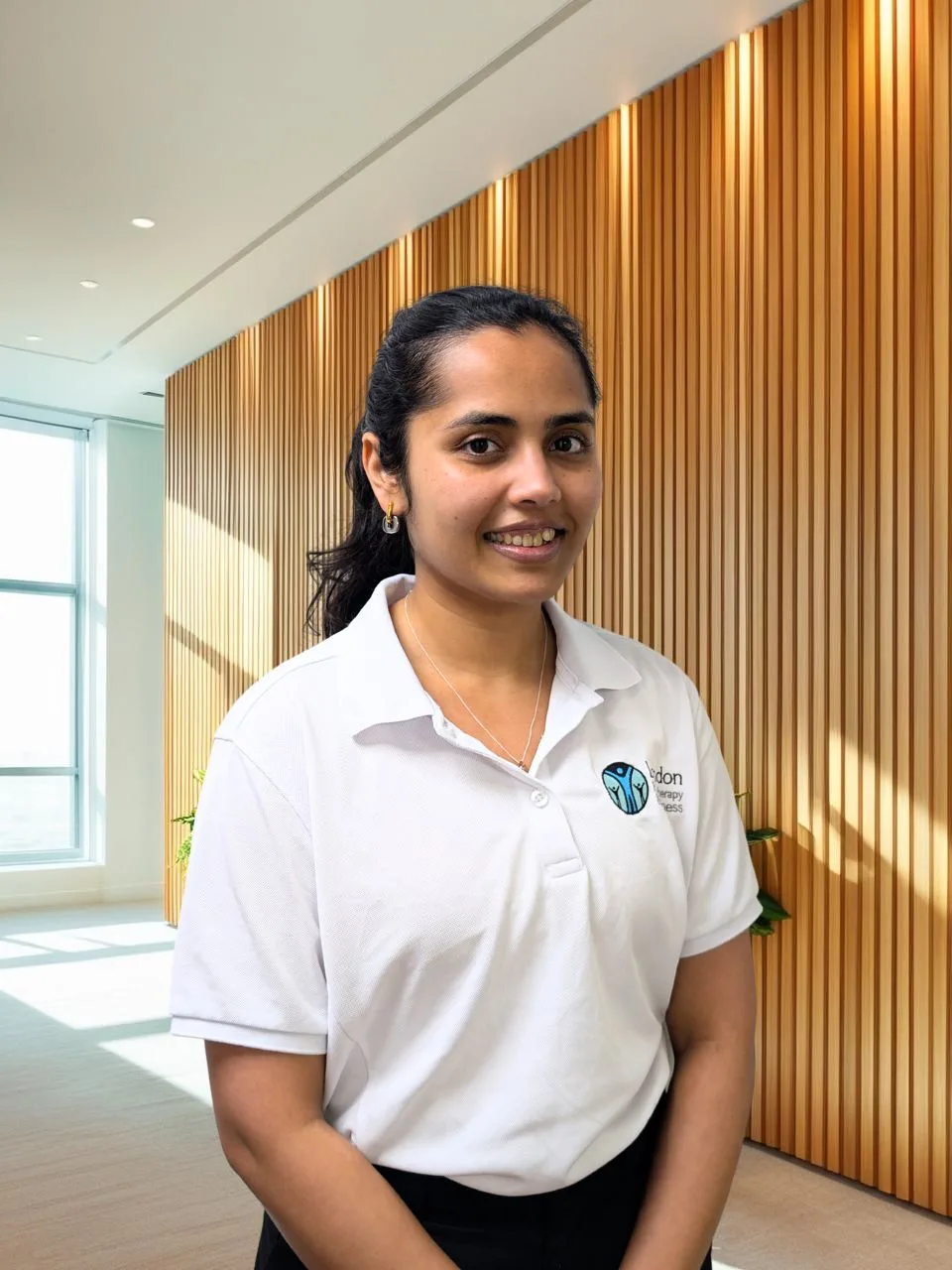
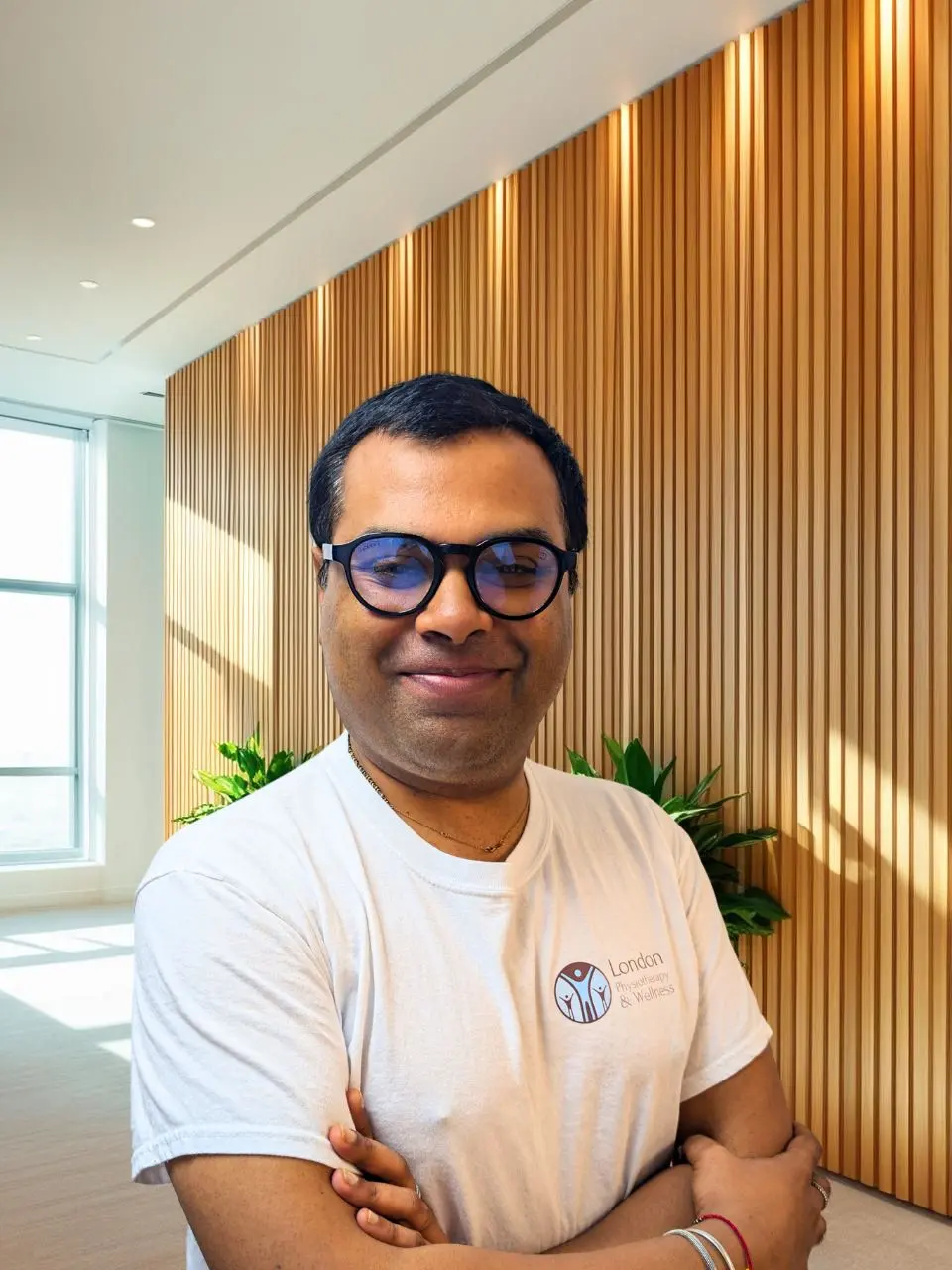
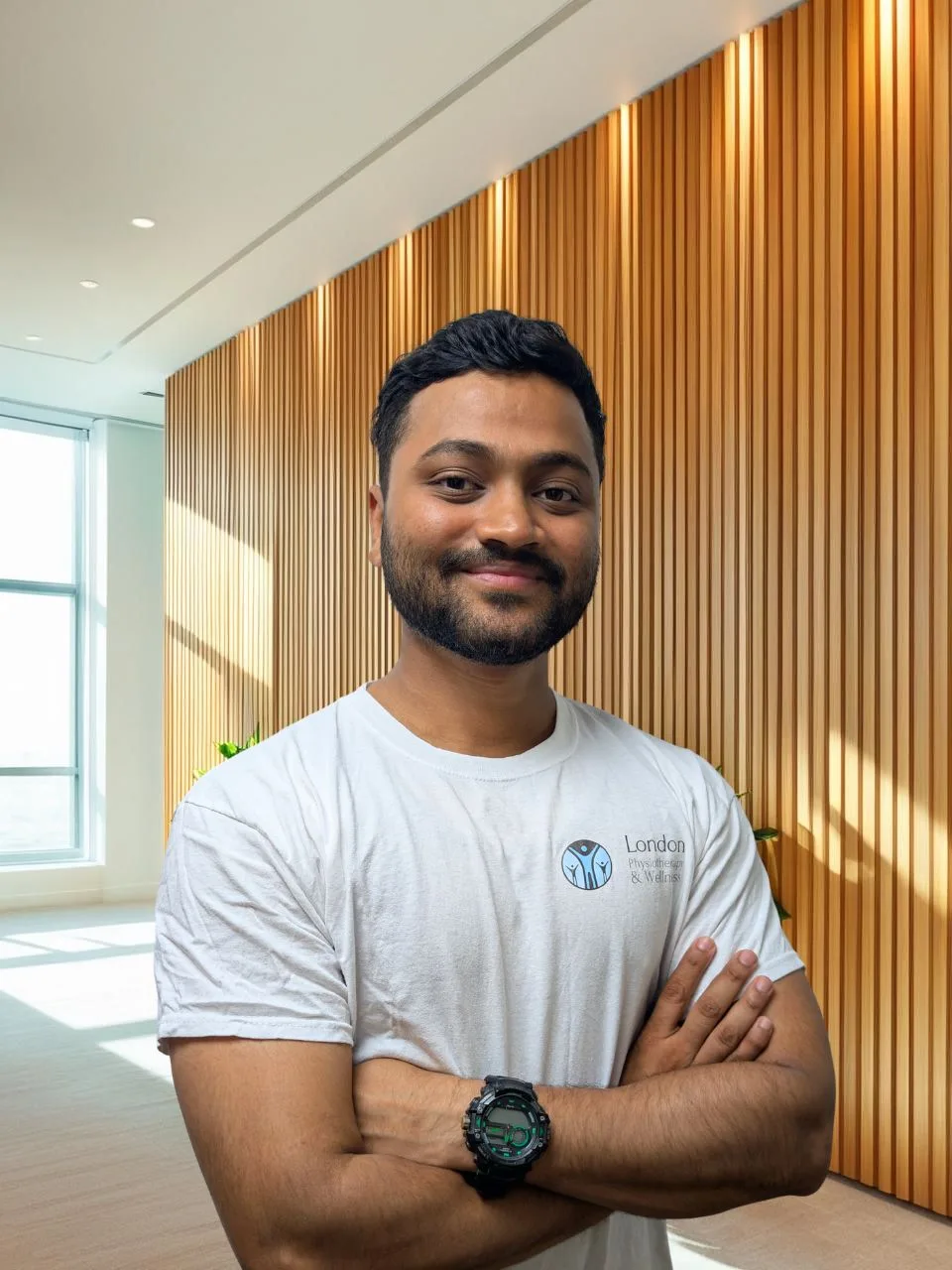
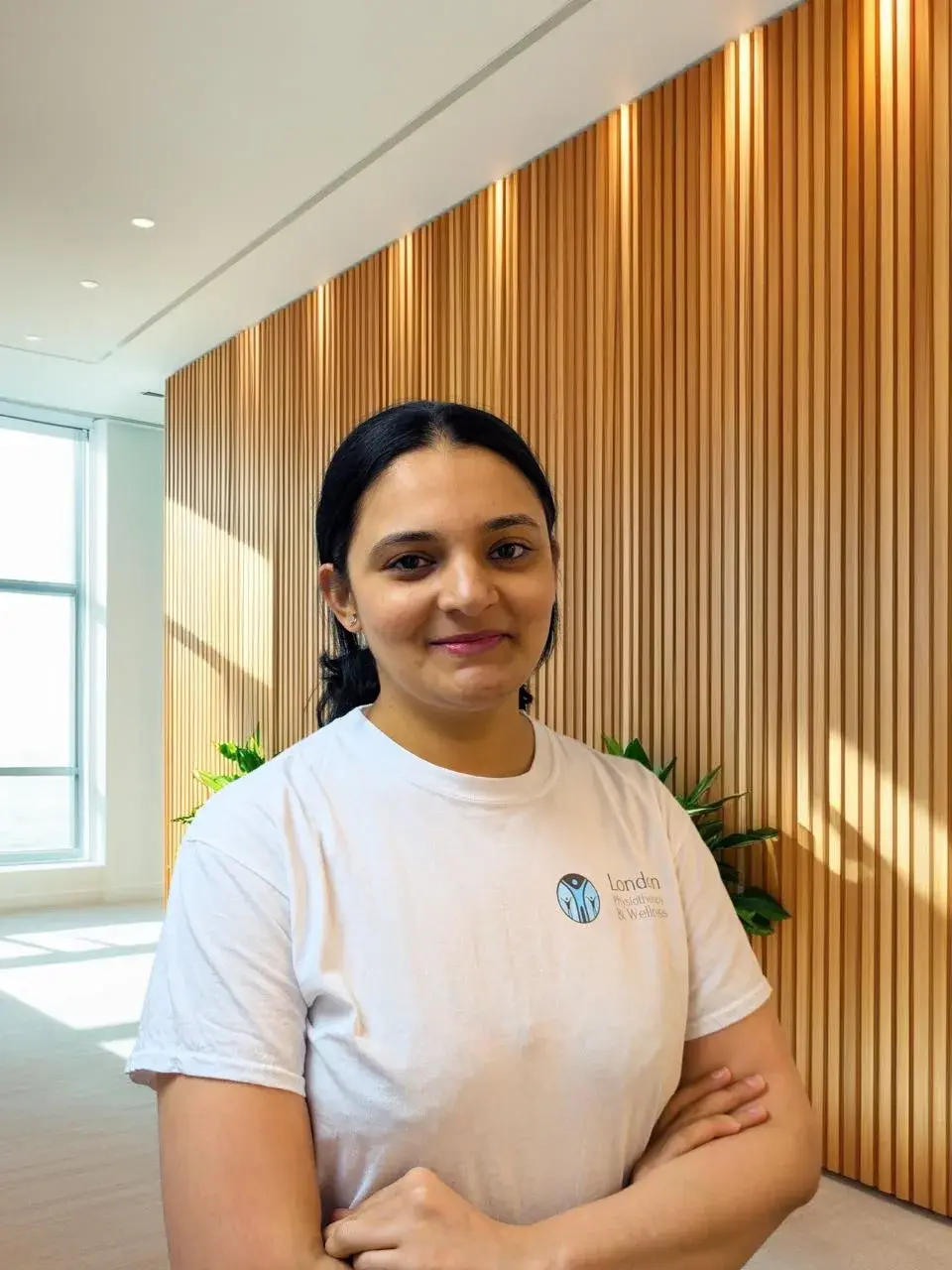
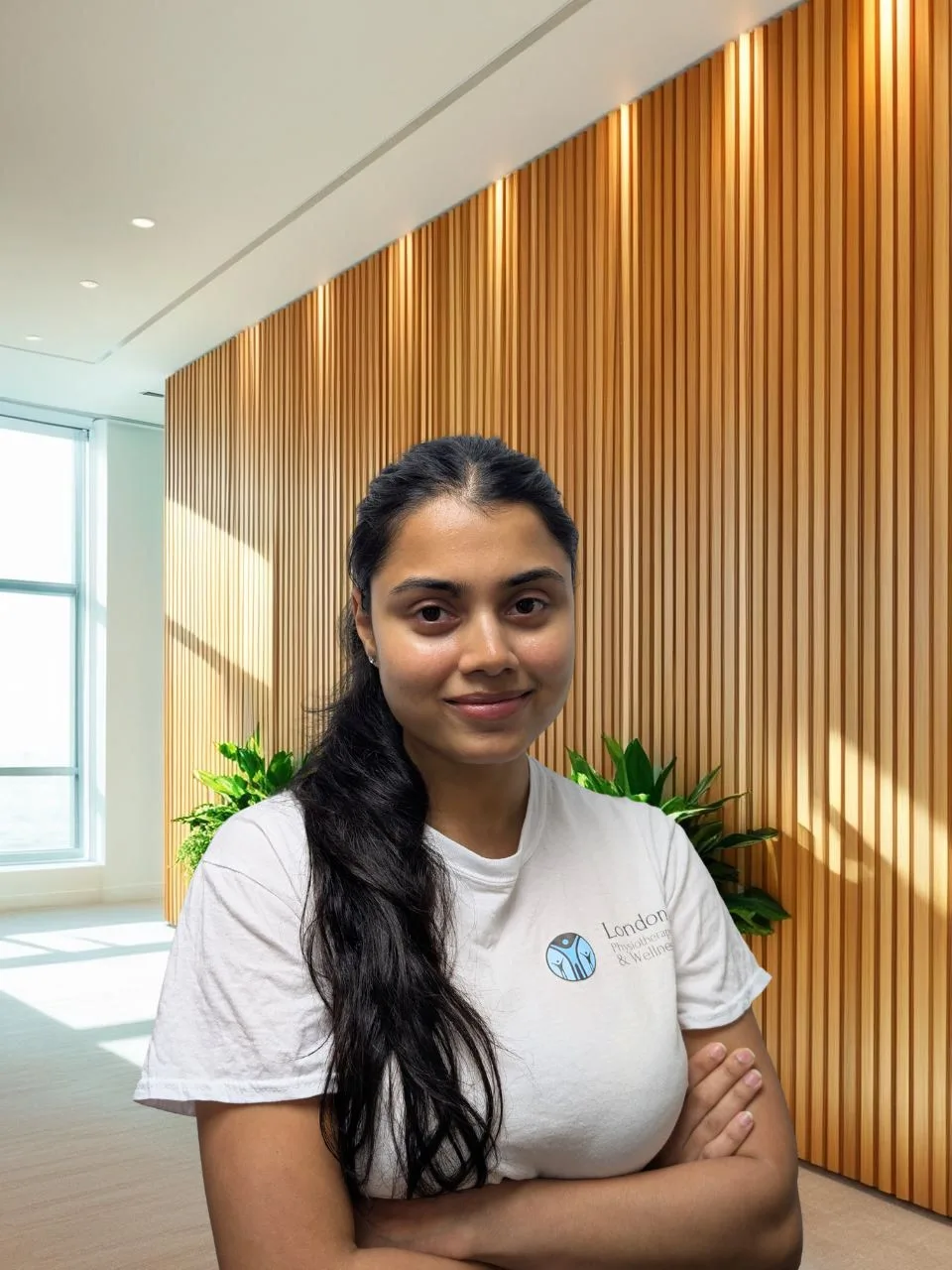
LPAW’s clinical team includes 19 practitioners, many holding postgraduate qualifications from UCL, King’s College London, and Guy’s and St Thomas’. Lead clinician Mr Arjun Viswanath MSc, MCSP, MPPA – Co-Founder and Consultant Physiotherapist – brings 25+ years of NHS and private experience including BMI London Independent Hospital and Harley Street.
Every clinician joining LPAW completes a mandatory intensive shadowing placement with our Consultant Physiotherapist before seeing patients independently. This is not a standard practice at most clinics – it’s our way of maintaining clinical consistency across the team.


Your initial assessment (45–60 minutes) will begin with a sports-focused history: the mechanism of injury, your sport and training load, your goals and timeline, and any relevant previous injuries. This is followed by a thorough physical examination including functional movement assessment, strength testing, and provocation tests relevant to your presentation.
Your clinician will give you:
Wear or bring kit appropriate to the body part being assessed: shorts for lower limb, vest for shoulder/upper back.
Some sports injuries require more than standard rehabilitation pathways. LPAW recognises when a condition warrants specialist investigation or intervention:
For these situations, LPAW’s network of Consultant Orthopaedic Surgeons and our Extended Scope Practitioner Arjun Viswanath MSc can facilitate direct referrals without the need for a GP appointment.
Your initial assessment (45–60 minutes) will begin with a sports-focused history: the mechanism of injury, your sport and training load, your goals and timeline, and any relevant previous injuries. This is followed by a thorough physical examination including functional movement assessment, strength testing, and provocation tests relevant to your presentation.
Your clinician will give you:
Wear or bring kit appropriate to the body part being assessed: shorts for lower limb, vest for shoulder/upper back.
Some sports injuries require more than standard rehabilitation pathways. LPAW recognises when a condition warrants specialist investigation or intervention:
For these situations, LPAW’s network of Consultant Orthopaedic Surgeons and our Extended Scope Practitioner Arjun Viswanath MSc can facilitate direct referrals without the need for a GP appointment.