


Runner's Knee

Patellofemoral Pain Syndrome Treatment in East London

Start Your Recovery

Runner’s knee is one of the most common running injuries. Treated correctly — with biomechanical assessment, targeted strengthening, and load management — the majority of patients achieve full recovery. Available at our Bow and Stratford East Village clinics.

Physiotherapy Hydrotherapy Shockwave Sports Therapy Women's Health Dry Needling Osteopathy Pilates by Physios Babies & Children Men's Health Massage Running Assessments PTNS Post-Op Biofeedback Soft Tissue Therapy Manual Therapy Pre-Op Trigger Point Release Med-X Strengthening Physiotherapy Hydrotherapy Shockwave Sports Therapy Women's Health Dry Needling Osteopathy Pilates by Physios Babies & Children Men's Health Massage Running Assessments PTNS Post-Op Biofeedback Soft Tissue Therapy Manual Therapy Pre-Op Trigger Point Release Med-X Strengthening
Anatomy & Causes
Runner’s knee — the colloquial name for patellofemoral pain syndrome (PFPS) — is one of the most common running injuries and one of the most frustrating to manage without the right guidance. It typically presents as pain around or behind the kneecap that comes on during or after running, worsens going down stairs, and often improves with rest only to return when training resumes.


Many runners are told to “rest and stretch.” This advice addresses neither the root cause nor the rehabilitation needs of the condition, which is why runner’s knee has a reputation for persistence. Treated correctly — with biomechanical assessment, targeted strengthening, and load management — the majority of patients achieve full recovery and return to running without recurrence.


At LPAW, our [running assessments] and physiotherapy team are specifically equipped to assess and rehabilitate patellofemoral pain properly.
  • Understanding what drives PFPS is what makes LPAW’s treatment approach effective. The primary contributors are:

    • Hip weakness — particularly hip abductors and external rotators
      This is the most consistently reported finding in PFPS research. Weak hip abductors (especially the gluteus medius) allow the hip to adduct during single-leg loading, creating dynamic valgus — where the knee collapses inward. This increases lateral patellar forces and alters patellofemoral joint mechanics.
    • Contralateral pelvic drop (Trendelenburg gait)
      Weak hip abductors can cause the opposite side of the pelvis to drop during single-leg stance, often visible during running gait analysis. This increases the valgus load at the stance knee.
    • Overstriding
      Landing with the foot too far ahead of the body’s centre of mass increases patellofemoral joint reaction forces with each step.
    • Reduced hip flexor and quadriceps flexibility
      Tight hip flexors can alter pelvic positioning and lower limb mechanics, while tight quadriceps increase compressive forces at the patellofemoral joint.
    • Training load errors
      Rapid increases in running mileage or activity levels that exceed tissue capacity are a common trigger for PFPS.
    • Foot pronation
      Excessive pronation may contribute to increased tibial internal rotation and secondary knee valgus. However, evidence suggests hip strength plays a more significant role than foot mechanics alone.
  • If your knee pain has persisted beyond 4–6 weeks, is getting worse despite rest, or is significantly limiting your training, a physiotherapy assessment is indicated. Runner’s knee does not benefit from passive waiting — it requires active rehabilitation. The longer it is left untreated, the more entrenched the biomechanical contributors become.
Runner’s knee — the colloquial name for patellofemoral pain syndrome (PFPS) — is one of the most common running injuries and one of the most frustrating to manage without the right guidance. It typically presents as pain around or behind the kneecap that comes on during or after running, worsens going down stairs, and often improves with rest only to return when training resumes.

Many runners are told to “rest and stretch.” This advice addresses neither the root cause nor the rehabilitation needs of the condition, which is why runner’s knee has a reputation for persistence. Treated correctly — with biomechanical assessment, targeted strengthening, and load management — the majority of patients achieve full recovery and return to running without recurrence.

At LPAW, our [running assessments] and physiotherapy team are specifically equipped to assess and rehabilitate patellofemoral pain properly.

Understanding what drives PFPS is what makes LPAW’s treatment approach effective. The primary contributors are:

  • Hip weakness — particularly hip abductors and external rotators
    This is the most consistently reported finding in PFPS research. Weak hip abductors (especially the gluteus medius) allow the hip to adduct during single-leg loading, creating dynamic valgus — where the knee collapses inward. This increases lateral patellar forces and alters patellofemoral joint mechanics.
  • Contralateral pelvic drop (Trendelenburg gait)
    Weak hip abductors can cause the opposite side of the pelvis to drop during single-leg stance, often visible during running gait analysis. This increases the valgus load at the stance knee.
  • Overstriding
    Landing with the foot too far ahead of the body’s centre of mass increases patellofemoral joint reaction forces with each step.
  • Reduced hip flexor and quadriceps flexibility
    Tight hip flexors can alter pelvic positioning and lower limb mechanics, while tight quadriceps increase compressive forces at the patellofemoral joint.
  • Training load errors
    Rapid increases in running mileage or activity levels that exceed tissue capacity are a common trigger for PFPS.
  • Foot pronation
    Excessive pronation may contribute to increased tibial internal rotation and secondary knee valgus. However, evidence suggests hip strength plays a more significant role than foot mechanics alone.
 
  • If your knee pain has persisted beyond 4–6 weeks, is getting worse despite rest, or is significantly limiting your training, a physiotherapy assessment is indicated. Runner’s knee does not benefit from passive waiting — it requires active rehabilitation. The longer it is left untreated, the more entrenched the biomechanical contributors become.

Meet our team of experts

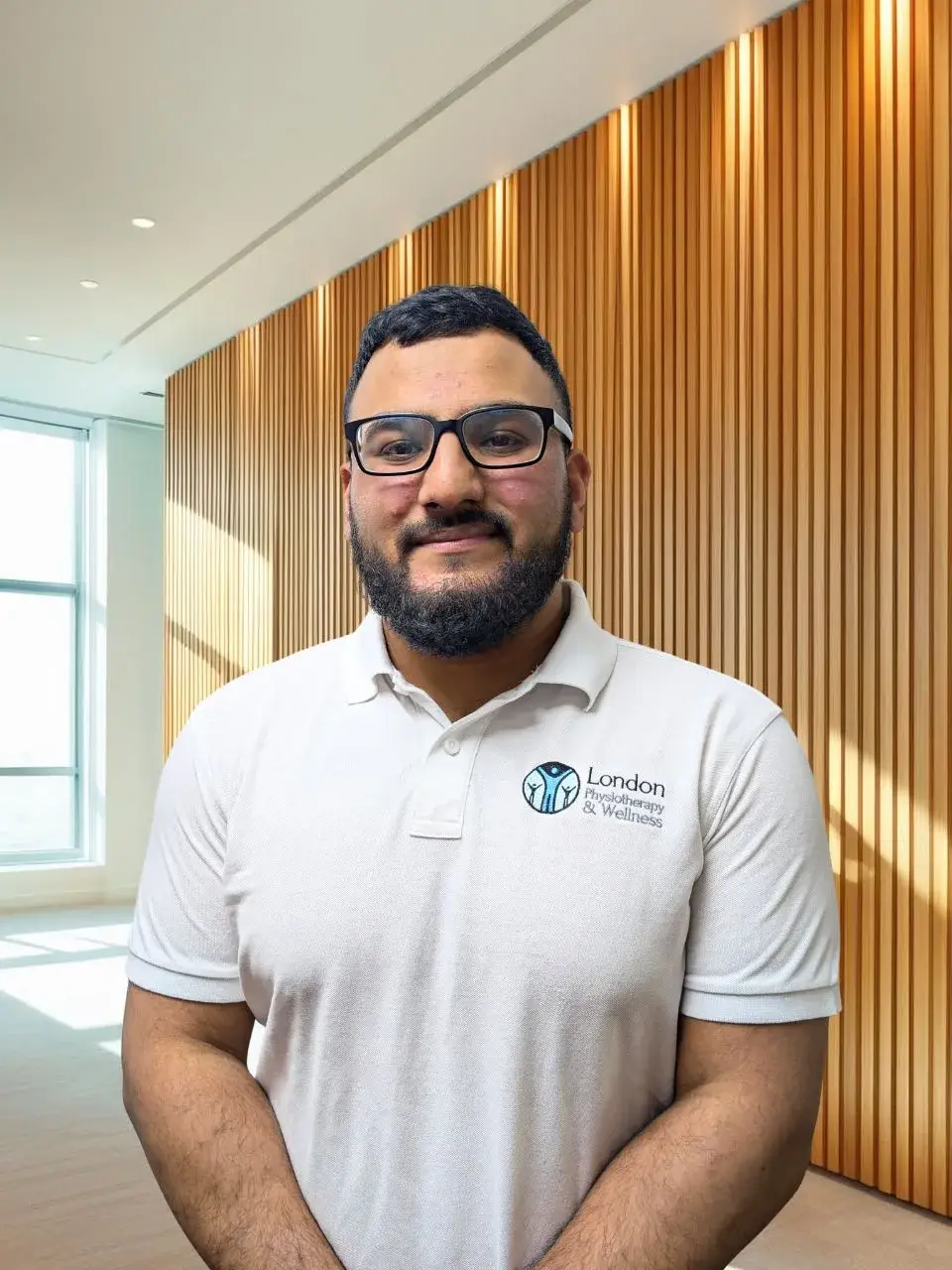
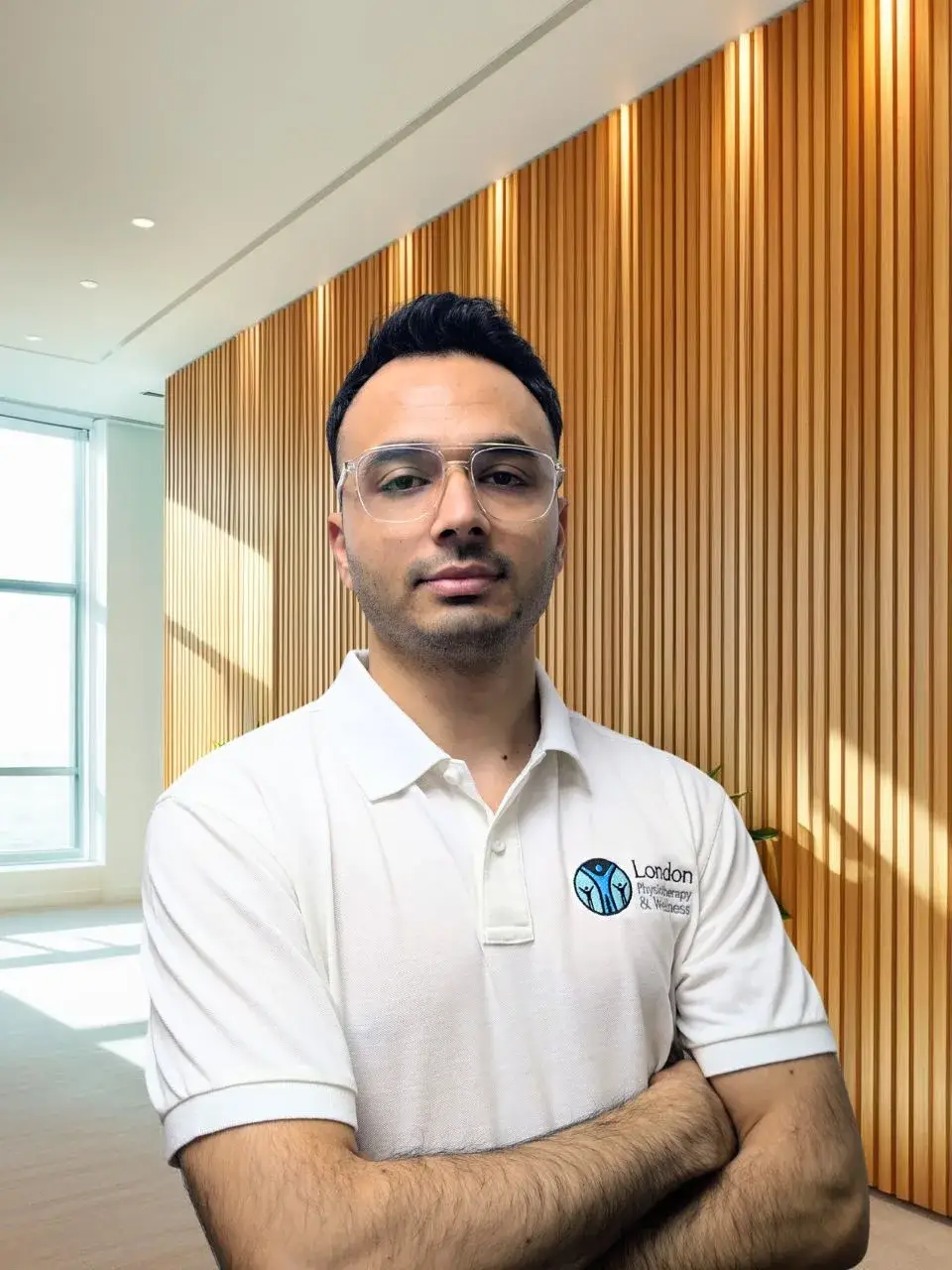
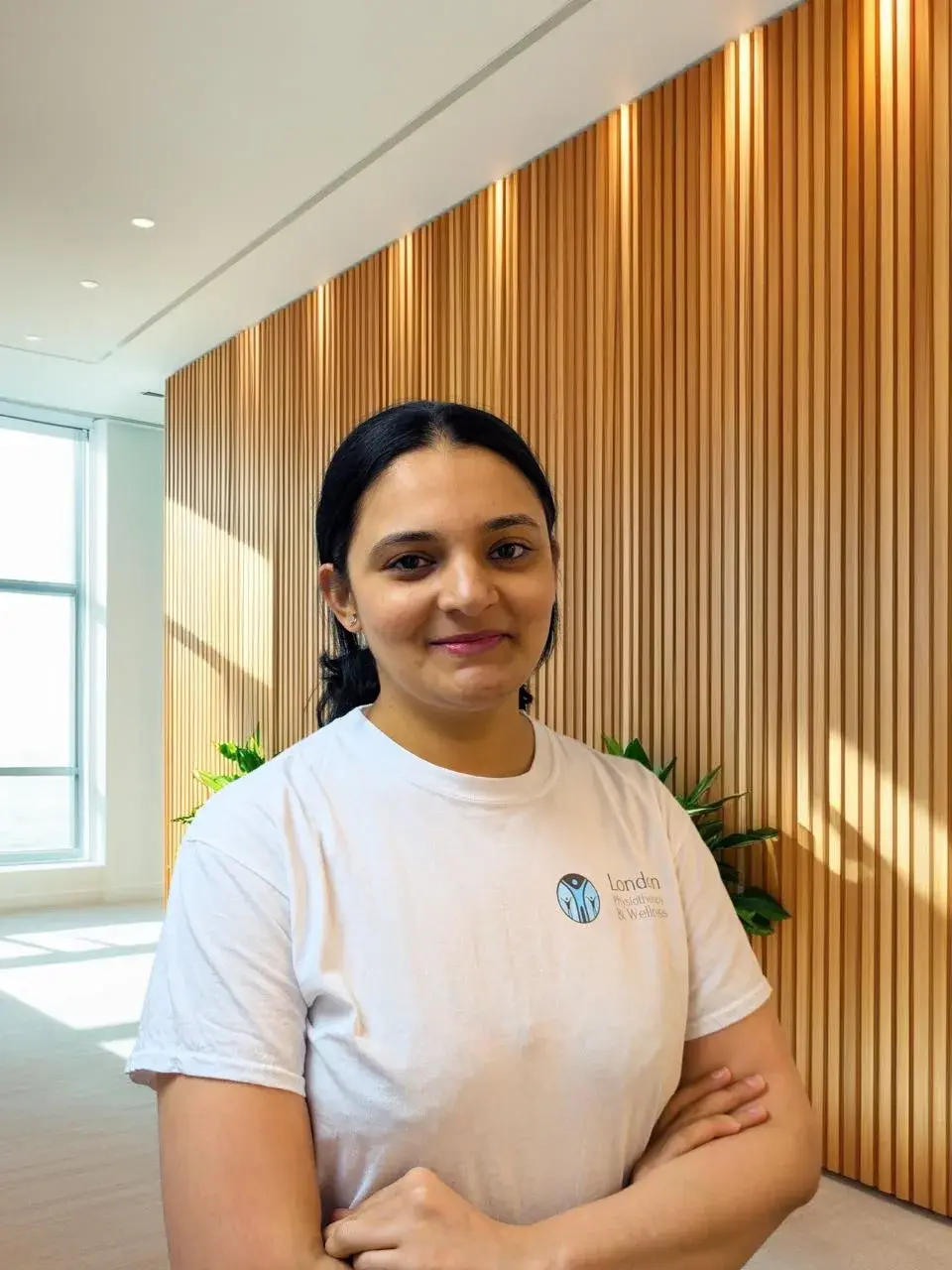
LPAW’s clinical team includes 19 practitioners, many holding postgraduate qualifications from UCL, King’s College London, and Guy’s and St Thomas’. Lead clinician Mr Arjun Viswanath MSc, MCSP, MPPA – Co-Founder and Consultant Physiotherapist – brings 25+ years of NHS and private experience including BMI London Independent Hospital and Harley Street.

Every clinician joining LPAW completes a mandatory intensive shadowing placement with our Consultant Physiotherapist before seeing patients independently. This is not a standard practice at most clinics – it’s our way of maintaining clinical consistency across the team.

How LPAW Treats Runner's Knee

Physiotherapy
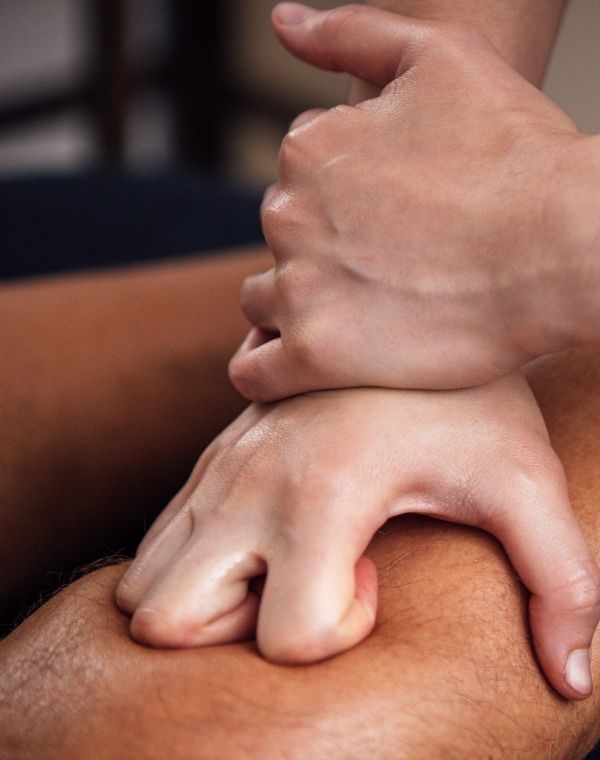
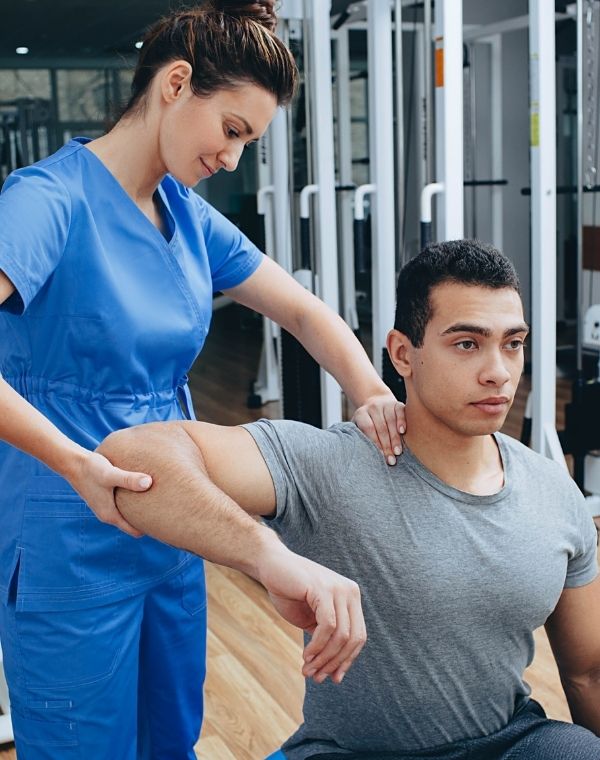
  • Manual therapy — joint mobilisation and soft tissue techniques to reduce pain and restore movement
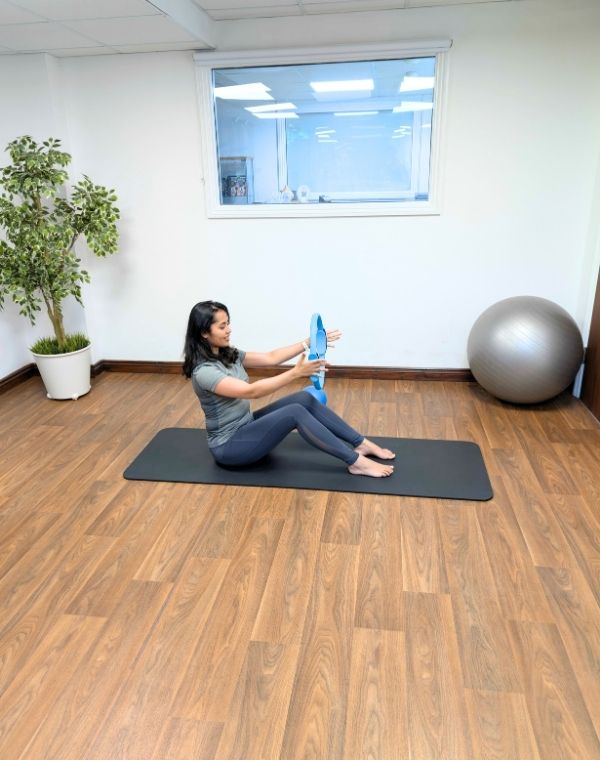
  • Exercise prescription — targeted to address identified muscle imbalances (typically weak deep stabilisers, gluteals, and hip extensors; tight hip flexors and hamstrings)
  • Education — understanding the nature of back pain, its natural history, and activity modification
  • Postural and ergonomic guidance
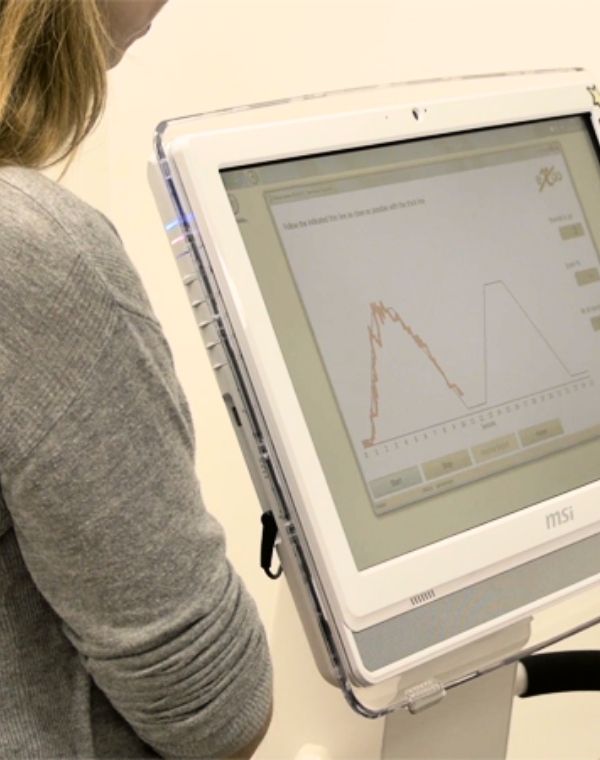
[running assessment] at LPAW is often the starting point for runner’s knee. Gait analysis on our clinical treadmill identifies the specific biomechanical contributors present — pelvic drop, overstriding, knee valgus pattern, foot strike — and clinical testing identifies the hip and quadriceps strength deficits driving them.


Without this assessment, treatment is guesswork. With it, the rehabilitation programme is targeted precisely at the contributing factors in your gait.

For runners, biomechanical retraining is often as important as strengthening. Based on gait analysis findings, your physiotherapist may prescribe:
  • Cadence increase, typically targeting 165–175 steps per minute (from a typical baseline of 155–160). Small increases in cadence reduce stride length, decrease overstriding forces, and reduce patellofemoral joint reaction forces. A 2015 study in the Journal of Orthopaedic & Sports Physical Therapy found cadence increases of 10% reduced patellofemoral joint loading by up to 14%.
  • Hip drop cue, conscious focus on maintaining a level pelvis during running, reducing the valgus moment at the knee.
  • Forward lean correction, a slight increase in forward trunk inclination can help shift load away from the patellofemoral joint.

PFPS is a load-sensitive condition. During rehabilitation, total running volume is temporarily reduced — typically by 40–60% from the volume at which symptoms appeared — before being progressively reloaded over 6–12 weeks.

How LPAW Treats Runner's Knee

Most back pain is benign and responds to physiotherapy. However, certain features require urgent medical assessment. Seek immediate medical attention if you experience:

  • Manual therapy — joint mobilisation and soft tissue techniques to reduce pain and restore movement
  • Exercise prescription — targeted to address identified muscle imbalances (typically weak deep stabilisers, gluteals, and hip extensors; tight hip flexors and hamstrings)
  • Education — understanding the nature of back pain, its natural history, and activity modification
  • Postural and ergonomic guidance
A [running assessment] at LPAW is often the starting point for runner’s knee. Gait analysis on our clinical treadmill identifies the specific biomechanical contributors present — pelvic drop, overstriding, knee valgus pattern, foot strike — and clinical testing identifies the hip and quadriceps strength deficits driving them.

Without this assessment, treatment is guesswork. With it, the rehabilitation programme is targeted precisely at the contributing factors in your gait.

For runners, biomechanical retraining is often as important as strengthening. Based on gait analysis findings, your physiotherapist may prescribe:
  • Cadence increase, typically targeting 165–175 steps per minute (from a typical baseline of 155–160). Small increases in cadence reduce stride length, decrease overstriding forces, and reduce patellofemoral joint reaction forces. A 2015 study in the Journal of Orthopaedic & Sports Physical Therapy found cadence increases of 10% reduced patellofemoral joint loading by up to 14%.
  • Hip drop cue, conscious focus on maintaining a level pelvis during running, reducing the valgus moment at the knee.
  • Forward lean correction, a slight increase in forward trunk inclination can help shift load away from the patellofemoral joint.
PFPS is a load-sensitive condition. During rehabilitation, total running volume is temporarily reduced — typically by 40–60% from the volume at which symptoms appeared — before being progressively reloaded over 6–12 weeks.

What Our Patients Say

From the moment I walked into this clinic, I knew everything was going to be okay. After seeing many physios, Priyanka, the pelvic specialist, was the first one to properly diagnose my back injury and choose exercises that were actually right for my condition.

I HIGHLY recommend hydrotherapy. This clinic has truly been life-changing for me. When you live with constant pain, finding real relief is priceless.

Thank you for the care, professionalism, and for giving me hope again ❤️
Molly W. profile picture
Molly W.
1 month ago
We had 6 of their amazing physiotherapist support London’s Air Ambulance Charity’s post-race reception for the 2026 London Marathon. Their communication before and during the event was excellent and all our runners have commented on how much their post-race massage has helped them with their recovery. We hope to work with them again in the future
Percy C. profile picture
Percy C.
2 months ago
Extremely impressed by the service offered. I injured my knee a while ago and they have been amazing in helping me with me recovery. Uzair Ahmed is very knowledgable and I really trust him with my recovery journey. Would highly recommend!
Ziya H. profile picture
Ziya H.
2 months ago
Been coming here for over a year every six weeks. Very professional and friendly at the same time. Can highly recommend. Big shout out to Mohammed and great reception service.
Kevin P. profile picture
Kevin P.
2 months ago
Fantastic treatment available! Enquired at short notice and they had a superfast response, and the treatment was excellent. Thank you!!
James L. profile picture
James L.
2 months ago
The team were highly professional, pleasant and helpful throughout my process of physiotherapy. I highly recommend this therapy clinic!
Em H. profile picture
Em H.
2 months ago
Had a couple of excellent sessions with Priyanka Shah, with really useful exercises and advice. Highly recommend!
Nicola W. profile picture
Nicola W.
3 months ago
Helpful and knowledgeable. Thank you!
Richard T. profile picture
Richard T.
3 months ago
I suffer with lower back disc bulges pinching my muscles and severely limiting my mobility, stability, and indeed causing agonising pain at the worst of times. I received a kind, patient and conscientious home visit at first before being invited to hydrotherapy at the clinic. 2 sessions in and I'm loving it so much, I'm determined to get one of these pools for myself later on in life. Couldn't recommend them highly enough.
Chris C. profile picture
Chris C.
3 months ago
Miracle workers!! Great gym rehab facilities patience to really understand the problem. Would highly recommend for anyone with chronic neck or back pain who are prepared to do some work on themselves.
Arif H. profile picture
Arif H.
3 months ago
Have been attending sessions for Physiotherapy here twice a week for many weeks now. Everyone is very patient and understanding. My treatment is going exceptionally well so far and Im already seeing massive progress from before my first ever session.
Would definitely recommend this clinic for anyone who needs rehabilitation or treatment!
D.Iyalla 1 profile picture
D.Iyalla 1
4 months ago
I’ve been attending London Physiotherapy And Wellness Stratford for 3 weeks now and already there are improvements in the areas I had problems with.
The physiotherapist is very knowledgeable and passionate about how he can help to improve & build your strength.
To help you recover is his main focus.
Not only is the physiotherapists customer service is great the admin team is also.
I personally recommend.
Ollie S. profile picture
Ollie S.
4 months ago
I had to visit the clinic for a hip injury I received from running. I started physio with Anup back in November and started with hydrotherapy, moving into physio in the new year. I've had a great experience with Anup and now I'm well on the road to recovery, I've started running again and I know what strength workouts I should be doing to keep up my recovery. So glad I found Anup and the clinic and would recommend them to anyone who has an injury!
无颜Music profile picture
无颜Music
4 months ago
The location is really convenient for me. The physiotherapist was very knowledgeable. He helped me identified the root cause of my heel pain and provided me with a clear pathway to my recovery.
Will recommend them ????????
Ervis L. profile picture
Ervis L.
6 months ago
I was assisted by Priyanka while recovering from a torn quad, and I couldn’t have asked for a better physiotherapist. She was incredibly supportive during a moment of real vulnerability, and I always felt truly taken care of. Her focus during every session was exceptional she even kept counting my reps to make sure I stayed on track!

Priyanka is a wonderful asset to the team, and I feel very lucky to have had her during my recovery. Highly recommended.
andrea B. profile picture
andrea B.
8 months ago
Best Physio ever. I visited the clinic after I damaged the ACL ligament practicing judo. I was unable to walk, using crutches and couldn't bend the leg. I was initially told by the doctor to wait at least 6/7 months to be fully recovered and the physiotherapy was the only way to get better. Thanks to the skilled clinic and very professional physiotherapist, they managed to get me back on trainings after 3/4 months only having now a stronger knee than before. I was assisted my Mohammed N R and his job was beyond the expectations. They have specific equipment to practice a high variety of exercises and furthermore they are super friendly and easy reachable by email or phone for last minute doubts. I cannot thank more for the assistance received for a faster recovery they granted me. I fully recommend them.

Ready to bounce back better?

Frequently Asked Questions

Chondromalacia patellae refers to softening or damage to the articular cartilage on the back of the kneecap. It is visible on MRI and can be associated with PFPS, but many patients with PFPS have normal cartilage on imaging, and many people with chondromalacia are asymptomatic. For practical purposes, treatment of PFPS focuses on the biomechanical contributors rather than the cartilage, and the prognosis is good for most patients.
An MRI is not routinely necessary for runner’s knee. PFPS is a clinical diagnosis. MRI is considered if symptoms are atypical, if there is concern about cartilage damage or other structural pathology (meniscal tear, ACL), or if symptoms are not responding as expected. Your physiotherapist will advise.
Foot orthotics may help patients with significant overpronation contributing to knee valgus. However, the evidence suggests that hip strengthening produces more durable improvement than orthotics alone, and orthotics should be used as part of a broader management plan rather than as a standalone treatment.
Generally yes. Cycling is low patellofemoral load at normal saddle heights and is an excellent cross-training option during PFPS rehabilitation. Swimming is well-tolerated. Avoid deep knee flexion activities (deep squats, cycling with very low saddle) in the early stages.
Descending stairs requires the quadriceps to work eccentrically (lengthening under load) to control the descent, which generates significantly higher patellofemoral joint contact forces than ascending. This is a hallmark feature of PFPS and is why step-down control and eccentric quad loading are central to rehabilitation.

Recovery

Recovery Timeline
  • With appropriate management, most runners with PFPS achieve:
  • Significant pain reduction: 4–8 weeks
  • Return to full training volume: 8–16 weeks
  • Full, symptom-free running: 3–6 months for established cases
  • PFPS that has been present for more than 12 months, or that has repeatedly been rested and then returned to without proper rehabilitation, may take longer to resolve. However, the vast majority of patients do achieve full running recovery with the right treatment approach.
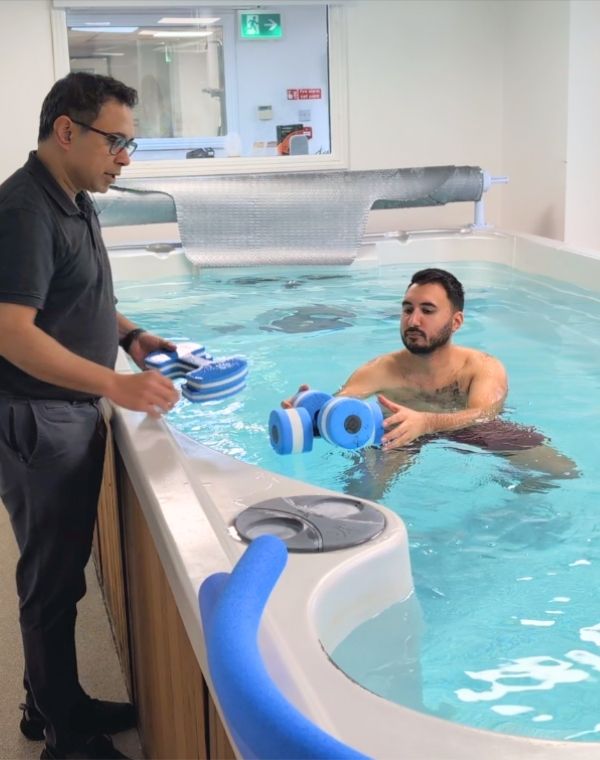
  • Don’t stop running completely unless pain is severe. Maintain fitness with low-impact alternatives such as cycling, swimming, or hydrotherapy, and reduce but don’t eliminate running.
  • Strengthen your hips. Start with exercises such as clamshells and bridge variations. These should be continued even after symptoms improve.
  • Avoid downhill running during rehabilitation, as this places the highest load on the patellofemoral joint.
  • Review your training plan. Calculate recent mileage increases — if weekly load has increased by more than 10%, this is likely contributing to symptoms.
  • Check your shoes. Running shoes should typically be replaced every 300–500 miles, as worn cushioning increases impact forces.

Recovery

  • With appropriate management, most runners with PFPS achieve:
  • Significant pain reduction: 4–8 weeks
  • Return to full training volume: 8–16 weeks
  • Full, symptom-free running: 3–6 months for established cases
  • PFPS that has been present for more than 12 months, or that has repeatedly been rested and then returned to without proper rehabilitation, may take longer to resolve. However, the vast majority of patients do achieve full running recovery with the right treatment approach.
 
  • Don’t stop running completely unless pain is severe. Maintain fitness with low-impact alternatives such as cycling, swimming, or hydrotherapy, and reduce but don’t eliminate running.
  • Strengthen your hips. Start with exercises such as clamshells and bridge variations. These should be continued even after symptoms improve.
  • Avoid downhill running during rehabilitation, as this places the highest load on the patellofemoral joint.
  • Review your training plan. Calculate recent mileage increases — if weekly load has increased by more than 10%, this is likely contributing to symptoms.
  • Check your shoes. Running shoes should typically be replaced every 300–500 miles, as worn cushioning increases impact forces.
 

What We Do

Start your journey to
better health

See all

Not sure what to book?