


Meniscus Tears

Meniscus Tear Treatment in East London — Conservative Rehab & Post-Surgical Recovery

Start Your Recovery

A meniscus tear is one of the most common knee injuries, affecting both athletes and non-athletes. It is also one of the most mismanaged — either over-medicalised (with early surgery that evidence now suggests is often no better than rehabilitation) or dismissed (with inadequate rehabilitation that allows symptoms to persist).

At LPAW, we apply current evidence to meniscus management: a thorough assessment to identify the tear pattern and functional impact, an honest conversation about conservative versus surgical options, and a structured rehabilitation programme that achieves the best possible outcome for your knee.
Physiotherapy Hydrotherapy Shockwave Sports Therapy Women's Health Dry Needling Osteopathy Pilates by Physios Babies & Children Men's Health Massage Running Assessments PTNS Post-Op Biofeedback Soft Tissue Therapy Manual Therapy Pre-Op Trigger Point Release Med-X Strengthening Physiotherapy Hydrotherapy Shockwave Sports Therapy Women's Health Dry Needling Osteopathy Pilates by Physios Babies & Children Men's Health Massage Running Assessments PTNS Post-Op Biofeedback Soft Tissue Therapy Manual Therapy Pre-Op Trigger Point Release Med-X Strengthening
What Are the Menisci?

The menisci are two C-shaped wedges of fibrocartilage — the medial and lateral menisci — that sit between the femur and tibia within the knee joint. They perform several important functions:

Load distribution: The menisci increase the contact area between the joint surfaces, helping distribute force across a wider area and reducing peak stress on the articular cartilage by up to 50%

Joint stability: The medial meniscus, in particular, acts as a secondary stabiliser against forward movement of the tibia, working alongside the ACL

Shock absorption: The fibrocartilage structure helps absorb impact forces during walking, running, and jumping

Lubrication and nutrition: The menisci help distribute synovial fluid across the joint surfaces, supporting cartilage health

Because of these important functions, preserving meniscal tissue is now considered a priority whenever possible. Over the past decade, orthopaedic management has shifted away from routine early surgery and towards meniscal preservation where appropriate.

  • Localised pain along the medial or lateral joint line
  • Swelling, which may occur immediately or develop gradually over 24–48 hours
  • Stiffness within the knee joint
  • Clicking, clunking, or popping sensations
  • Locking: Inability to fully straighten the knee, which may suggest a bucket-handle meniscal tear
  • Episodes of giving way or instability
  • Pain during deep squatting, twisting, or pivoting movements
  • Locked knee: Inability to fully straighten the knee is considered an urgent presentation. A displaced bucket-handle tear may require prompt orthopaedic assessment and potentially urgent surgery to restore movement and reduce the risk of cartilage damage.
  • Significant injury with rapid swelling: A large haemarthrosis (bleeding into the joint) may indicate an associated ACL injury.
  • Meniscal injuries in children and adolescents: These should be assessed early, as paediatric meniscal tears can behave differently from adult tears and may require different management approaches.

Acute traumatic tears: These typically occur during a twisting injury when the foot is planted and the knee is loaded. Symptoms usually begin suddenly and are often followed by swelling within 24–48 hours. These injuries are common in sports such as football, rugby, basketball, and skiing. The medial meniscus is injured more frequently than the lateral meniscus.
Degenerative (atraumatic) tears: In adults over the age of 35–40, meniscal tears can occur with relatively minor stress or even without a clear injury, as part of age-related degenerative change. Degenerative meniscal changes are extremely common. A 2014 study published in the New England Journal of Medicine found evidence of meniscal degeneration on MRI in 61% of adults over 50 with knee pain, but also in 32% of asymptomatic adults over 50. This is important because the presence of a meniscal tear on MRI does not necessarily mean it is the source of the patient’s pain.

The menisci are two C-shaped wedges of fibrocartilage — the medial and lateral menisci — that sit between the femur and tibia within the knee joint. They perform several important functions:

Load distribution: The menisci increase the contact area between the joint surfaces, helping distribute force across a wider area and reducing peak stress on the articular cartilage by up to 50%

Joint stability: The medial meniscus, in particular, acts as a secondary stabiliser against forward movement of the tibia, working alongside the ACL

Shock absorption: The fibrocartilage structure helps absorb impact forces during walking, running, and jumping

Lubrication and nutrition: The menisci help distribute synovial fluid across the joint surfaces, supporting cartilage health

Because of these important functions, preserving meniscal tissue is now considered a priority whenever possible. Over the past decade, orthopaedic management has shifted away from routine early surgery and towards meniscal preservation where appropriate.


  • Localised pain along the medial or lateral joint line
  • Swelling, which may occur immediately or develop gradually over 24–48 hours
  • Stiffness within the knee joint
  • Clicking, clunking, or popping sensations
  • Locking: Inability to fully straighten the knee, which may suggest a bucket-handle meniscal tear
  • Episodes of giving way or instability
  • Pain during deep squatting, twisting, or pivoting movements
  • Locked knee: Inability to fully straighten the knee is considered an urgent presentation. A displaced bucket-handle tear may require prompt orthopaedic assessment and potentially urgent surgery to restore movement and reduce the risk of cartilage damage.
  • Significant injury with rapid swelling: A large haemarthrosis (bleeding into the joint) may indicate an associated ACL injury.
  • Meniscal injuries in children and adolescents: These should be assessed early, as paediatric meniscal tears can behave differently from adult tears and may require different management approaches.

Acute traumatic tears: These typically occur during a twisting injury when the foot is planted and the knee is loaded. Symptoms usually begin suddenly and are often followed by swelling within 24–48 hours. These injuries are common in sports such as football, rugby, basketball, and skiing. The medial meniscus is injured more frequently than the lateral meniscus.
Degenerative (atraumatic) tears: In adults over the age of 35–40, meniscal tears can occur with relatively minor stress or even without a clear injury, as part of age-related degenerative change. Degenerative meniscal changes are extremely common. A 2014 study published in the New England Journal of Medicine found evidence of meniscal degeneration on MRI in 61% of adults over 50 with knee pain, but also in 32% of asymptomatic adults over 50. This is important because the presence of a meniscal tear on MRI does not necessarily mean it is the source of the patient’s pain.


Meet our team of experts

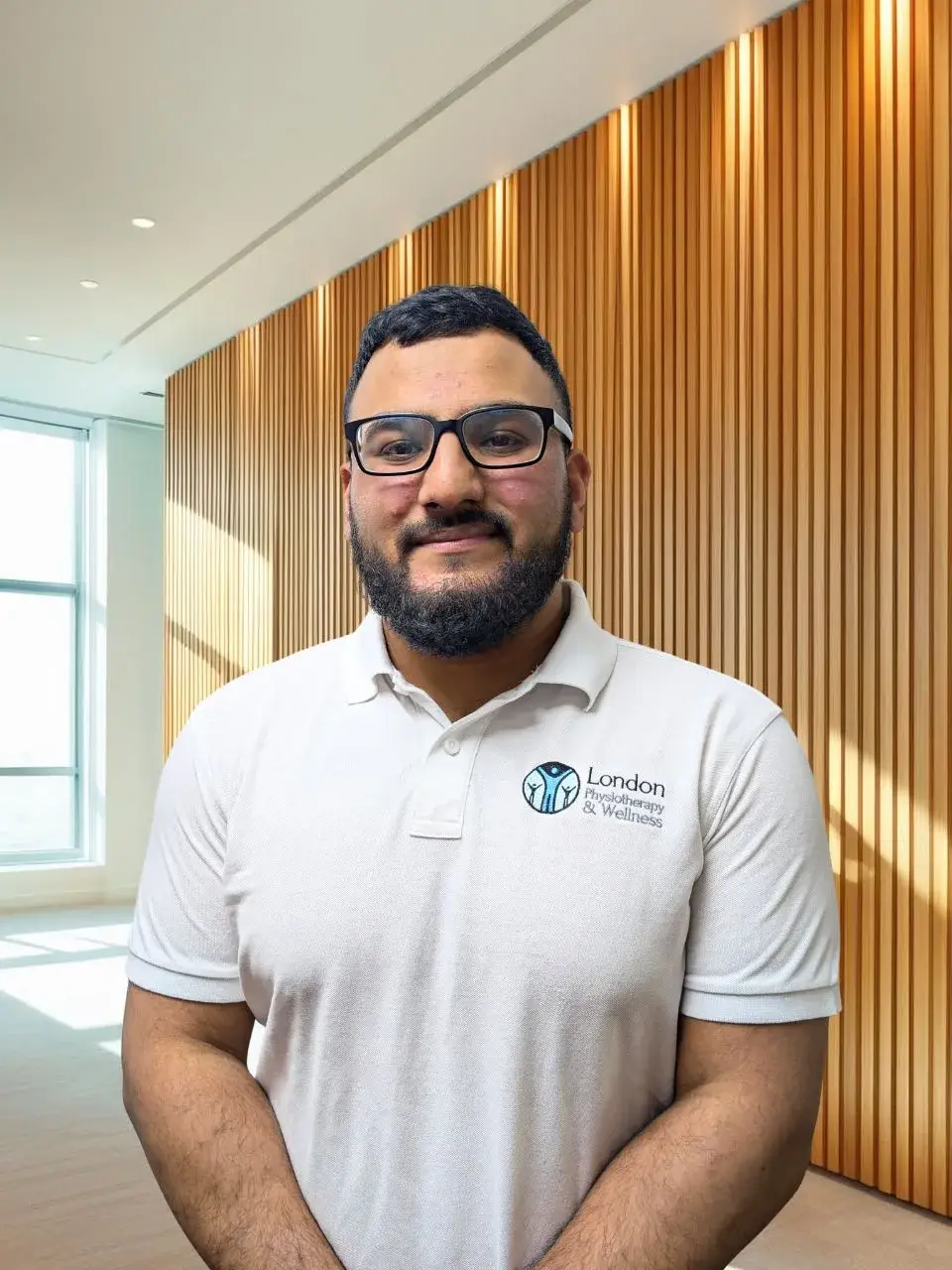
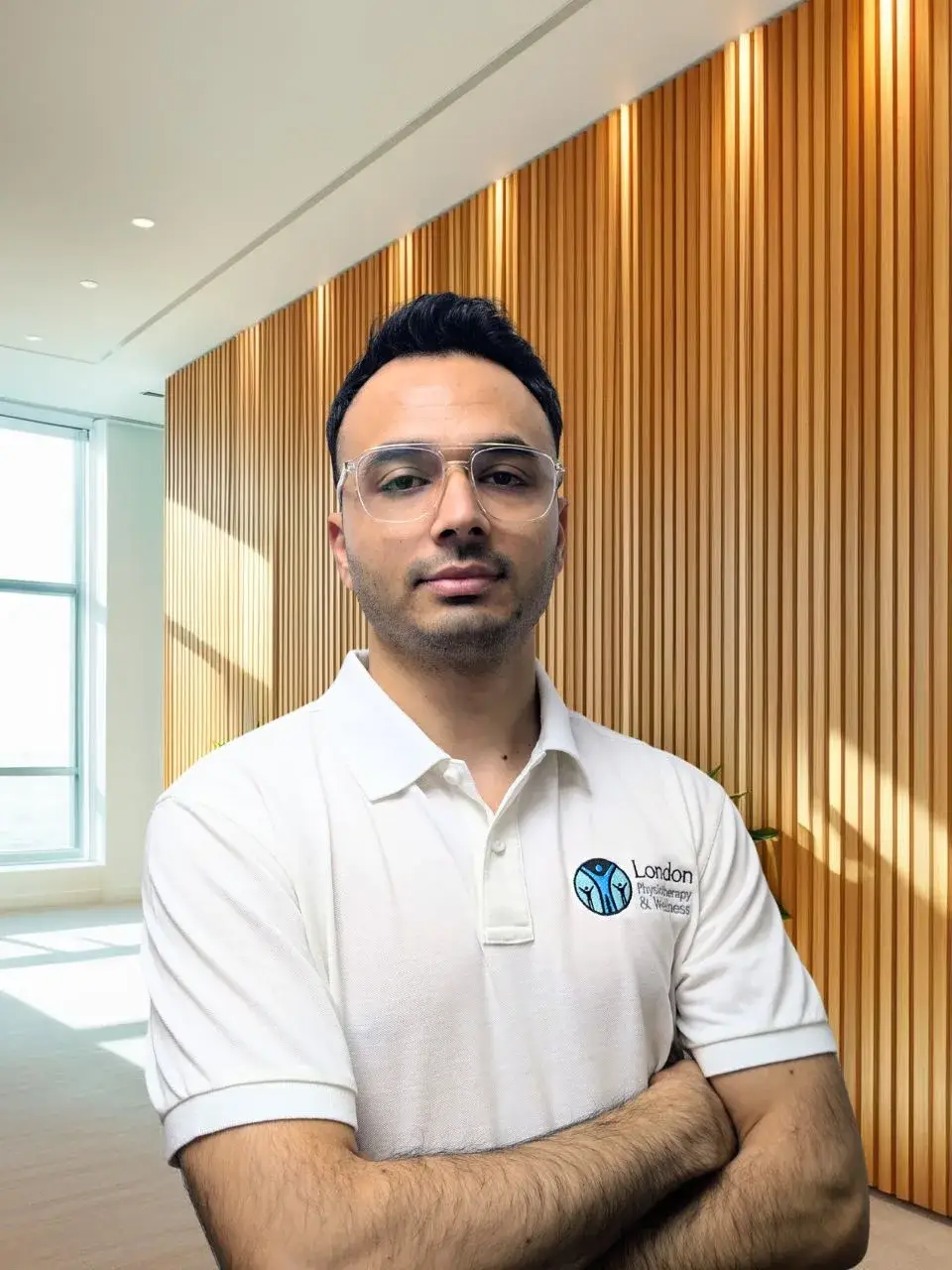
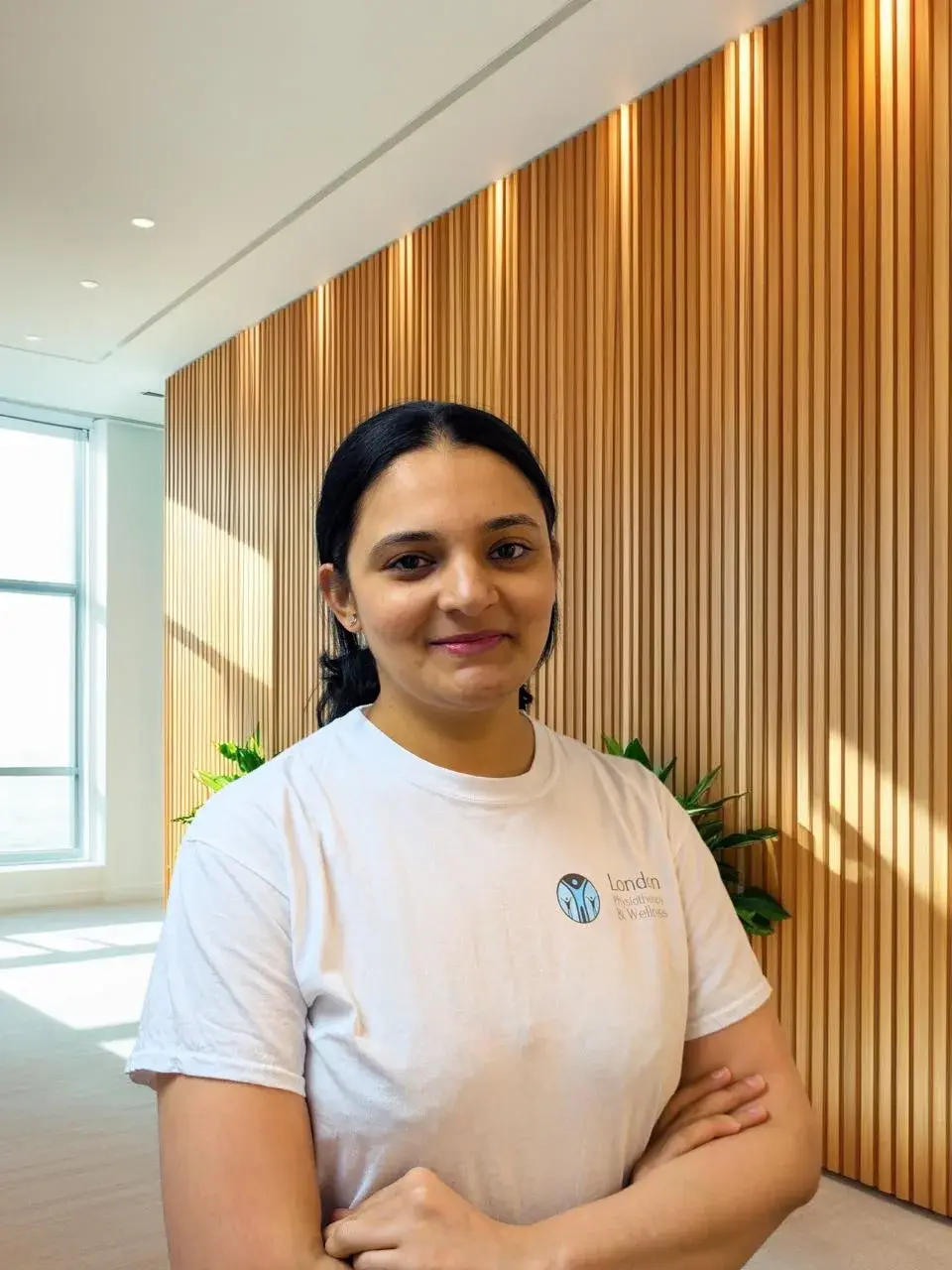
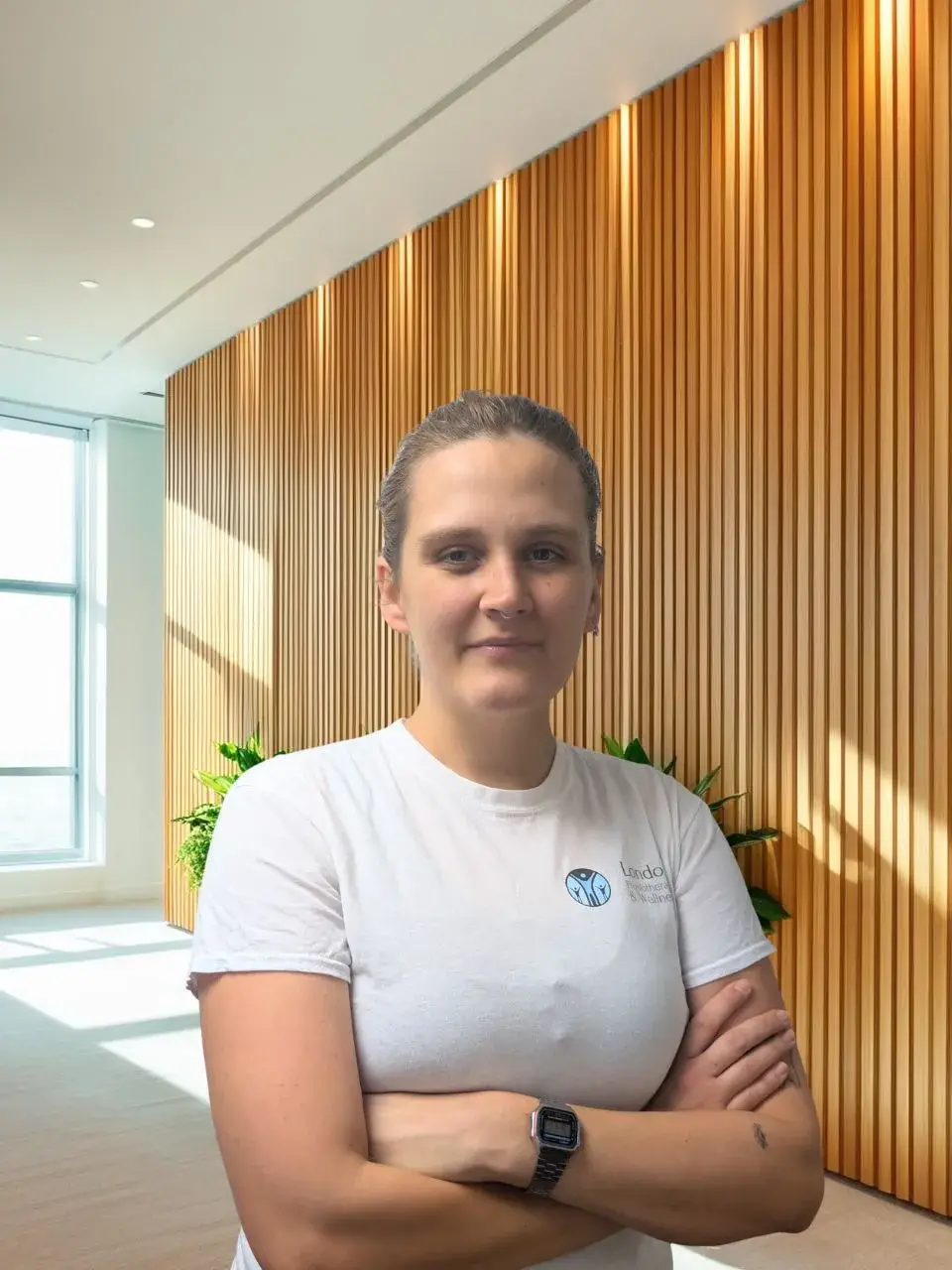
LPAW’s clinical team includes 19 practitioners, many holding postgraduate qualifications from UCL, King’s College London, and Guy’s and St Thomas’. Lead clinician Mr Arjun Viswanath MSc, MCSP, MPPA – Co-Founder and Consultant Physiotherapist – brings 25+ years of NHS and private experience including BMI London Independent Hospital and Harley Street.

Every clinician joining LPAW completes a mandatory intensive shadowing placement with our Consultant Physiotherapist before seeing patients independently. This is not a standard practice at most clinics – it’s our way of maintaining clinical consistency across the team.

How LPAW Treats Meniscus Tears

Conservative Physiotherapy

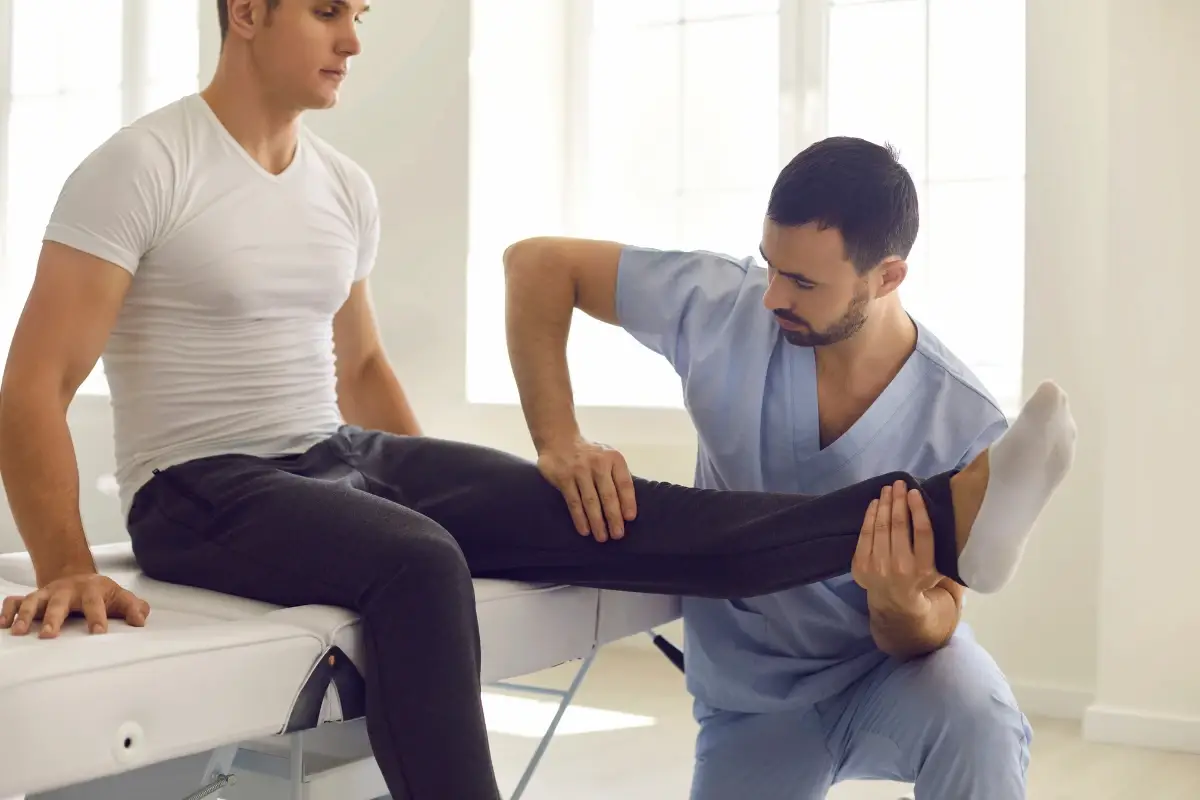
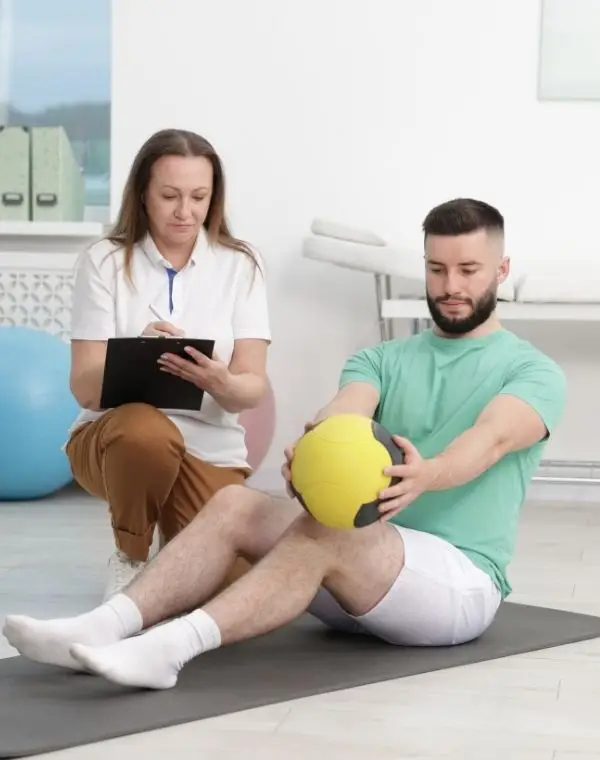
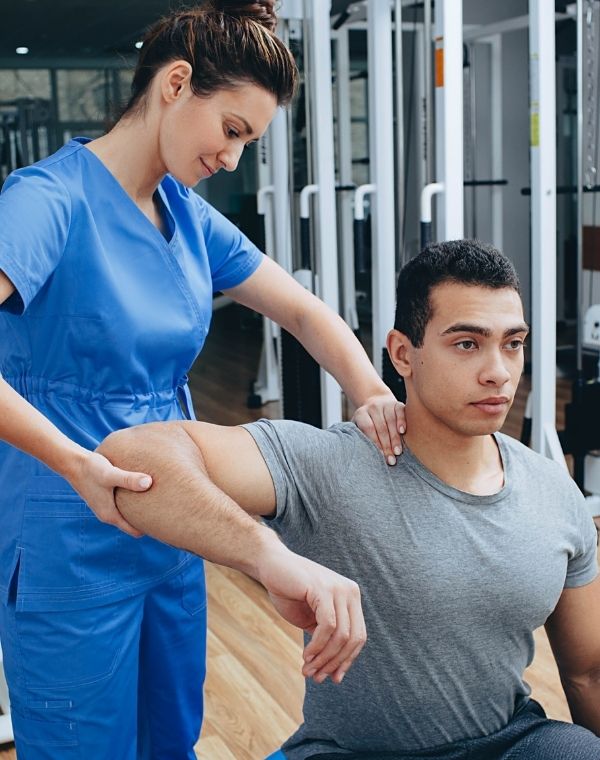
[Physiotherapy] for meniscus tears includes:

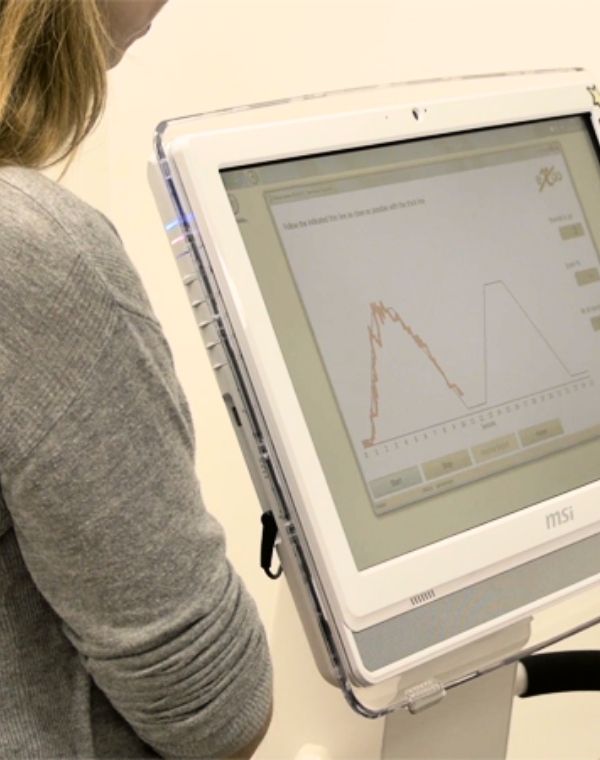
Quadriceps and hip strengthening: The foundation of conservative meniscus rehabilitation. Improving quadriceps strength can significantly reduce load through the meniscus and surrounding joint cartilage.

Range of motion restoration: Aimed at preventing joint stiffness while respecting pain levels and the specific tear pattern.

Load management: Gradual reintroduction of activities using a structured progression while monitoring symptom response.

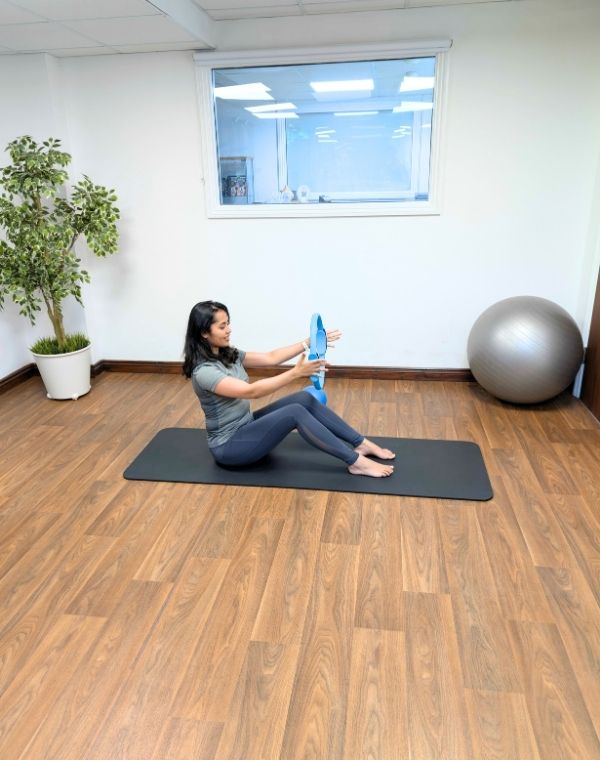
Neuromuscular training: Exercises targeting balance, proprioception, and dynamic knee stability.

Activity modification guidance: Advice on temporarily avoiding aggravating activities such as deep squatting, twisting, and high-impact loading, while maintaining overall fitness during rehabilitation.

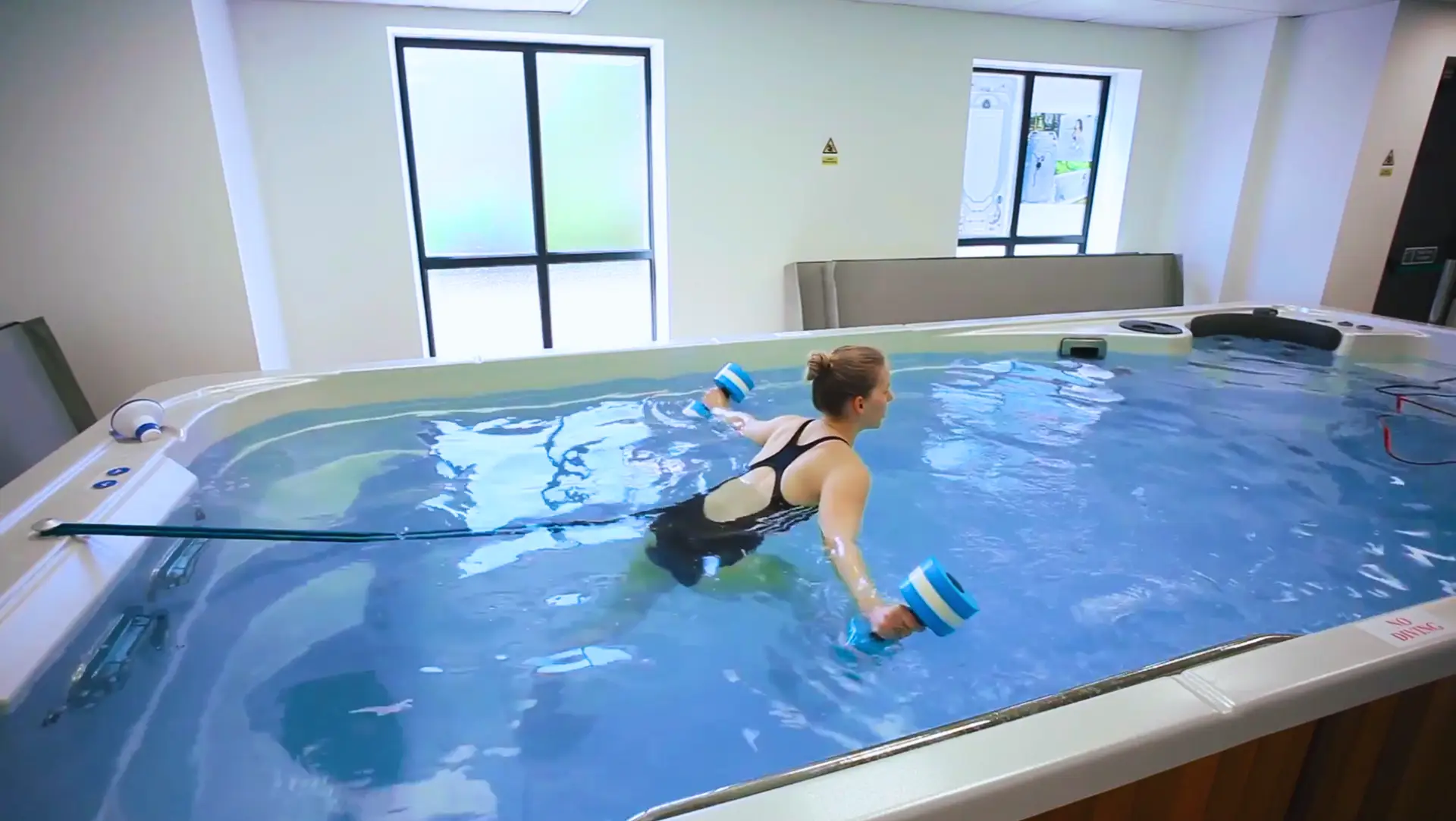
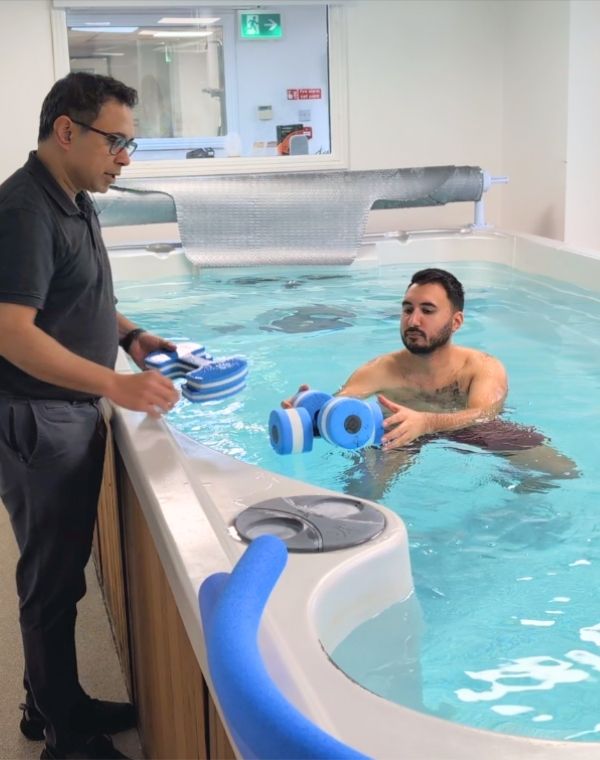
LPAW’s hydrotherapy pool — heated to 36°C — is invaluable for patients where back pain is severe enough to limit land-based exercise. The combination of buoyancy (reducing load on the spine) and warmth (reducing muscle spasm and improving circulation) allows movement and neural mobilisation exercises that are impossible or too painful on land. Hydrotherapy is particularly effective as an adjunct to Med-X rehabilitation for chronic back pain.

These are “red flags” that must be ruled out before physiotherapy treatment. Our physiotherapists conduct a full red flag screen at every initial assessment.

Following partial meniscectomy (removal of torn tissue): Return to full activity is generally faster than after meniscal repair, with most patients returning within 6–12 weeks. Rehabilitation focuses on restoring quadriceps function, regaining full range of motion, and progressively increasing load tolerance.

Following meniscal repair (suturing of the tear): Rehabilitation is more protective and gradual. Patients are commonly restricted to non-weight-bearing or toe-touch weight-bearing for approximately 4–6 weeks, often with limitations on knee flexion. Full rehabilitation typically takes 4–6 months. Hydrotherapy can be particularly useful during this phase because it allows earlier movement and loading in a reduced-impact environment.

In the long term, preserving meniscal tissue through repair is associated with better joint health outcomes compared with removing the damaged tissue.

How LPAW Treats Meniscus Tears

[Physiotherapy] for meniscus tears includes:

  • Quadriceps and hip strengthening: The foundation of conservative meniscus rehabilitation. Improving quadriceps strength can significantly reduce load through the meniscus and surrounding joint cartilage.
  • Range of motion restoration: Aimed at preventing joint stiffness while respecting pain levels and the specific tear pattern.
  • Load management: Gradual reintroduction of activities using a structured progression while monitoring symptom response.
  • Neuromuscular training: Exercises targeting balance, proprioception, and dynamic knee stability.
  • Activity modification guidance: Advice on temporarily avoiding aggravating activities such as deep squatting, twisting, and high-impact loading, while maintaining overall fitness during rehabilitation.


LPAW’s hydrotherapy pool — heated to 36°C — is invaluable for patients where back pain is severe enough to limit land-based exercise. The combination of buoyancy (reducing load on the spine) and warmth (reducing muscle spasm and improving circulation) allows movement and neural mobilisation exercises that are impossible or too painful on land. Hydrotherapy is particularly effective as an adjunct to Med-X rehabilitation for chronic back pain.

Following partial meniscectomy (removal of torn tissue): Return to full activity is generally faster than after meniscal repair, with most patients returning within 6–12 weeks. Rehabilitation focuses on restoring quadriceps function, regaining full range of motion, and progressively increasing load tolerance.

Following meniscal repair (suturing of the tear): Rehabilitation is more protective and gradual. Patients are commonly restricted to non-weight-bearing or toe-touch weight-bearing for approximately 4–6 weeks, often with limitations on knee flexion. Full rehabilitation typically takes 4–6 months. Hydrotherapy can be particularly useful during this phase because it allows earlier movement and loading in a reduced-impact environment.

In the long term, preserving meniscal tissue through repair is associated with better joint health outcomes compared with removing the damaged tissue.


What Our Patients Say

Cibelle Andrada S. profile picture
Cibelle Andrada S.
2 months ago
From the moment I walked into this clinic, I knew everything was going to be okay. After seeing many physios, Priyanka, the pelvic specialist, was the first one to properly diagnose my back injury and choose exercises that were actually right for my condition.

I HIGHLY recommend hydrotherapy. This clinic has truly been life-changing for me. When you live with constant pain, finding real relief is priceless.

Thank you for the care, professionalism, and for giving me hope again ❤️
Molly W. profile picture
Molly W.
3 months ago
We had 6 of their amazing physiotherapist support London’s Air Ambulance Charity’s post-race reception for the 2026 London Marathon. Their communication before and during the event was excellent and all our runners have commented on how much their post-race massage has helped them with their recovery. We hope to work with them again in the future
Percy C. profile picture
Percy C.
3 months ago
Extremely impressed by the service offered. I injured my knee a while ago and they have been amazing in helping me with me recovery. Uzair Ahmed is very knowledgable and I really trust him with my recovery journey. Would highly recommend!
Ziya H. profile picture
Ziya H.
3 months ago
Been coming here for over a year every six weeks. Very professional and friendly at the same time. Can highly recommend. Big shout out to Mohammed and great reception service.
Kevin P. profile picture
Kevin P.
3 months ago
Fantastic treatment available! Enquired at short notice and they had a superfast response, and the treatment was excellent. Thank you!!
James L. profile picture
James L.
3 months ago
The team were highly professional, pleasant and helpful throughout my process of physiotherapy. I highly recommend this therapy clinic!
Em H. profile picture
Em H.
3 months ago
Had a couple of excellent sessions with Priyanka Shah, with really useful exercises and advice. Highly recommend!
Nicola W. profile picture
Nicola W.
4 months ago
Helpful and knowledgeable. Thank you!
Richard T. profile picture
Richard T.
5 months ago
I suffer with lower back disc bulges pinching my muscles and severely limiting my mobility, stability, and indeed causing agonising pain at the worst of times. I received a kind, patient and conscientious home visit at first before being invited to hydrotherapy at the clinic. 2 sessions in and I'm loving it so much, I'm determined to get one of these pools for myself later on in life. Couldn't recommend them highly enough.
Chris C. profile picture
Chris C.
5 months ago
Miracle workers!! Great gym rehab facilities patience to really understand the problem. Would highly recommend for anyone with chronic neck or back pain who are prepared to do some work on themselves.
Arif H. profile picture
Arif H.
5 months ago
Have been attending sessions for Physiotherapy here twice a week for many weeks now. Everyone is very patient and understanding. My treatment is going exceptionally well so far and Im already seeing massive progress from before my first ever session.
Would definitely recommend this clinic for anyone who needs rehabilitation or treatment!
D.Iyalla 1 profile picture
D.Iyalla 1
5 months ago
I’ve been attending London Physiotherapy And Wellness Stratford for 3 weeks now and already there are improvements in the areas I had problems with.
The physiotherapist is very knowledgeable and passionate about how he can help to improve & build your strength.
To help you recover is his main focus.
Not only is the physiotherapists customer service is great the admin team is also.
I personally recommend.
Ollie S. profile picture
Ollie S.
5 months ago
I had to visit the clinic for a hip injury I received from running. I started physio with Anup back in November and started with hydrotherapy, moving into physio in the new year. I've had a great experience with Anup and now I'm well on the road to recovery, I've started running again and I know what strength workouts I should be doing to keep up my recovery. So glad I found Anup and the clinic and would recommend them to anyone who has an injury!
无颜Music profile picture
无颜Music
5 months ago
The location is really convenient for me. The physiotherapist was very knowledgeable. He helped me identified the root cause of my heel pain and provided me with a clear pathway to my recovery.
Will recommend them ????????
Ervis L. profile picture
Ervis L.
8 months ago
I was assisted by Priyanka while recovering from a torn quad, and I couldn’t have asked for a better physiotherapist. She was incredibly supportive during a moment of real vulnerability, and I always felt truly taken care of. Her focus during every session was exceptional she even kept counting my reps to make sure I stayed on track!

Priyanka is a wonderful asset to the team, and I feel very lucky to have had her during my recovery. Highly recommended.
andrea B. profile picture
andrea B.
10 months ago
Best Physio ever. I visited the clinic after I damaged the ACL ligament practicing judo. I was unable to walk, using crutches and couldn't bend the leg. I was initially told by the doctor to wait at least 6/7 months to be fully recovered and the physiotherapy was the only way to get better. Thanks to the skilled clinic and very professional physiotherapist, they managed to get me back on trainings after 3/4 months only having now a stronger knee than before. I was assisted my Mohammed N R and his job was beyond the expectations. They have specific equipment to practice a high variety of exercises and furthermore they are super friendly and easy reachable by email or phone for last minute doubts. I cannot thank more for the assistance received for a faster recovery they granted me. I fully recommend them.

Ready to bounce back better?

Frequently Asked Questions

Tears in the outer third of the meniscus (the vascular zone with blood supply) can heal. Tears in the inner two-thirds cannot heal spontaneously. However, “healing” is not the only measure of outcome — many patients with non-healing tears achieve full symptomatic recovery with rehabilitation, as the symptoms are driven by abnormal joint mechanics rather than the presence of the tear itself.
The key surgical indications are: locking (bucket-handle tear), ongoing significant instability not responding to rehabilitation, acute traumatic tear in a young athlete with clear surgical anatomy on MRI. For degenerative tears in adults, the evidence increasingly favours a trial of physiotherapy before surgical consideration. Your physiotherapist will advise and can facilitate surgical referral where appropriate.
Depends on the tear pattern, symptoms, and stage of rehabilitation. During the acute phase, running on a symptomatic tear is not advisable — it can worsen the injury and increase swelling. During progressive rehabilitation, running is reintroduced gradually. Your physiotherapist will advise specifically on your return-to-running timeline.
Not necessarily. In adults over 35–40, meniscal changes on MRI are very common and not always symptomatic. The scan finding needs to be interpreted alongside your clinical presentation. If your symptoms, examination, and tear characteristics suggest conservative management is appropriate, the evidence supports giving rehabilitation a proper trial before committing to surgery.
Meniscal repair (suturing the tear) takes longer to recover from than meniscectomy (removal of the torn piece) because the tissue needs time to heal under a protected protocol. Most patients return to full sport at 4–6 months. The longer recovery is worth it for the right patient — preserving meniscal tissue reduces the risk of early-onset knee osteoarthritis.

Recovery

Recovery Timeline
  • Conservative management for a minor tear: 6–12 weeks
  • Conservative management for a significant degenerative tear: 3–6 months
  • Post-partial meniscectomy: Approximately 6–12 weeks to return to full activity
  • Post-meniscal repair: Around 4–6 months before return to sport
  •  
  • Avoid deep squatting and pivoting in the early stages: These movements place high compressive and shear forces through the meniscus and may aggravate symptoms.
  • Maintain quadriceps strength: Exercises such as seated knee extensions, terminal knee extensions (TKEs), and straight-leg raises are generally safe and effective during rehabilitation.
  • Stay active within tolerable limits: Cycling, swimming, and walking on flat ground are often well tolerated and can help maintain fitness during recovery.
  • Use ice after activity if needed: Applying ice for 15–20 minutes after exercise that provokes mild swelling can help manage post-activity irritation.
  • Avoid complete rest: Joint cartilage and meniscal health rely on regular movement and loading. Prolonged inactivity is usually counterproductive.

Recovery

  • Conservative management for a minor tear: 6–12 weeks
  • Conservative management for a significant degenerative tear: 3–6 months
  • Post-partial meniscectomy: Approximately 6–12 weeks to return to full activity
  • Post-meniscal repair: Around 4–6 months before return to sport
  • Avoid deep squatting and pivoting in the early stages: These movements place high compressive and shear forces through the meniscus and may aggravate symptoms.
  • Maintain quadriceps strength: Exercises such as seated knee extensions, terminal knee extensions (TKEs), and straight-leg raises are generally safe and effective during rehabilitation.
  • Stay active within tolerable limits: Cycling, swimming, and walking on flat ground are often well tolerated and can help maintain fitness during recovery.
  • Use ice after activity if needed: Applying ice for 15–20 minutes after exercise that provokes mild swelling can help manage post-activity irritation.
  • Avoid complete rest: Joint cartilage and meniscal health rely on regular movement and loading. Prolonged inactivity is usually counterproductive.


What We Do

Start your journey to
better health

See all

Not sure what to book?