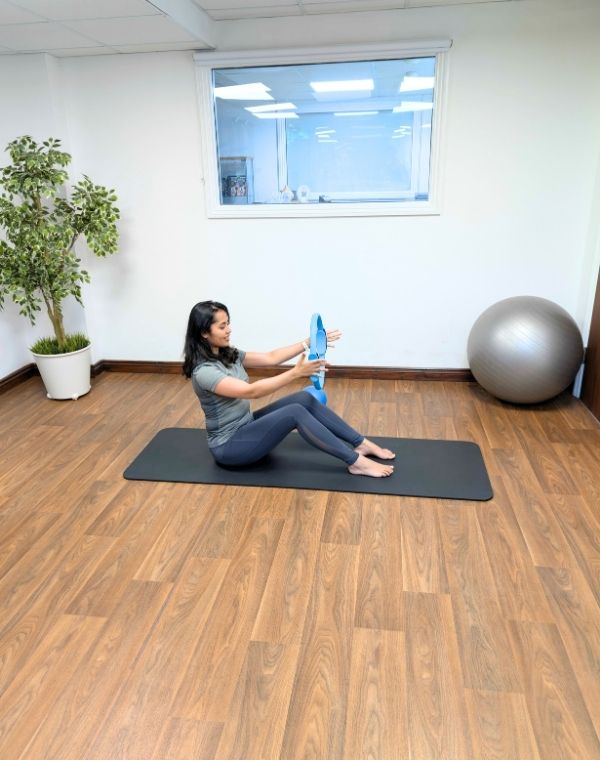


The main LPAW clinic is in Bow, E3, London, right next to The Bow Quarter. This bright and spacious clinic offers 4 treatment rooms, 2 changing rooms with showers, a large rehab gym, & onsite hydrotherapy in our 17 foot pool.
The LPAW satellite clinic is based in Stratford East Village where we run a thriving sports rehab offering.
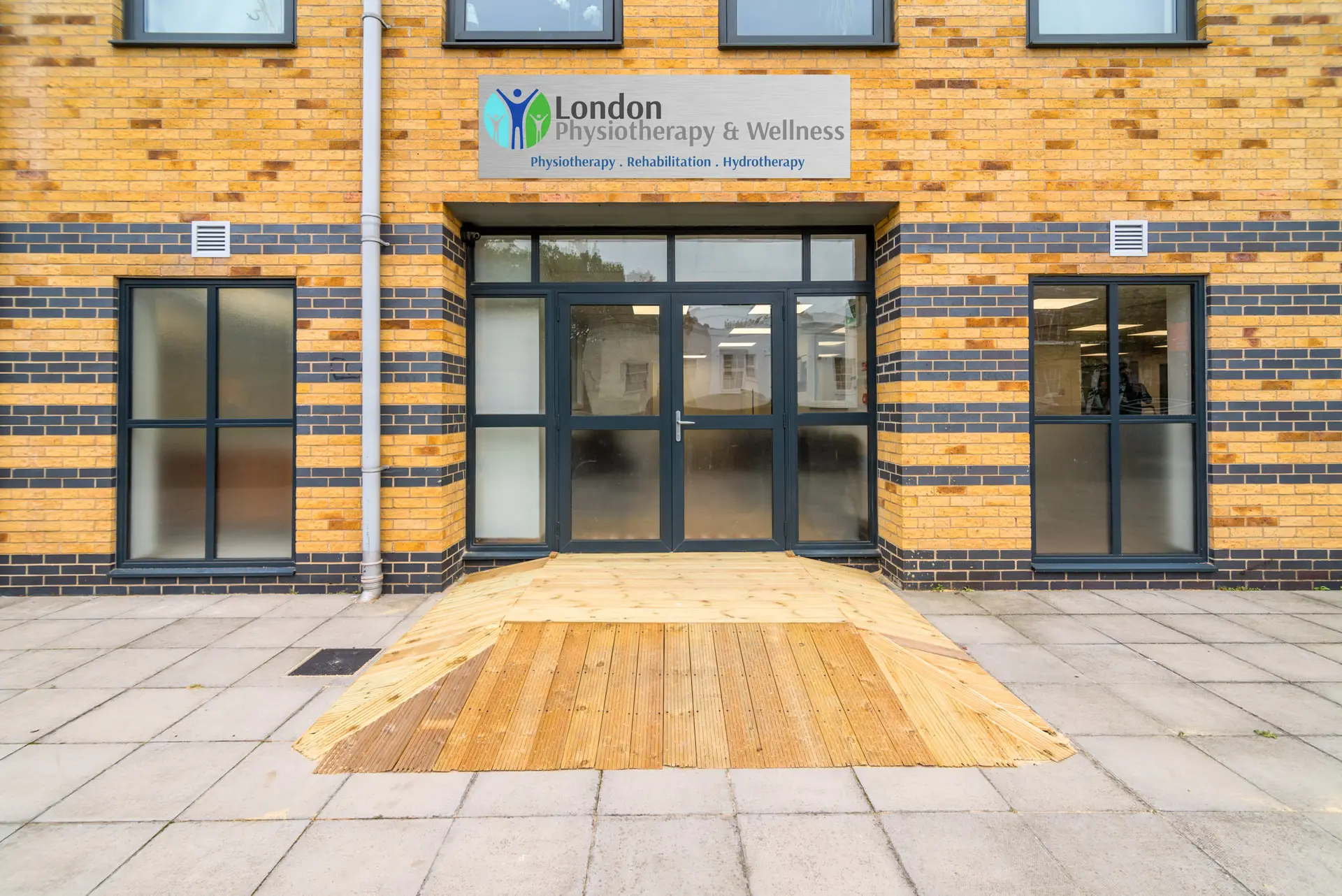
The main LPAW clinic is in Bow, E3, London, right next to The Bow Quarter. This bright and spacious clinic offers 4 treatment rooms, 2 changing rooms with showers, a large rehab gym, & onsite hydrotherapy in our 17 foot pool.
The LPAW satellite clinic is based in Stratford East Village where we run a thriving sports rehab offering.
The anterior cruciate ligament (ACL) runs diagonally through the centre of the knee, connecting the femur (thigh bone) to the tibia (shin bone). Its primary role is to prevent the tibia from sliding forwards relative to the femur and to control rotational stability. The ACL is particularly important during cutting, pivoting, landing, and deceleration movements.
ACL tears typically occur through:
Non-contact mechanisms: Sudden deceleration, change of direction, or landing from a jump with the knee collapsing inward (valgus position). This is the most common mechanism and accounts for approximately 70% of ACL injuries in sport.
Contact mechanisms: A direct blow to the knee causing forced valgus movement or hyperextension.
The ACL has a limited natural healing capacity because it sits within the joint environment. For this reason, complete tears often require surgical reconstruction in patients wishing to return to pivoting or high-demand sports.
ACL injury grading
Grade I: Ligament fibres are stretched, but structural integrity remains intact.
Grade II: Partial tear with disruption of some ligament fibres.
Grade III: Complete ligament rupture.
Not all ACL tears require surgery. The decision is individual and depends on several factors:
Activity level and goals: Patients wishing to return to pivoting or cutting sports such as football, rugby, basketball, or tennis generally require surgical reconstruction to restore adequate stability. Less active individuals, or those returning only to straight-line activities, may be managed conservatively.
Associated injuries: The presence of meniscal tears, cartilage damage, or other ligament injuries can influence the decision for surgery.
Patient age and preference: Younger and more physically active patients often benefit more from ACL reconstruction.
Conservative management involves an intensive rehabilitation programme, sometimes referred to as the “MOON” or “KANON” approach, focusing on neuromuscular control, strength, and movement retraining. Some patients can achieve good functional stability without surgery. However, research suggests that non-surgical management may carry a higher risk of recurrent instability episodes and secondary cartilage or meniscal damage over time.
Both surgical and conservative treatment options should be discussed with an orthopaedic surgeon experienced in knee ligament injuries. LPAW can help facilitate referral through our network of Consultant Orthopaedic Surgeons.
The anterior cruciate ligament (ACL) runs diagonally through the centre of the knee, connecting the femur (thigh bone) to the tibia (shin bone). Its primary role is to prevent the tibia from sliding forwards relative to the femur and to control rotational stability. The ACL is particularly important during cutting, pivoting, landing, and deceleration movements.
ACL tears typically occur through:
Non-contact mechanisms: Sudden deceleration, change of direction, or landing from a jump with the knee collapsing inward (valgus position). This is the most common mechanism and accounts for approximately 70% of ACL injuries in sport.
Contact mechanisms: A direct blow to the knee causing forced valgus movement or hyperextension.
The ACL has a limited natural healing capacity because it sits within the joint environment. For this reason, complete tears often require surgical reconstruction in patients wishing to return to pivoting or high-demand sports.
ACL injury grading
Grade I: Ligament fibres are stretched, but structural integrity remains intact.
Grade II: Partial tear with disruption of some ligament fibres.
Grade III: Complete ligament rupture.
Acute phase
Subacute or chronic phase
Not all ACL tears require surgery. The decision is individual and depends on several factors:
Activity level and goals: Patients wishing to return to pivoting or cutting sports such as football, rugby, basketball, or tennis generally require surgical reconstruction to restore adequate stability. Less active individuals, or those returning only to straight-line activities, may be managed conservatively.
Associated injuries: The presence of meniscal tears, cartilage damage, or other ligament injuries can influence the decision for surgery.
Patient age and preference: Younger and more physically active patients often benefit more from ACL reconstruction.
Conservative management involves an intensive rehabilitation programme, sometimes referred to as the “MOON” or “KANON” approach, focusing on neuromuscular control, strength, and movement retraining. Some patients can achieve good functional stability without surgery. However, research suggests that non-surgical management may carry a higher risk of recurrent instability episodes and secondary cartilage or meniscal damage over time.
Both surgical and conservative treatment options should be discussed with an orthopaedic surgeon experienced in knee ligament injuries. LPAW can help facilitate referral through our network of Consultant Orthopaedic Surgeons.
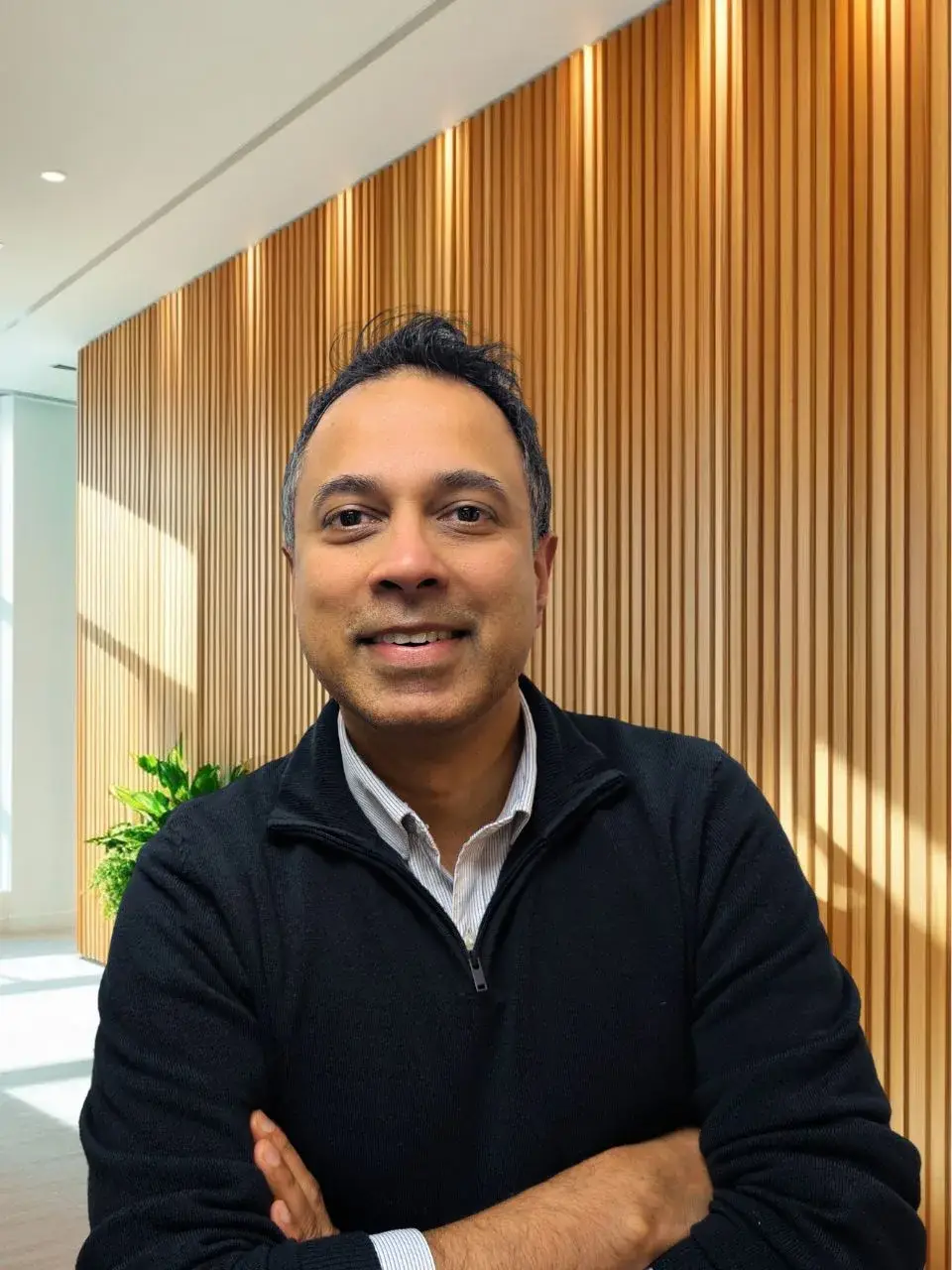
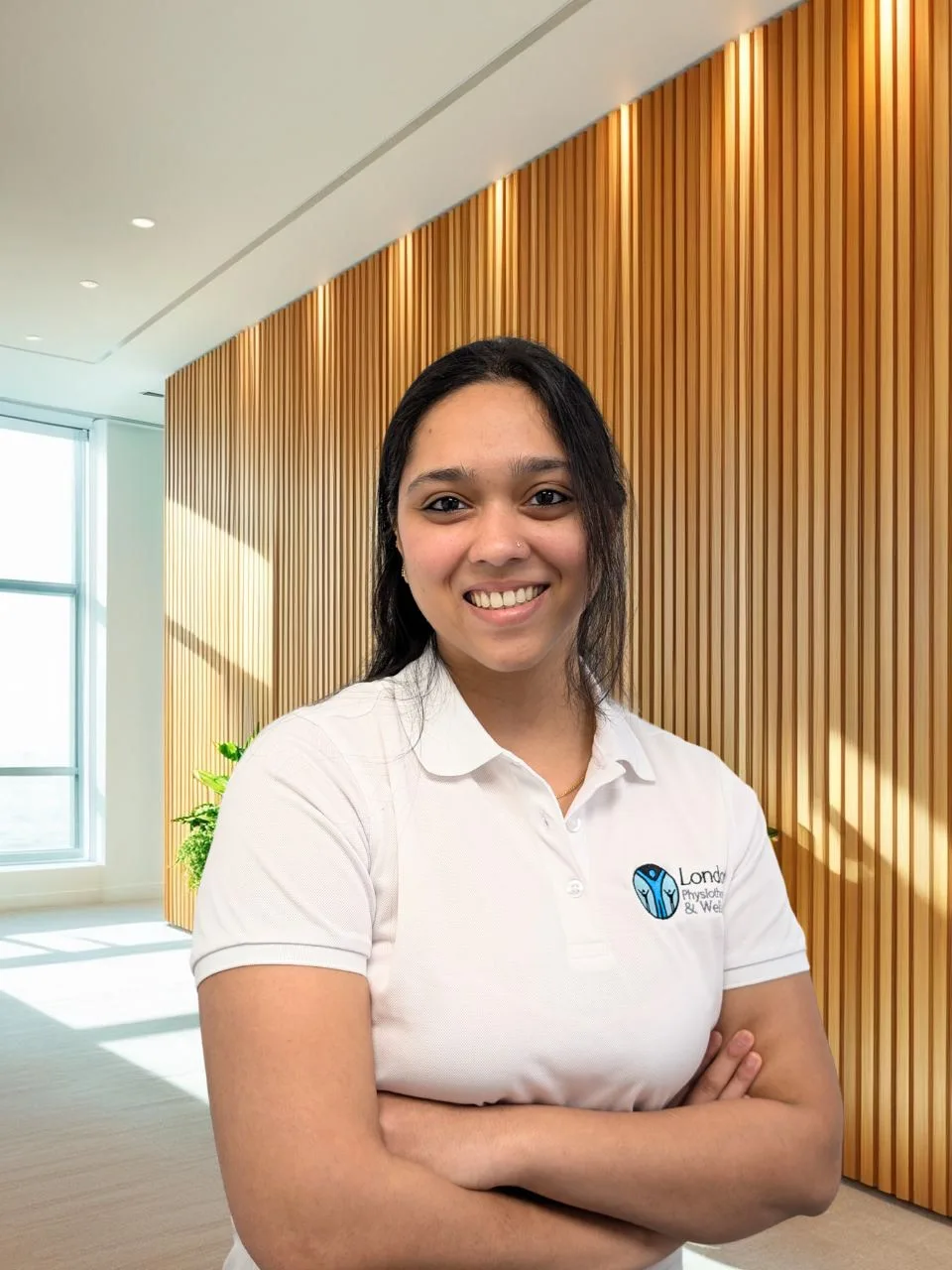
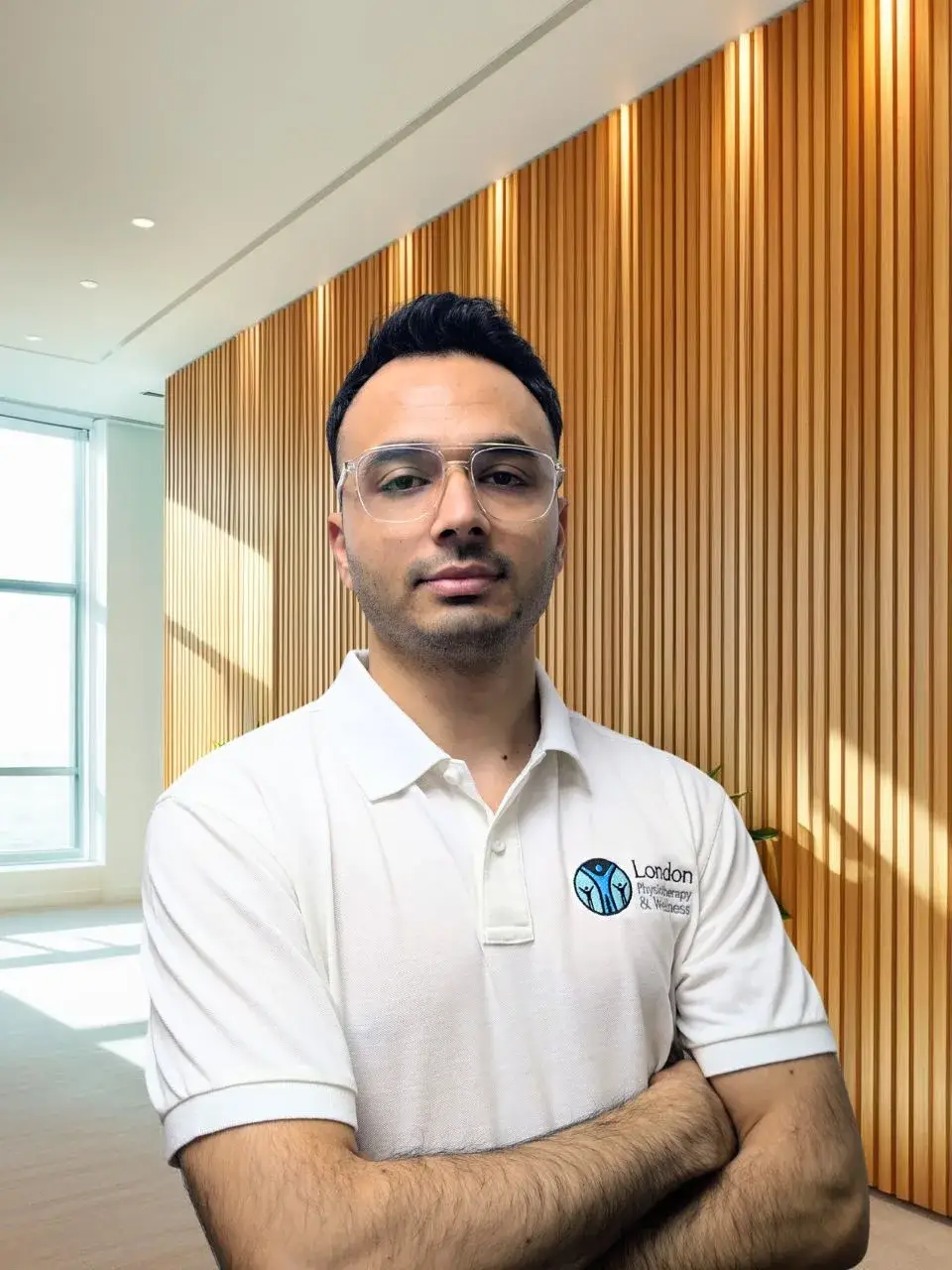
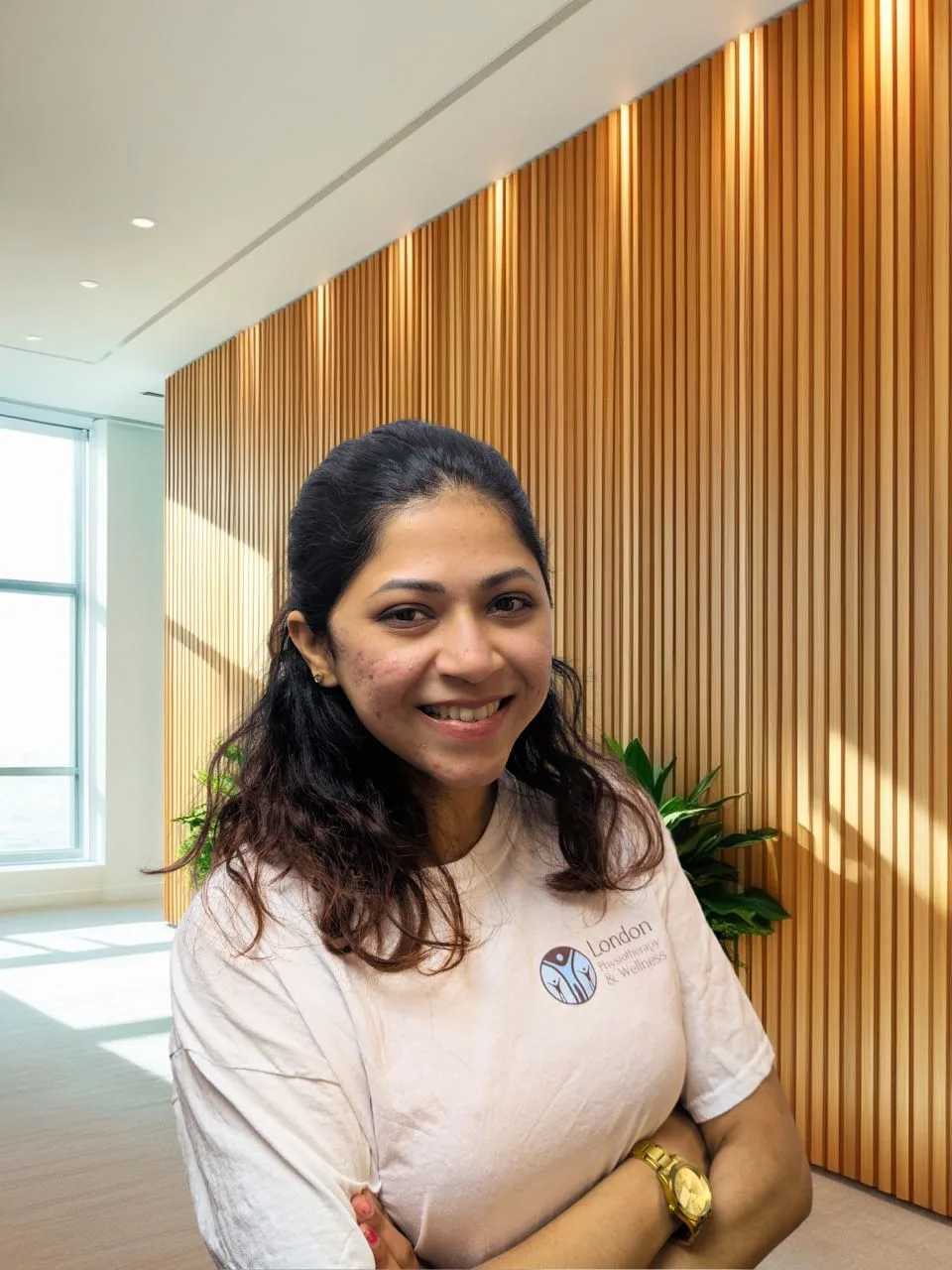
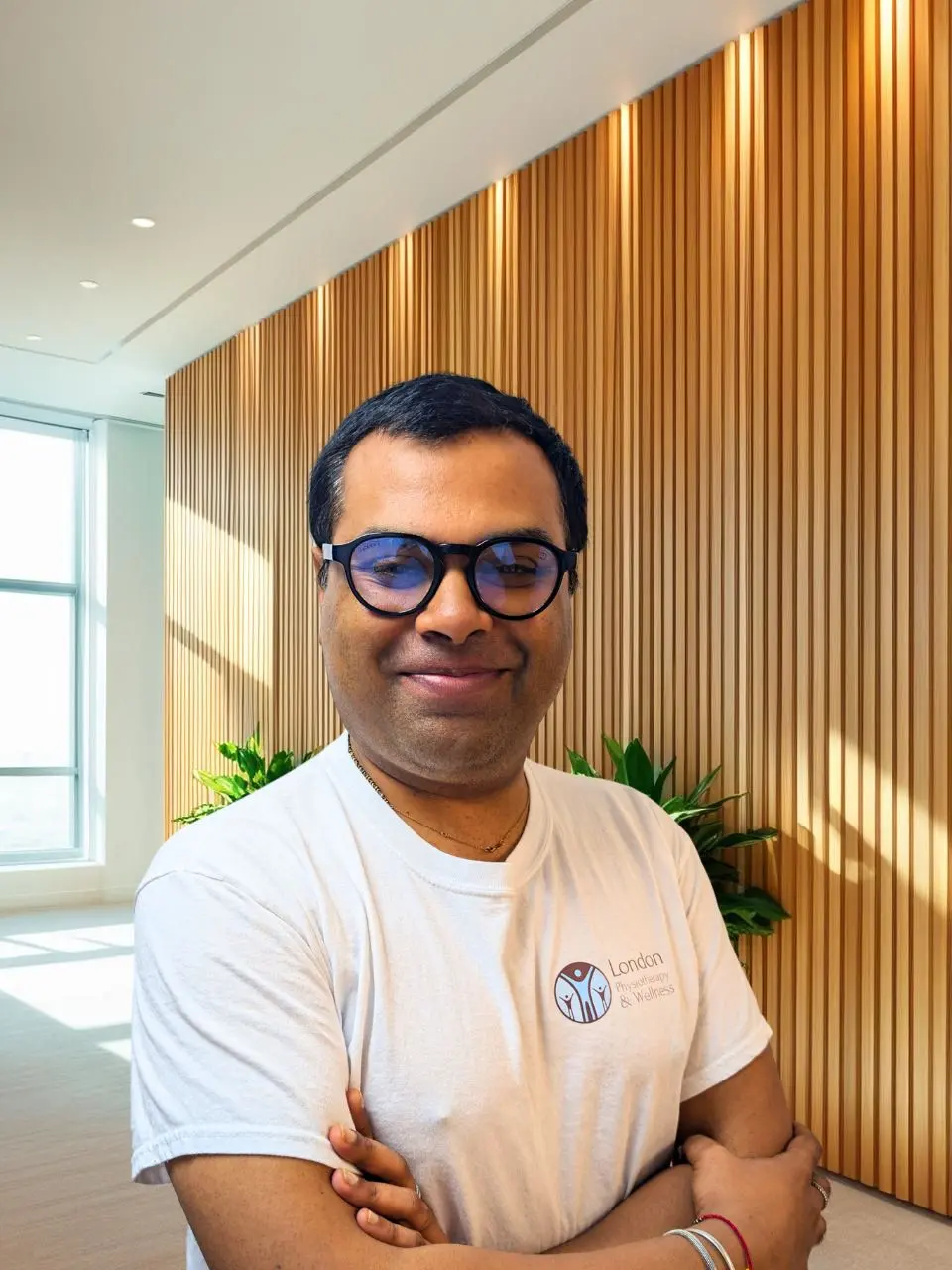
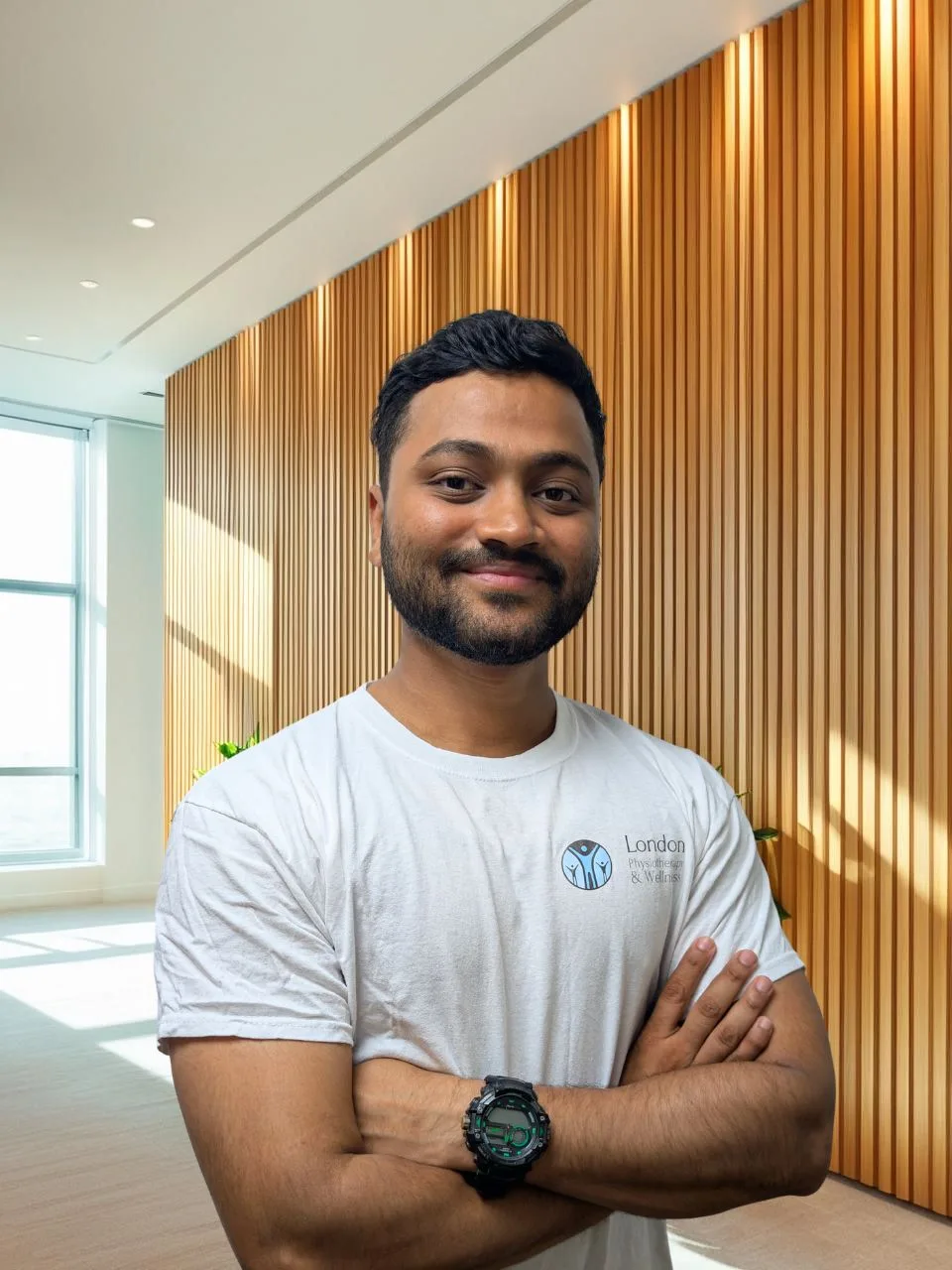
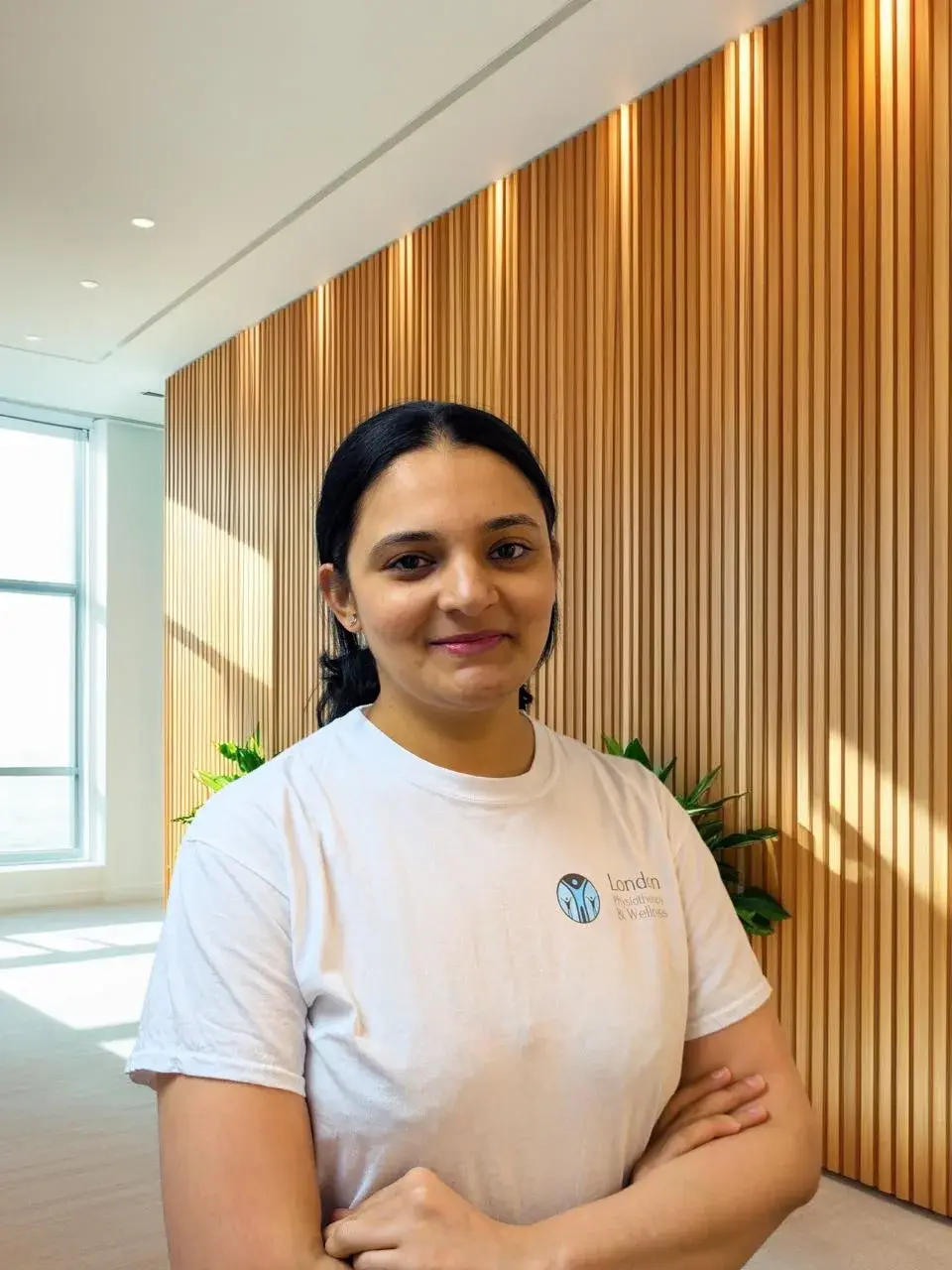
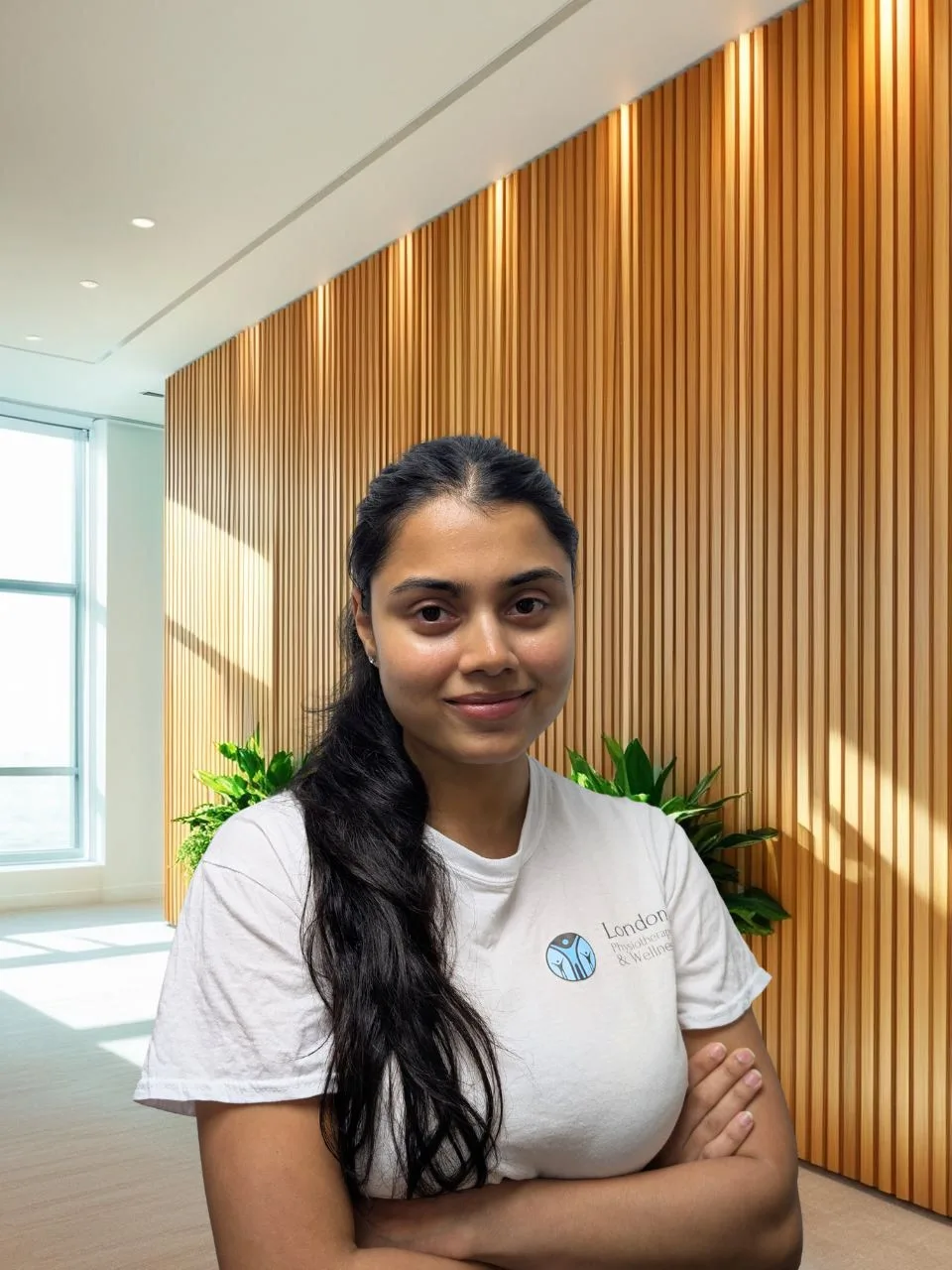
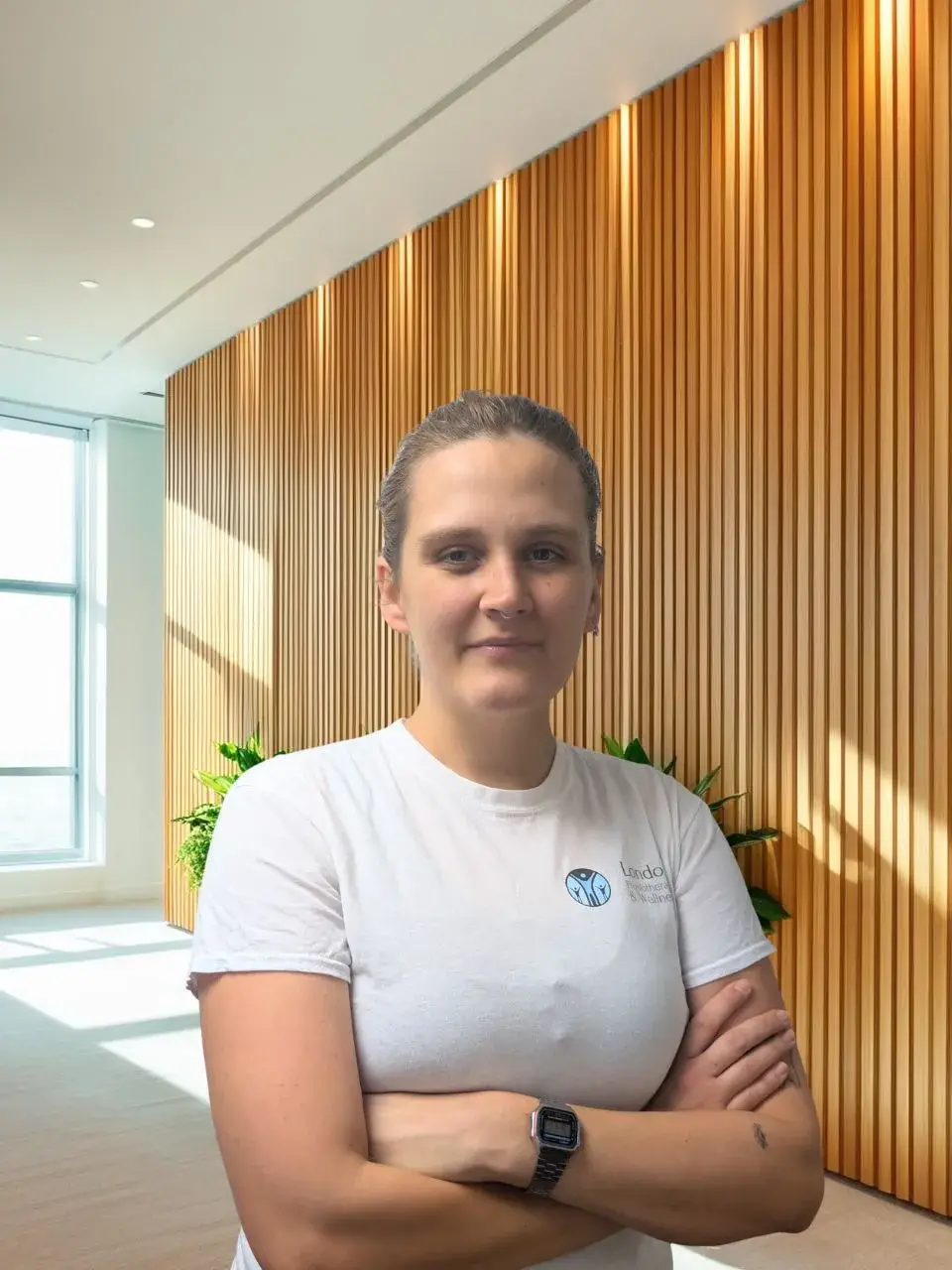
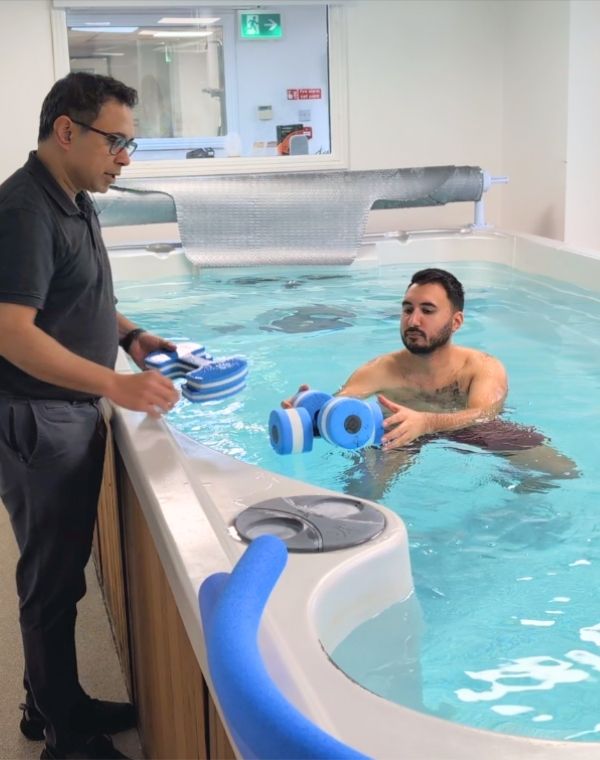
LPAW’s clinical team includes 19 practitioners, many holding postgraduate qualifications from UCL, King’s College London, and Guy’s and St Thomas’. Lead clinician Mr Arjun Viswanath MSc, MCSP, MPPA – Co-Founder and Consultant Physiotherapist – brings 25+ years of NHS and private experience including BMI London Independent Hospital and Harley Street.
Every clinician joining LPAW completes a mandatory intensive shadowing placement with our Consultant Physiotherapist before seeing patients independently. This is not a standard practice at most clinics – it’s our way of maintaining clinical consistency across the team.
esearch consistently shows that the condition of the knee before surgery, particularly quadriceps strength, is one of the strongest predictors of recovery after ACL reconstruction. A 2016 study published in the American Journal of Sports Medicine found that patients with better pre-operative quadriceps strength symmetry achieved significantly better outcomes two years after surgery.
LPAW’s pre-operative ACL programme
Phase 1 — Acute Post-Operative Phase (Weeks 0–6)
Goals: Manage swelling and pain, achieve full knee extension, and regain basic quadriceps control.
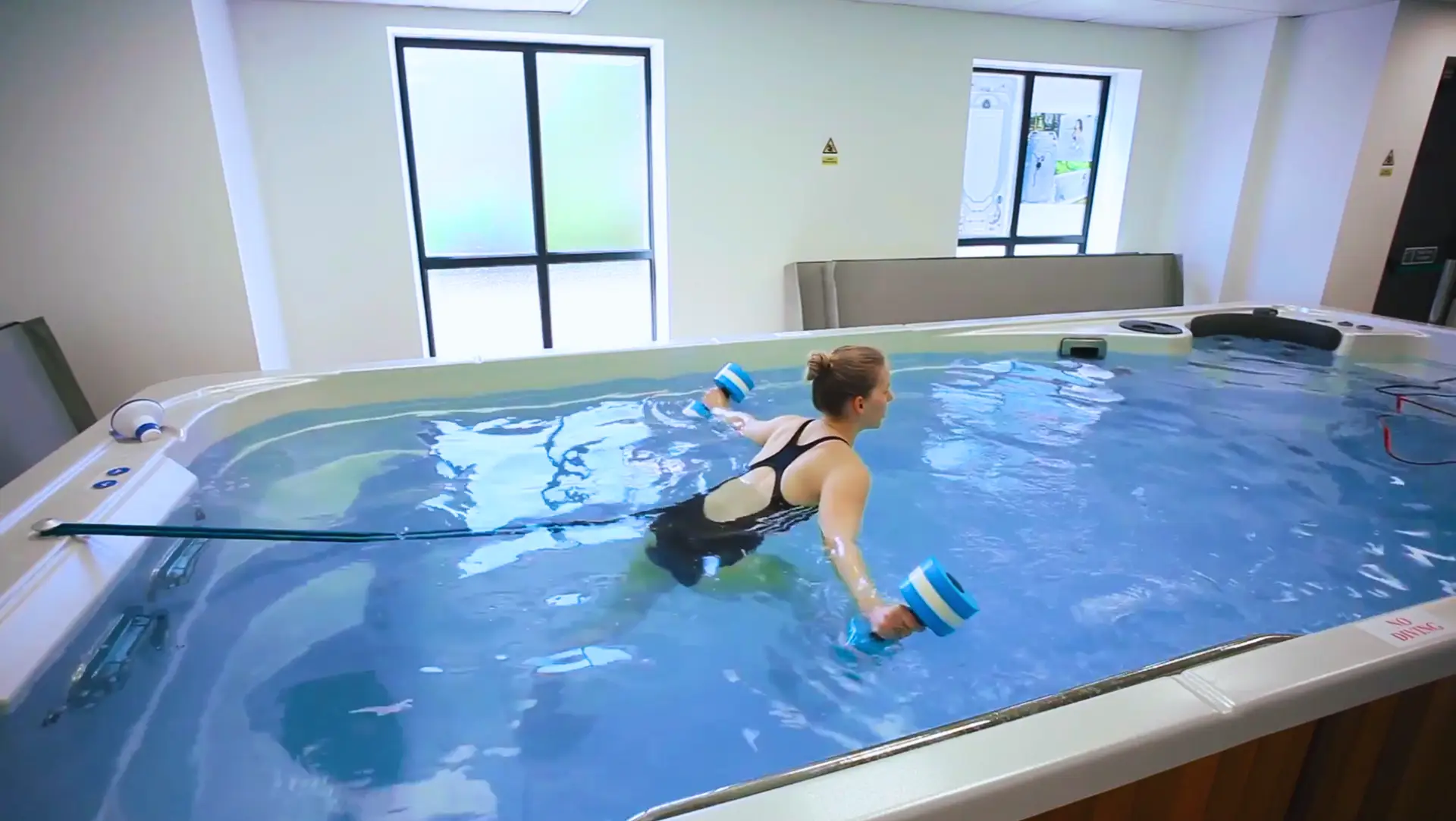
Hydrotherapy is usually introduced once wound healing allows, typically around 4–6 weeks after surgery. Pool-based walking, gentle knee flexion exercises, and aquatic strengthening allow progressive loading in a low-impact environment that is often more comfortable than land-based rehabilitation during this stage.
Phase 2 — Strengthening Phase (Weeks 6–16)
Goals: Restore muscle strength and endurance, achieve functional milestones, and begin proprioceptive training.
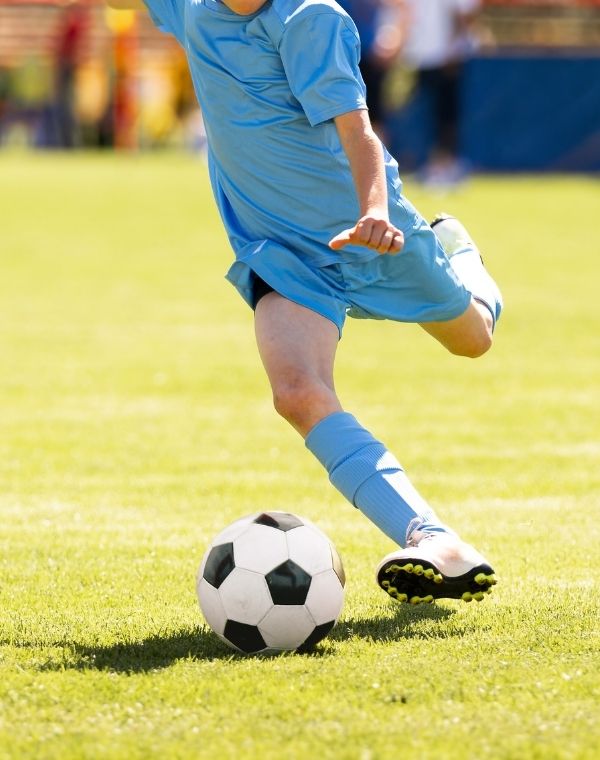
Phase 3 — Neuromuscular Control Phase (Weeks 16–24+)
Goals: Restore dynamic neuromuscular control and prepare for running.
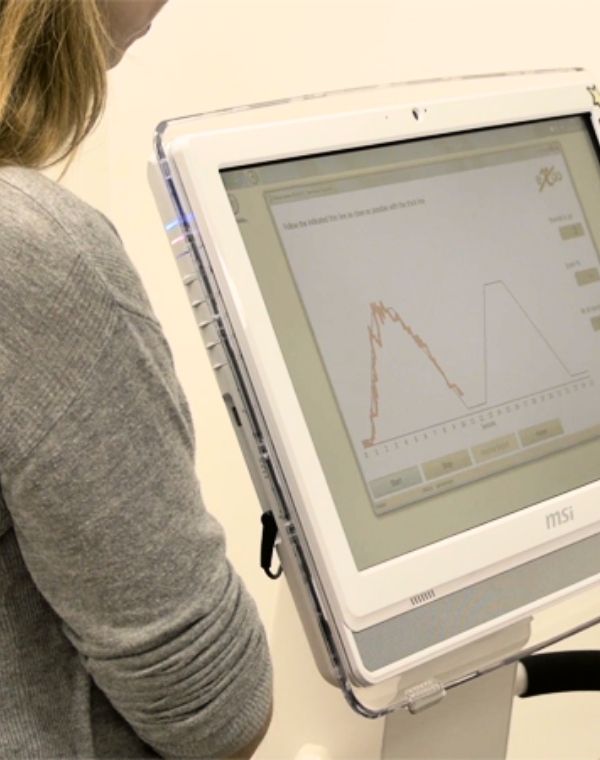
Return-to-running criteria: Typically include at least 70% limb symmetry in quadriceps and hamstring strength, no swelling with activity, and full range of motion.
Phase 4 — Return to Sport Phase (Months 6–12)
Goals: Achieve a safe return to full training and competition through criteria-based progression.
Full sport-specific training progression
Gradual exposure to contact, full-speed movement, and competitive activity
LPAW return-to-sport clearance criteria include:
Greater than 90% limb symmetry in quadriceps and hamstring strength testing
Successful completion of a single-leg hop test battery
Sport-specific movement quality assessment
Psychological readiness assessment
Research consistently shows that the condition of the knee before surgery, particularly quadriceps strength, is one of the strongest predictors of recovery after ACL reconstruction. A 2016 study published in the American Journal of Sports Medicine found that patients with better pre-operative quadriceps strength symmetry achieved significantly better outcomes two years after surgery.
LPAW’s pre-operative ACL programme
Phase 1 — Acute Post-Operative Phase (Weeks 0–6)
Goals: Manage swelling and pain, achieve full knee extension, and regain basic quadriceps control.
Hydrotherapy is usually introduced once wound healing allows, typically around 4–6 weeks after surgery. Pool-based walking, gentle knee flexion exercises, and aquatic strengthening allow progressive loading in a low-impact environment that is often more comfortable than land-based rehabilitation during this stage.
Phase 2 — Strengthening Phase (Weeks 6–16)
Goals: Restore muscle strength and endurance, achieve functional milestones, and begin proprioceptive training.
Phase 3 — Neuromuscular Control Phase (Weeks 16–24+)
Goals: Restore dynamic neuromuscular control and prepare for running.
Return-to-running criteria: Typically include at least 70% limb symmetry in quadriceps and hamstring strength, no swelling with activity, and full range of motion.
Phase 4 — Return to Sport Phase (Months 6–12)
Goals: Achieve a safe return to full training and competition through criteria-based progression.
Full sport-specific training progression
Gradual exposure to contact, full-speed movement, and competitive activity
LPAW return-to-sport clearance criteria include:
Greater than 90% limb symmetry in quadriceps and hamstring strength testing
Successful completion of a single-leg hop test battery
Sport-specific movement quality assessment
Psychological readiness assessment


Conservative management: Recovery commonly takes 4–6 months before returning to straight-line activities. Conservative treatment is generally not recommended for return to pivoting sports.
Post-ACL reconstruction return to sport: Typically requires 9–12 months, with current evidence supporting a minimum of 9 months before return to high-level sport.
Return to unrestricted activity: Full recovery and unrestricted activity commonly take around 12 months.
Perform your home exercises consistently: Early rehabilitation exercises such as quadriceps sets and range-of-motion work should be performed multiple times per day, not only during physiotherapy sessions. The early phase of rehabilitation has a major impact on long-term outcomes.
Prioritise full knee extension: Regaining full knee extension is one of the most important early rehabilitation goals. Difficulty fully straightening the knee can become a significant long-term complication. Extension stretches, prone hangs, and ice may help.
Be patient with the recovery timeline: Although 9–12 months can feel lengthy, returning too early significantly increases the risk of re-injury. The rehabilitation timeline is designed to protect the healing graft and optimise long-term outcomes.
Maintain fitness in other areas: Upper body training, swimming, hydrotherapy, and cycling can help maintain cardiovascular fitness and reduce overall deconditioning during rehabilitation.
Conservative management: Recovery commonly takes 4–6 months before returning to straight-line activities. Conservative treatment is generally not recommended for return to pivoting sports.
Post-ACL reconstruction return to sport: Typically requires 9–12 months, with current evidence supporting a minimum of 9 months before return to high-level sport.
Return to unrestricted activity: Full recovery and unrestricted activity commonly take around 12 months.
Perform your home exercises consistently: Early rehabilitation exercises such as quadriceps sets and range-of-motion work should be performed multiple times per day, not only during physiotherapy sessions. The early phase of rehabilitation has a major impact on long-term outcomes.
Prioritise full knee extension: Regaining full knee extension is one of the most important early rehabilitation goals. Difficulty fully straightening the knee can become a significant long-term complication. Extension stretches, prone hangs, and ice may help.
Be patient with the recovery timeline: Although 9–12 months can feel lengthy, returning too early significantly increases the risk of re-injury. The rehabilitation timeline is designed to protect the healing graft and optimise long-term outcomes.
Maintain fitness in other areas: Upper body training, swimming, hydrotherapy, and cycling can help maintain cardiovascular fitness and reduce overall deconditioning during rehabilitation.
What We Do