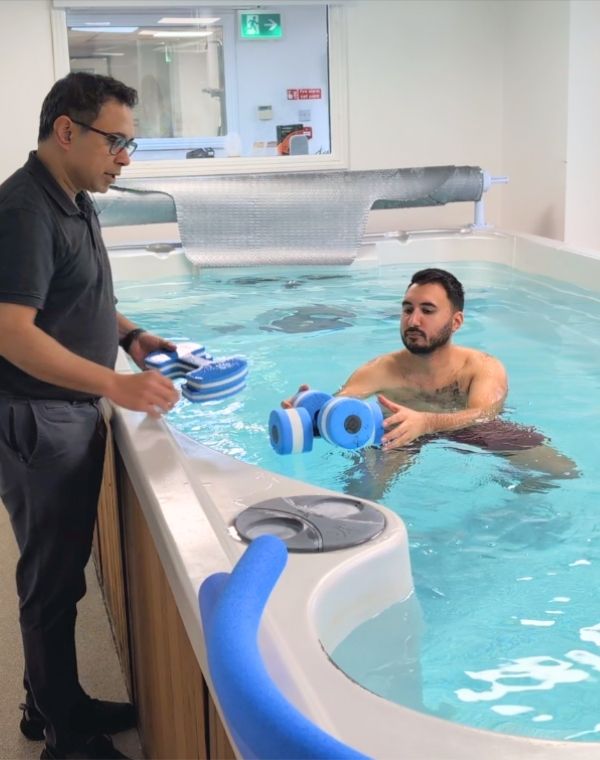



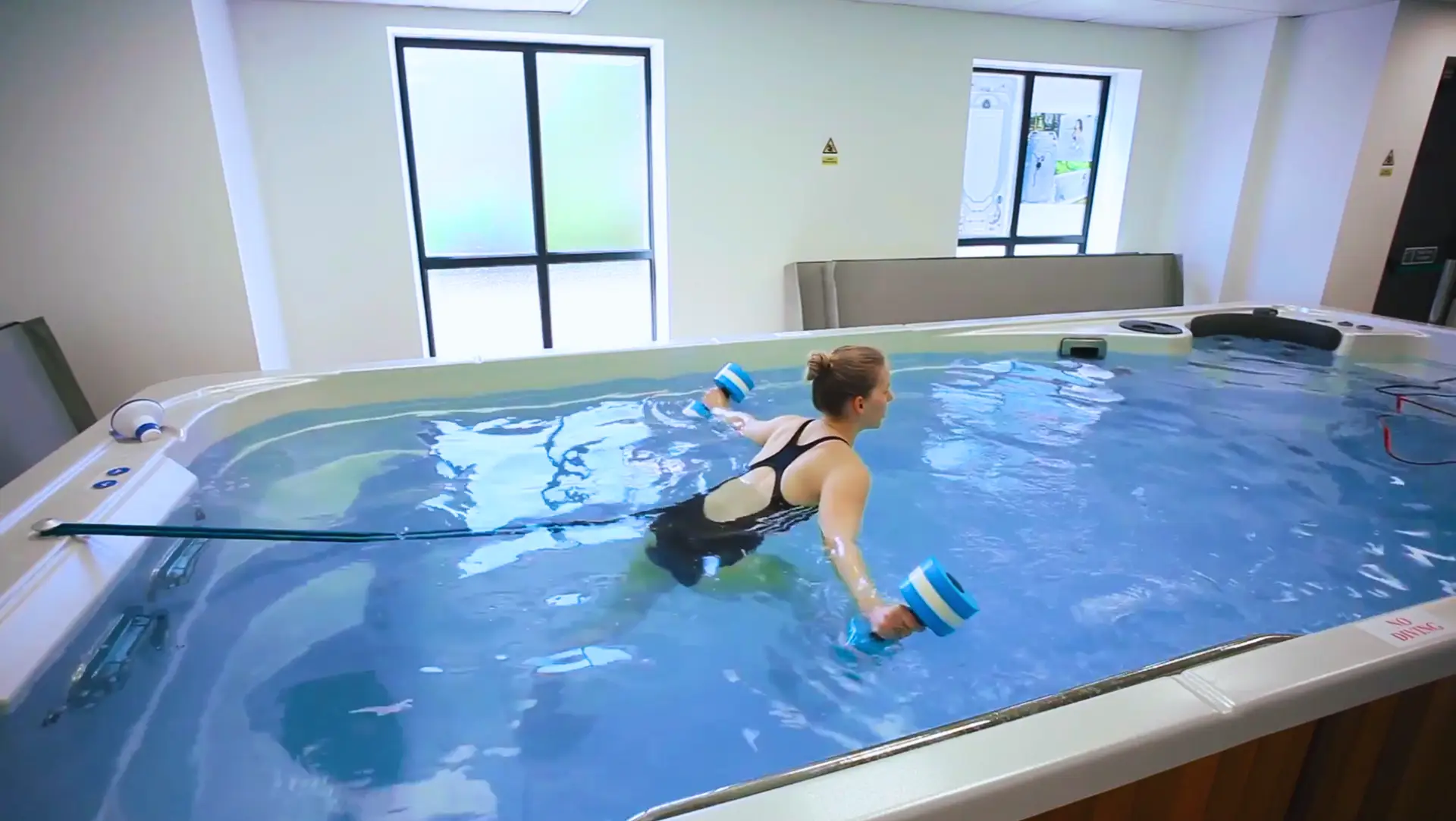
The main LPAW clinic is in Bow, E3, London, right next to The Bow Quarter. This bright and spacious clinic offers 4 treatment rooms, 2 changing rooms with showers, a large rehab gym, & onsite hydrotherapy in our 17 foot pool.
The LPAW satellite clinic is based in Stratford East Village where we run a thriving sports rehab offering.
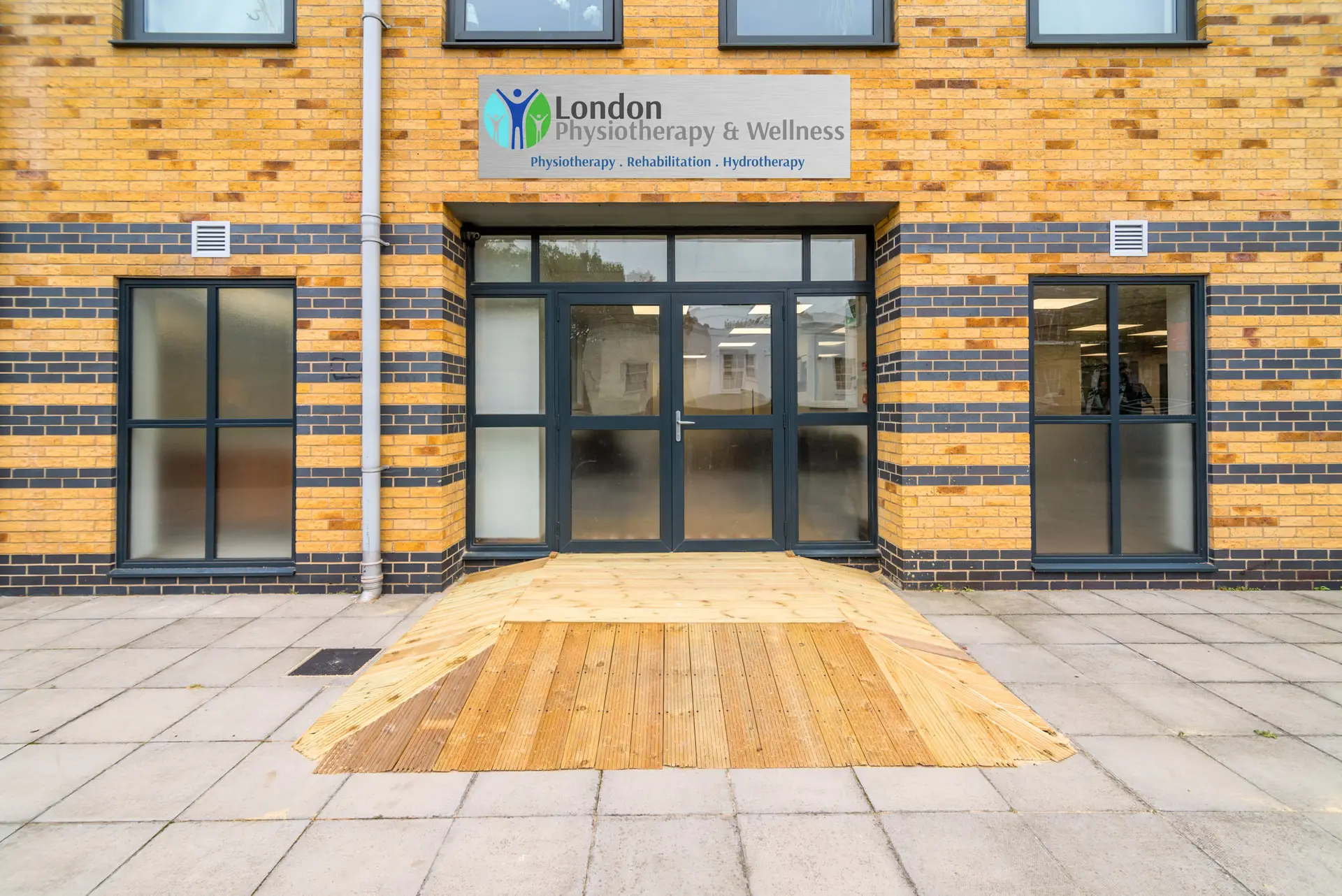
The main LPAW clinic is in Bow, E3, London, right next to The Bow Quarter. This bright and spacious clinic offers 4 treatment rooms, 2 changing rooms with showers, a large rehab gym, & onsite hydrotherapy in our 17 foot pool.
The LPAW satellite clinic is based in Stratford East Village where we run a thriving sports rehab offering.
Tennis elbow is a tendinopathy affecting the extensor carpi radialis brevis (ECRB) tendon, where the wrist and finger extensor muscles attach to the lateral epicondyle of the humerus — the bony prominence on the outside of the elbow. Like other tendinopathies, it involves degenerative tendon change rather than true inflammation, including collagen disorganisation, fibroblast proliferation, and neovascularisation.
The older term “lateral epicondylitis” is now considered less accurate, as the condition is not primarily inflammatory in nature.
Tennis elbow is a tendinopathy affecting the extensor carpi radialis brevis (ECRB) tendon, where the wrist and finger extensor muscles attach to the lateral epicondyle of the humerus — the bony prominence on the outside of the elbow. Like other tendinopathies, it involves degenerative tendon change rather than true inflammation, including collagen disorganisation, fibroblast proliferation, and neovascularisation.
The older term “lateral epicondylitis” is now considered less accurate, as the condition is not primarily inflammatory in nature.
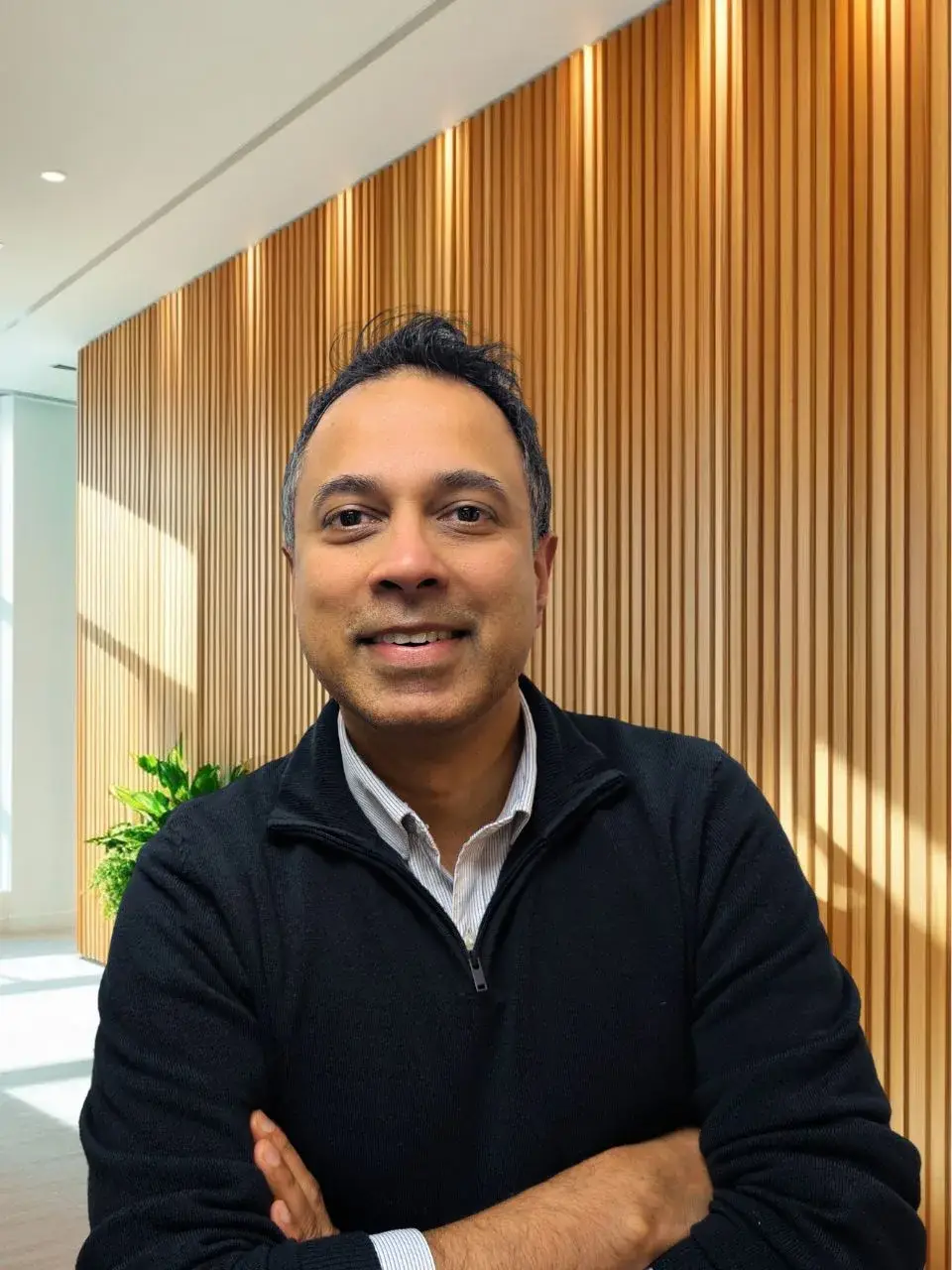
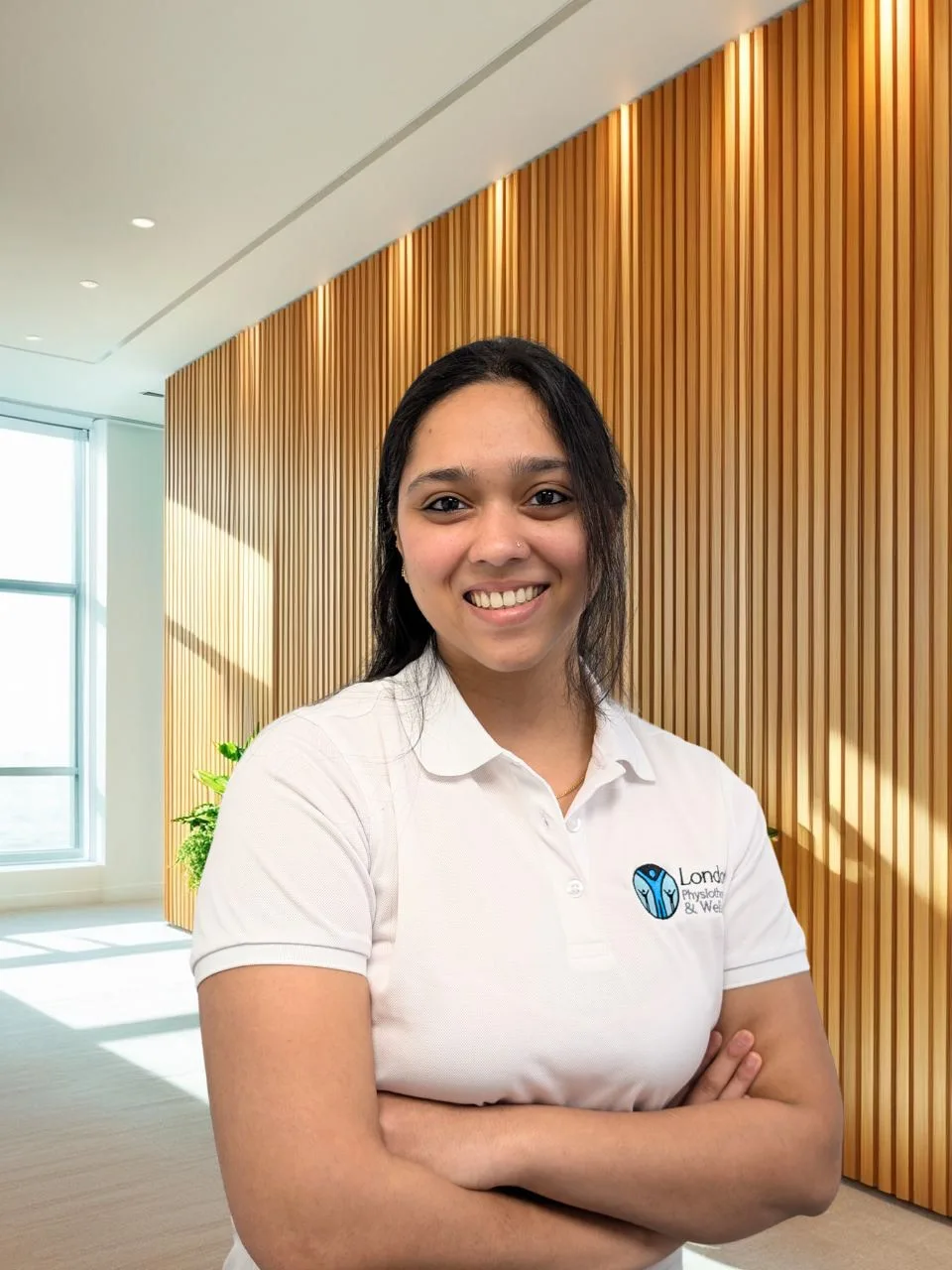
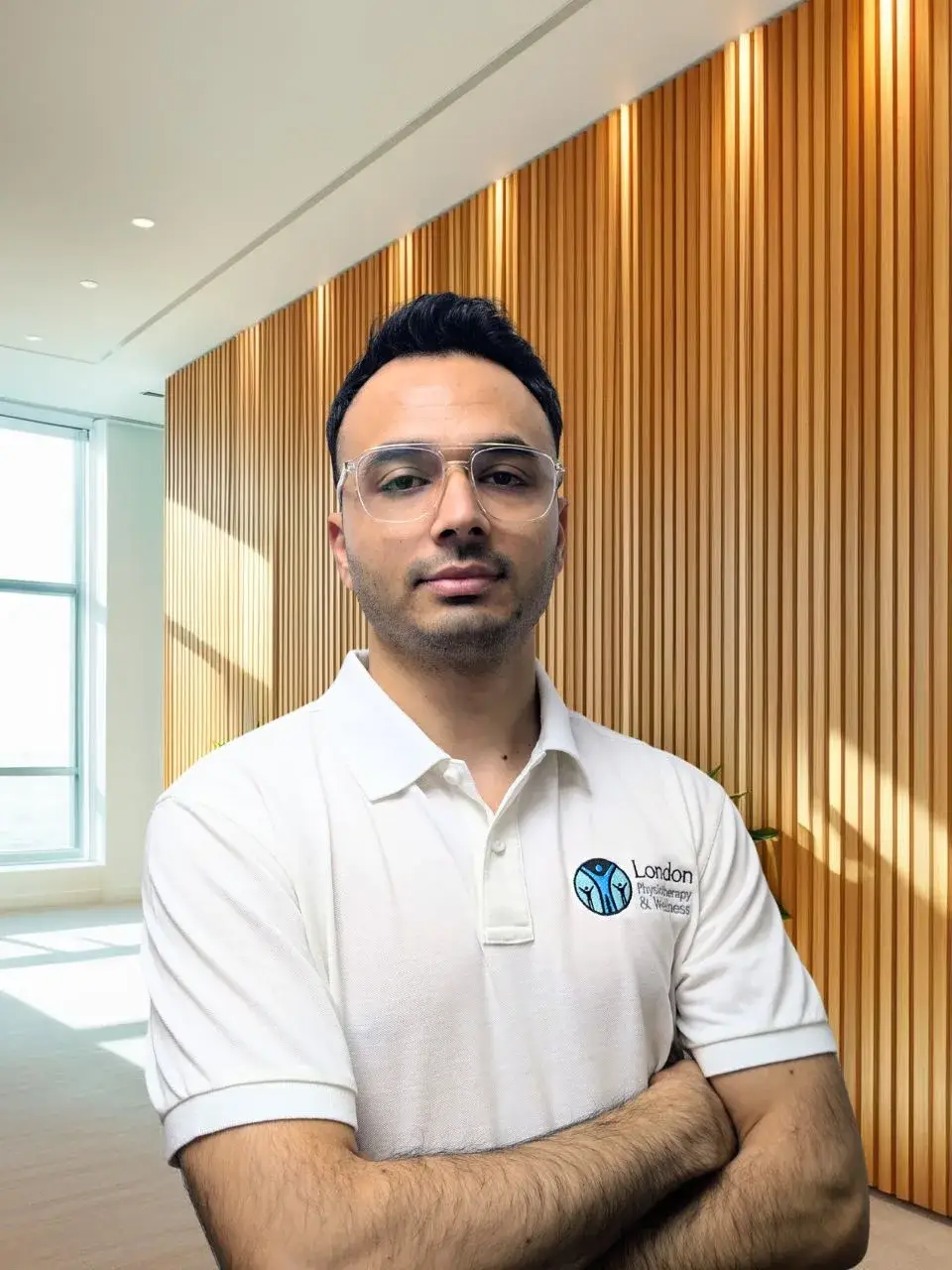
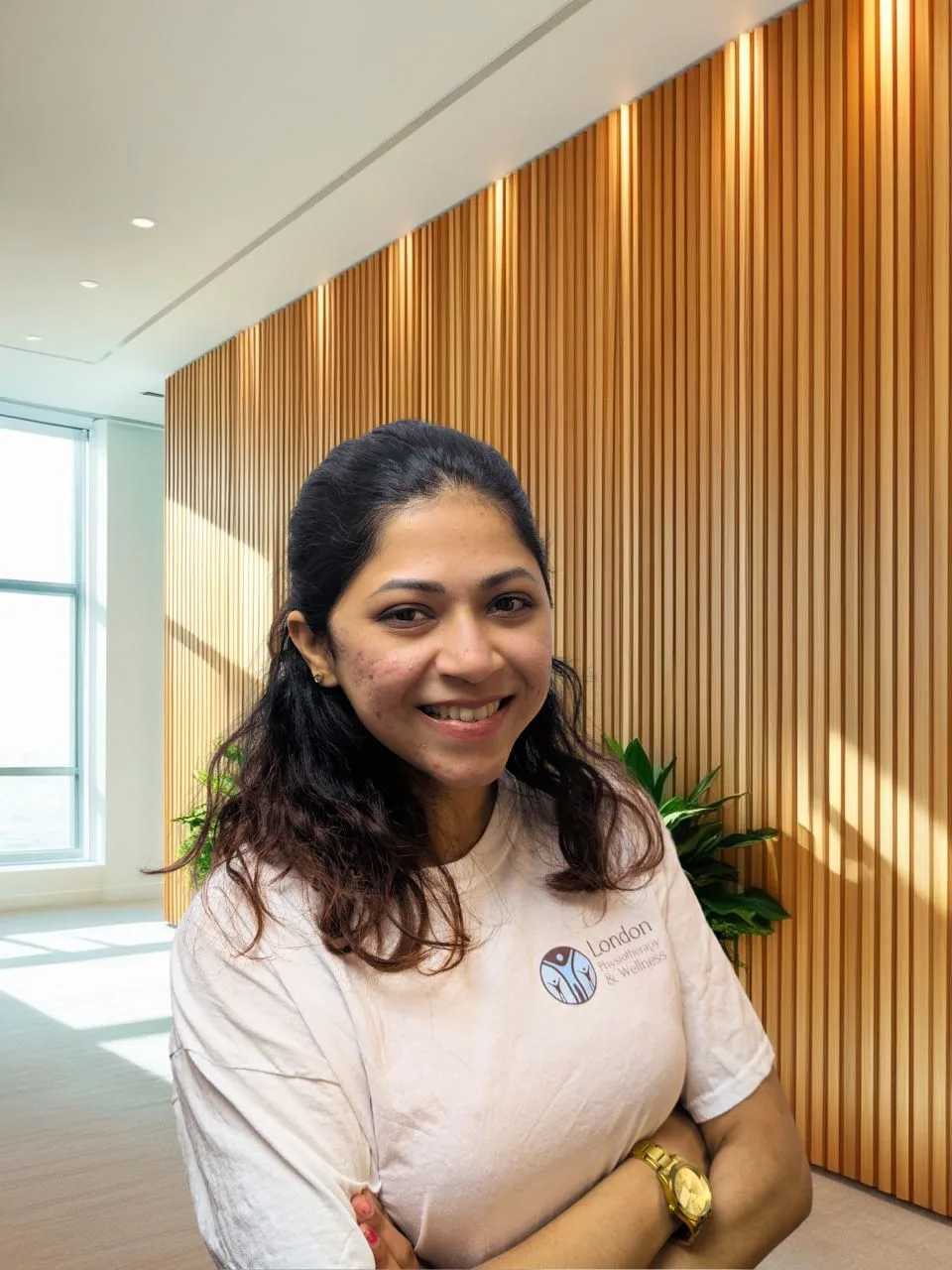
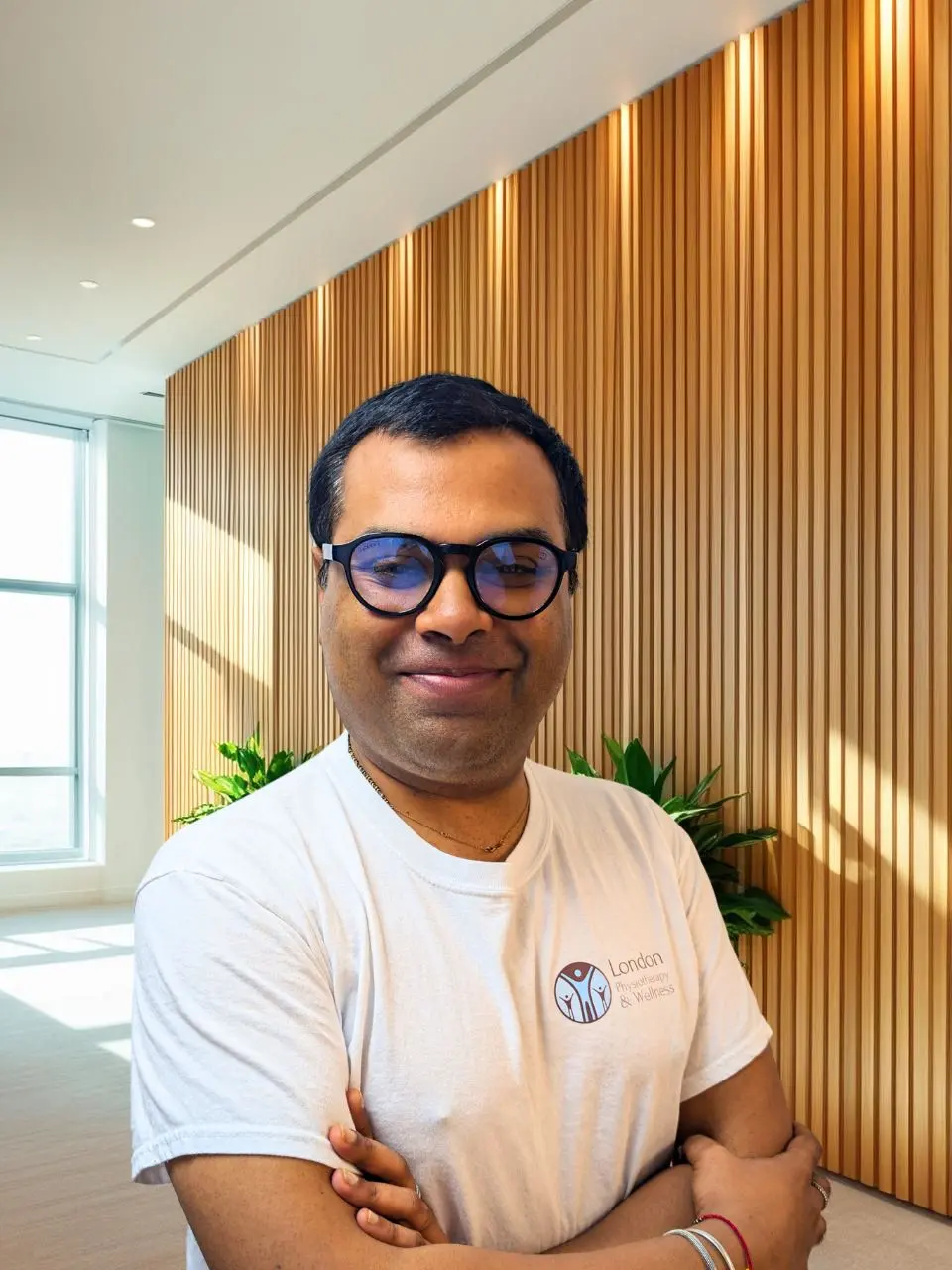
LPAW’s clinical team includes 19 practitioners, many holding postgraduate qualifications from UCL, King’s College London, and Guy’s and St Thomas’. Lead clinician Mr Arjun Viswanath MSc, MCSP, MPPA – Co-Founder and Consultant Physiotherapist – brings 25+ years of NHS and private experience including BMI London Independent Hospital and Harley Street.
Every clinician joining LPAW completes a mandatory intensive shadowing placement with our Consultant Physiotherapist before seeing patients independently. This is not a standard practice at most clinics – it’s our way of maintaining clinical consistency across the team.

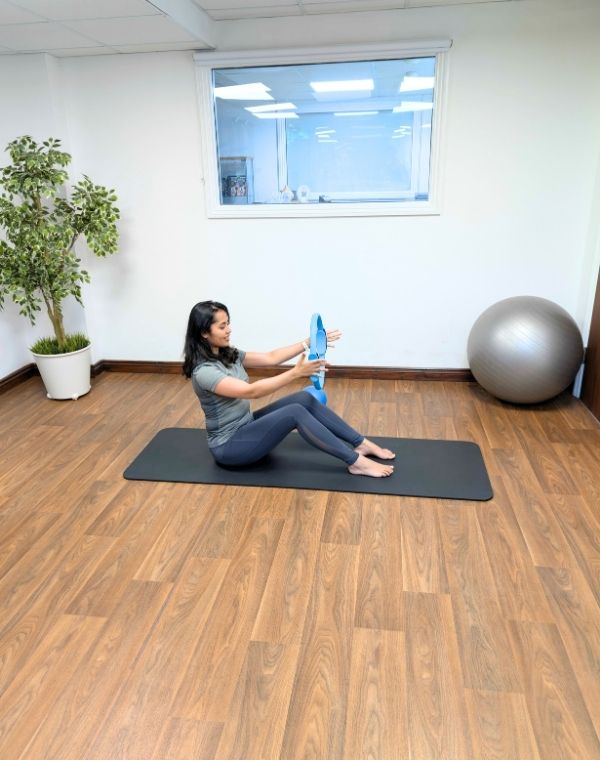
The rehabilitation programme typically includes:
Mill’s manipulation — a specific mobilisation with movement technique applied to the elbow while the wrist is in flexion — has good evidence for acute-subacute tennis elbow and provides immediate reduction in pain with gripping. Your physiotherapist will incorporate this where appropriate.
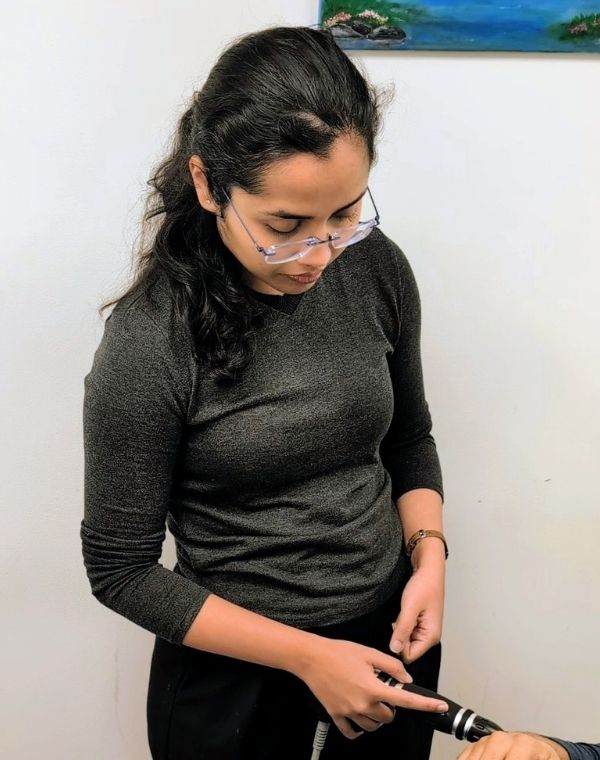
Shockwave therapy may be used for specific presentations of chronic back pain — particularly those involving myofascial trigger points or thoracolumbar fascial pain — though it is not the primary treatment for most back pain presentations.
Dry needling of lumbar paraspinal, quadratus lumborum, and gluteal trigger points is often incorporated into physiotherapy treatment sessions for back pain with a significant myofascial component.
The rehabilitation programme typically includes:
Shockwave therapy may be used for specific presentations of chronic back pain — particularly those involving myofascial trigger points or thoracolumbar fascial pain — though it is not the primary treatment for most back pain presentations.
Dry needling of lumbar paraspinal, quadratus lumborum, and gluteal trigger points is often incorporated into physiotherapy treatment sessions for back pain with a significant myofascial component.


Recent onset (< 6 weeks): 4–8 weeks
Established symptoms (3–6 months): 3–6 months with progressive loading rehabilitation and, where appropriate, shockwave therapy
Chronic symptoms (> 12 months): 6–12 months, although significant improvement is still achievable with consistent treatment
Recent onset (< 6 weeks): 4–8 weeks
Established symptoms (3–6 months): 3–6 months with progressive loading rehabilitation and, where appropriate, shockwave therapy
Chronic symptoms (> 12 months): 6–12 months, although significant improvement is still achievable with consistent treatment
What We Do