


Sciatica & Disc Issues

Sciatica & Disc Pain Treatment in East London — Conservative Management That Works

Start Your Recovery

Sciatica is one of the most painful and commonly mismanaged conditions. At LPAW we treat with thorough assessment, accurate diagnosis, and evidence-based management — including our Med-X Spinal Gym for chronic cases. Available at our Bow and Stratford East Village clinics.

Physiotherapy Hydrotherapy Shockwave Sports Therapy Women's Health Dry Needling Osteopathy Pilates by Physios Babies & Children Men's Health Massage Running Assessments PTNS Post-Op Biofeedback Soft Tissue Therapy Manual Therapy Pre-Op Trigger Point Release Med-X Strengthening Physiotherapy Hydrotherapy Shockwave Sports Therapy Women's Health Dry Needling Osteopathy Pilates by Physios Babies & Children Men's Health Massage Running Assessments PTNS Post-Op Biofeedback Soft Tissue Therapy Manual Therapy Pre-Op Trigger Point Release Med-X Strengthening
Anatomy & Causes

Between each pair of vertebrae sits an intervertebral disc — a structure with a tough outer ring (annulus fibrosus) and a gelatinous inner core (nucleus pulposus). The disc functions as a shock absorber and allows spinal movement.

Disc herniation occurs when the nucleus pulposus pushes through a weakened area of the annulus fibrosus. Depending on the direction and severity:

Disc bulge — the disc extends beyond its normal boundary without the inner core breaching the outer ring. Often used loosely, but technically distinct from herniation.

Disc herniation / prolapse — the nucleus pulposus protrudes through the annulus and may compress adjacent nerve roots if it enters the spinal canal or foramen.

Disc extrusion / sequestration — more severe herniation where disc material fully breaches the annulus and may migrate within the spinal canal, potentially causing significant nerve compression.

Disc herniation causing sciatica most commonly occurs at L4/5 (affecting the L5 nerve root) or L5/S1 (affecting the S1 nerve root):

L4 nerve root: Pain into the anterior thigh and medial leg, quadriceps weakness, reduced knee reflex

L5 nerve root: Pain into the lateral leg and dorsum of the foot, weakness of foot and big toe extension

S1 nerve root: Pain into the posterior calf and sole of the foot, calf weakness, reduced or absent ankle reflex

Non-disc causes of sciatica:

Piriformis syndrome — sciatic nerve irritation or compression by the piriformis muscle in the buttock

Sacroiliac joint dysfunction — may refer pain in a sciatic-like pattern

Tumour or cyst in the spinal canal (rare) — typically identified through red flag assessment

  • Pain radiating from the lower back or buttock down the leg — often into the knee, lower leg, or foot
  • Burning, shooting, or electric-shock type pain
  • Tingling, pins and needles, or numbness along the leg
  • In more significant nerve root compression: weakness — such as foot drop, toe weakness, or difficulty standing on tiptoe
  • Symptoms usually on one side — although bilateral sciatica can occur with large central disc herniations
  • Lower back pain may or may not be present — many patients experience mainly leg symptoms with minimal or no back pain

Most back pain is benign and responds to physiotherapy. However, certain features require urgent medical assessment. Seek immediate medical attention if you experience:

Cauda equina syndrome is a neurosurgical emergency. This occurs when a large disc herniation compresses the cauda equina — the bundle of nerve roots below the end of the spinal cord. Seek immediate emergency assessment if you experience:

Bladder dysfunction — difficulty urinating, urinary retention, or loss of bladder control (incontinence)

Bowel dysfunction — difficulty opening bowels or loss of bowel control (faecal incontinence)

Saddle anaesthesia — numbness in the groin, inner thighs, perineum, or genitals

Severe progressive bilateral leg weakness

These symptoms, alongside back or leg pain, require immediate attendance at A&E rather than physiotherapy. Early treatment (ideally within 48 hours) is associated with significantly better outcomes.

Other red flags (require medical assessment, not emergency):

Sciatica in a patient with a history of cancer

Unexplained weight loss with spinal pain

Fever with spinal symptoms

New onset sciatica in patients under 20 or over 55

Between each pair of vertebrae sits an intervertebral disc — a structure with a tough outer ring (annulus fibrosus) and a gelatinous inner core (nucleus pulposus). The disc functions as a shock absorber and allows spinal movement.

Disc herniation occurs when the nucleus pulposus pushes through a weakened area of the annulus fibrosus. Depending on the direction and severity:

Disc bulge — the disc extends beyond its normal boundary without the inner core breaching the outer ring. Often used loosely, but technically distinct from herniation.
Disc herniation / prolapse — the nucleus pulposus protrudes through the annulus and may compress adjacent nerve roots if it enters the spinal canal or foramen.

Disc extrusion / sequestration — more severe herniation where disc material fully breaches the annulus and may migrate within the spinal canal, potentially causing significant nerve compression.

Disc herniation causing sciatica most commonly occurs at L4/5 (affecting the L5 nerve root) or L5/S1 (affecting the S1 nerve root):

L4 nerve root: Pain into the anterior thigh and medial leg, quadriceps weakness, reduced knee reflex

L5 nerve root: Pain into the lateral leg and dorsum of the foot, weakness of foot and big toe extension

S1 nerve root: Pain into the posterior calf and sole of the foot, calf weakness, reduced or absent ankle reflex

Non-disc causes of sciatica:

Piriformis syndrome — sciatic nerve irritation or compression by the piriformis muscle in the buttock

Sacroiliac joint dysfunction — may refer pain in a sciatic-like pattern

Tumour or cyst in the spinal canal (rare) — typically identified through red flag assessment

  • Pain radiating from the lower back or buttock down the leg — often into the knee, lower leg, or foot
  • Burning, shooting, or electric-shock type pain
  • Tingling, pins and needles, or numbness along the leg
  • In more significant nerve root compression: weakness — such as foot drop, toe weakness, or difficulty standing on tiptoe
  • Symptoms usually on one side — although bilateral sciatica can occur with large central disc herniations
  • Lower back pain may or may not be present — many patients experience mainly leg symptoms with minimal or no back pain
 

Cauda equina syndrome is a neurosurgical emergency. This occurs when a large disc herniation compresses the cauda equina — the bundle of nerve roots below the end of the spinal cord. Seek immediate emergency assessment if you experience:

Bladder dysfunction — difficulty urinating, urinary retention, or loss of bladder control (incontinence)

Bowel dysfunction — difficulty opening bowels or loss of bowel control (faecal incontinence)

Saddle anaesthesia — numbness in the groin, inner thighs, perineum, or genitals

Severe progressive bilateral leg weakness

These symptoms, alongside back or leg pain, require immediate attendance at A&E rather than physiotherapy. Early treatment (ideally within 48 hours) is associated with significantly better outcomes.

Other red flags (require medical assessment, not emergency):

Sciatica in a patient with a history of cancer

Unexplained weight loss with spinal pain

Fever with spinal symptoms

New onset sciatica in patients under 20 or over 55

Meet our team of experts

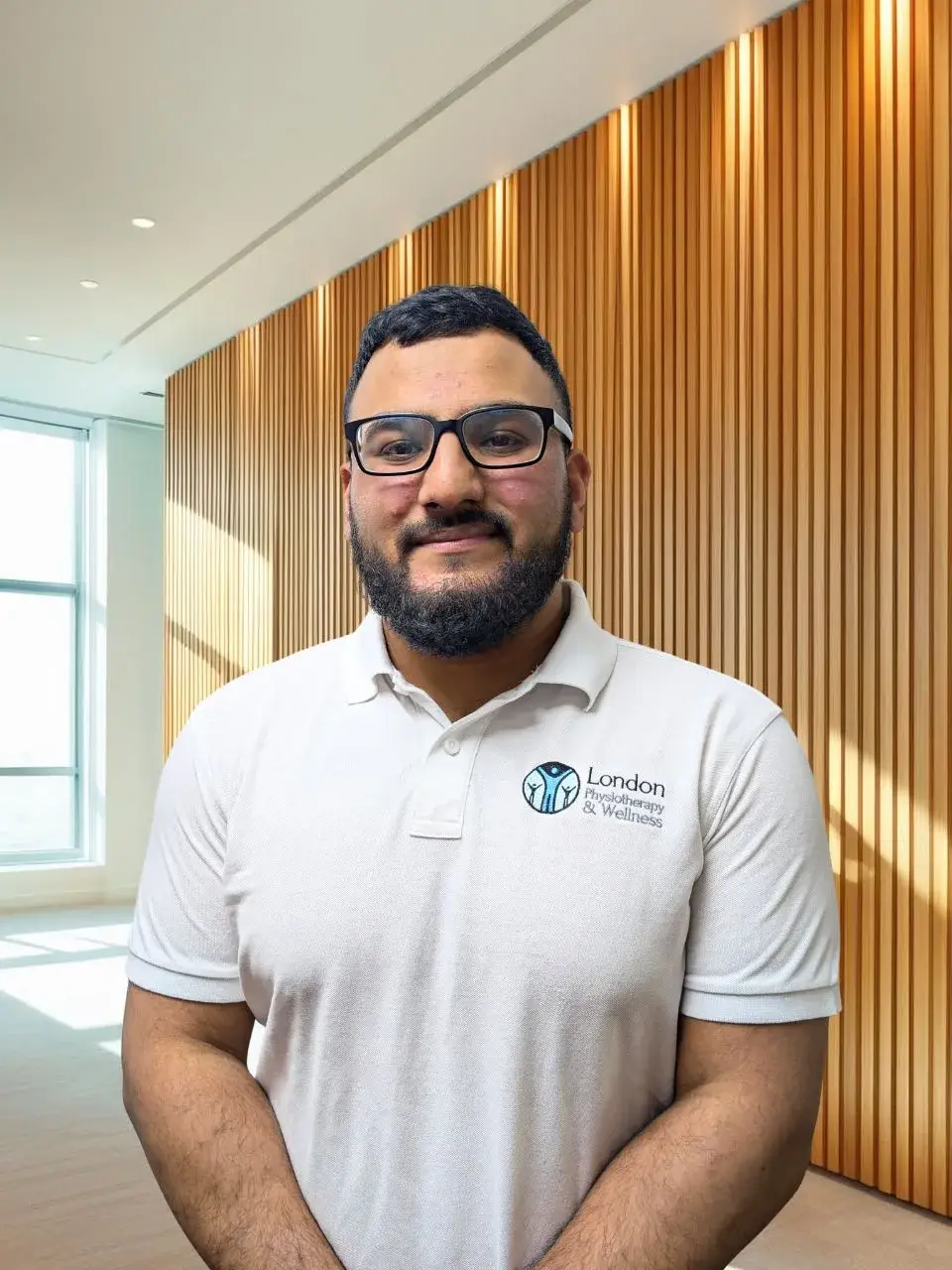
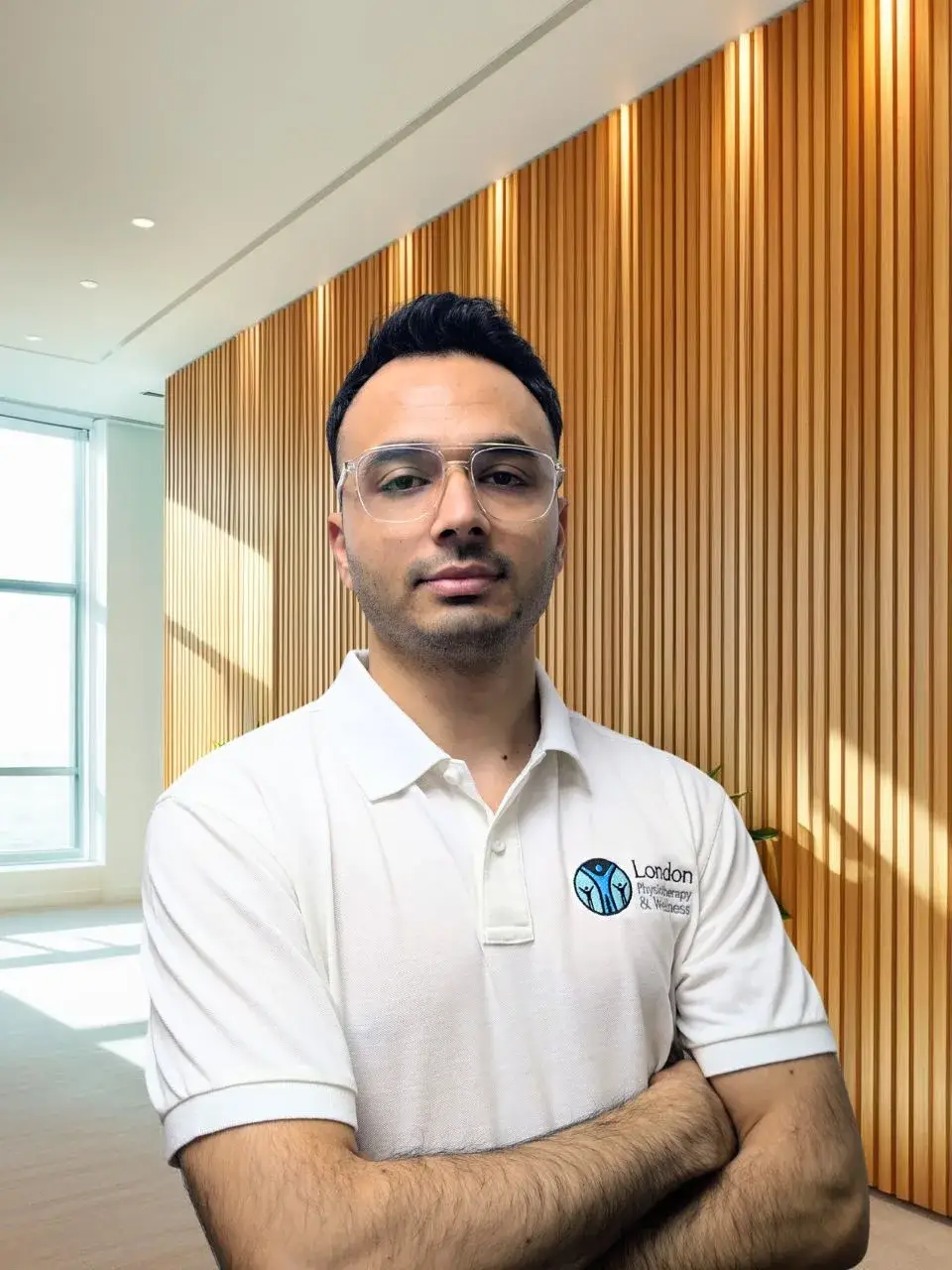
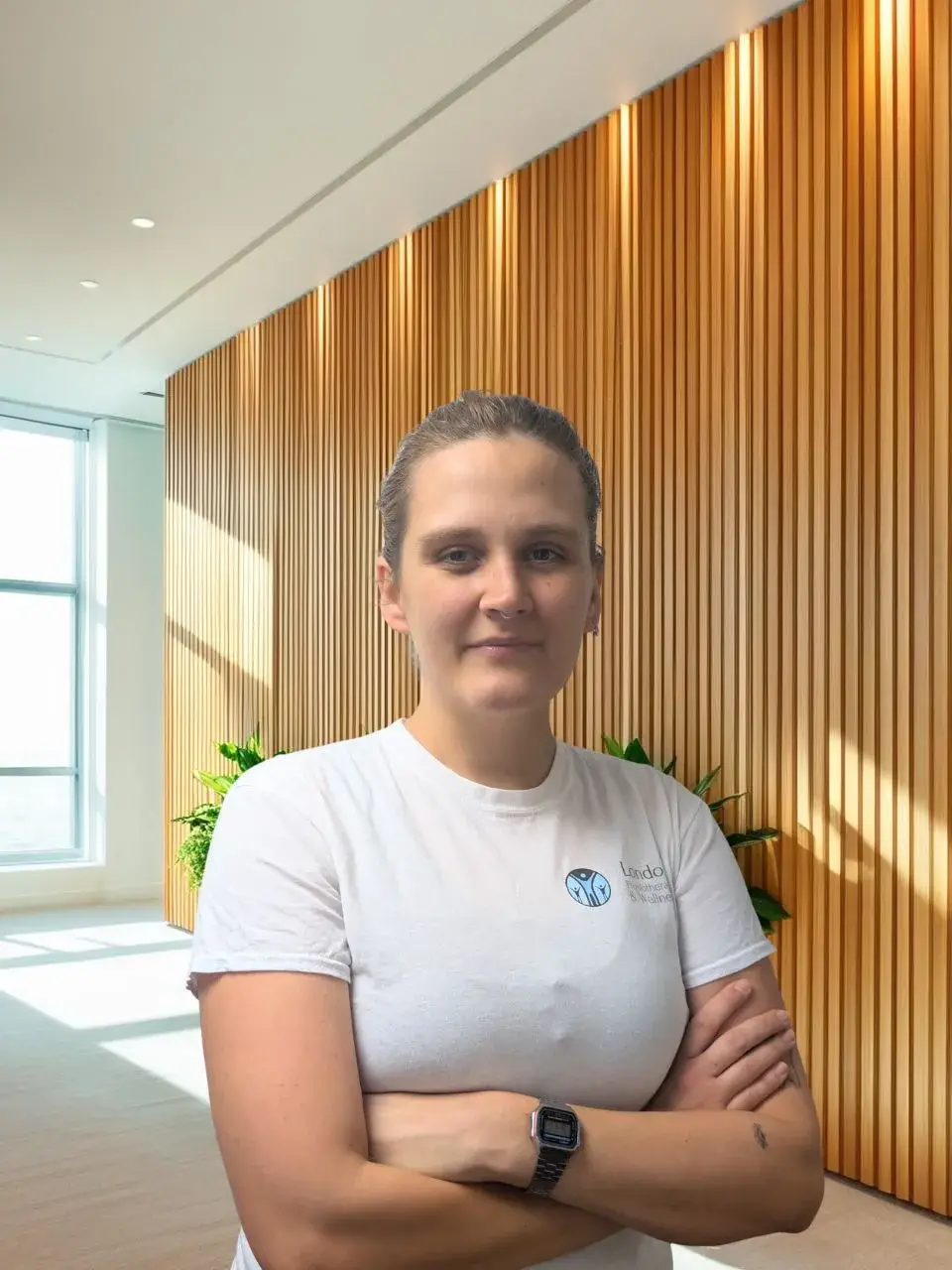
LPAW’s clinical team includes 19 practitioners, many holding postgraduate qualifications from UCL, King’s College London, and Guy’s and St Thomas’. Lead clinician Mr Arjun Viswanath MSc, MCSP, MPPA – Co-Founder and Consultant Physiotherapist – brings 25+ years of NHS and private experience including BMI London Independent Hospital and Harley Street.

Every clinician joining LPAW completes a mandatory intensive shadowing placement with our Consultant Physiotherapist before seeing patients independently. This is not a standard practice at most clinics – it’s our way of maintaining clinical consistency across the team.

How LPAW Treats Sciatica & Disc Issues

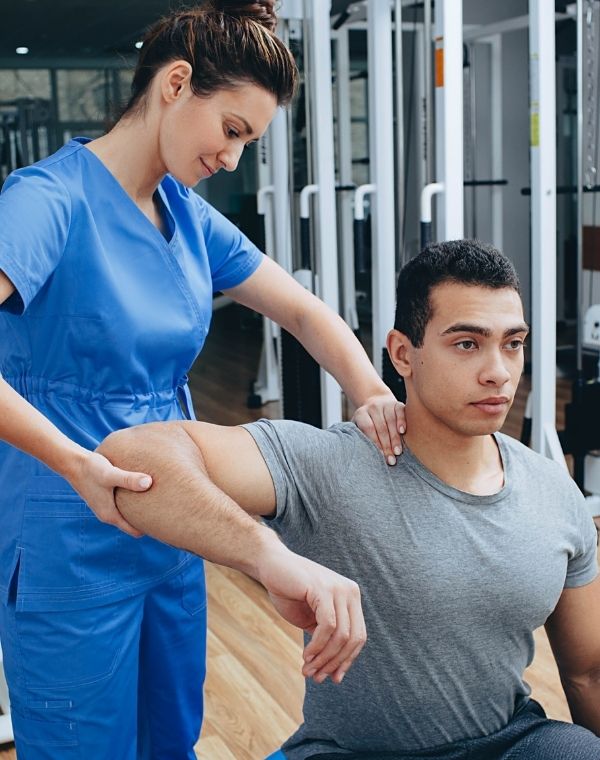
Physiotherapy
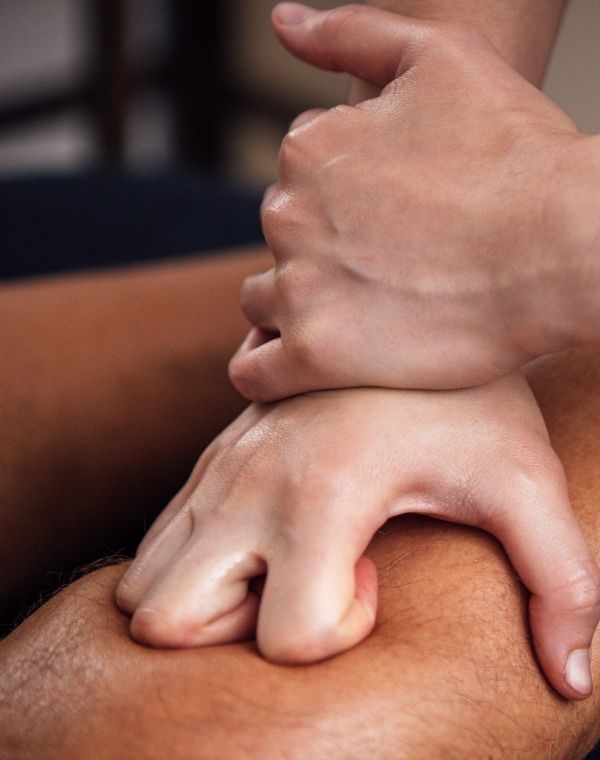
  • Manual therapy — joint mobilisation and soft tissue techniques to reduce pain and restore movement
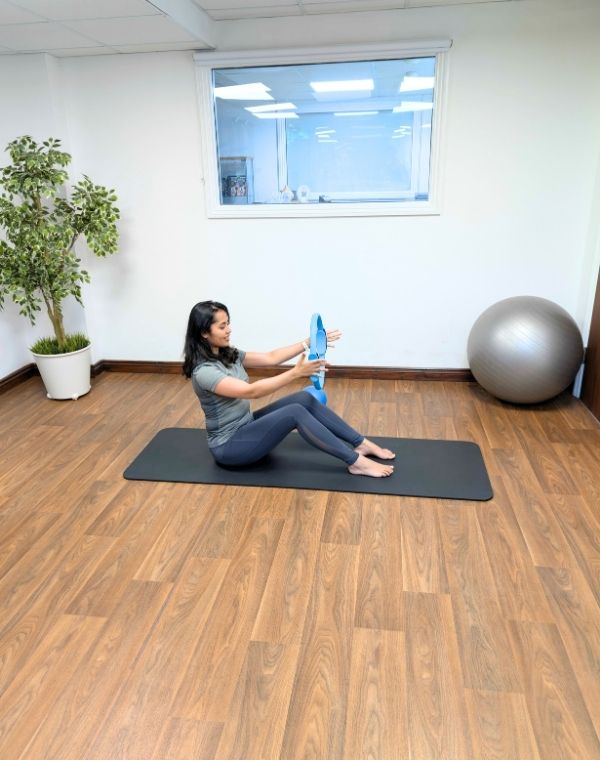
  • Exercise prescription — targeted to address identified muscle imbalances (typically weak deep stabilisers, gluteals, and hip extensors; tight hip flexors and hamstrings)
  • Education — understanding the nature of back pain, its natural history, and activity modification
  • Postural and ergonomic guidance

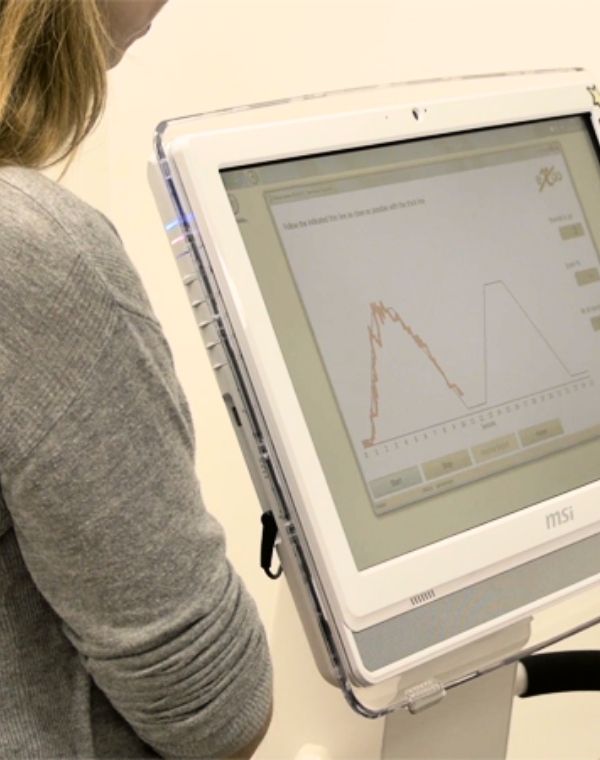
For patients with chronic lower back pain — particularly those who have not responded to standard physiotherapy — our Med-X Spinal Gym offers a treatment pathway unavailable elsewhere in East London. The Med-X Lower Lumbar Extension machine (“The Beast”) is a medical-grade rehabilitation device from the US with a specific evidence base for chronic lower back pain.

Unlike standard gym equipment, the Med-X isolates lumbar extensor musculature by fixing the pelvis, allowing targeted strengthening of the deep spinal extensors (multifidus) in a controlled, progressive way. Multiple peer-reviewed studies have demonstrated significant and durable pain reduction in chronic lower back pain following Med-X rehabilitation programmes.

The Med-X gym is also available via our membership plans for patients who benefit from ongoing use.

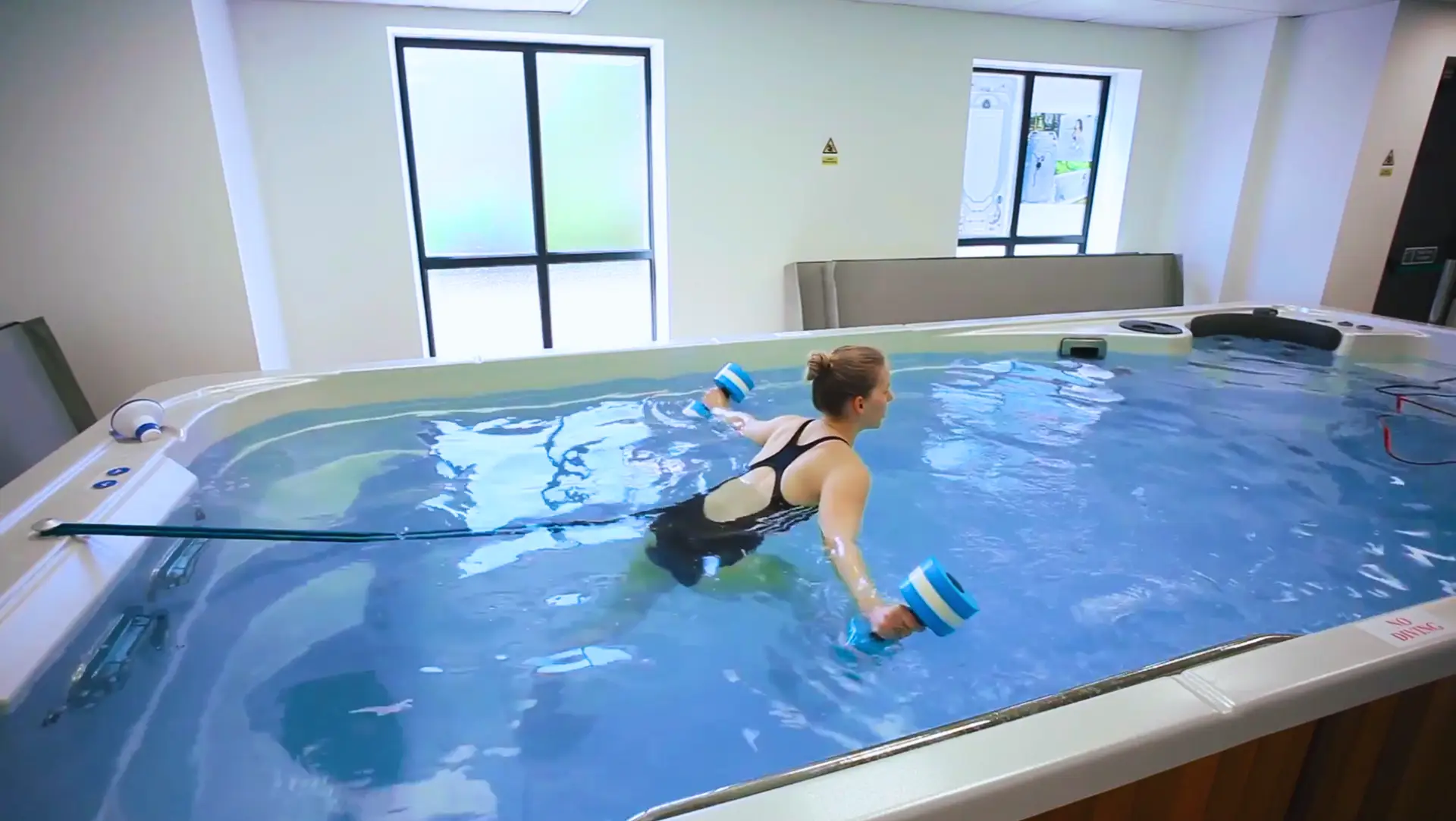
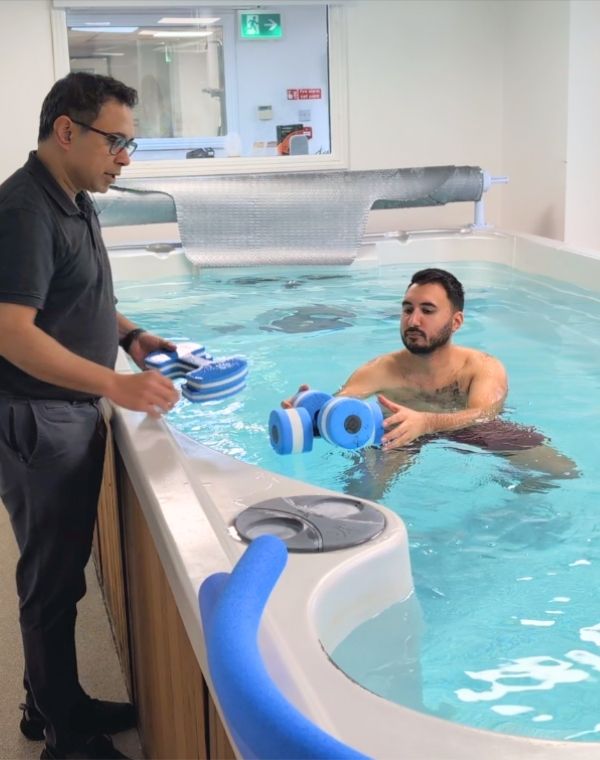
LPAW’s hydrotherapy pool — heated to 36°C — is invaluable for patients where back pain is severe enough to limit land-based exercise. The combination of buoyancy (reducing load on the spine) and warmth (reducing muscle spasm and improving circulation) allows movement and neural mobilisation exercises that are impossible or too painful on land. Hydrotherapy is particularly effective as an adjunct to Med-X rehabilitation for chronic back pain.

These are “red flags” that must be ruled out before physiotherapy treatment. Our physiotherapists conduct a full red flag screen at every initial assessment.

The single most important and most under-communicated fact about disc herniation is this: **most disc herniations improve spontaneously**, and most do so within 6–12 weeks. A 2017 meta-analysis found that herniated disc material is partially or completely resorbed over time in approximately 76% of cases — the larger the herniation, the greater the natural resorption.


This does not mean doing nothing is the right approach. It means that surgery is not the default treatment for sciatica from a herniated disc — and that conservative management with physiotherapy achieves good outcomes for the majority of patients.


Surgery is indicated for: progressive neurological deficit not responding to 6 weeks of conservative management; intolerable pain unresponsive to conservative treatment; and cauda equina syndrome (emergency).

How LPAW Treats Sciatica & Disc Issues

Most back pain is benign and responds to physiotherapy. However, certain features require urgent medical assessment. Seek immediate medical attention if you experience:

  • Manual therapy — joint mobilisation and soft tissue techniques to reduce pain and restore movement
  • Exercise prescription — targeted to address identified muscle imbalances (typically weak deep stabilisers, gluteals, and hip extensors; tight hip flexors and hamstrings)
  • Education — understanding the nature of back pain, its natural history, and activity modification
  • Postural and ergonomic guidance

For patients with chronic lower back pain — particularly those who have not responded to standard physiotherapy — our Med-X Spinal Gym offers a treatment pathway unavailable elsewhere in East London. The Med-X Lower Lumbar Extension machine (“The Beast”) is a medical-grade rehabilitation device from the US with a specific evidence base for chronic lower back pain.

Unlike standard gym equipment, the Med-X isolates lumbar extensor musculature by fixing the pelvis, allowing targeted strengthening of the deep spinal extensors (multifidus) in a controlled, progressive way. Multiple peer-reviewed studies have demonstrated significant and durable pain reduction in chronic lower back pain following Med-X rehabilitation programmes.

The Med-X gym is also available via our membership plans for patients who benefit from ongoing use.

LPAW’s hydrotherapy pool — heated to 36°C — is invaluable for patients where back pain is severe enough to limit land-based exercise. The combination of buoyancy (reducing load on the spine) and warmth (reducing muscle spasm and improving circulation) allows movement and neural mobilisation exercises that are impossible or too painful on land. Hydrotherapy is particularly effective as an adjunct to Med-X rehabilitation for chronic back pain.

The single most important and most under-communicated fact about disc herniation is this: **most disc herniations improve spontaneously**, and most do so within 6–12 weeks. A 2017 meta-analysis found that herniated disc material is partially or completely resorbed over time in approximately 76% of cases — the larger the herniation, the greater the natural resorption.

This does not mean doing nothing is the right approach. It means that surgery is not the default treatment for sciatica from a herniated disc — and that conservative management with physiotherapy achieves good outcomes for the majority of patients.

Surgery is indicated for: progressive neurological deficit not responding to 6 weeks of conservative management; intolerable pain unresponsive to conservative treatment; and cauda equina syndrome (emergency).

What Our Patients Say

From the moment I walked into this clinic, I knew everything was going to be okay. After seeing many physios, Priyanka, the pelvic specialist, was the first one to properly diagnose my back injury and choose exercises that were actually right for my condition.

I HIGHLY recommend hydrotherapy. This clinic has truly been life-changing for me. When you live with constant pain, finding real relief is priceless.

Thank you for the care, professionalism, and for giving me hope again ❤️
Molly W. profile picture
Molly W.
1 month ago
We had 6 of their amazing physiotherapist support London’s Air Ambulance Charity’s post-race reception for the 2026 London Marathon. Their communication before and during the event was excellent and all our runners have commented on how much their post-race massage has helped them with their recovery. We hope to work with them again in the future
Percy C. profile picture
Percy C.
2 months ago
Extremely impressed by the service offered. I injured my knee a while ago and they have been amazing in helping me with me recovery. Uzair Ahmed is very knowledgable and I really trust him with my recovery journey. Would highly recommend!
Ziya H. profile picture
Ziya H.
2 months ago
Been coming here for over a year every six weeks. Very professional and friendly at the same time. Can highly recommend. Big shout out to Mohammed and great reception service.
Kevin P. profile picture
Kevin P.
2 months ago
Fantastic treatment available! Enquired at short notice and they had a superfast response, and the treatment was excellent. Thank you!!
James L. profile picture
James L.
2 months ago
The team were highly professional, pleasant and helpful throughout my process of physiotherapy. I highly recommend this therapy clinic!
Em H. profile picture
Em H.
2 months ago
Had a couple of excellent sessions with Priyanka Shah, with really useful exercises and advice. Highly recommend!
Nicola W. profile picture
Nicola W.
3 months ago
Helpful and knowledgeable. Thank you!
Richard T. profile picture
Richard T.
3 months ago
I suffer with lower back disc bulges pinching my muscles and severely limiting my mobility, stability, and indeed causing agonising pain at the worst of times. I received a kind, patient and conscientious home visit at first before being invited to hydrotherapy at the clinic. 2 sessions in and I'm loving it so much, I'm determined to get one of these pools for myself later on in life. Couldn't recommend them highly enough.
Chris C. profile picture
Chris C.
3 months ago
Miracle workers!! Great gym rehab facilities patience to really understand the problem. Would highly recommend for anyone with chronic neck or back pain who are prepared to do some work on themselves.
Arif H. profile picture
Arif H.
3 months ago
Have been attending sessions for Physiotherapy here twice a week for many weeks now. Everyone is very patient and understanding. My treatment is going exceptionally well so far and Im already seeing massive progress from before my first ever session.
Would definitely recommend this clinic for anyone who needs rehabilitation or treatment!
D.Iyalla 1 profile picture
D.Iyalla 1
4 months ago
I’ve been attending London Physiotherapy And Wellness Stratford for 3 weeks now and already there are improvements in the areas I had problems with.
The physiotherapist is very knowledgeable and passionate about how he can help to improve & build your strength.
To help you recover is his main focus.
Not only is the physiotherapists customer service is great the admin team is also.
I personally recommend.
Ollie S. profile picture
Ollie S.
4 months ago
I had to visit the clinic for a hip injury I received from running. I started physio with Anup back in November and started with hydrotherapy, moving into physio in the new year. I've had a great experience with Anup and now I'm well on the road to recovery, I've started running again and I know what strength workouts I should be doing to keep up my recovery. So glad I found Anup and the clinic and would recommend them to anyone who has an injury!

无颜Music profile picture
无颜Music
4 months ago
The location is really convenient for me. The physiotherapist was very knowledgeable. He helped me identified the root cause of my heel pain and provided me with a clear pathway to my recovery.
Will recommend them ????????
Ervis L. profile picture
Ervis L.
6 months ago
I was assisted by Priyanka while recovering from a torn quad, and I couldn’t have asked for a better physiotherapist. She was incredibly supportive during a moment of real vulnerability, and I always felt truly taken care of. Her focus during every session was exceptional she even kept counting my reps to make sure I stayed on track!

Priyanka is a wonderful asset to the team, and I feel very lucky to have had her during my recovery. Highly recommended.
andrea B. profile picture
andrea B.
8 months ago
Best Physio ever. I visited the clinic after I damaged the ACL ligament practicing judo. I was unable to walk, using crutches and couldn't bend the leg. I was initially told by the doctor to wait at least 6/7 months to be fully recovered and the physiotherapy was the only way to get better. Thanks to the skilled clinic and very professional physiotherapist, they managed to get me back on trainings after 3/4 months only having now a stronger knee than before. I was assisted my Mohammed N R and his job was beyond the expectations. They have specific equipment to practice a high variety of exercises and furthermore they are super friendly and easy reachable by email or phone for last minute doubts. I cannot thank more for the assistance received for a faster recovery they granted me. I fully recommend them.

Ready to bounce back better?

Frequently Asked Questions

“Slipped disc” is a colloquial term for disc herniation — the disc doesn’t literally slip, but its inner material protrudes. Sciatica is the symptom pattern (leg pain following the sciatic nerve territory) that can result from disc herniation compressing a nerve root. Not all sciatica is from a disc; not all disc herniations cause sciatica.
Not immediately, in most cases. For a first episode of sciatica without red flags, an initial 6-week trial of physiotherapy is the appropriate first step — in line with NICE guidelines. MRI is indicated if: red flags are present; symptoms are not improving as expected after 6 weeks of treatment; surgery is being considered; or the diagnosis is uncertain.
Epidural corticosteroid injections provide short-term (6–12 week) pain reduction for acute sciatica — they do not alter long-term outcomes compared to placebo. They are most useful when pain is so severe that physiotherapy cannot commence meaningfully. For most patients, physiotherapy with analgesia produces equivalent long-term outcomes. Your physiotherapist can discuss this in the context of your specific presentation.
Yes — in the majority of cases. Disc herniation material is gradually resorbed over months. Larger herniations actually show higher rates of resorption than smaller ones. Clinically, this means that severe sciatica from a large disc herniation in an otherwise healthy adult typically improves significantly within 3–6 months of onset with conservative management.
The Med-X Lower Lumbar Extension machine is used for chronic lower back pain — typically after the acute sciatica episode has resolved — to rebuild the deep lumbar extensor muscles that atrophy with back pain. It is not used in the acute phase of disc herniation with nerve root compression. For patients with chronic back pain following a disc episode, it is often the most effective tool available. See our [Med-X page].
Yes. Recurrent disc herniation and sciatica are common without adequate rehabilitation of the lumbar stability muscles and management of the load factors that contributed to the original injury. A structured rehabilitation programme after the acute episode — including progressive strengthening and Med-X for chronic cases — significantly reduces recurrence risk.

Recovery

Recovery Timeline
  • Acute sciatica (disc herniation, first episode): Most patients achieve significant improvement within 6–12 weeks. Physiotherapy can help accelerate recovery.
  • Subacute (6–12 weeks at presentation): Typically requires 8–16 weeks of structured physiotherapy.
  • Chronic sciatica (>12 weeks): More variable, but structured rehabilitation (including Med-X for the lower back component where appropriate) often produces meaningful improvement over 3–6 months.
  • Post-surgical discectomy: Around 6–12 weeks to return to full activity. Physiotherapy usually begins within 2 weeks post-operatively.
  • Stay active within pain limits
    Complete bed rest beyond 2 days is consistently shown to worsen outcomes. Gentle walking, even over short distances, is beneficial.
  • Find your directional preference
    Experiment with positions such as standing, walking, or lying prone (on your stomach) supported on elbows. If this reduces leg pain or shifts symptoms towards the back (“centralisation”), this is a positive sign and these positions should be used regularly.
  • Avoid sustained flexion
    For most disc herniations, prolonged sitting, forward bending, and lifting with a rounded back are the most provocative positions. These should be minimised in the acute phase.
  • Heat for muscle spasm
    A heat pack applied to the lumbar spine can reduce muscle spasm and improve comfort during the acute phase.
  • Sleep position
    Side-lying with a pillow between the knees is usually the most comfortable position for acute sciatica. Prone lying is generally avoided in the acute phase.

Recovery

 
  • Acute sciatica (disc herniation, first episode): Most patients achieve significant improvement within 6–12 weeks. Physiotherapy can help accelerate recovery.
  • Subacute (6–12 weeks at presentation): Typically requires 8–16 weeks of structured physiotherapy.
  • Chronic sciatica (>12 weeks): More variable, but structured rehabilitation (including Med-X for the lower back component where appropriate) often produces meaningful improvement over 3–6 months.
  • Post-surgical discectomy: Around 6–12 weeks to return to full activity. Physiotherapy usually begins within 2 weeks post-operatively.
 
  • Stay active within pain limits
    Complete bed rest beyond 2 days is consistently shown to worsen outcomes. Gentle walking, even over short distances, is beneficial.
  • Find your directional preference
    Experiment with positions such as standing, walking, or lying prone (on your stomach) supported on elbows. If this reduces leg pain or shifts symptoms towards the back (“centralisation”), this is a positive sign and these positions should be used regularly.
  • Avoid sustained flexion
    For most disc herniations, prolonged sitting, forward bending, and lifting with a rounded back are the most provocative positions. These should be minimised in the acute phase.
  • Heat for muscle spasm
    A heat pack applied to the lumbar spine can reduce muscle spasm and improve comfort during the acute phase.
  • Sleep position
    Side-lying with a pillow between the knees is usually the most comfortable position for acute sciatica. Prone lying is generally avoided in the acute phase.

What We Do

Start your journey to
better health

See all

Not sure what to book?