


Jumper's Knee

Jumper’s Knee Treatment in East London — Patellar Tendinopathy

Start Your Recovery

Jumper’s knee — the common name for patellar tendinopathy — is a persistent, often career-limiting condition for jumping and running athletes. The patellar tendon, which connects the kneecap to the shin bone and transfers quadriceps force to extend the knee, develops a degenerative change within its fibres that causes pain and functional limitation without the active inflammation that the suffix “-itis” implies.

This distinction matters enormously for treatment. Approaches designed to reduce inflammation — rest, ice, NSAIDs, corticosteroid injection — address a process that isn’t primarily happening. The effective treatment for patellar tendinopathy is progressive loading — and getting this right requires clinical expertise.
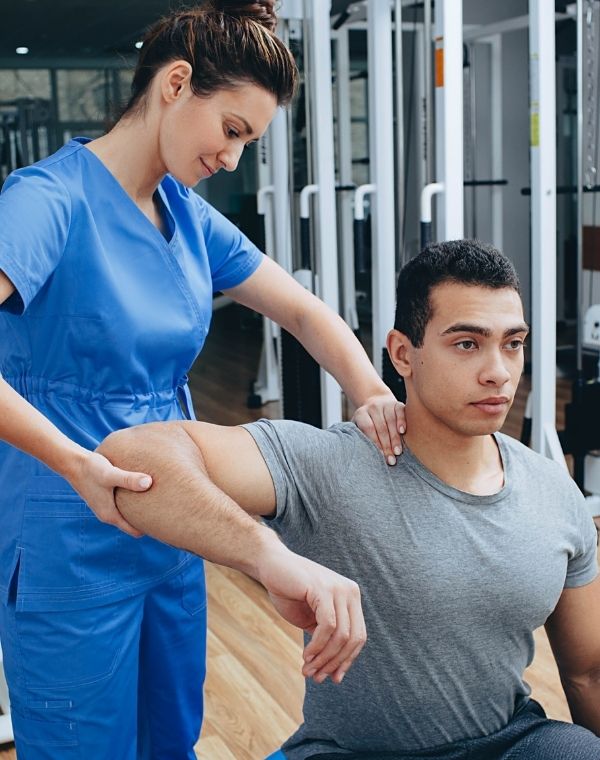
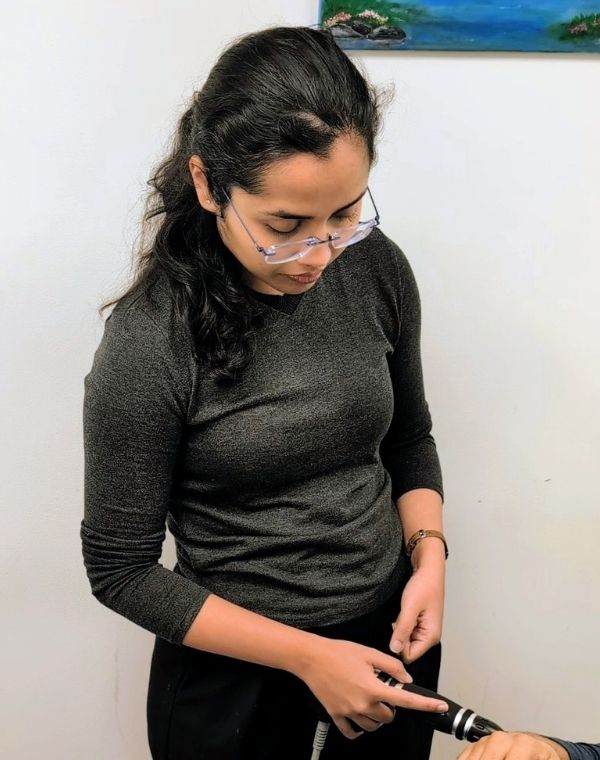
At LPAW, patellar tendinopathy is treated with evidence-based loading rehabilitation combined, where appropriate, with [shockwave therapy](/services/shockwave/) — the most strongly evidenced adjunctive treatment for this condition.
Physiotherapy Hydrotherapy Shockwave Sports Therapy Women's Health Dry Needling Osteopathy Pilates by Physios Babies & Children Men's Health Massage Running Assessments PTNS Post-Op Biofeedback Soft Tissue Therapy Manual Therapy Pre-Op Trigger Point Release Med-X Strengthening Physiotherapy Hydrotherapy Shockwave Sports Therapy Women's Health Dry Needling Osteopathy Pilates by Physios Babies & Children Men's Health Massage Running Assessments PTNS Post-Op Biofeedback Soft Tissue Therapy Manual Therapy Pre-Op Trigger Point Release Med-X Strengthening
What Is Patellar Tendinopathy?

The patellar tendon runs from the inferior pole of the patella (kneecap) to the tibial tuberosity (the bony prominence below the knee). It acts as the final link through which quadriceps force is transmitted to extend the knee, meaning it is exposed to very high tensile loads during running and jumping.
Tendinopathy refers to a failed healing response within the tendon. With excessive or repetitive loading, the collagen structure becomes disorganised, new blood vessels form within the tendon (neovascularisation), and accompanying nerve growth can contribute to pain. This is primarily a degenerative process rather than an inflammatory one.

What drives patellar tendinopathy:

Rapid increases in training load: The most common cause. The tendon is unable to adapt to sudden increases in jumping, sprinting, or overall training volume

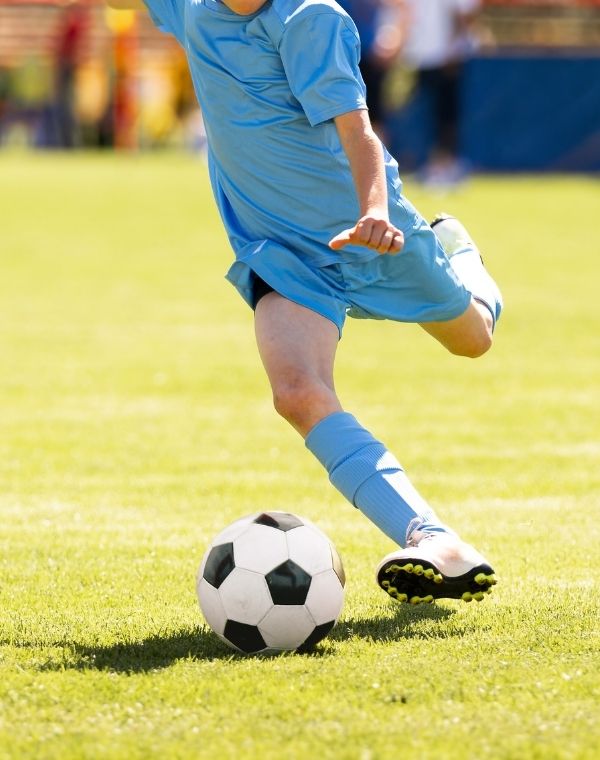
High jumping and landing demands: Common in sports such as basketball, volleyball, athletics (jump events), football, and gymnastics

Quadriceps and hip strength deficits: Reduced capacity in these muscle groups increases relative load on the tendon

Training surface and footwear: Hard surfaces and inadequate footwear can increase impact forces

Rapid weight gain: Increases mechanical load through the tendon with each movement

  • Pain at the lower pole of the patella (inferior tip of the kneecap), usually very localised
  • Pain that is worse at the start of activity, improves during exercise, then worsens afterwards — the classic “warm-up phenomenon”
  • Stiffness after rest, especially first thing in the morning
  • Pain when sitting with the knee bent for long periods
  • Tenderness on palpation at the patellar tendon insertion
  • Gradual worsening of symptoms as training load increases

Patellar tendinopathy should be assessed and treated early. Once symptoms persist beyond approximately 3 months, it becomes more difficult to resolve fully. If your pain follows the pattern described above — particularly the warm-up phenomenon and localised inferior patellar tenderness — a physiotherapy assessment is appropriate.

Simply resting is not an effective long-term solution. While rest may reduce pain temporarily, it does not address the underlying tendon capacity problem, and symptoms often return when loading is reintroduced.


The patellar tendon runs from the inferior pole of the patella (kneecap) to the tibial tuberosity (the bony prominence below the knee). It acts as the final link through which quadriceps force is transmitted to extend the knee, meaning it is exposed to very high tensile loads during running and jumping.
Tendinopathy refers to a failed healing response within the tendon. With excessive or repetitive loading, the collagen structure becomes disorganised, new blood vessels form within the tendon (neovascularisation), and accompanying nerve growth can contribute to pain. This is primarily a degenerative process rather than an inflammatory one.
What drives patellar tendinopathy:

Rapid increases in training load: The most common cause. The tendon is unable to adapt to sudden increases in jumping, sprinting, or overall training volume

High jumping and landing demands: Common in sports such as basketball, volleyball, athletics (jump events), football, and gymnastics

Quadriceps and hip strength deficits: Reduced capacity in these muscle groups increases relative load on the tendon

Training surface and footwear: Hard surfaces and inadequate footwear can increase impact forces

Rapid weight gain: Increases mechanical load through the tendon with each movement

  • Pain at the lower pole of the patella (inferior tip of the kneecap), usually very localised
  • Pain that is worse at the start of activity, improves during exercise, then worsens afterwards — the classic “warm-up phenomenon”
  • Stiffness after rest, especially first thing in the morning
  • Pain when sitting with the knee bent for long periods
  • Tenderness on palpation at the patellar tendon insertion
  • Gradual worsening of symptoms as training load increases

Patellar tendinopathy should be assessed and treated early. Once symptoms persist beyond approximately 3 months, it becomes more difficult to resolve fully. If your pain follows the pattern described above — particularly the warm-up phenomenon and localised inferior patellar tenderness — a physiotherapy assessment is appropriate.

Simply resting is not an effective long-term solution. While rest may reduce pain temporarily, it does not address the underlying tendon capacity problem, and symptoms often return when loading is reintroduced.


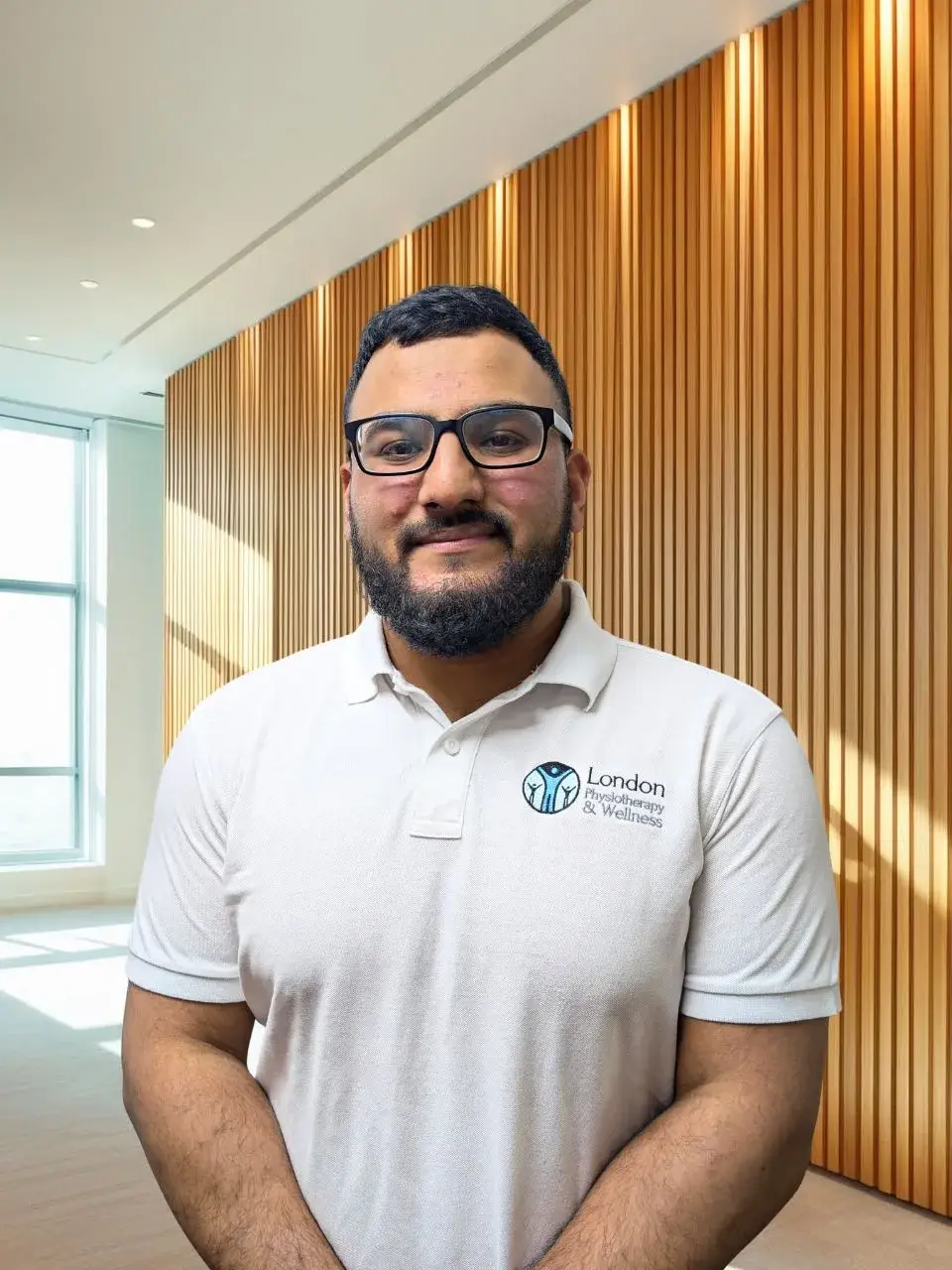
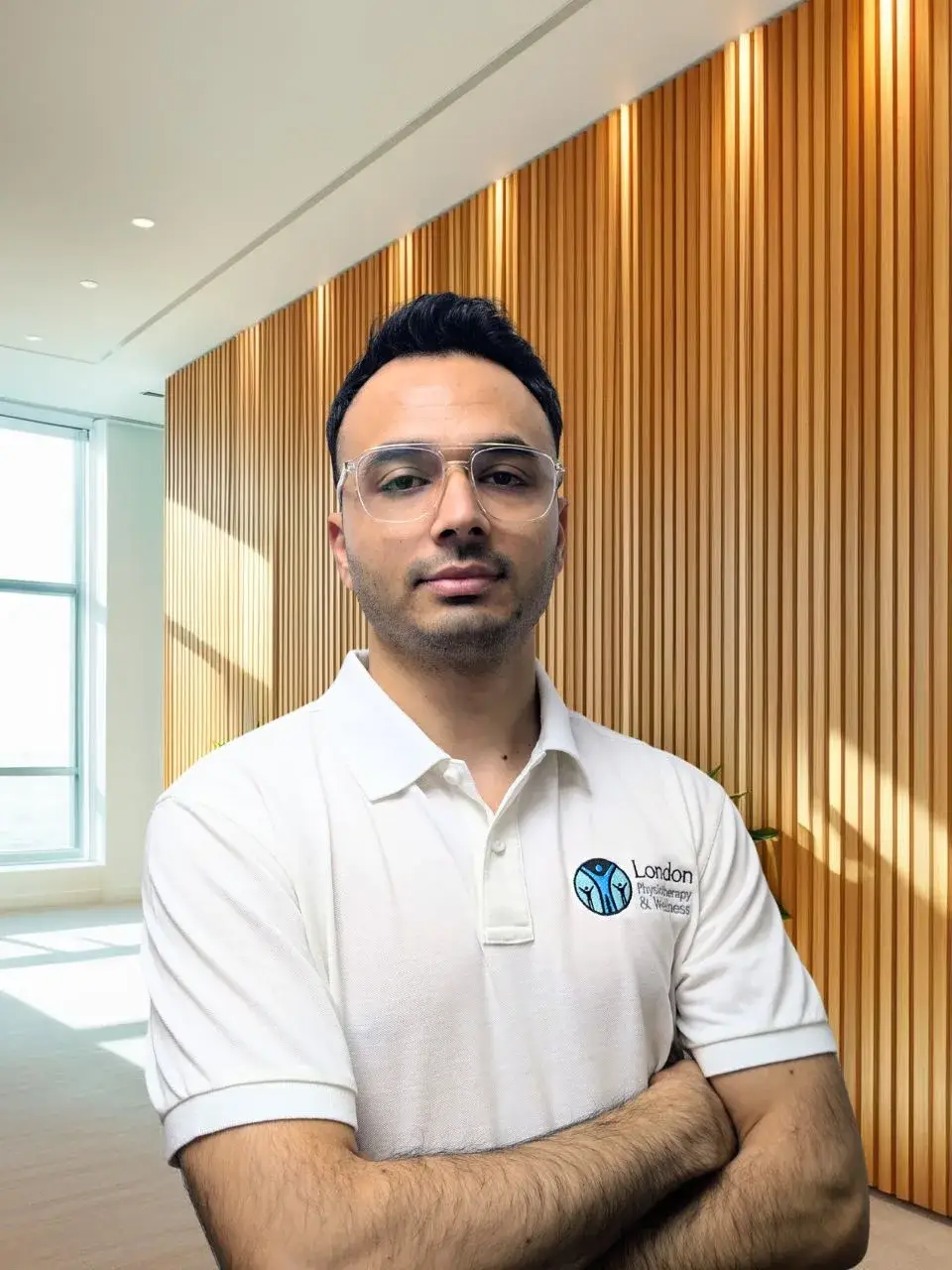
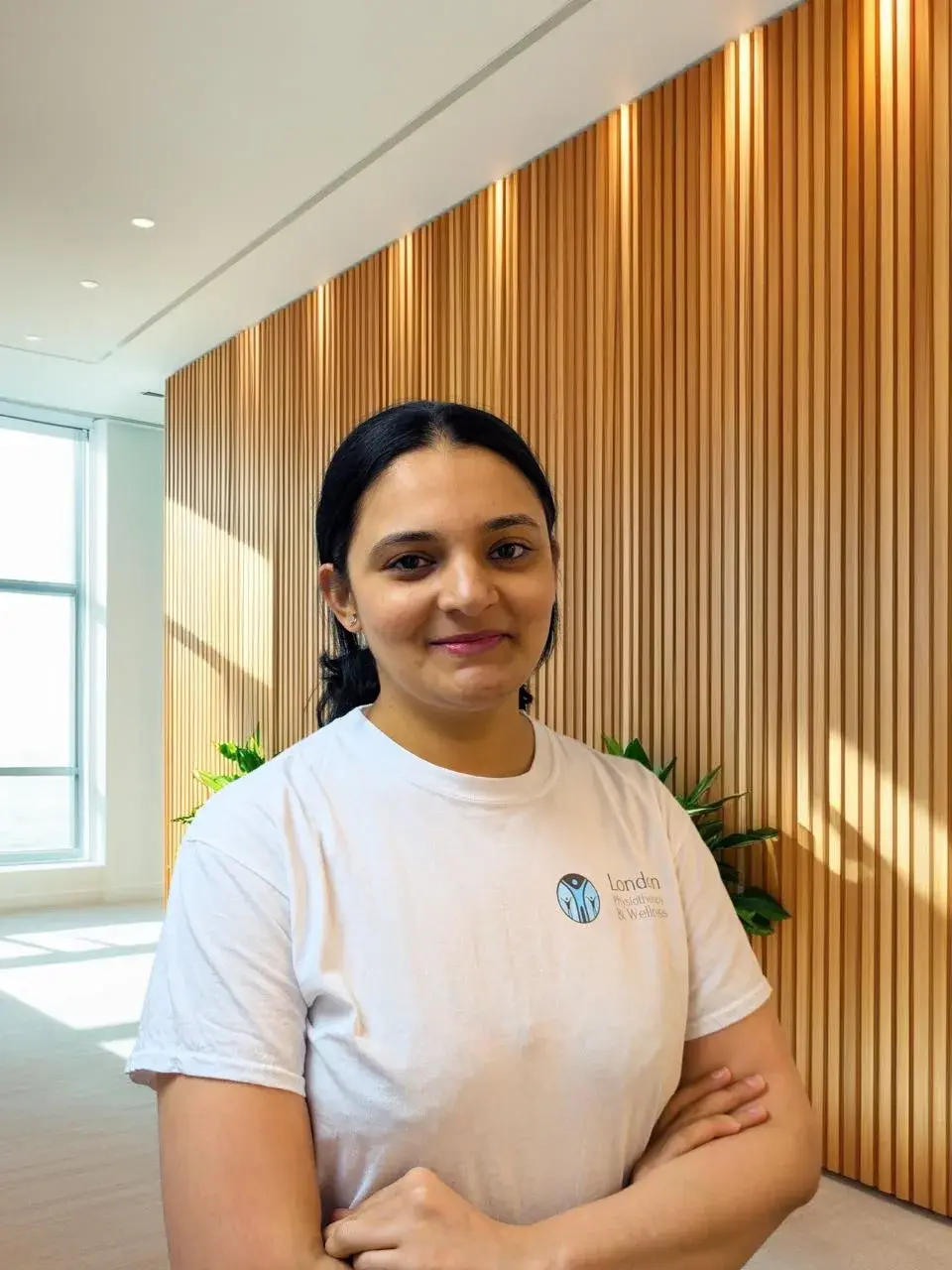
Meet our team of experts

LPAW’s clinical team includes 19 practitioners, many holding postgraduate qualifications from UCL, King’s College London, and Guy’s and St Thomas’. Lead clinician Mr Arjun Viswanath MSc, MCSP, MPPA – Co-Founder and Consultant Physiotherapist – brings 25+ years of NHS and private experience including BMI London Independent Hospital and Harley Street.

Every clinician joining LPAW completes a mandatory intensive shadowing placement with our Consultant Physiotherapist before seeing patients independently. This is not a standard practice at most clinics – it’s our way of maintaining clinical consistency across the team.

How LPAW Treats Jumper's Knee

Evidence-Based Loading Rehabilitation

Progressive tendon loading is the cornerstone of patellar tendinopathy management. The current best-evidence approach is heavy slow resistance training, which uses controlled, slow-tempo loading to place sustained tensile stress on the tendon. This stimulates collagen synthesis and supports tendon remodelling over time.

The LPAW patellar tendinopathy programme follows a four-stage loading progression:

Stage 1 — Isometric loading
Sustained static quadriceps contractions (such as wall sits or leg press holds) performed daily. Isometric work can reduce pain in the short term and is useful both therapeutically and as a warm-up before activity. This stage is typically used when symptoms are reactive or irritable.

Stage 2 — Isotonic (heavy slow resistance) loading
Slow-tempo exercises such as squats, leg press, and split squats with progressive loading. A common prescription is 3 sets of 15 repetitions with a controlled 4-second concentric and 4-second eccentric phase, progressing towards heavier loads with lower repetitions (e.g. 6-rep sets).

Stage 3 — Energy storage loading
Introduction of plyometric and elastic loading tasks such as box jumps, depth drops, and progressive hopping. This phase targets the tendon’s ability to absorb and release energy and should only begin once the tendon tolerates previous loading without symptom reactivity.

Stage 4 — Sport-specific loading
Gradual return to full sporting demands, including jumping, sprinting, and court-based movements, progressed in a structured and criteria-based manner.

Load management is essential throughout all stages. Total jumping and sprinting volume should be reduced initially and then rebuilt gradually to prevent symptom flare-ups or reactive episodes.

[Physiotherapy] sessions include:

  • Load management counselling: Education on how to modify training and sport participation during rehabilitation to reduce tendon overload while maintaining fitness
  • Quadriceps and hip strength assessment and targeted rehabilitation: Identifying strength deficits and addressing them with specific, progressive loading programmes
  • Manual therapy and soft tissue work: Treatment of contributing structures such as the IT band, fat pad, and quadriceps where they are influencing symptoms
  • Taping for symptom management during training: Used as an adjunct to reduce pain and improve tolerance during activity, not as a standalone treatment
 

Shockwave therapy may be used for specific presentations of chronic back pain — particularly those involving myofascial trigger points or thoracolumbar fascial pain — though it is not the primary treatment for most back pain presentations.

How LPAW Treats Jumper's Knee

Progressive tendon loading is the cornerstone of patellar tendinopathy management. The current best-evidence approach is heavy slow resistance training, which uses controlled, slow-tempo loading to place sustained tensile stress on the tendon. This stimulates collagen synthesis and supports tendon remodelling over time.

The LPAW patellar tendinopathy programme follows a four-stage loading progression:

Stage 1 — Isometric loading
Sustained static quadriceps contractions (such as wall sits or leg press holds) performed daily. Isometric work can reduce pain in the short term and is useful both therapeutically and as a warm-up before activity. This stage is typically used when symptoms are reactive or irritable.

Stage 2 — Isotonic (heavy slow resistance) loading
Slow-tempo exercises such as squats, leg press, and split squats with progressive loading. A common prescription is 3 sets of 15 repetitions with a controlled 4-second concentric and 4-second eccentric phase, progressing towards heavier loads with lower repetitions (e.g. 6-rep sets).

Stage 3 — Energy storage loading
Introduction of plyometric and elastic loading tasks such as box jumps, depth drops, and progressive hopping. This phase targets the tendon’s ability to absorb and release energy and should only begin once the tendon tolerates previous loading without symptom reactivity.

Stage 4 — Sport-specific loading
Gradual return to full sporting demands, including jumping, sprinting, and court-based movements, progressed in a structured and criteria-based manner.

Load management is essential throughout all stages. Total jumping and sprinting volume should be reduced initially and then rebuilt gradually to prevent symptom flare-ups or reactive episodes.

[Physiotherapy] sessions include:

  • Load management counselling: Education on how to modify training and sport participation during rehabilitation to reduce tendon overload while maintaining fitness
  • Quadriceps and hip strength assessment and targeted rehabilitation: Identifying strength deficits and addressing them with specific, progressive loading programmes
  • Manual therapy and soft tissue work: Treatment of contributing structures such as the IT band, fat pad, and quadriceps where they are influencing symptoms
  • Taping for symptom management during training: Used as an adjunct to reduce pain and improve tolerance during activity, not as a standalone treatment


Shockwave therapy may be used for specific presentations of chronic back pain — particularly those involving myofascial trigger points or thoracolumbar fascial pain — though it is not the primary treatment for most back pain presentations.

What Our Patients Say

Cibelle Andrada S. profile picture
Cibelle Andrada S.
2 months ago
From the moment I walked into this clinic, I knew everything was going to be okay. After seeing many physios, Priyanka, the pelvic specialist, was the first one to properly diagnose my back injury and choose exercises that were actually right for my condition.

I HIGHLY recommend hydrotherapy. This clinic has truly been life-changing for me. When you live with constant pain, finding real relief is priceless.

Thank you for the care, professionalism, and for giving me hope again ❤️
Molly W. profile picture
Molly W.
3 months ago
We had 6 of their amazing physiotherapist support London’s Air Ambulance Charity’s post-race reception for the 2026 London Marathon. Their communication before and during the event was excellent and all our runners have commented on how much their post-race massage has helped them with their recovery. We hope to work with them again in the future
Percy C. profile picture
Percy C.
3 months ago
Extremely impressed by the service offered. I injured my knee a while ago and they have been amazing in helping me with me recovery. Uzair Ahmed is very knowledgable and I really trust him with my recovery journey. Would highly recommend!
Ziya H. profile picture
Ziya H.
3 months ago
Been coming here for over a year every six weeks. Very professional and friendly at the same time. Can highly recommend. Big shout out to Mohammed and great reception service.
Kevin P. profile picture
Kevin P.
3 months ago
Fantastic treatment available! Enquired at short notice and they had a superfast response, and the treatment was excellent. Thank you!!
James L. profile picture
James L.
3 months ago
The team were highly professional, pleasant and helpful throughout my process of physiotherapy. I highly recommend this therapy clinic!
Em H. profile picture
Em H.
4 months ago
Had a couple of excellent sessions with Priyanka Shah, with really useful exercises and advice. Highly recommend!
Nicola W. profile picture
Nicola W.
5 months ago
Helpful and knowledgeable. Thank you!
Richard T. profile picture
Richard T.
5 months ago
I suffer with lower back disc bulges pinching my muscles and severely limiting my mobility, stability, and indeed causing agonising pain at the worst of times. I received a kind, patient and conscientious home visit at first before being invited to hydrotherapy at the clinic. 2 sessions in and I'm loving it so much, I'm determined to get one of these pools for myself later on in life. Couldn't recommend them highly enough.
Chris C. profile picture
Chris C.
5 months ago
Miracle workers!! Great gym rehab facilities patience to really understand the problem. Would highly recommend for anyone with chronic neck or back pain who are prepared to do some work on themselves.
Arif H. profile picture
Arif H.
5 months ago
Have been attending sessions for Physiotherapy here twice a week for many weeks now. Everyone is very patient and understanding. My treatment is going exceptionally well so far and Im already seeing massive progress from before my first ever session.

Would definitely recommend this clinic for anyone who needs rehabilitation or treatment!
D.Iyalla 1 profile picture
D.Iyalla 1
5 months ago
I’ve been attending London Physiotherapy And Wellness Stratford for 3 weeks now and already there are improvements in the areas I had problems with.
The physiotherapist is very knowledgeable and passionate about how he can help to improve & build your strength.
To help you recover is his main focus.
Not only is the physiotherapists customer service is great the admin team is also.
I personally recommend.
Ollie S. profile picture
Ollie S.
5 months ago
I had to visit the clinic for a hip injury I received from running. I started physio with Anup back in November and started with hydrotherapy, moving into physio in the new year. I've had a great experience with Anup and now I'm well on the road to recovery, I've started running again and I know what strength workouts I should be doing to keep up my recovery. So glad I found Anup and the clinic and would recommend them to anyone who has an injury!
无颜Music profile picture
无颜Music
6 months ago
The location is really convenient for me. The physiotherapist was very knowledgeable. He helped me identified the root cause of my heel pain and provided me with a clear pathway to my recovery.
Will recommend them ????????
Ervis L. profile picture
Ervis L.
8 months ago
I was assisted by Priyanka while recovering from a torn quad, and I couldn’t have asked for a better physiotherapist. She was incredibly supportive during a moment of real vulnerability, and I always felt truly taken care of. Her focus during every session was exceptional she even kept counting my reps to make sure I stayed on track!

Priyanka is a wonderful asset to the team, and I feel very lucky to have had her during my recovery. Highly recommended.
andrea B. profile picture
andrea B.
10 months ago
Best Physio ever. I visited the clinic after I damaged the ACL ligament practicing judo. I was unable to walk, using crutches and couldn't bend the leg. I was initially told by the doctor to wait at least 6/7 months to be fully recovered and the physiotherapy was the only way to get better. Thanks to the skilled clinic and very professional physiotherapist, they managed to get me back on trainings after 3/4 months only having now a stronger knee than before. I was assisted my Mohammed N R and his job was beyond the expectations. They have specific equipment to practice a high variety of exercises and furthermore they are super friendly and easy reachable by email or phone for last minute doubts. I cannot thank more for the assistance received for a faster recovery they granted me. I fully recommend them.

Ready to bounce back better?

Frequently Asked Questions

“Tendonitis” implies inflammation. Current evidence shows that patellar tendinopathy is primarily a degenerative condition rather than an inflammatory one. The distinction matters because anti-inflammatory treatments (ice, NSAIDs, cortisone) do not address the actual pathology. “Tendinopathy” is the accurate and clinically preferred term.
Not necessarily. Whether to continue sport depends on symptom severity, sport demands, and load management. Mild-moderate symptoms (pain during activity that remains below 4–5 out of 10 and settles within 24 hours after activity) can generally be managed by continuing sport with load reduction, alongside the rehabilitation programme. Severe reactive symptoms may require a temporary reduction in sport participation.
Shockwave is an effective adjunct to loading rehabilitation but is not a cure on its own. The biological stimulus it provides (collagen synthesis, neovascularisation, pain modulation) complements the mechanical stimulus of progressive loading. Patients who have shockwave therapy as part of a comprehensive programme achieve better outcomes than those who have it as an isolated treatment.
Spontaneous complete patellar tendon rupture is rare and typically occurs in tendons with significant pre-existing degenerative change in older adults or with specific risk factors (corticosteroid injection history, systemic conditions). Progressive loading rehabilitation, while it involves tendon stress, does not increase rupture risk in the rehabilitation context. Seek immediate assessment if you experience sudden onset severe pain and inability to extend the knee.
Yes. Chronic tendinopathy responds more slowly, but significant improvement is achievable even in long-standing cases. The tendon’s capacity to remodel and adapt in response to appropriate loading does not disappear with time. Patients with 2-year histories of patellar tendinopathy regularly achieve substantial functional recovery with a structured programme — particularly when it includes shockwave as an adjunct.

Recovery

Recovery Timeline
  • Mild–moderate tendinopathy (onset < 6 weeks): 6–12 weeks with appropriate loading
  • Established tendinopathy (3–6 months): 3–6 months of structured rehabilitation, with shockwave therapy sometimes used as an adjunct
  • Chronic tendinopathy (> 12 months): 6–12 months; most patients still achieve significant improvement. Progress may be slower, but meaningful recovery is still achievable
  • Perform isometric exercises daily: Wall sits, leg press holds, and Spanish squats can be used daily for pain modulation and early tendon loading
  • Manage training load carefully: The priority is avoiding reactive spikes in load. Keeping a training diary and reducing jumping/sprinting volume by around 40–50% from symptom onset levels, then rebuilding gradually, is often helpful
  • Load the tendon — don’t rest it: Complete rest does not resolve tendinopathy. Progressive loading is essential for recovery
  • Avoid excessive compression of the patellar tendon: In the reactive phase, avoid deep knee flexion positions such as kneeling with full flexion or movements like the breaststroke kick
  • Warm up before activity: Isometric holds prior to training can reduce pain during subsequent exercise

Recovery

  • Mild–moderate tendinopathy (onset < 6 weeks): 6–12 weeks with appropriate loading
  • Established tendinopathy (3–6 months): 3–6 months of structured rehabilitation, with shockwave therapy sometimes used as an adjunct
  • Chronic tendinopathy (> 12 months): 6–12 months; most patients still achieve significant improvement. Progress may be slower, but meaningful recovery is still achievable
  • Perform isometric exercises daily: Wall sits, leg press holds, and Spanish squats can be used daily for pain modulation and early tendon loading
  • Manage training load carefully: The priority is avoiding reactive spikes in load. Keeping a training diary and reducing jumping/sprinting volume by around 40–50% from symptom onset levels, then rebuilding gradually, is often helpful
  • Load the tendon — don’t rest it: Complete rest does not resolve tendinopathy. Progressive loading is essential for recovery
  • Avoid excessive compression of the patellar tendon: In the reactive phase, avoid deep knee flexion positions such as kneeling with full flexion or movements like the breaststroke kick
  • Warm up before activity: Isometric holds prior to training can reduce pain during subsequent exercise

What We Do

Start your journey to
better health

See all

Not sure what to book?