


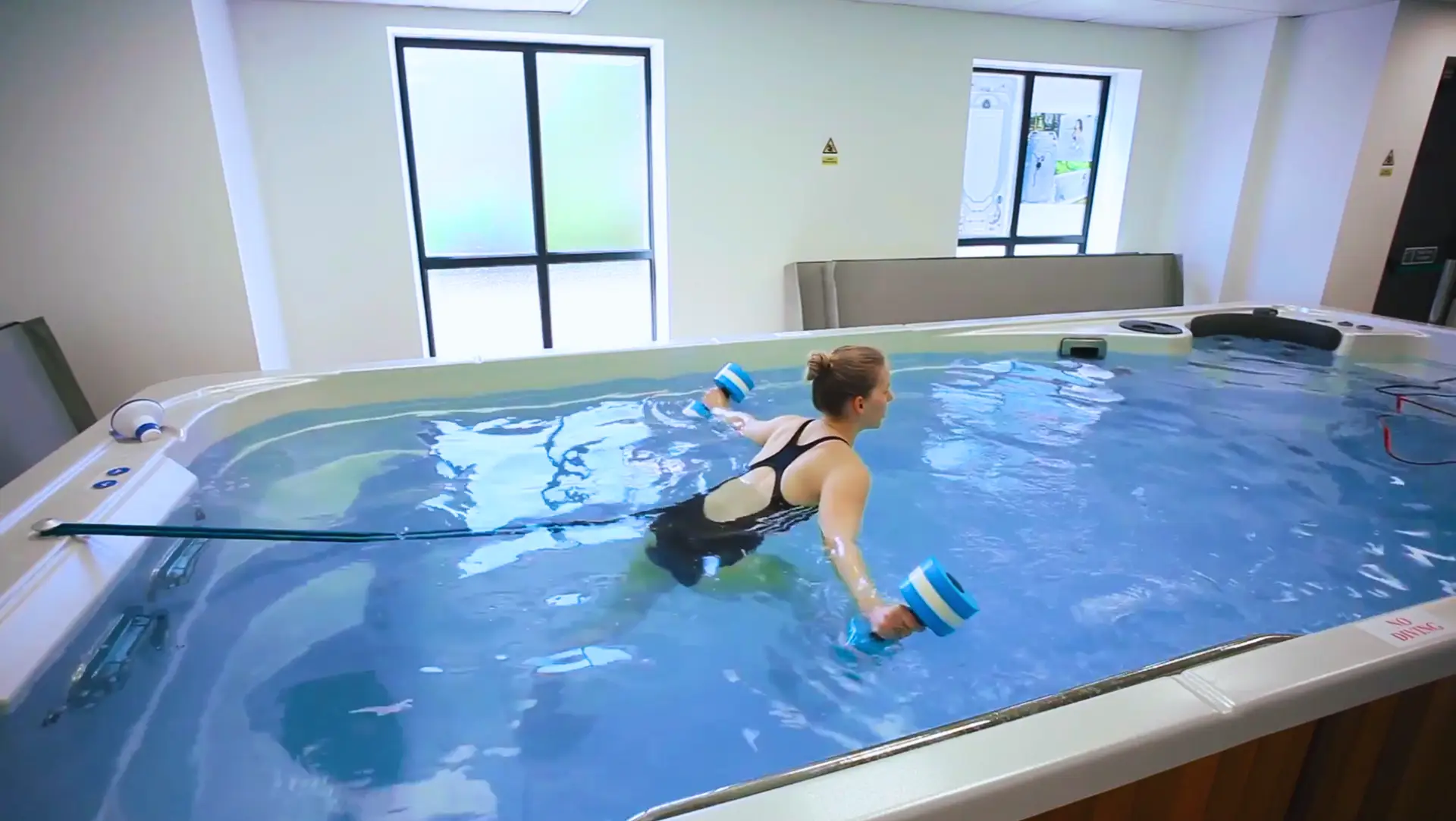
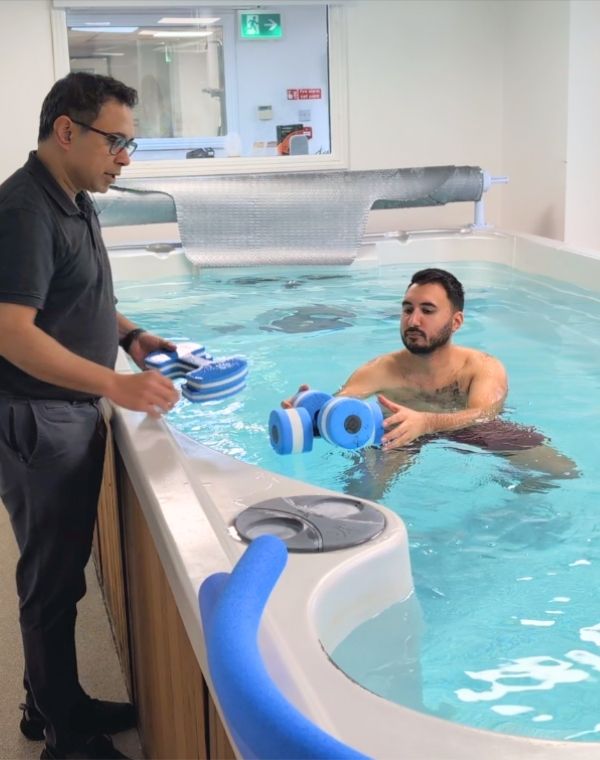
The main LPAW clinic is in Bow, E3, London, right next to The Bow Quarter. This bright and spacious clinic offers 4 treatment rooms, 2 changing rooms with showers, a large rehab gym, & onsite hydrotherapy in our 17 foot pool.
The LPAW satellite clinic is based in Stratford East Village where we run a thriving sports rehab offering.
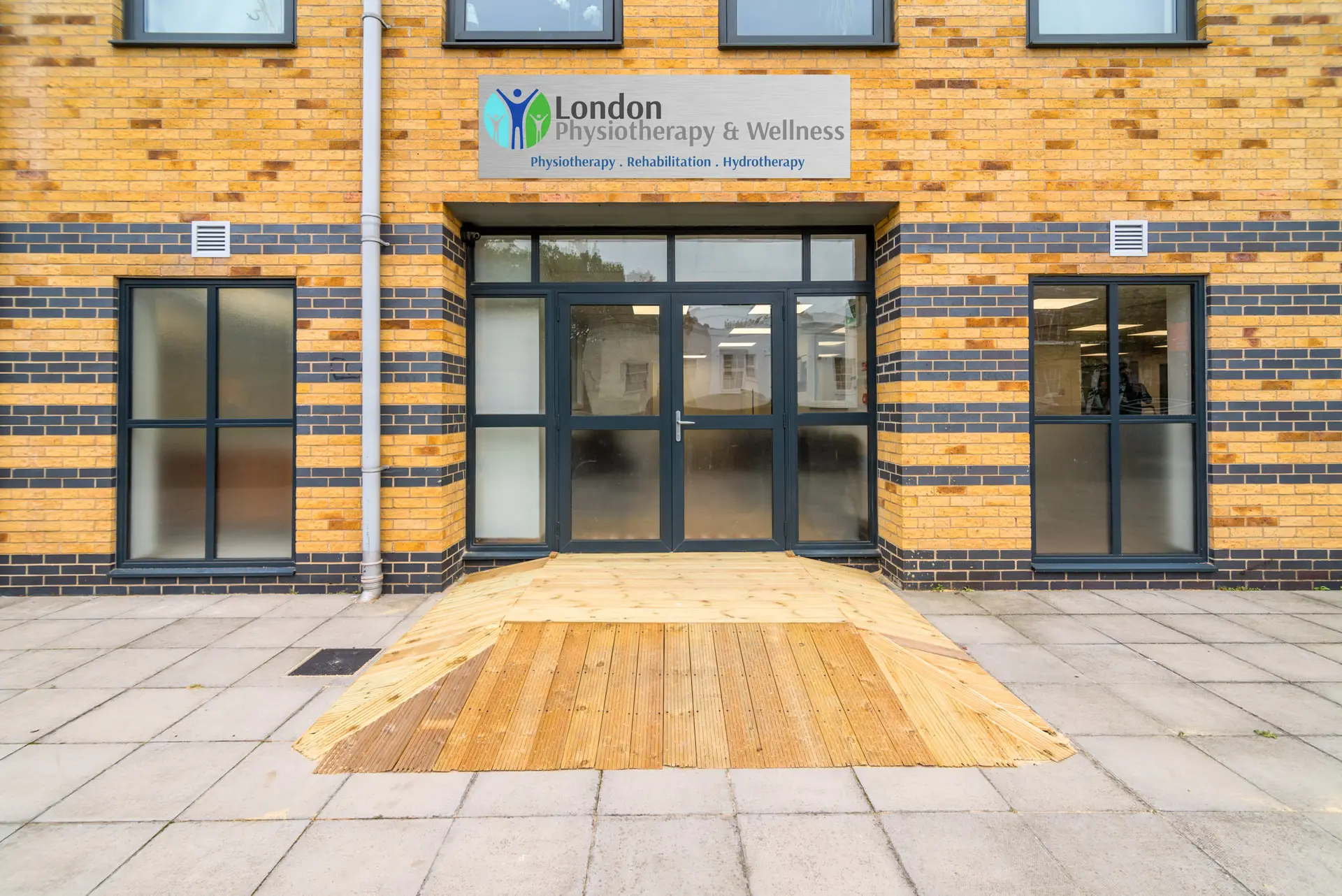
The main LPAW clinic is in Bow, E3, London, right next to The Bow Quarter. This bright and spacious clinic offers 4 treatment rooms, 2 changing rooms with showers, a large rehab gym, & onsite hydrotherapy in our 17 foot pool.
The LPAW satellite clinic is based in Stratford East Village where we run a thriving sports rehab offering.
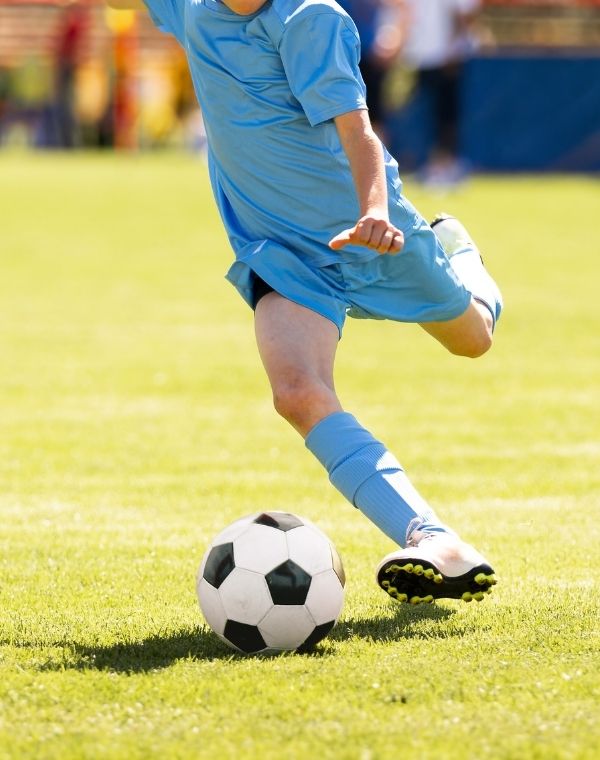
Runner’s knee is one of the most common running injuries. Treated correctly — with biomechanical assessment, targeted strengthening, and load management — the majority of patients achieve full recovery. Available at our Bow and Stratford East Village clinics.
Understanding what drives PFPS is what makes LPAW’s treatment approach effective. The primary contributors are:
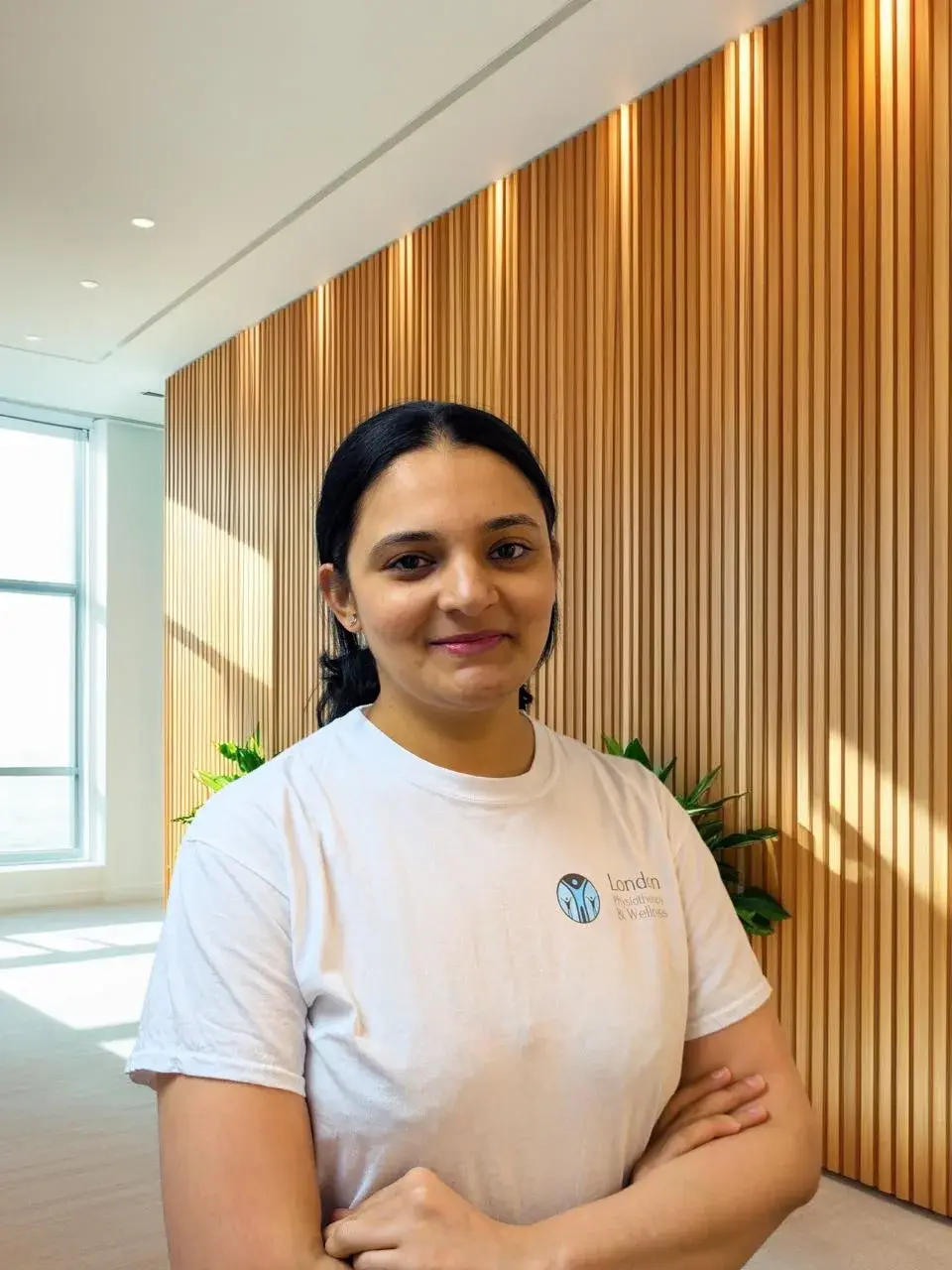
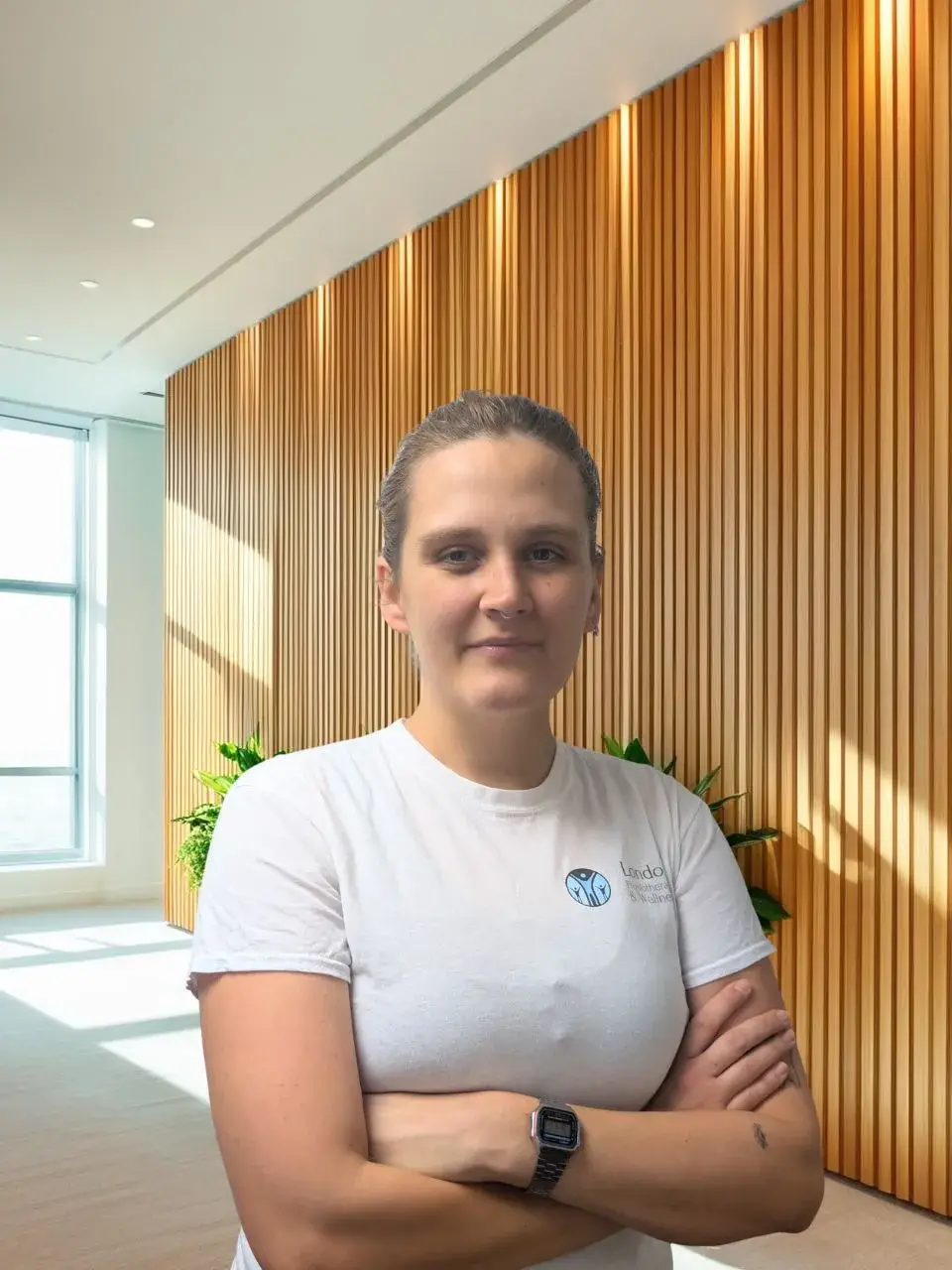
LPAW’s clinical team includes 19 practitioners, many holding postgraduate qualifications from UCL, King’s College London, and Guy’s and St Thomas’. Lead clinician Mr Arjun Viswanath MSc, MCSP, MPPA – Co-Founder and Consultant Physiotherapist – brings 25+ years of NHS and private experience including BMI London Independent Hospital and Harley Street.
Every clinician joining LPAW completes a mandatory intensive shadowing placement with our Consultant Physiotherapist before seeing patients independently. This is not a standard practice at most clinics – it’s our way of maintaining clinical consistency across the team.
For runners, biomechanical retraining is often as important as strengthening. Based on gait analysis findings, your physiotherapist may prescribe:
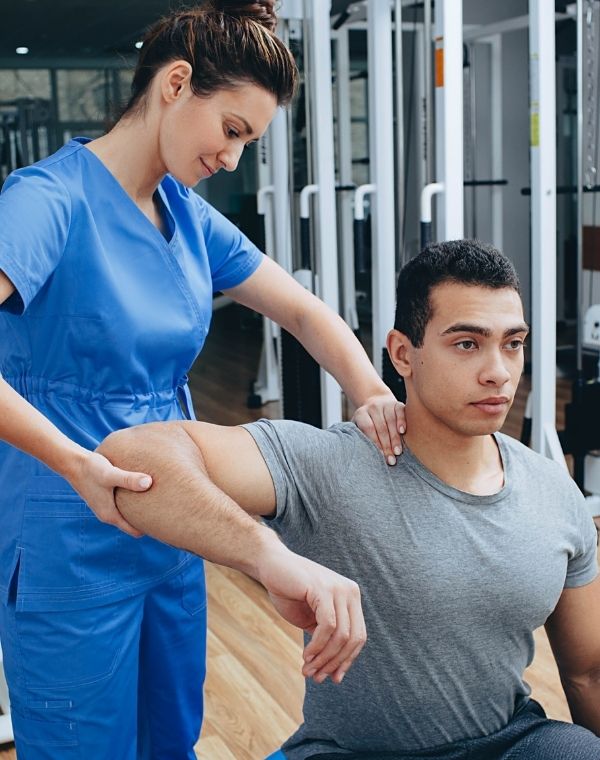
PFPS is a load-sensitive condition. During rehabilitation, total running volume is temporarily reduced — typically by 40–60% from the volume at which symptoms appeared — before being progressively reloaded over 6–12 weeks.
Most back pain is benign and responds to physiotherapy. However, certain features require urgent medical assessment. Seek immediate medical attention if you experience:
For runners, biomechanical retraining is often as important as strengthening. Based on gait analysis findings, your physiotherapist may prescribe:


What We Do