

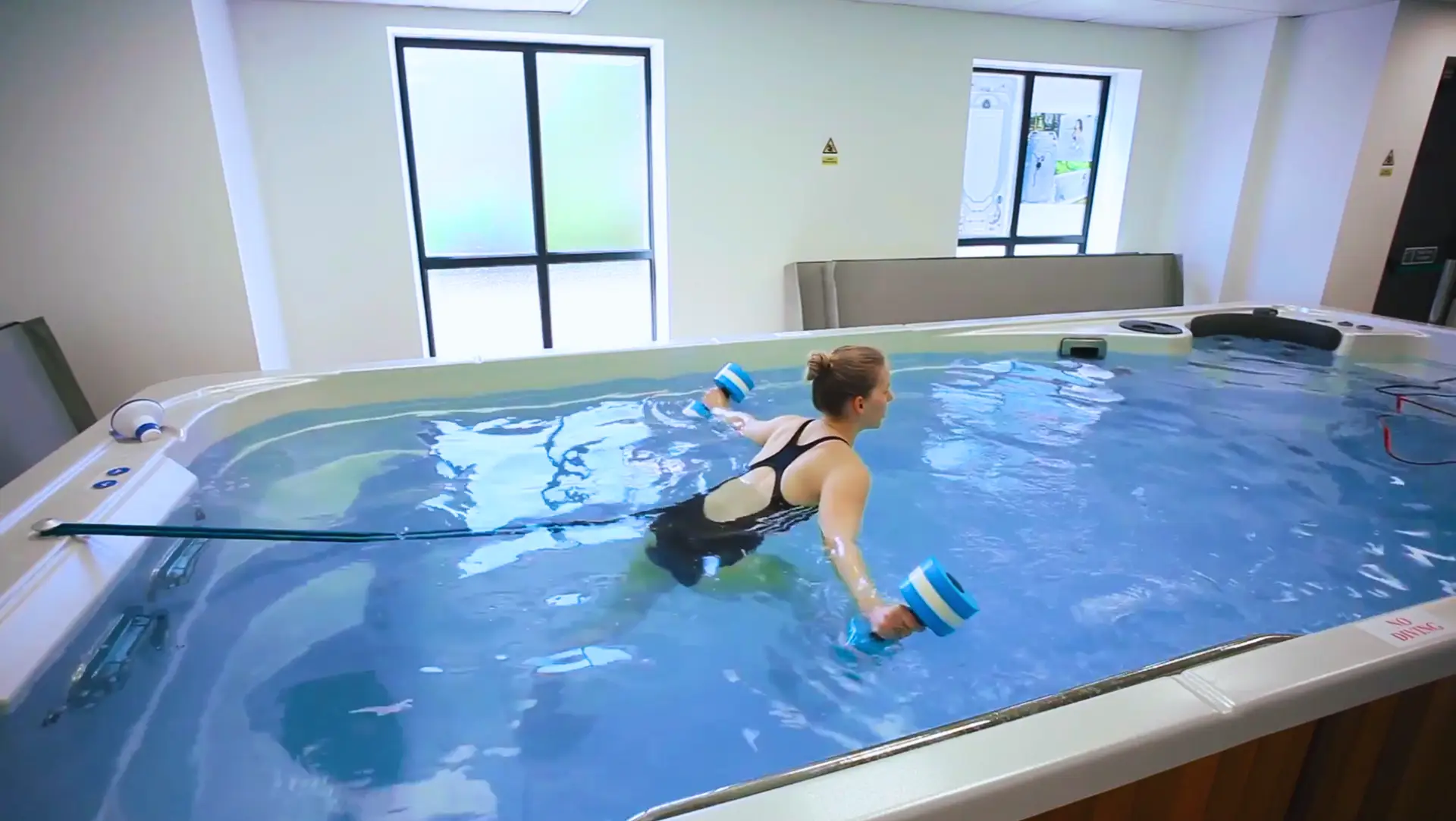
The main LPAW clinic is in Bow, E3, London, right next to The Bow Quarter. This bright and spacious clinic offers 4 treatment rooms, 2 changing rooms with showers, a large rehab gym, & onsite hydrotherapy in our 17 foot pool.
The LPAW satellite clinic is based in Stratford East Village where we run a thriving sports rehab offering.
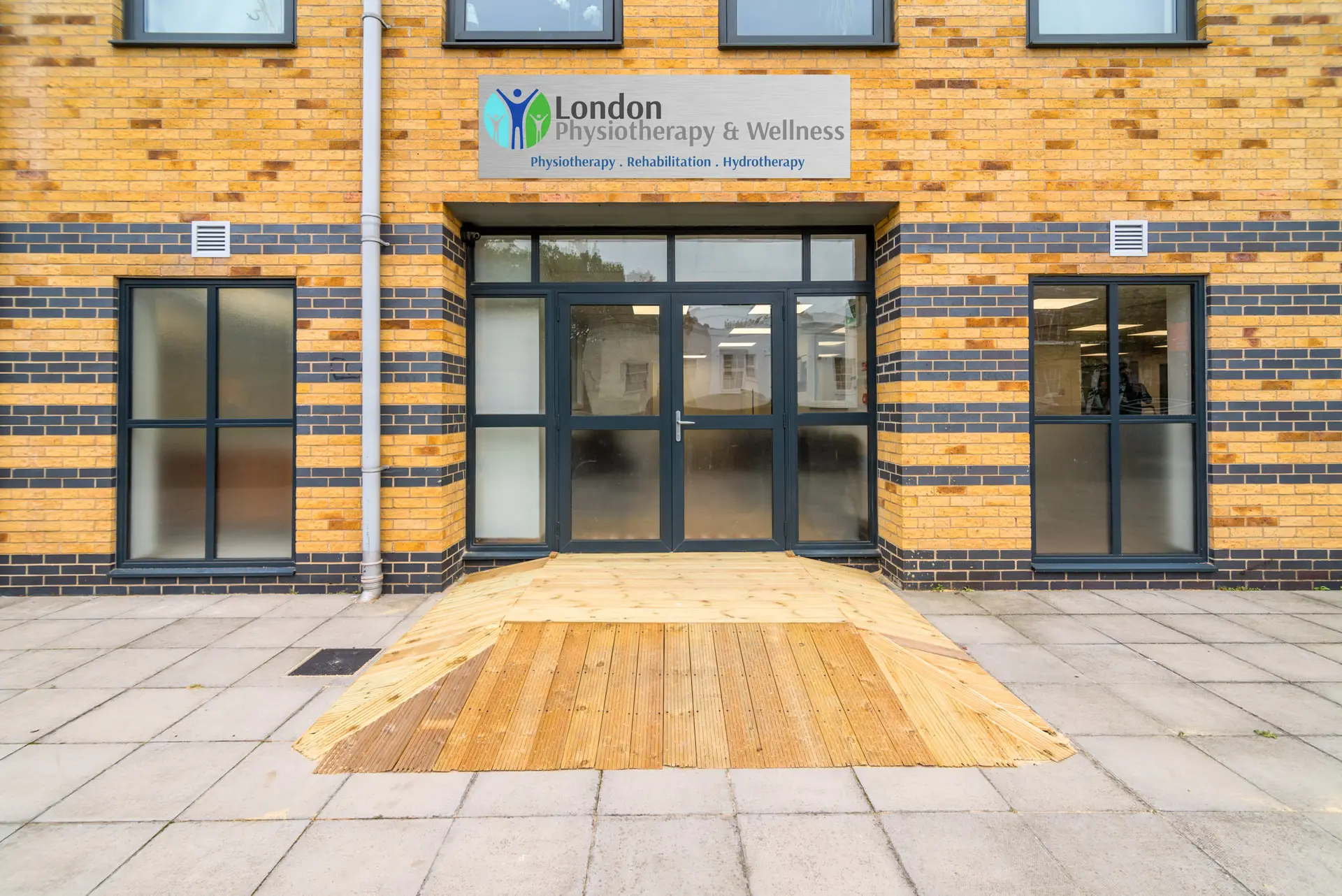
The main LPAW clinic is in Bow, E3, London, right next to The Bow Quarter. This bright and spacious clinic offers 4 treatment rooms, 2 changing rooms with showers, a large rehab gym, & onsite hydrotherapy in our 17 foot pool.
The LPAW satellite clinic is based in Stratford East Village where we run a thriving sports rehab offering.
Whether you’ve twisted your ankle, pulled a hamstring, or built up an overuse injury over months of training — at LPAW we assess accurately, treat correctly, and get you back to full activity without setting you up for a repeat. Available at our Bow and Stratford East Village clinics.
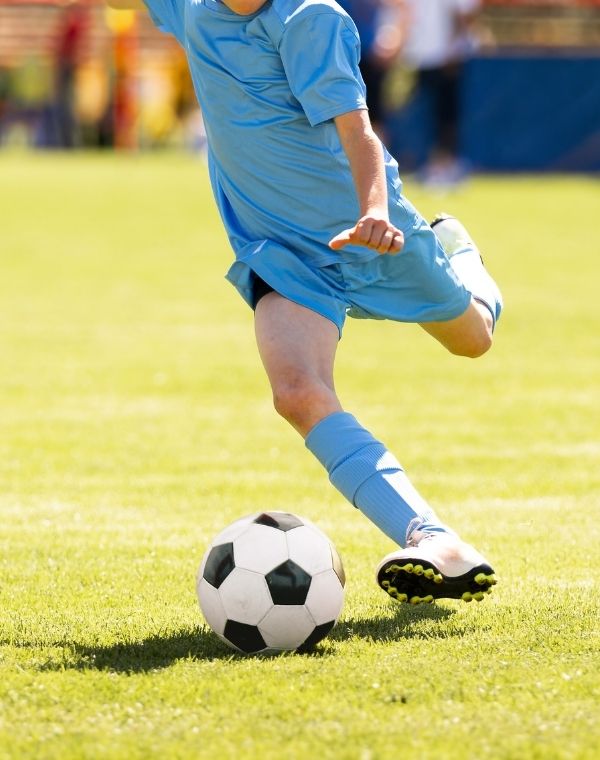
Acute injuries occur suddenly as the result of a specific incident such as a fall, collision, awkward landing, or sudden change of direction. They include:
Ligament sprains — stretching or tearing of a ligament at a joint. Graded I (stretch), II (partial tear), and III (complete tear). Common sites include ACL and other knee ligaments, the ankle lateral ligament complex, and the shoulder AC joint.
Muscle strains — stretching or tearing within a muscle or musculotendinous junction. Graded similarly to ligament injuries. Common in the hamstrings, calf, and quadriceps.
Adductor/groin strains — very common in football, hockey, and rugby.
Joint dislocations — shoulder dislocation is the most frequent in sport.
Contusions (bruising) — direct impact to muscle causing local bleeding and swelling. Can develop into myositis ossificans if not managed appropriately.
Fractures — result from direct impact or indirect loading. Some stress fractures develop gradually over weeks of repetitive overload rather than a single incident.
Overuse / Chronic Injuries
Overuse injuries develop gradually over weeks or months due to accumulated training load. They include:
Tendinopathies — Achilles, patellar (jumper’s knee), hamstring, gluteal, and rotator cuff tendinopathies. These occur when load exceeds the tendon’s capacity to adapt.
Shin splints (medial tibial stress syndrome)
Stress fractures — microscopic bone injury from repetitive loading. Common sites include the tibia, metatarsals, and femoral neck in runners.
Runner’s knee (patellofemoral pain syndrome)
Tennis elbow and golfer’s elbow
Rotator cuff tendinopathy
IT band syndrome
The common factor in overuse injuries is a mismatch between training load and tissue capacity. Management focuses on restoring capacity and controlling load to allow adaptation.
Regardless of the specific injury, sound sports injury management follows consistent principles:
1. Accurate Diagnosis First
Treatment without diagnosis is guesswork. An LPAW sports assessment identifies the specific structure involved, severity, contributing biomechanical factors, and sport-specific demands. Where imaging is needed to confirm diagnosis (suspected fracture, ligament rupture, meniscal tear), we facilitate rapid referral.
2. PEACE & LOVE — Replacing RICE
The old RICE protocol (Rest, Ice, Compression, Elevation) has been largely superseded. The current evidence-based framework is PEACE & LOVE:
Protection — unload the injured tissue for 1–3 days
Elevation — raise the injured limb above heart level
Avoid anti-inflammatories — inflammation is a natural and necessary part of healing; NSAIDs and ice may impair it
Compression — reduce swelling
Education — understand the injury and avoid passive treatment dependency
Load — gradual return to activity stimulates tissue repair
Optimism — positive expectations improve outcomes
Vascularisation — early aerobic exercise that does not stress the injury improves blood flow and recovery
Exercise — targeted exercises to restore strength and proprioception
3. Structured Rehabilitation
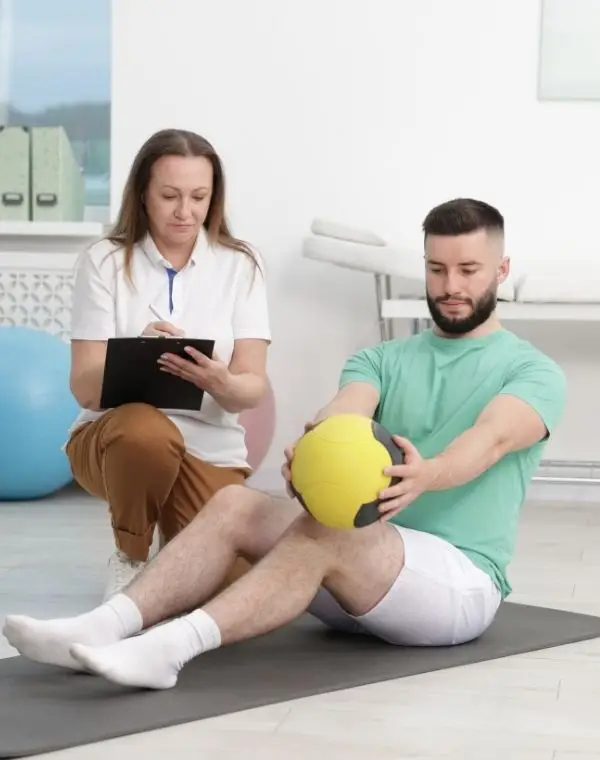
Rehabilitation at LPAW is phased, criteria-based, and sport-specific. Progression from one phase to the next is based on achieving objective milestones, not just time elapsed.
Phase 1, Protection and pain management
Phase 2, Tissue repair and basic mobility
Phase 3, Strength and neuromuscular control
Phase 4, Functional and sport-specific loading
Phase 5, Return to training and competition
Acute injuries occur suddenly as the result of a specific incident such as a fall, collision, awkward landing, or sudden change of direction. They include:
Ligament sprains — stretching or tearing of a ligament at a joint. Graded I (stretch), II (partial tear), and III (complete tear). Common sites include ACL and other knee ligaments, the ankle lateral ligament complex, and the shoulder AC joint.
Muscle strains — stretching or tearing within a muscle or musculotendinous junction. Graded similarly to ligament injuries. Common in the hamstrings, calf, and quadriceps.
Adductor/groin strains — very common in football, hockey, and rugby.
Joint dislocations — shoulder dislocation is the most frequent in sport.
Contusions (bruising) — direct impact to muscle causing local bleeding and swelling. Can develop into myositis ossificans if not managed appropriately.
Fractures — result from direct impact or indirect loading. Some stress fractures develop gradually over weeks of repetitive overload rather than a single incident.
Overuse / Chronic Injuries
Overuse injuries develop gradually over weeks or months due to accumulated training load. They include:
Tendinopathies — Achilles, patellar (jumper’s knee), hamstring, gluteal, and rotator cuff tendinopathies. These occur when load exceeds the tendon’s capacity to adapt.
Shin splints (medial tibial stress syndrome)
Stress fractures — microscopic bone injury from repetitive loading. Common sites include the tibia, metatarsals, and femoral neck in runners.
Runner’s knee (patellofemoral pain syndrome)
Tennis elbow and golfer’s elbow
Rotator cuff tendinopathy
IT band syndrome
The common factor in overuse injuries is a mismatch between training load and tissue capacity. Management focuses on restoring capacity and controlling load to allow adaptation.
Regardless of the specific injury, sound sports injury management follows consistent principles:
1. Accurate Diagnosis First
Treatment without diagnosis is guesswork. An LPAW sports assessment identifies the specific structure involved, severity, contributing biomechanical factors, and sport-specific demands. Where imaging is needed to confirm diagnosis (suspected fracture, ligament rupture, meniscal tear), we facilitate rapid referral.
2. PEACE & LOVE — Replacing RICE
The old RICE protocol (Rest, Ice, Compression, Elevation) has been largely superseded. The current evidence-based framework is PEACE & LOVE:
Protection — unload the injured tissue for 1–3 days
Elevation — raise the injured limb above heart level
Avoid anti-inflammatories — inflammation is a natural and necessary part of healing; NSAIDs and ice may impair it
Compression — reduce swelling
Education — understand the injury and avoid passive treatment dependency
Load — gradual return to activity stimulates tissue repair
Optimism — positive expectations improve outcomes
Vascularisation — early aerobic exercise that does not stress the injury improves blood flow and recovery
Exercise — targeted exercises to restore strength and proprioception
3. Structured Rehabilitation
Rehabilitation at LPAW is phased, criteria-based, and sport-specific. Progression from one phase to the next is based on achieving objective milestones, not just time elapsed.
Phase 1, Protection and pain management
Phase 2, Tissue repair and basic mobility
Phase 3, Strength and neuromuscular control
Phase 4, Functional and sport-specific loading
Phase 5, Return to training and competition
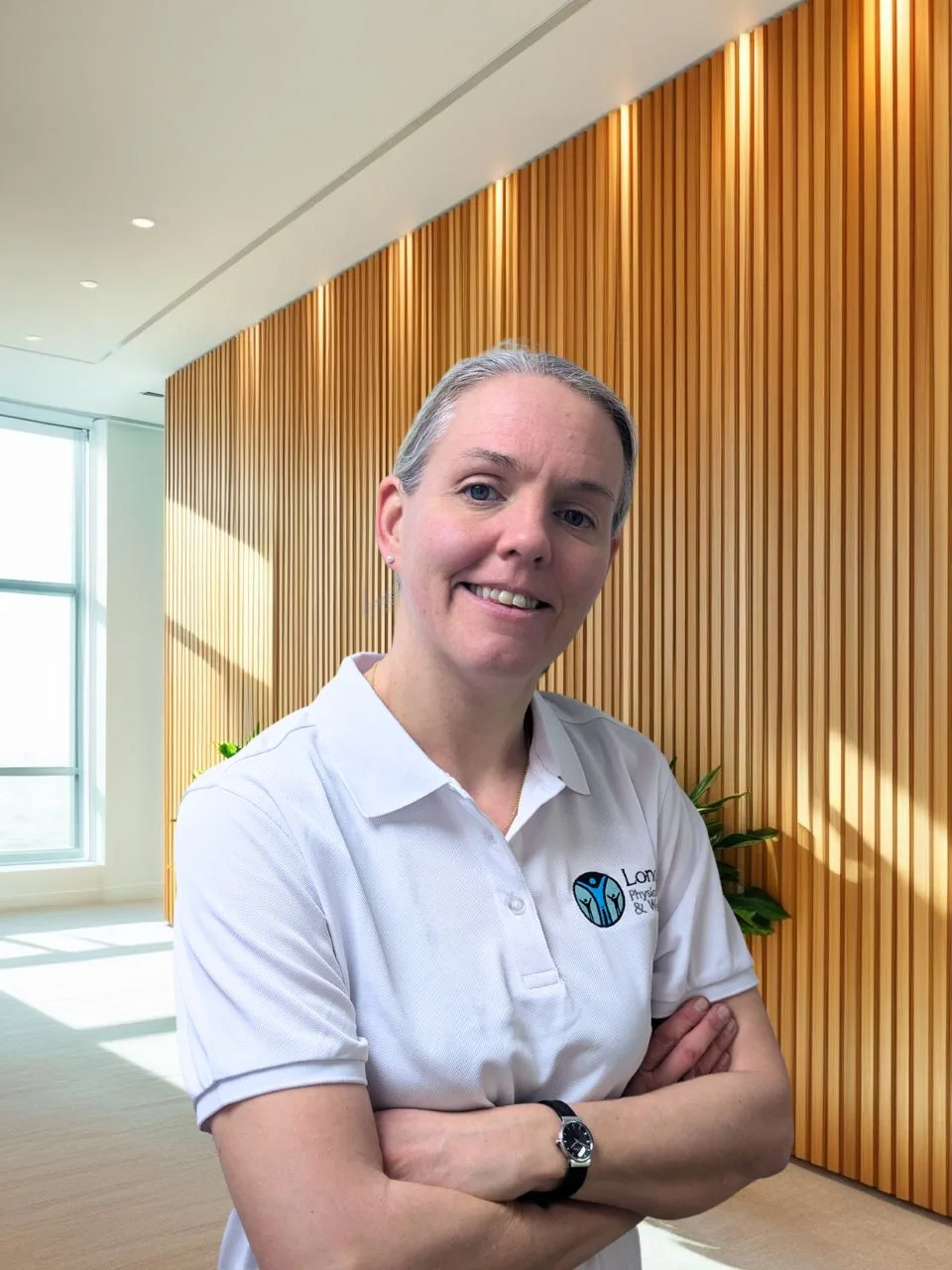
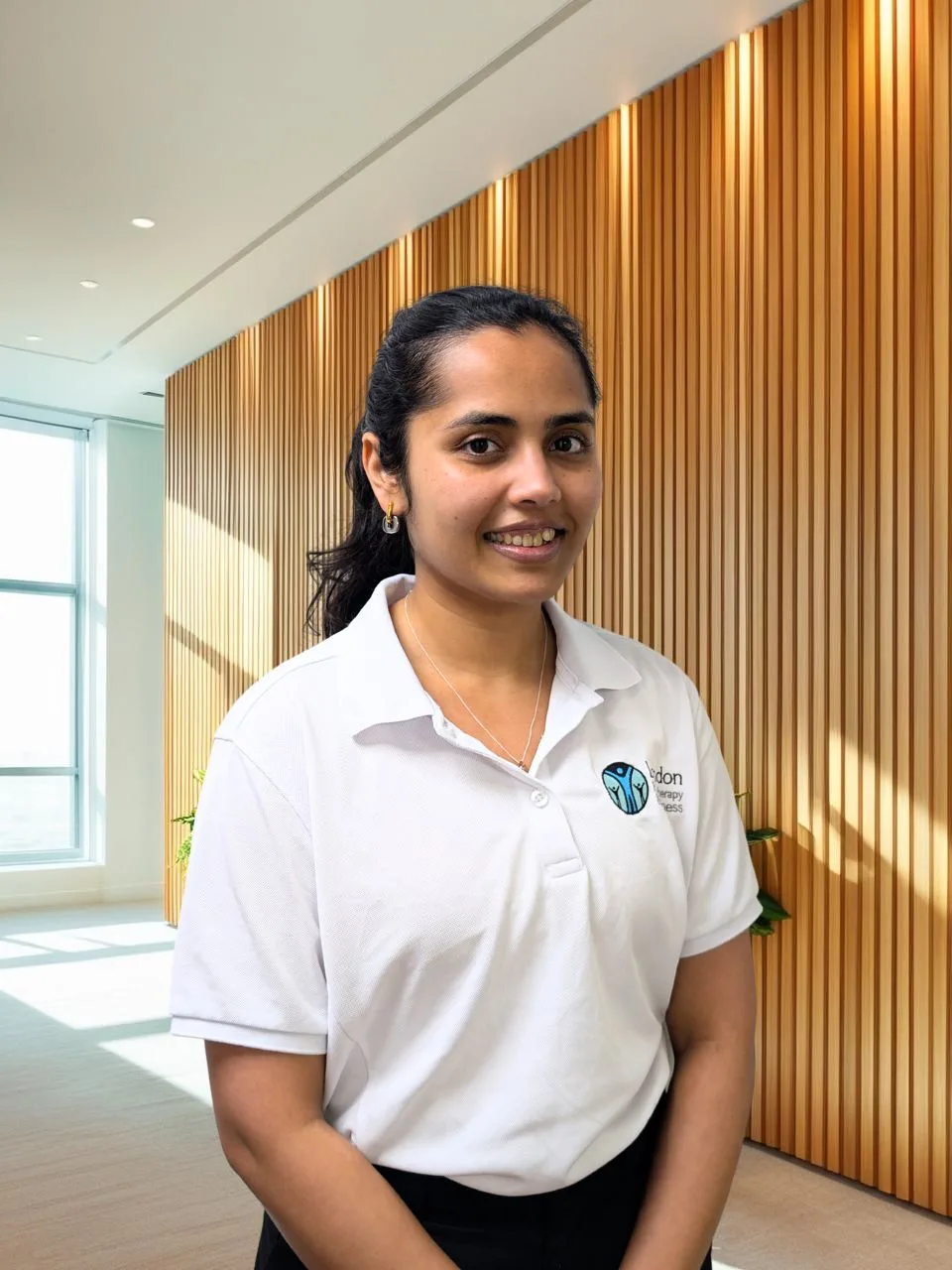
LPAW’s clinical team includes 19 practitioners, many holding postgraduate qualifications from UCL, King’s College London, and Guy’s and St Thomas’. Lead clinician Mr Arjun Viswanath MSc, MCSP, MPPA – Co-Founder and Consultant Physiotherapist – brings 25+ years of NHS and private experience including BMI London Independent Hospital and Harley Street.
Every clinician joining LPAW completes a mandatory intensive shadowing placement with our Consultant Physiotherapist before seeing patients independently. This is not a standard practice at most clinics – it’s our way of maintaining clinical consistency across the team.
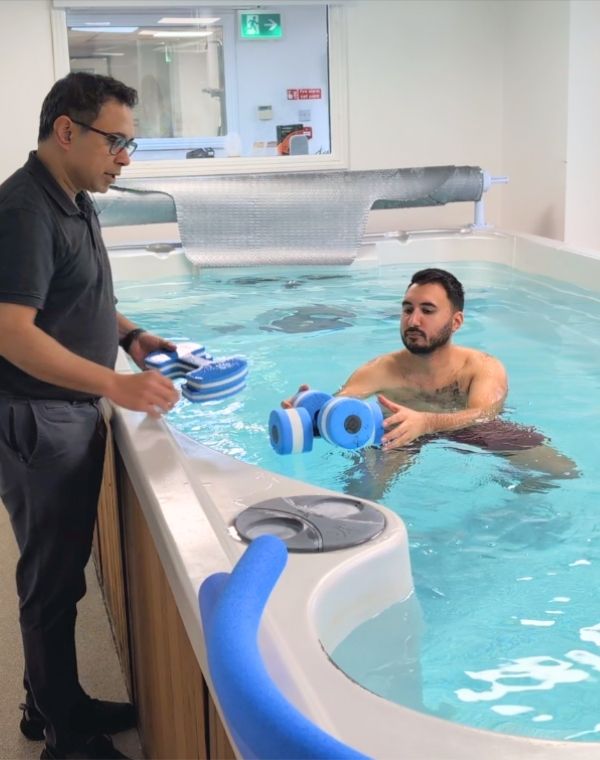
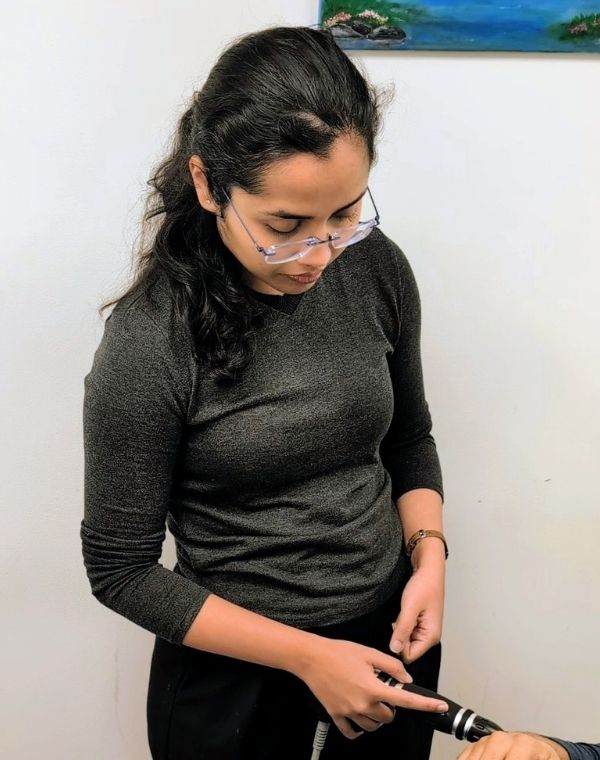
Hydrotherapy pool (36°C) for early aquatic rehabilitation and maintaining fitness when land-based training is restricted. Shockwave therapy for chronic tendinopathies not responding to loading rehabilitation. Running assessments and gait analysis for running-related injuries. Dry needling for trigger point-driven muscle pain.
LPAW uses validated objective criteria for return to sport clearance including limb symmetry indices, strength and hop tests, single-leg balance and proprioception tests, sport-specific movement quality assessments, and patient-reported confidence. “It feels okay” is not sufficient criteria to return to contact sport or high-speed running.
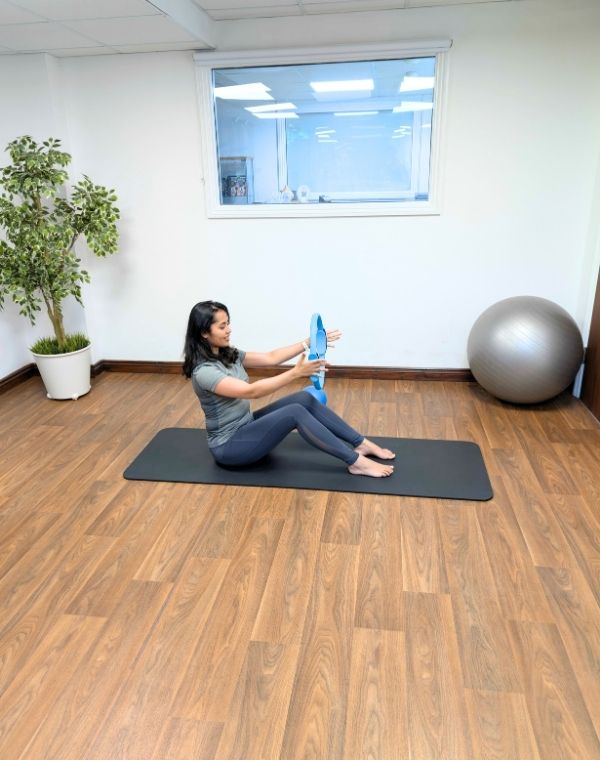
Sports injury rehabilitation at LPAW is phased and criteria-based.
Hydrotherapy pool (36°C) for early aquatic rehabilitation and maintaining fitness when land-based training is restricted. Shockwave therapy for chronic tendinopathies not responding to loading rehabilitation. Running assessments and gait analysis for running-related injuries. Dry needling for trigger point-driven muscle pain.
LPAW uses validated objective criteria for return to sport clearance including limb symmetry indices, strength and hop tests, single-leg balance and proprioception tests, sport-specific movement quality assessments, and patient-reported confidence. “It feels okay” is not sufficient criteria to return to contact sport or high-speed running.


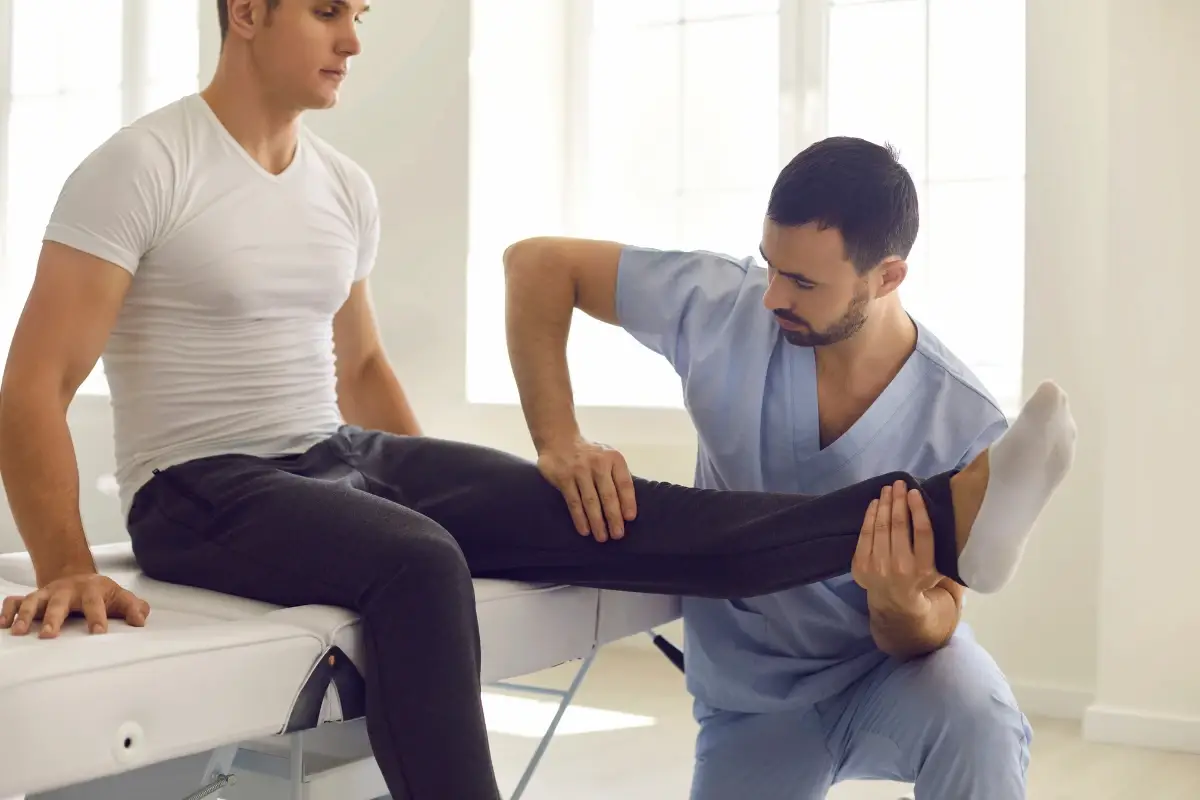
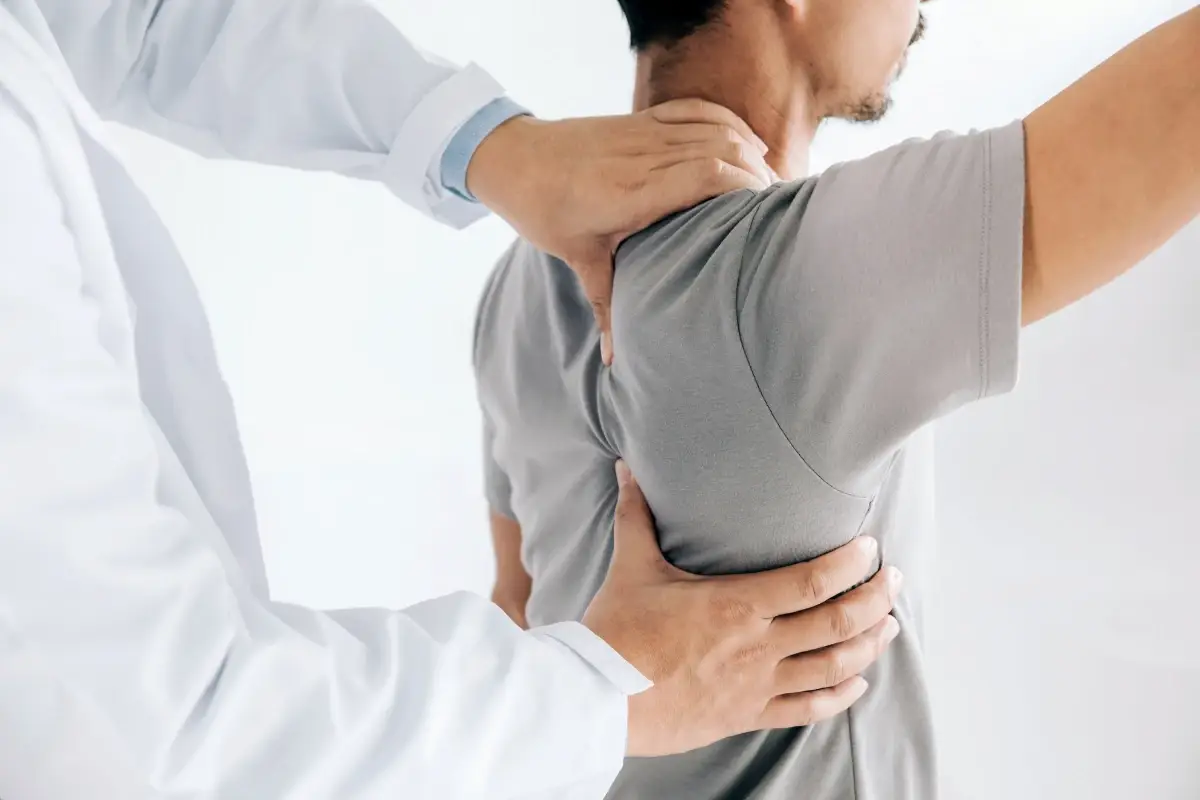
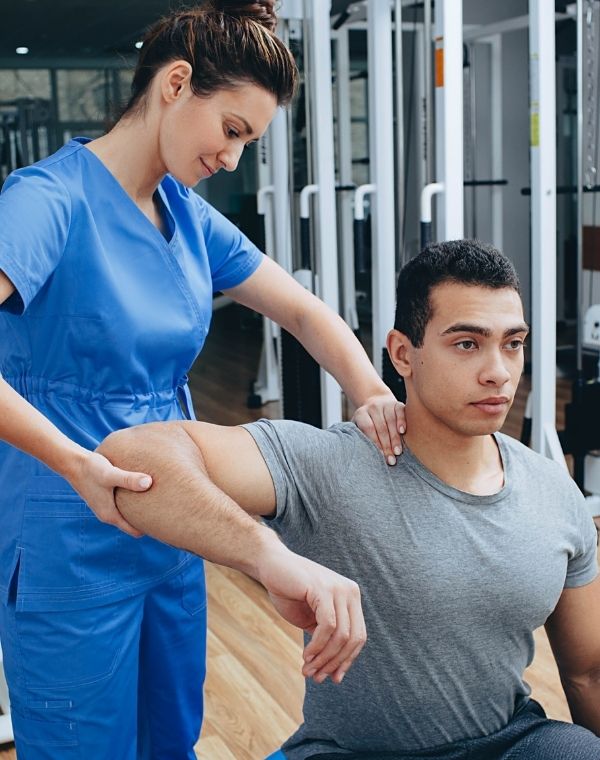
Your initial sports injury assessment (45–60 minutes) begins with a focused sports history, including how the injury occurred, your sport and training load, your goals and timeline, and any relevant previous injuries. Physical examination includes functional movement assessment, strength testing, and specific provocation tests.
You will leave with:
A clear diagnosis or differential diagnosis (with imaging arranged where necessary)
A realistic prognosis and recovery timeline
A phased rehabilitation plan with objective milestones
Immediate treatment where appropriate
Please bring or wear appropriate sports kit for the body part being assessed.
Stay active within your limits — complete rest makes most sports injuries worse, not better. Maintain fitness in areas unaffected by the injury (upper body if lower limb, swimming, cycling).
Follow PEACE & LOVE not RICE — avoid ice and anti-inflammatories in the first 72 hours. Inflammation is part of healing. Elevate and compress instead.
Load the injury progressively — gentle movement and early loading stimulates tissue repair. Immobilisation weakens tissue. Your physiotherapist will tell you exactly how much load is appropriate at each stage.
Don’t return to sport on feel alone — “it feels okay” is not enough. Pain-free does not mean healed. Follow the objective criteria your physiotherapist sets before returning to full training or competition.
Address what caused it — most overuse injuries and many acute injuries have contributing factors. Ignoring them means the injury comes back. Do the strength and movement work your physiotherapist prescribes even after pain has gone.
Your initial sports injury assessment (45–60 minutes) begins with a focused sports history, including how the injury occurred, your sport and training load, your goals and timeline, and any relevant previous injuries. Physical examination includes functional movement assessment, strength testing, and specific provocation tests.
You will leave with:
A clear diagnosis or differential diagnosis (with imaging arranged where necessary)
A realistic prognosis and recovery timeline
A phased rehabilitation plan with objective milestones
Immediate treatment where appropriate
Please bring or wear appropriate sports kit for the body part being assessed.
What We Do