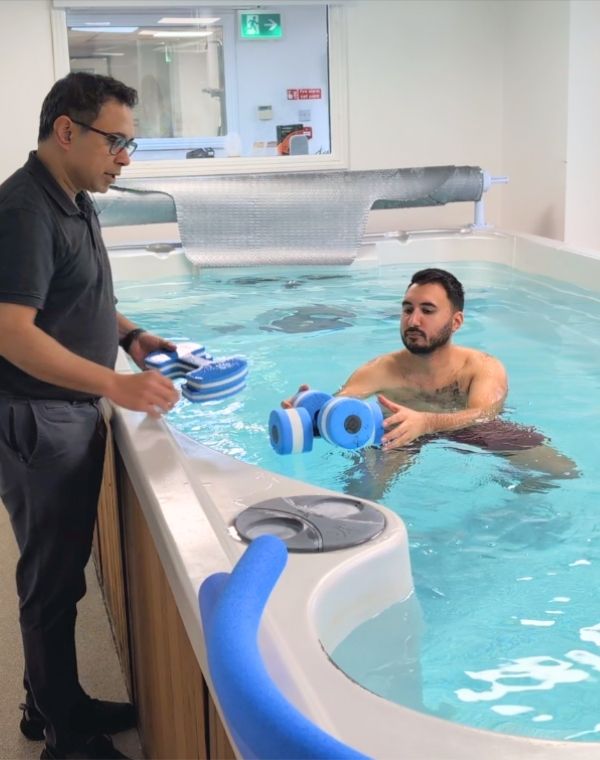


The main LPAW clinic is in Bow, E3, London, right next to The Bow Quarter. This bright and spacious clinic offers 4 treatment rooms, 2 changing rooms with showers, a large rehab gym, & onsite hydrotherapy in our 17 foot pool.
The LPAW satellite clinic is based in Stratford East Village where we run a thriving sports rehab offering.
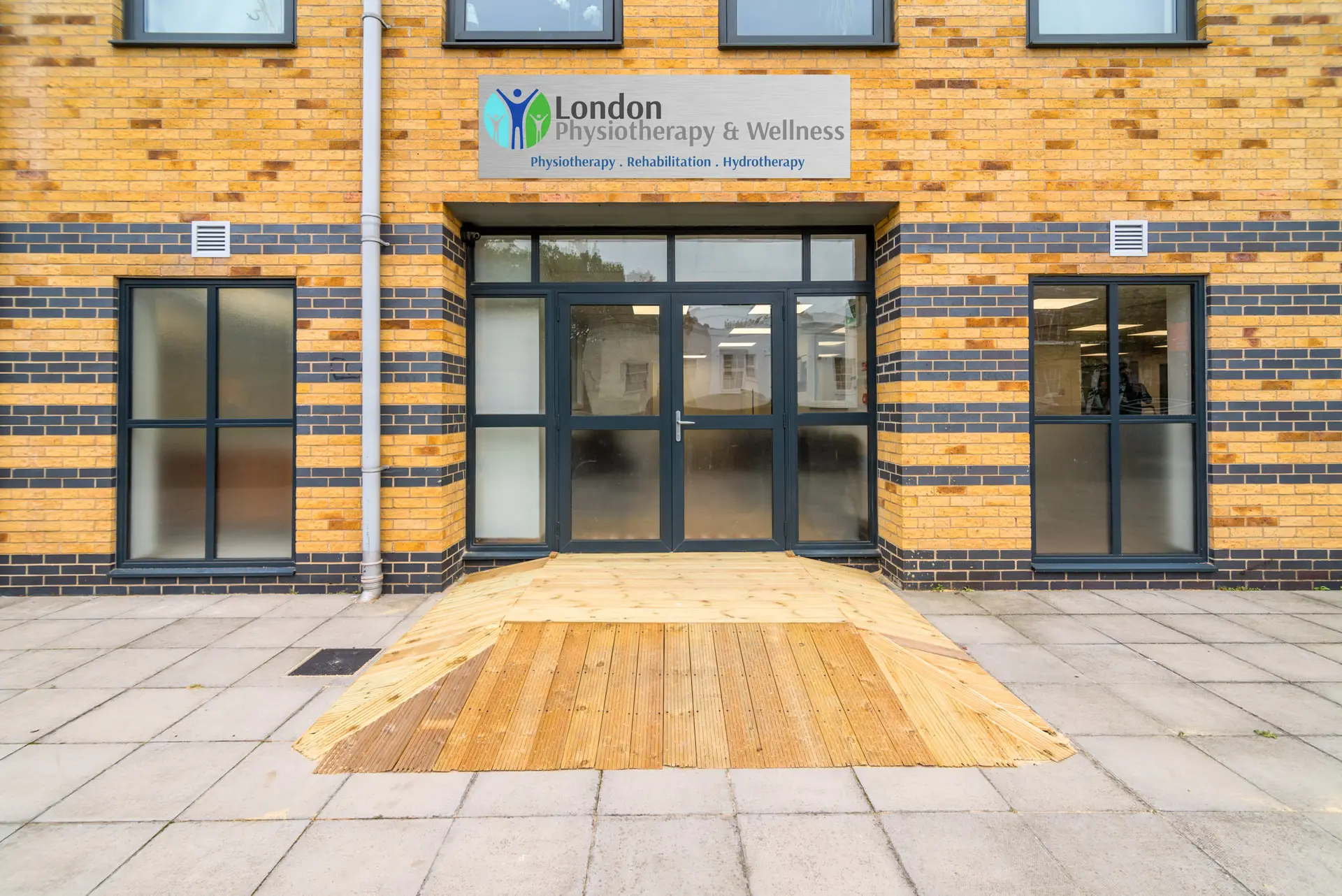
The main LPAW clinic is in Bow, E3, London, right next to The Bow Quarter. This bright and spacious clinic offers 4 treatment rooms, 2 changing rooms with showers, a large rehab gym, & onsite hydrotherapy in our 17 foot pool.
The LPAW satellite clinic is based in Stratford East Village where we run a thriving sports rehab offering.
Back pain is the leading cause of disability worldwide. In the UK, it costs the NHS and economy billions of pounds annually and affects approximately 80% of people at some point in their lives. Despite how common it is, back pain is persistently mismanaged — either dismissed too quickly as something to “live with,” or treated with passive interventions that provide temporary relief without addressing the underlying cause.
At LPAW, we treat back pain properly: with thorough assessment, accurate diagnosis, and an evidence-based treatment pathway that addresses both the immediate pain and the long-term rehabilitation. For complex or chronic cases, we offer clinical tools – including our Med-X Spinal Gym – that are simply unavailable at most physiotherapy clinics.
Most back pain is benign and responds to physiotherapy. However, certain features require urgent medical assessment. Seek immediate medical attention if you experience:
These are “red flags” that must be ruled out before physiotherapy treatment. Our physiotherapists conduct a full red flag screen at every initial assessment.
Most back pain is benign and responds to physiotherapy. However, certain features require urgent medical assessment. Seek immediate medical attention if you experience:
These are “red flags” that must be ruled out before physiotherapy treatment. Our physiotherapists conduct a full red flag screen at every initial assessment.
LPAW’s clinical team includes 19 practitioners, many holding postgraduate qualifications from UCL, King’s College London, and Guy’s and St Thomas’. Lead clinician Mr Arjun Viswanath MSc, MCSP, MPPA – Co-Founder and Consultant Physiotherapist – brings 25+ years of NHS and private experience including BMI London Independent Hospital and Harley Street.
Every clinician joining LPAW completes a mandatory intensive shadowing placement with our Consultant Physiotherapist before seeing patients independently. This is not a standard practice at most clinics – it’s our way of maintaining clinical consistency across the team.
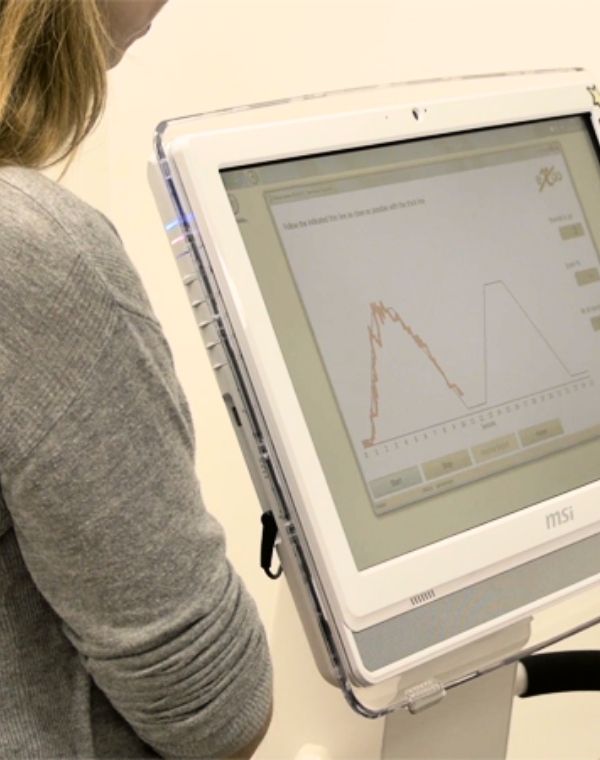
For patients with chronic lower back pain — particularly those who have not responded to standard physiotherapy — our Med-X Spinal Gym offers a treatment pathway unavailable elsewhere in East London. The Med-X Lower Lumbar Extension machine (“The Beast”) is a medical-grade rehabilitation device from the US with a specific evidence base for chronic lower back pain.
Unlike standard gym equipment, the Med-X isolates lumbar extensor musculature by fixing the pelvis, allowing targeted strengthening of the deep spinal extensors (multifidus) in a controlled, progressive way. Multiple peer-reviewed studies have demonstrated significant and durable pain reduction in chronic lower back pain following Med-X rehabilitation programmes.
The Med-X gym is also available via our membership plans for patients who benefit from ongoing use.
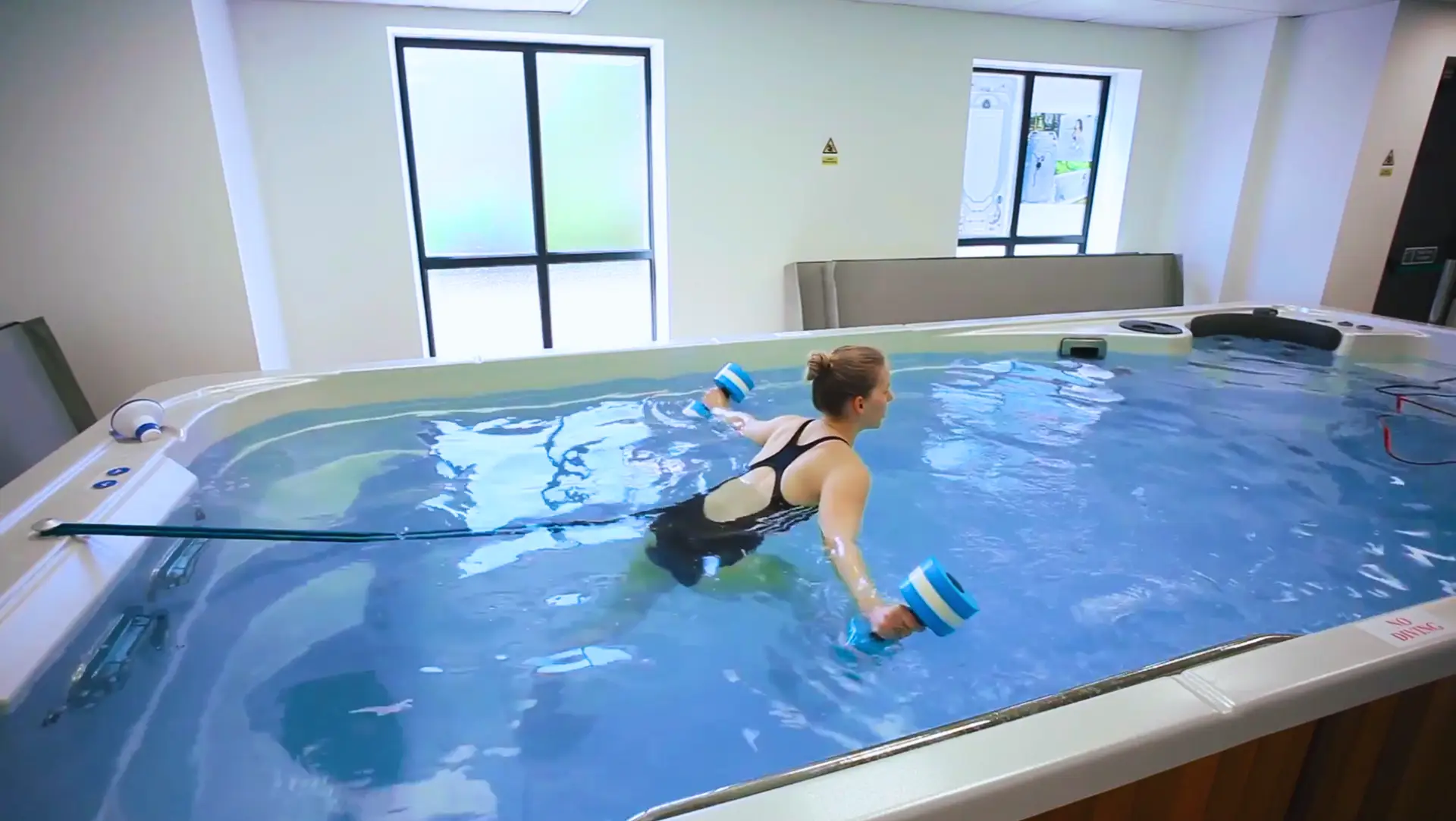
LPAW’s hydrotherapy pool — heated to 36°C — is invaluable for patients where back pain is severe enough to limit land-based exercise. The combination of buoyancy (reducing load on the spine) and warmth (reducing muscle spasm and improving circulation) allows movement and neural mobilisation exercises that are impossible or too painful on land. Hydrotherapy is particularly effective as an adjunct to Med-X rehabilitation for chronic back pain.
These are “red flags” that must be ruled out before physiotherapy treatment. Our physiotherapists conduct a full red flag screen at every initial assessment.
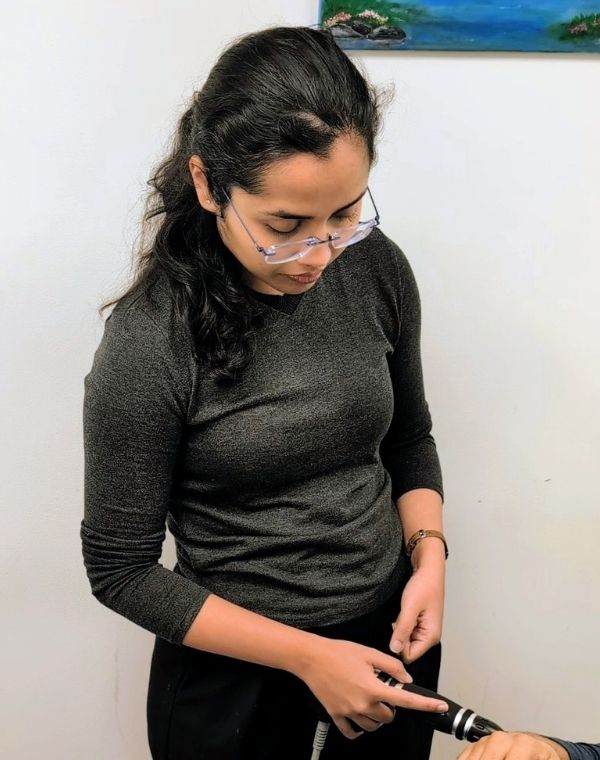
Shockwave therapy may be used for specific presentations of chronic back pain — particularly those involving myofascial trigger points or thoracolumbar fascial pain — though it is not the primary treatment for most back pain presentations.
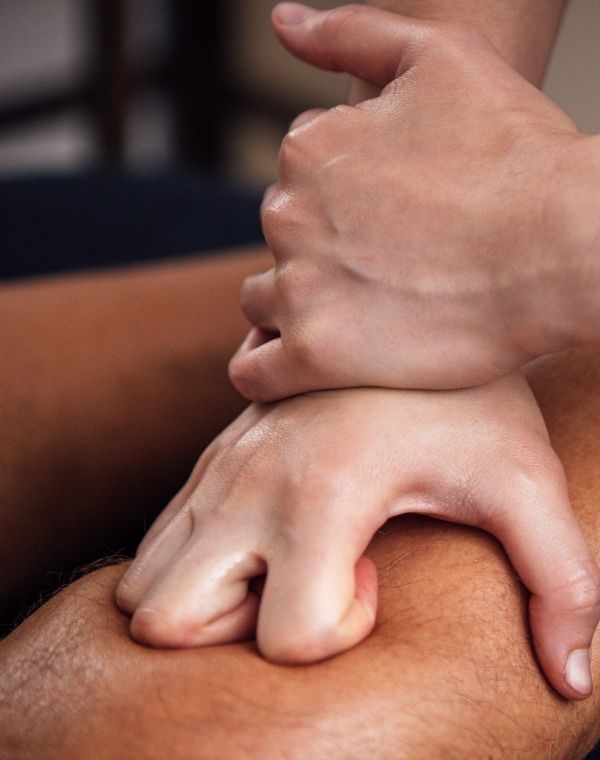
Dry needling of lumbar paraspinal, quadratus lumborum, and gluteal trigger points is often incorporated into physiotherapy treatment sessions for back pain with a significant myofascial component.
Most back pain is benign and responds to physiotherapy. However, certain features require urgent medical assessment. Seek immediate medical attention if you experience:
For patients with chronic lower back pain — particularly those who have not responded to standard physiotherapy — our Med-X Spinal Gym offers a treatment pathway unavailable elsewhere in East London. The Med-X Lower Lumbar Extension machine (“The Beast”) is a medical-grade rehabilitation device from the US with a specific evidence base for chronic lower back pain.
Unlike standard gym equipment, the Med-X isolates lumbar extensor musculature by fixing the pelvis, allowing targeted strengthening of the deep spinal extensors (multifidus) in a controlled, progressive way. Multiple peer-reviewed studies have demonstrated significant and durable pain reduction in chronic lower back pain following Med-X rehabilitation programmes.
The Med-X gym is also available via our membership plans for patients who benefit from ongoing use.
LPAW’s hydrotherapy pool — heated to 36°C — is invaluable for patients where back pain is severe enough to limit land-based exercise. The combination of buoyancy (reducing load on the spine) and warmth (reducing muscle spasm and improving circulation) allows movement and neural mobilisation exercises that are impossible or too painful on land. Hydrotherapy is particularly effective as an adjunct to Med-X rehabilitation for chronic back pain.
Shockwave therapy may be used for specific presentations of chronic back pain — particularly those involving myofascial trigger points or thoracolumbar fascial pain — though it is not the primary treatment for most back pain presentations.
Dry needling of lumbar paraspinal, quadratus lumborum, and gluteal trigger points is often incorporated into physiotherapy treatment sessions for back pain with a significant myofascial component.


In most cases of acute or subacute back pain, an MRI is not immediately necessary. Studies consistently show that the findings on MRI scans in people with back pain often do not correlate with pain levels — many people with no pain have disc bulges on imaging, and many with severe pain have structurally normal spines. MRI is indicated when red flags are present, when there is suspected nerve root compression not resolving with conservative treatment, or when surgical opinion is being sought. Your LPAW physiotherapist will advise you specifically.
Yes. Chronic back pain is not a life sentence. The evidence base for physiotherapy, progressive exercise, and targeted rehabilitation (including Med-X) for chronic back pain shows meaningful improvement in the majority of patients who engage with a structured programme. The fact that pain has persisted does not mean it cannot improve.
In most cases, no. The cracking sound associated with joint manipulation or natural movement is caused by gas release in the joint — it is not bones cracking. Manipulation delivered by a trained physiotherapist or osteopath is safe and effective for appropriate back pain presentations. Your clinician will screen for contraindications before using manipulation.


Short-term use of a lumbar support belt can help manage pain during activities that provoke symptoms — but it is not a long-term solution. Permanent reliance on a brace weakens the muscles that should be providing natural support. Your physiotherapist will advise on appropriate use as part of a rehabilitation plan that progressively reduces dependency on the brace.
The Med-X Lower Lumbar Extension machine isolates the lumbar extensors by fixing the pelvis — something standard gym equipment cannot achieve. This isolation allows targeted strengthening of the deep muscles of the spine (particularly multifidus) that are known to atrophy in chronic back pain. Multiple clinical studies have demonstrated that Med-X lumbar extension training produces statistically significant and durable reductions in chronic lower back pain. See our Med-X page for more detail.
Yes. Hip pathology, sacroiliac dysfunction, pelvic floor dysfunction, and even referred pain from abdominal or kidney structures can present as back pain. Part of a thorough physiotherapy assessment is ruling out referred pain from these sources and identifying the true origin of the pain.
Surgery is indicated for a small minority of back pain cases — primarily where there is severe nerve compression not responding to conservative treatment (including progressive neurological deficit), cauda equina syndrome (a surgical emergency), or spinal instability. The vast majority of back pain presentations — including most disc herniations, facet joint disease, and chronic lower back pain — are best managed conservatively. If your physiotherapist believes your case warrants surgical opinion, they will facilitate a referral.
What We Do