


Running Assessments

Gait Analysis & Injury Prevention

Start Your Recovery

Whether you’re training for your first 5K, targeting a marathon PB, or trying to understand why you keep getting injured every time your mileage climbs, a running assessment at LPAW will give you clear, actionable answers. Our physiotherapists combine biomechanical gait analysis with clinical assessment to identify the underlying causes of running injuries — and build a programme to fix them.

Running assessments are available at our Bow and Stratford East Village clinics.

Physiotherapy Hydrotherapy Shockwave Sports Therapy Women's Health Dry Needling Osteopathy Pilates by Physios Babies & Children Men's Health Massage Running Assessments PTNS Post-Op Biofeedback Soft Tissue Therapy Manual Therapy Pre-Op Trigger Point Release Med-X Strengthening Physiotherapy Hydrotherapy Shockwave Sports Therapy Women's Health Dry Needling Osteopathy Pilates by Physios Babies & Children Men's Health Massage Running Assessments PTNS Post-Op Biofeedback Soft Tissue Therapy Manual Therapy Pre-Op Trigger Point Release Med-X Strengthening
What's Included

1. Clinical History & Injury Assessment

We begin with a detailed discussion about your training background, injury history, current symptoms (if applicable), weekly mileage, race goals, and footwear. If you are attending with an injury, this also includes a full physiotherapy assessment alongside the gait analysis.

2. Musculoskeletal Screening

We carry out a physical assessment of the key areas that influence running mechanics, including hip flexor and calf flexibility, glute and hip abductor strength, single-leg balance and proprioception, pelvic control, and spinal mobility. This helps identify the muscle imbalances, movement restrictions, and weaknesses that commonly contribute to inefficient running mechanics and injury.

3. Running Gait Analysis

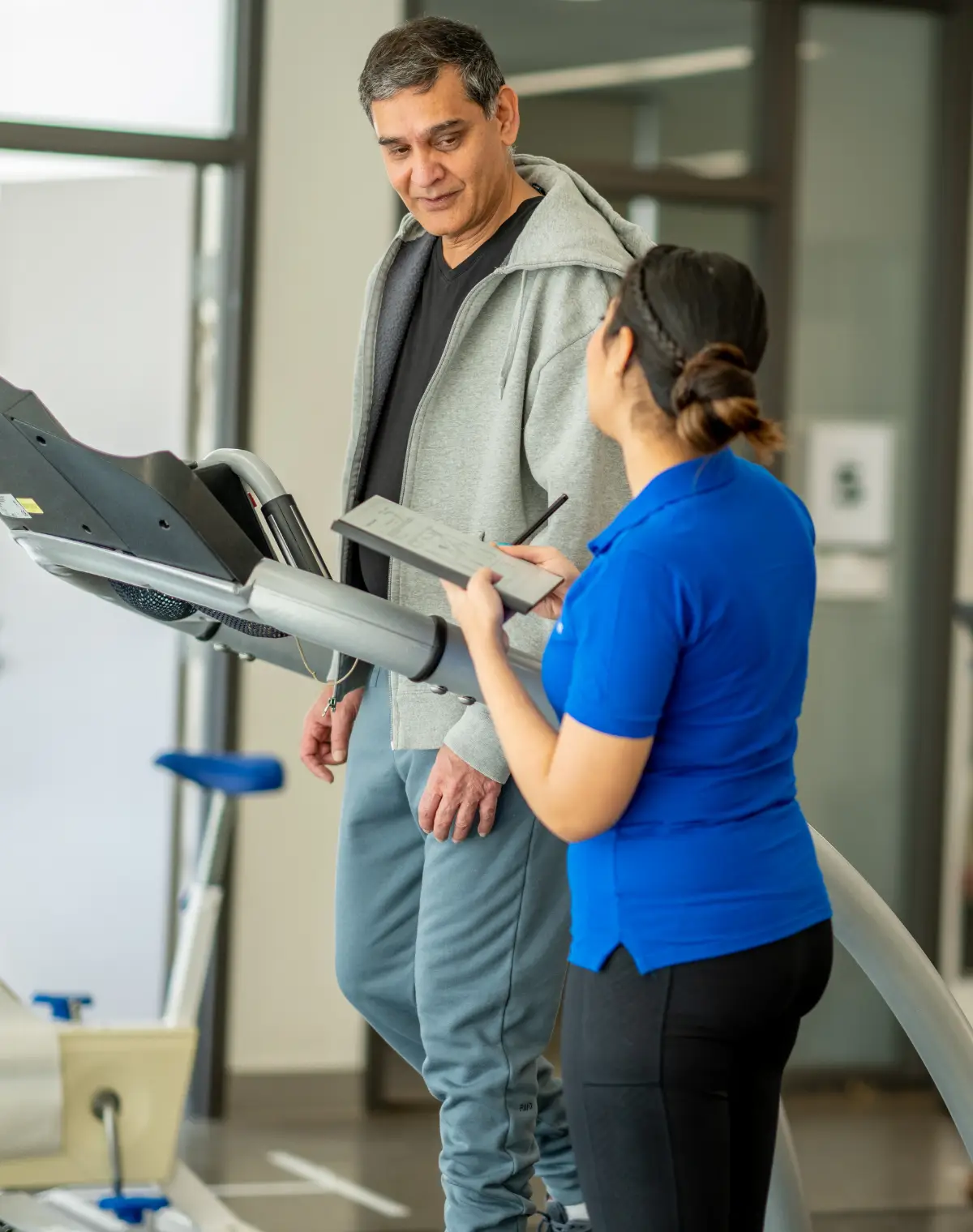
You will run on the treadmill (please bring your running shoes and appropriate kit) while we film your gait from the front, side, and rear views. The footage is analysed both in real time and in slow motion to assess foot strike pattern and contact point, cadence, trunk and pelvic position, hip drop and knee alignment during loading, arm carriage, and forward lean.

4. Footwear Assessment

Your current running shoes will be assessed for wear patterns, fit, and suitability. Where appropriate, we will provide evidence-based footwear recommendations. Importantly, we do not sell running shoes, so all advice is entirely clinically driven rather than commercially motivated.

5. Findings & Personalised Programme

At the end of the session, we will clearly explain our findings and discuss how they relate to your running performance or injury concerns. You will leave with a personalised, running-specific exercise programme designed to address the specific weaknesses and movement patterns identified during the assessment. Where appropriate, this may also include a graduated return-to-running plan.

A running assessment is particularly valuable for the following conditions:

Runner’s knee (patellofemoral pain syndrome) is commonly associated with pelvic drop, overstriding, and hip weakness, all of which can significantly affect running mechanics and load distribution.

Shin splints (medial tibial stress syndrome) are often linked to overpronation, rapid increases in weekly mileage, and reduced hip or calf strength, leading to excessive stress through the lower leg.

Achilles tendinopathy frequently develops through a combination of training load errors and inefficient biomechanical loading patterns during running.

IT band syndrome is commonly driven by poor pelvic control and weakness in the hip abductors, which can alter lower limb alignment during stance phase.

Plantar fasciitis is often influenced by foot strike mechanics, calf flexibility, and overall loading through the foot and ankle complex.

Hamstring strain is frequently associated with hip flexor dominance, reduced glute strength, and poor posterior chain control.

Stress fractures can result from excessive impact loading and training errors. A running assessment can help identify contributing biomechanical factors and guide appropriate load management alongside medical care.

For chronic running-related tendon injuries where assessment and rehabilitation haven’t fully resolved the problem, shockwave therapy is available at LPAW and is particularly effective for Achilles tendinopathy and plantar fasciitis.

If you’re building towards a specific event — a marathon, half marathon, triathlon, or ultra — a running assessment as part of your preparation can be transformative. We help you:

  • Identify and address injury risks before they become injuries
  • Optimise your biomechanics for efficiency and endurance
  • Design a strength and conditioning programme specific to your event
  • Advise on training load progression to reduce injury risk during the build phase

LPAW works with runners at all levels, from first-timers to those targeting qualifying times. We are also a clinic partner of ESBI, a running club community in East London — runners referred through ESBI receive the same clinical standards as all LPAW patients.

Running looks simple. Biomechanically, it is not. Each running stride places a ground reaction force of 2–3 times body weight through the foot, ankle, knee, hip, and spine. Small biomechanical deviations — a slight foot crossover, excessive hip drop, forward trunk lean — multiply over thousands of footstrikes and become the cumulative cause of most running injuries.

Most running injuries are not bad luck. They are predictable, and many are preventable with the right assessment and correction.

The most common biomechanical contributors to running injury:

  • Overstriding — landing with the foot too far ahead of the body’s centre of mass, increasing braking forces and patellofemoral load
  • Contralateral pelvic drop (Trendelenburg gait) — a sign of weak hip abductors, increasing strain on the IT band and patellofemoral joint
  • Excessive foot pronation — associated with medial tibial stress syndrome (shin splints), plantar fasciitis, and knee valgus
  • Supination / underpronation — reduces shock absorption, increases lateral ankle and IT band stress
  • Cadence too low — typically under 160–165 steps per minute, associated with overstriding
  • Hip flexor dominance over gluteal drive — a very common finding, contributing to hamstring strain and lower back loading

A running assessment identifies which of these factors are relevant to you specifically — not which factors appear in a generic biomechanics textbook.

A running assessment at LPAW is a full clinical and biomechanical evaluation, not just a treadmill video. It includes:

1. Clinical History and Injury Analysis We begin by understanding your training history, injury history, current complaints (if any), mileage, race goals, and footwear. If you are presenting with an injury, this is a full physiotherapy assessment as well as a gait analysis.

2. Musculoskeletal Screen A physical assessment of the key structures that influence running mechanics: hip flexor and calf flexibility, hip abductor and glute strength, single-leg balance and proprioception, pelvic control, and spinal mobility. This identifies the muscle imbalances and weaknesses that typically drive poor running mechanics.

3. Gait Analysis You run on the treadmill (please bring your running shoes and appropriate kit). We film your gait from the front, rear, and side to analyse in real time and in slow motion. We assess:

  • Foot strike pattern and contact point
  • Cadence (steps per minute)
  • Trunk and pelvic position
  • Hip drop and knee alignment through loading
  • Arm carriage
  • Forward lean

4. Footwear Review We will assess your current running shoes for wear patterns and suitability, and make evidence-based recommendations where relevant. Note that we do not sell shoes — our advice is clinically motivated, not commercially motivated.

5. Findings, Explanation, and Programme At the end of the session, you will receive a clear verbal explanation of what we found and why it matters. You will leave with a personalised running-specific exercise programme targeting the specific weaknesses and movement faults identified — and where appropriate, a graduated return-to-running plan.

A running assessment is particularly valuable for the following conditions:
  • Runner’s knee (patellofemoral pain syndrome) — usually linked to pelvic drop, overstriding, and hip weakness
  • Shin splints (medial tibial stress syndrome) — typically linked to overpronation, excessive weekly mileage increase, or insufficient hip and calf strength
  • Achilles tendinopathy — biomechanical loading patterns often contribute alongside loading errors
  • IT band syndrome — almost always driven by hip abductor weakness and pelvic drop
  • Plantar fasciitis — foot strike pattern and calf flexibility are key contributors
  • Hamstring strain — often driven by hip flexor dominance and insufficient glute strength
  • Stress fractures — excessive impact loading; we can identify biomechanical contributors and advise on load management alongside medical management

For chronic running-related tendon injuries where assessment and rehabilitation haven’t fully resolved the problem, shockwave therapy is available at LPAW Bow and is particularly effective for Achilles tendinopathy and plantar fasciitis.

If you’re building towards a specific event — a marathon, half marathon, triathlon, or ultra — a running assessment as part of your preparation can be transformative. We help you:

  • Identify and address injury risks before they become injuries
  • Optimise your biomechanics for efficiency and endurance
  • Design a strength and conditioning programme specific to your event
  • Advise on training load progression to reduce injury risk during the build phase

LPAW works with runners at all levels, from first-timers to those targeting qualifying times. We are also a clinic partner of ESBI, a running club community in East London — runners referred through ESBI receive the same clinical standards as all LPAW patients.

Running looks simple. Biomechanically, it is not. Each running stride places a ground reaction force of 2–3 times body weight through the foot, ankle, knee, hip, and spine. Small biomechanical deviations — a slight foot crossover, excessive hip drop, forward trunk lean — multiply over thousands of footstrikes and become the cumulative cause of most running injuries.

Most running injuries are not bad luck. They are predictable, and many are preventable with the right assessment and correction.

The most common biomechanical contributors to running injury:

  • Overstriding — landing with the foot too far ahead of the body’s centre of mass, increasing braking forces and patellofemoral load
  • Contralateral pelvic drop (Trendelenburg gait) — a sign of weak hip abductors, increasing strain on the IT band and patellofemoral joint
  • Excessive foot pronation — associated with medial tibial stress syndrome (shin splints), plantar fasciitis, and knee valgus
  • Supination / underpronation — reduces shock absorption, increases lateral ankle and IT band stress
  • Cadence too low — typically under 160–165 steps per minute, associated with overstriding
  • Hip flexor dominance over gluteal drive — a very common finding, contributing to hamstring strain and lower back loading

A running assessment identifies which of these factors are relevant to you specifically — not which factors appear in a generic biomechanics textbook.

Meet our team of experts

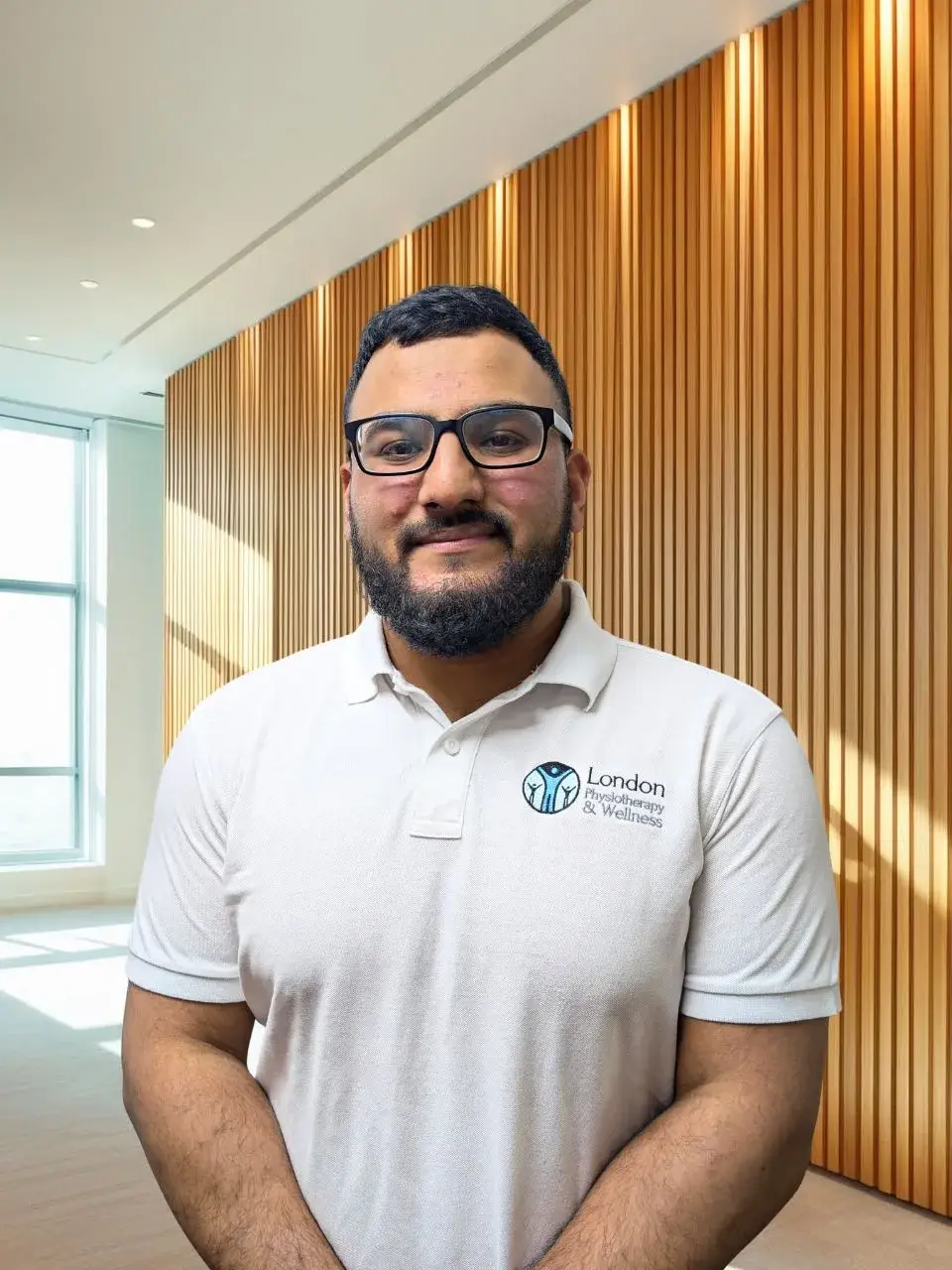
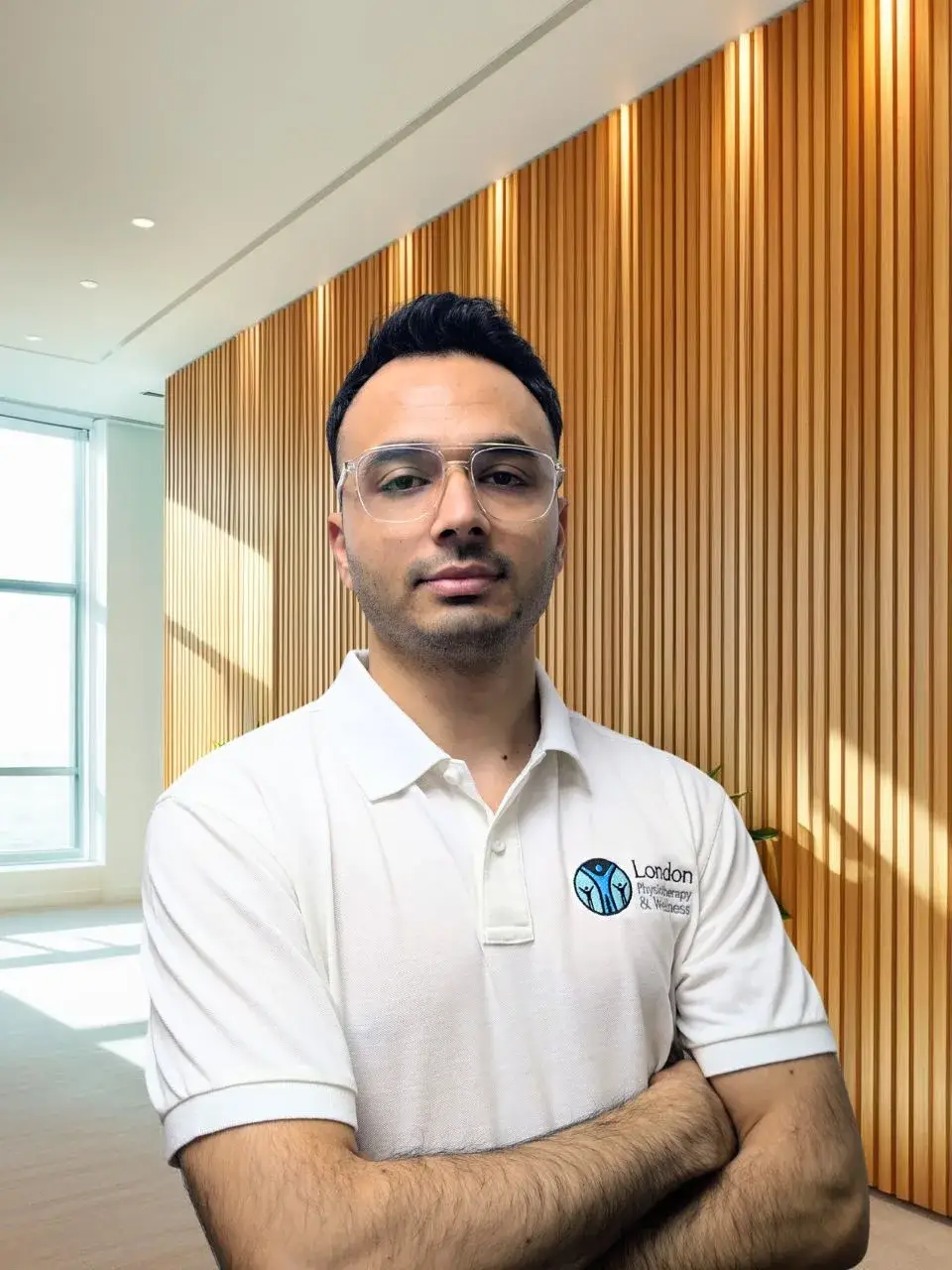
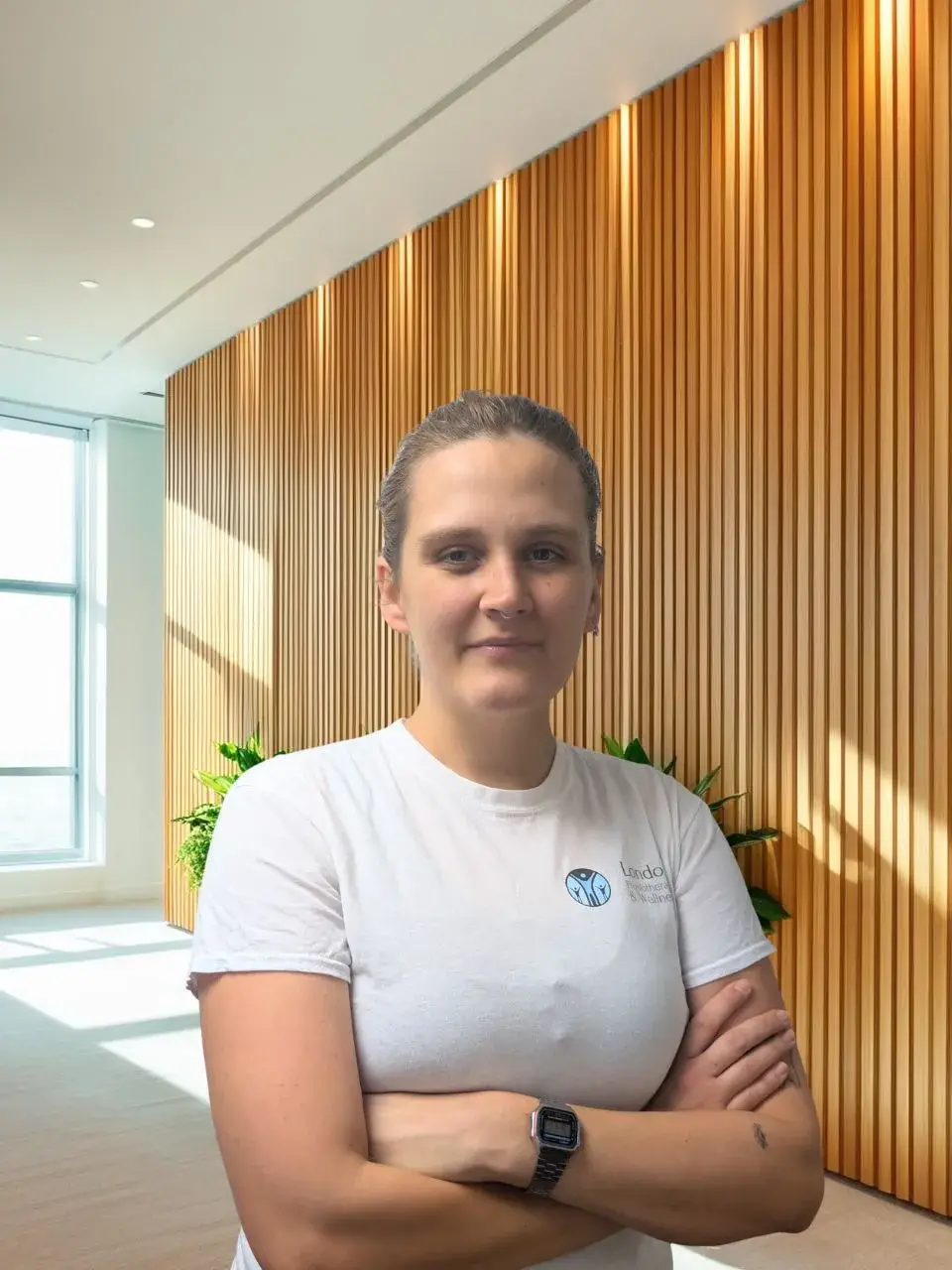
LPAW’s clinical team includes 19 practitioners, many holding postgraduate qualifications from UCL, King’s College London, and Guy’s and St Thomas’. Lead clinician Mr Arjun Viswanath MSc, MCSP, MPPA – Co-Founder and Consultant Physiotherapist – brings 25+ years of NHS and private experience including BMI London Independent Hospital and Harley Street.

Every clinician joining LPAW completes a mandatory intensive shadowing placement with our Consultant Physiotherapist before seeing patients independently. This is not a standard practice at most clinics – it’s our way of maintaining clinical consistency across the team.

What Our Patients Say

From the moment I walked into this clinic, I knew everything was going to be okay. After seeing many physios, Priyanka, the pelvic specialist, was the first one to properly diagnose my back injury and choose exercises that were actually right for my condition.

I HIGHLY recommend hydrotherapy. This clinic has truly been life-changing for me. When you live with constant pain, finding real relief is priceless.

Thank you for the care, professionalism, and for giving me hope again ❤️
Molly W. profile picture
Molly W.
1 month ago
We had 6 of their amazing physiotherapist support London’s Air Ambulance Charity’s post-race reception for the 2026 London Marathon. Their communication before and during the event was excellent and all our runners have commented on how much their post-race massage has helped them with their recovery. We hope to work with them again in the future
Percy C. profile picture
Percy C.
2 months ago
Extremely impressed by the service offered. I injured my knee a while ago and they have been amazing in helping me with me recovery. Uzair Ahmed is very knowledgable and I really trust him with my recovery journey. Would highly recommend!
Ziya H. profile picture
Ziya H.
2 months ago
Been coming here for over a year every six weeks. Very professional and friendly at the same time. Can highly recommend. Big shout out to Mohammed and great reception service.
Kevin P. profile picture
Kevin P.
2 months ago
Fantastic treatment available! Enquired at short notice and they had a superfast response, and the treatment was excellent. Thank you!!
James L. profile picture
James L.
2 months ago
The team were highly professional, pleasant and helpful throughout my process of physiotherapy. I highly recommend this therapy clinic!
Em H. profile picture
Em H.
2 months ago
Had a couple of excellent sessions with Priyanka Shah, with really useful exercises and advice. Highly recommend!
Nicola W. profile picture
Nicola W.
3 months ago
Helpful and knowledgeable. Thank you!
Richard T. profile picture
Richard T.
3 months ago
I suffer with lower back disc bulges pinching my muscles and severely limiting my mobility, stability, and indeed causing agonising pain at the worst of times. I received a kind, patient and conscientious home visit at first before being invited to hydrotherapy at the clinic. 2 sessions in and I'm loving it so much, I'm determined to get one of these pools for myself later on in life. Couldn't recommend them highly enough.
Chris C. profile picture
Chris C.
3 months ago
Miracle workers!! Great gym rehab facilities patience to really understand the problem. Would highly recommend for anyone with chronic neck or back pain who are prepared to do some work on themselves.
Arif H. profile picture
Arif H.
3 months ago
Have been attending sessions for Physiotherapy here twice a week for many weeks now. Everyone is very patient and understanding. My treatment is going exceptionally well so far and Im already seeing massive progress from before my first ever session.

Would definitely recommend this clinic for anyone who needs rehabilitation or treatment!
D.Iyalla 1 profile picture
D.Iyalla 1
4 months ago
I’ve been attending London Physiotherapy And Wellness Stratford for 3 weeks now and already there are improvements in the areas I had problems with.
The physiotherapist is very knowledgeable and passionate about how he can help to improve & build your strength.
To help you recover is his main focus.
Not only is the physiotherapists customer service is great the admin team is also.
I personally recommend.
Ollie S. profile picture
Ollie S.
4 months ago
I had to visit the clinic for a hip injury I received from running. I started physio with Anup back in November and started with hydrotherapy, moving into physio in the new year. I've had a great experience with Anup and now I'm well on the road to recovery, I've started running again and I know what strength workouts I should be doing to keep up my recovery. So glad I found Anup and the clinic and would recommend them to anyone who has an injury!
无颜Music profile picture
无颜Music
4 months ago
The location is really convenient for me. The physiotherapist was very knowledgeable. He helped me identified the root cause of my heel pain and provided me with a clear pathway to my recovery.
Will recommend them ????????
Ervis L. profile picture
Ervis L.
6 months ago
I was assisted by Priyanka while recovering from a torn quad, and I couldn’t have asked for a better physiotherapist. She was incredibly supportive during a moment of real vulnerability, and I always felt truly taken care of. Her focus during every session was exceptional she even kept counting my reps to make sure I stayed on track!

Priyanka is a wonderful asset to the team, and I feel very lucky to have had her during my recovery. Highly recommended.
andrea B. profile picture
andrea B.
8 months ago
Best Physio ever. I visited the clinic after I damaged the ACL ligament practicing judo. I was unable to walk, using crutches and couldn't bend the leg. I was initially told by the doctor to wait at least 6/7 months to be fully recovered and the physiotherapy was the only way to get better. Thanks to the skilled clinic and very professional physiotherapist, they managed to get me back on trainings after 3/4 months only having now a stronger knee than before. I was assisted my Mohammed N R and his job was beyond the expectations. They have specific equipment to practice a high variety of exercises and furthermore they are super friendly and easy reachable by email or phone for last minute doubts. I cannot thank more for the assistance received for a faster recovery they granted me. I fully recommend them.

Frequently Asked Questions

No. Many of our running assessment patients are injury-free but want to improve efficiency, prepare for a race, or understand why previous injury patterns keep recurring. A running assessment is a valuable investment for any runner who takes training seriously.

We use a clinical-grade treadmill at our Bow clinic. You do not need to run at race pace — most assessments are conducted at an easy to moderate training pace.
Yes. While our treadmill assessment captures road running mechanics, the clinical and strength assessment is relevant to all running disciplines. We will also discuss specific trail and ultra considerations (terrain variability, vertical loading, pack weight where relevant) in the consultation.
Shoe fit should be guided by your foot mechanics, running biomechanics, and the type of running you do — not marketing. Our assessment provides a clear picture of your foot strike and pronation pattern, which informs appropriate shoe category. We do not recommend specific brands or sell shoes.

Yes — in fact, this is often the most valuable time for an assessment. If you have an acute injury, we will combine the running assessment with a clinical physiotherapy assessment and advise you on appropriate activity modification. You won’t run through the pain — we adapt the assessment to your current state.
We can start treatment at the same appointment or schedule a follow-up — whichever is more practical given the findings. Conditions such as [runner’s knee] or [shin splints] often benefit from both running technique modification and hands-on physiotherapy treatment in parallel.
For most runners, once when you first take up running seriously, and again after any significant injury or if your weekly mileage increases substantially. For runners targeting a specific race, having an assessment in the 3–4 months before your event allows adequate time to implement and consolidate changes.

More Info

Related Services

Running assessments at LPAW connect directly with sports therapy, physiotherapy, shockwave therapy (for Achilles and plantar fasciitis), and dry needling. If your assessment identifies an injury needing treatment, we can start the same session.

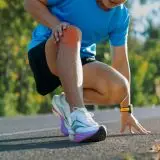
If you’re returning after injury or surgery — ACL reconstruction, meniscus repair, or hip surgery — we use objective return-to-running criteria including hop tests and single-leg strength symmetry before clearing you to run again.

More Info

Running assessments at LPAW connect directly with sports therapy, physiotherapy, shockwave therapy (for Achilles and plantar fasciitis), and dry needling. If your assessment identifies an injury needing treatment, we can start the same session.
If you’re returning after injury or surgery — ACL reconstruction, meniscus repair, or hip surgery — we use objective return-to-running criteria including hop tests and single-leg strength symmetry before clearing you to run again.

Ready to bounce back better?