

The main LPAW clinic is in Bow, E3, London, right next to The Bow Quarter. This bright and spacious clinic offers 4 treatment rooms, 2 changing rooms with showers, a large rehab gym, & onsite hydrotherapy in our 17 foot pool.
The LPAW satellite clinic is based in Stratford East Village where we run a thriving sports rehab offering.
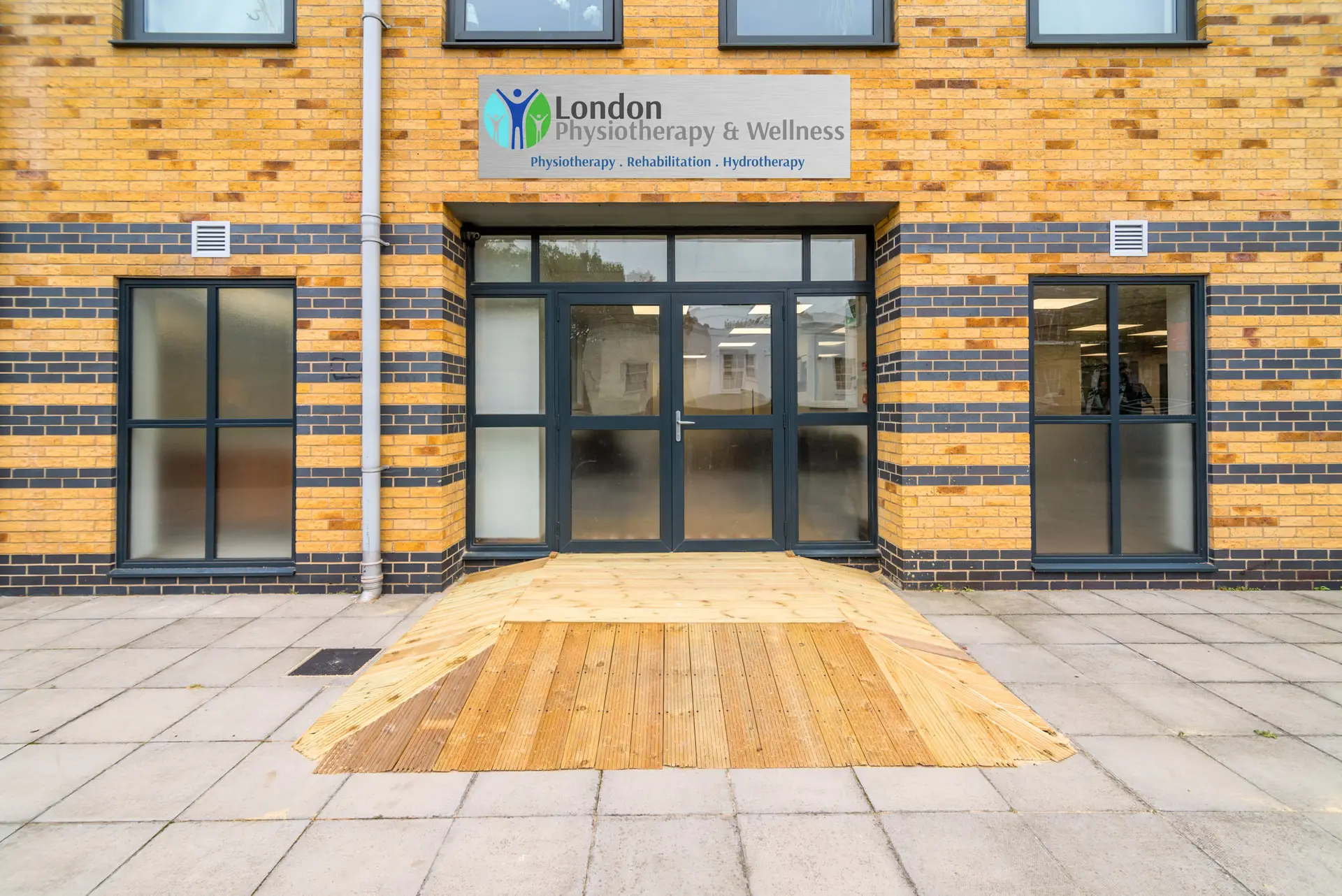
The main LPAW clinic is in Bow, E3, London, right next to The Bow Quarter. This bright and spacious clinic offers 4 treatment rooms, 2 changing rooms with showers, a large rehab gym, & onsite hydrotherapy in our 17 foot pool.
The LPAW satellite clinic is based in Stratford East Village where we run a thriving sports rehab offering.
At London Physiotherapy & Wellness Clinic (LPAW), our team of 19 specialist clinicians delivers evidence-based physiotherapy across two East London sites, treating everything from acute sprains to complex post-surgical rehabilitation.
We are not a chain. Every clinical decision is made by clinicians.
When pain limits what you can do – whether that’s lifting your child, running a 5K, or simply sitting comfortably at your desk – physiotherapy is often the most direct route back.
Physiotherapy is a regulated, evidence-based healthcare profession that assesses and treats physical dysfunction through movement, manual therapy, exercise prescription, and patient education.
In the UK, all physiotherapists must be registered with the Health and Care Professions Council (HCPC). All LPAW Physiotherapists are also Members of the Chartered Society of Physiotherapy.
Treatment is tailored to you. There is no standard protocol applied regardless of the individual – your age, activity level, goals, and pain presentation all shape what happens in the room.
A typical physiotherapy episode involves:
For complex or chronic cases, physiotherapy is often combined with hydrotherapy or Med-X spinal rehabilitation as part of a structured multi-modal plan.
Your first session runs 45–60 minutes. Arrive in comfortable clothing that allows access to the area being treated (shorts for lower limb, vest for shoulder, etc).
Your physiotherapist will:
You will not be told come back every week indefinitely. You will be given a specific plan.
At LPAW, some frequent types of physiotherapy our clinicians perform are:
When pain limits what you can do – whether that’s lifting your child, running a 5K, or simply sitting comfortably at your desk – physiotherapy is often the most direct route back.
Physiotherapy is a regulated, evidence-based healthcare profession that assesses and treats physical dysfunction through movement, manual therapy, exercise prescription, and patient education.
In the UK, all physiotherapists must be registered with the Health and Care Professions Council (HCPC). All LPAW Physiotherapists are also Members of the Chartered Society of Physiotherapy.
Treatment is tailored to you. There is no standard protocol applied regardless of the individual – your age, activity level, goals, and pain presentation all shape what happens in the room.
A typical physiotherapy episode involves:
For complex or chronic cases, physiotherapy is often combined with hydrotherapy or Med-X spinal rehabilitation as part of a structured multi-modal plan.
Your first session runs 45–60 minutes. Arrive in comfortable clothing that allows access to the area being treated (shorts for lower limb, vest for shoulder, etc).
Your physiotherapist will:
You will not be told come back every week indefinitely. You will be given a specific plan.
At LPAW, some frequent types of physiotherapy our clinicians perform are:
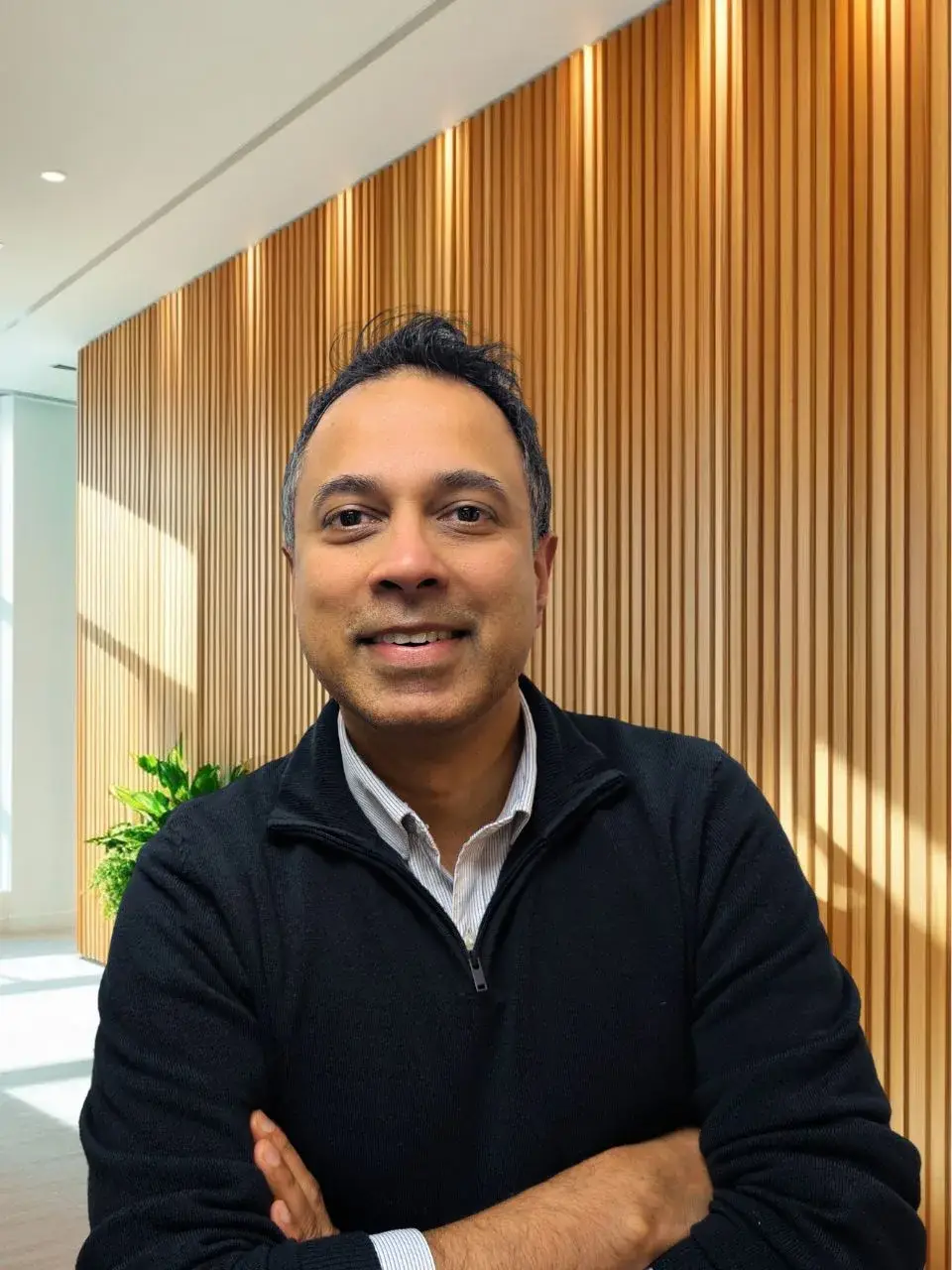
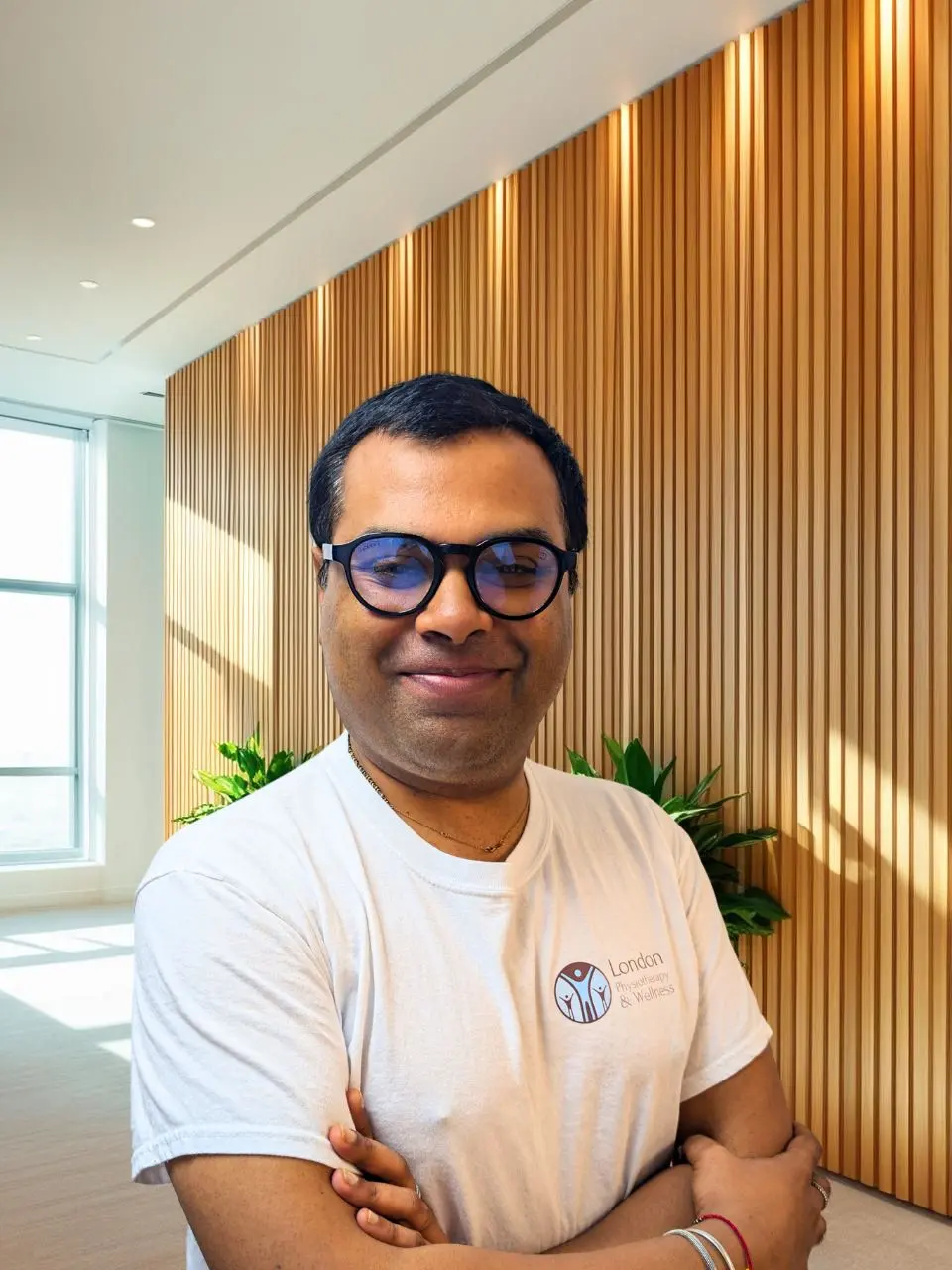
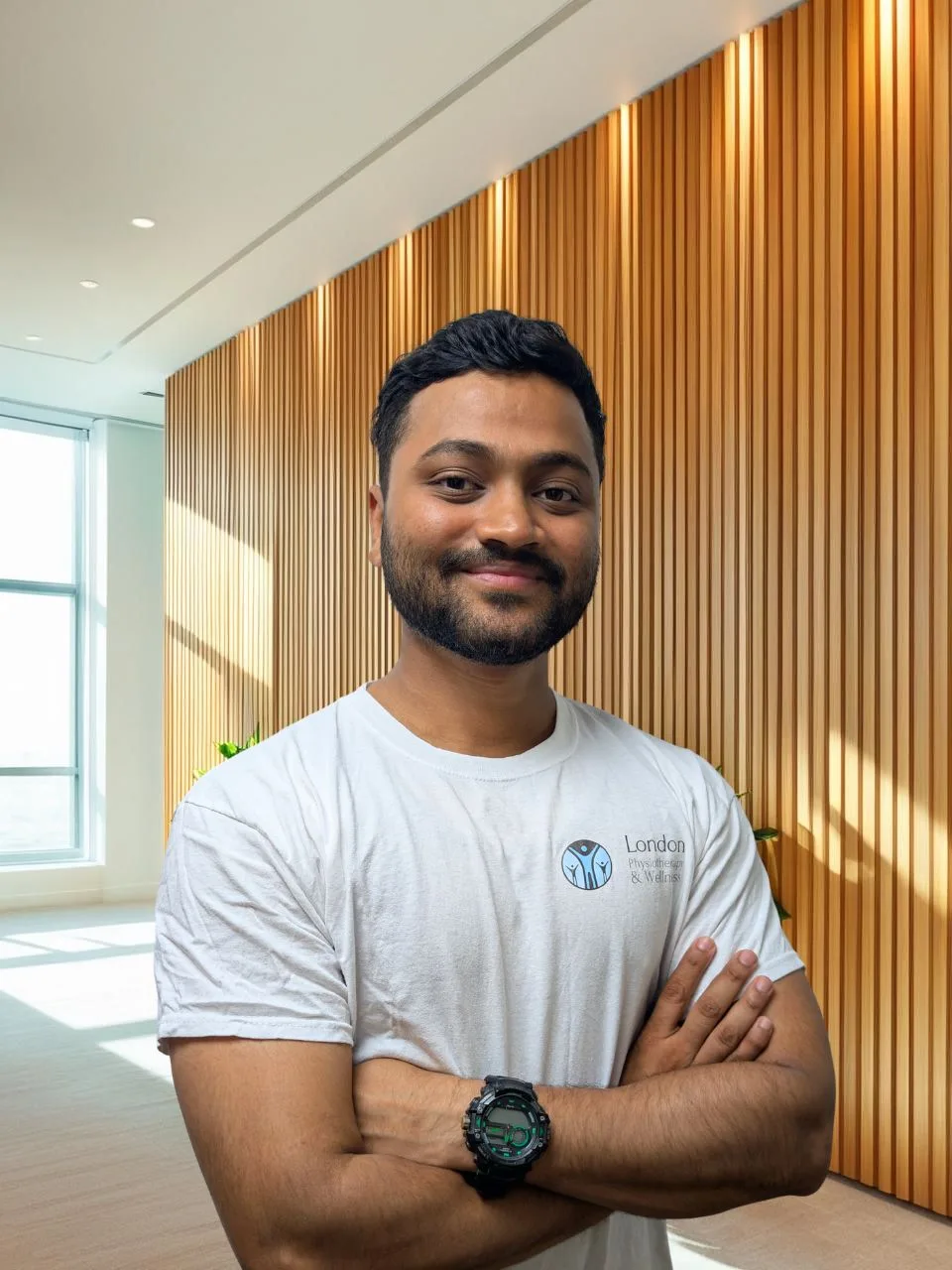
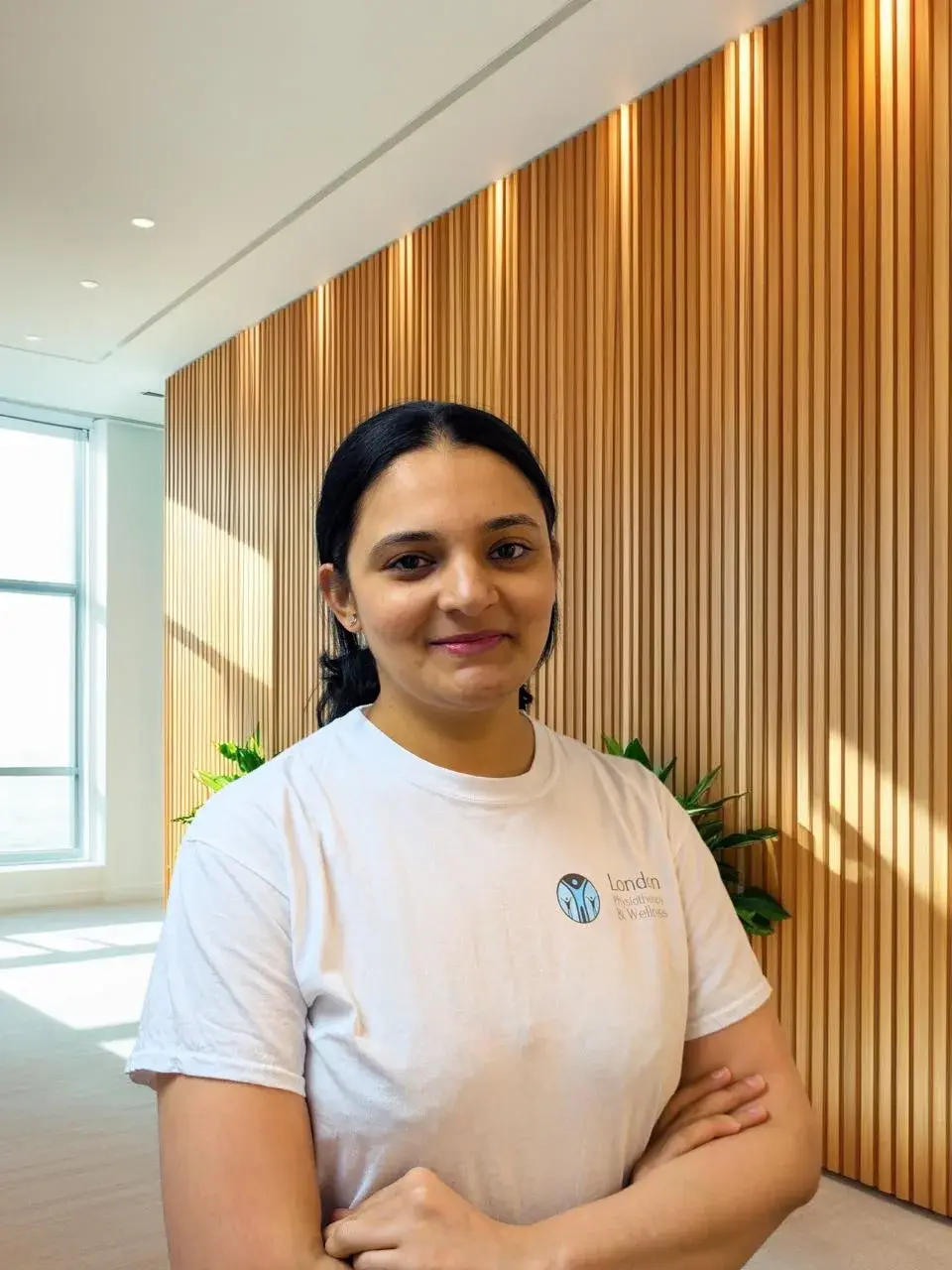
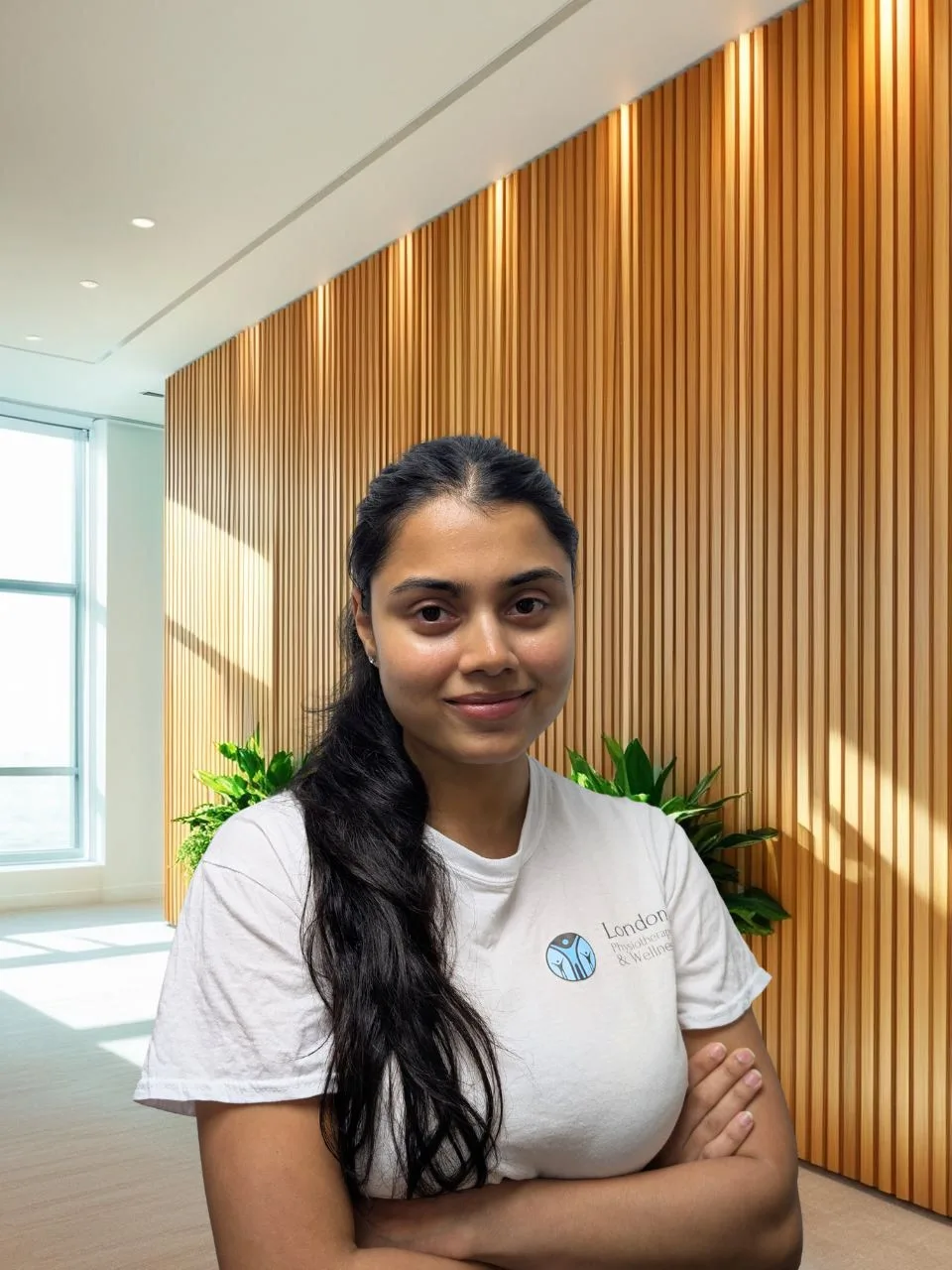
LPAW’s clinical team includes 19 practitioners, many holding postgraduate qualifications from UCL, King’s College London, and Guy’s and St Thomas’. Lead clinician Mr Arjun Viswanath MSc, MCSP, MPPA – Co-Founder and Consultant Physiotherapist – brings 25+ years of NHS and private experience including BMI London Independent Hospital and Harley Street.
Every clinician joining LPAW completes a mandatory intensive shadowing placement with our Consultant Physiotherapist before seeing patients independently. This is not a standard practice at most clinics – it’s our way of maintaining clinical consistency across the team.


No. You can self-refer directly – call 020 8983 3218 or book online. Many patients come directly without seeing their GP first. If you’re using private health insurance, check with your insurer whether a GP referral is required under your policy. For medico-legal cases, referrals come via case managers.
This depends entirely on your condition. Acute soft tissue injuries typically resolve in 4–8 sessions. Chronic conditions, post-surgical rehabilitation, and complex spinal problems usually require a longer course. Your physiotherapist will give you a clear estimate at the end of your first session.
Hands-on treatment such as joint mobilisation or soft tissue work can cause temporary discomfort. Your physiotherapist will always work within your tolerance and explain what they are doing. Temporary post-treatment soreness (like after exercise) is normal and usually resolves within 24–48 hours. Trigger point dry needling can also cause moderate discomfort for 24-48 hours.


Yes. Post-surgical rehabilitation is a core part of what we do. We accept referrals directly from hospital discharge teams and work within your surgeon’s protocol. Hip replacement, knee replacement, ACL reconstruction, and rotator cuff repair are among the most common post-surgical presentations we see.
Our practitioners can refer directly for imaging without requiring a GP appointment. For private patients, we can arrange this rapidly through our network of radiology providers. For NHS patients, we can facilitate onward referral to the appropriate pathway.
Most major UK private health insurers cover physiotherapy, including AXA Health, Bupa, Cigna, WPA, and Vitality. You will typically need a pre-authorisation number from your insurer before your first session. Contact us and we’ll walk you through the process – see our insurance page for details.
Yes. Katy Edebol is our paediatric specialist. For more information, see our dedicated Babies & Children page.
Both are regulated allied health professionals who work with musculoskeletal conditions. Physiotherapy tends to place greater emphasis on exercise rehabilitation and active movement; osteopathy uses a broader range of manual techniques with a holistic whole-body philosophy. LPAW offers both — see our Osteopathy page. Many patients benefit from seeing both practitioners in a coordinated plan.
If your assessment suggests you need further investigation – an MRI, X-ray, nerve conduction study, or a Consultant Orthopaedic Surgeon’s opinion – LPAW has established referral relationships with some of London’s leading specialists.
As experts in their field, our clinicians can write a direct referral without the delay of a GP appointment. We work with both NHS and private pathways depending on your preference and urgency.
Recovery after orthopaedic surgery – particularly hip and knee replacements – benefits enormously from structured physiotherapy from day one. We work closely with surgical teams, accepting referrals from hospital discharge and designing phased rehabilitation programmes that match your surgical protocol.
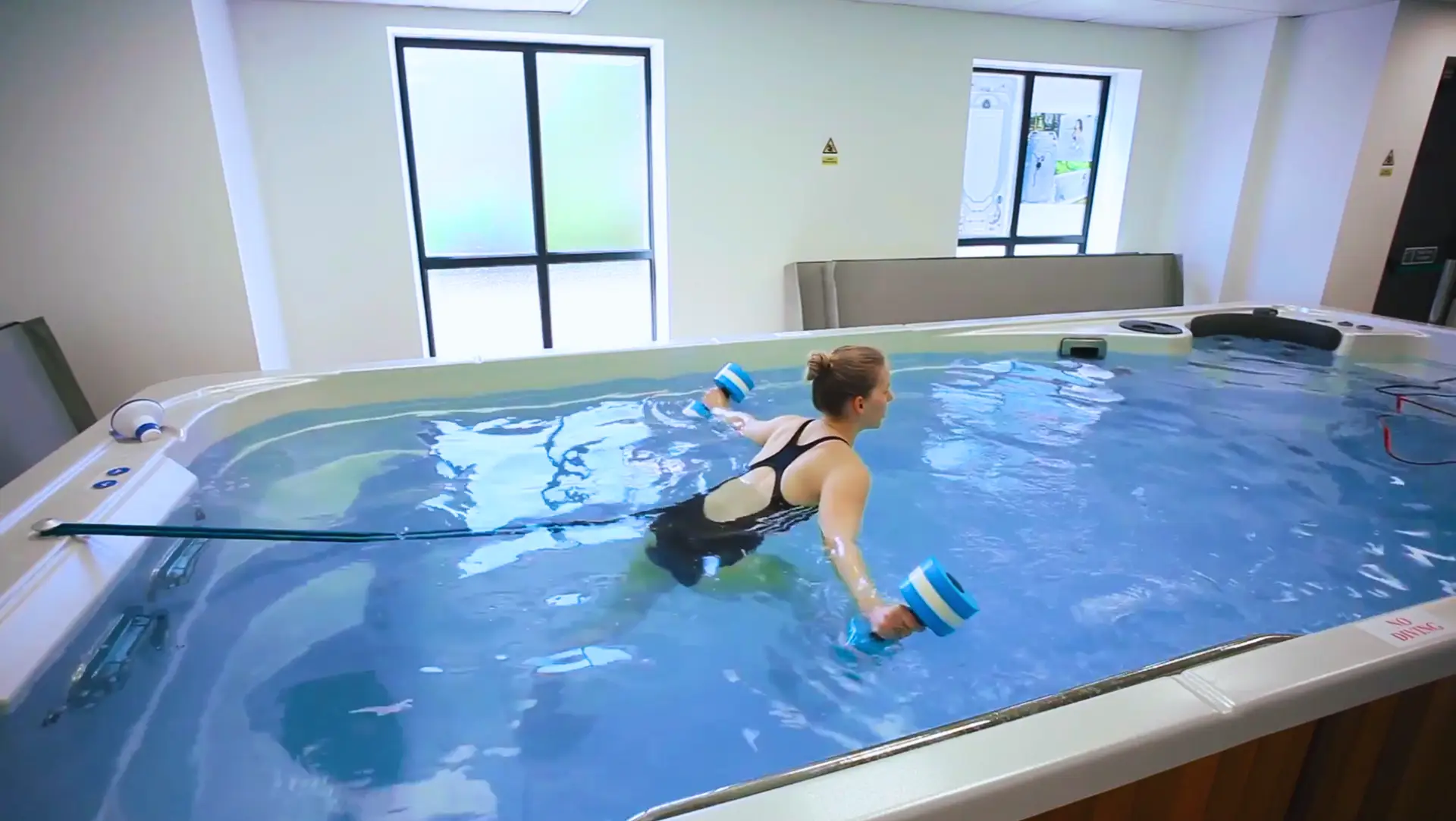
For joint replacement patients, LPAW’s hydrotherapy pool – heated to 36°C, the warmest clinical pool in London – offers early mobilisation in a low-load aquatic environment before land-based exercises can be fully tolerated. This combination typically accelerates strength recovery and reduces post-operative pain in the critical early weeks.
Recovery after orthopaedic surgery – particularly hip and knee replacements – benefits enormously from structured physiotherapy from day one. We work closely with surgical teams, accepting referrals from hospital discharge and designing phased rehabilitation programmes that match your surgical protocol.
For joint replacement patients, LPAW’s hydrotherapy pool – heated to 36°C, the warmest clinical pool in London – offers early mobilisation in a low-load aquatic environment before land-based exercises can be fully tolerated. This combination typically accelerates strength recovery and reduces post-operative pain in the critical early weeks.
If your assessment suggests you need further investigation – an MRI, X-ray, nerve conduction study, or a Consultant Orthopaedic Surgeon’s opinion – LPAW has established referral relationships with some of London’s leading specialists.
As experts in their field, our clinicians can write a direct referral without the delay of a GP appointment. We work with both NHS and private pathways depending on your preference and urgency.