



PTNS

Percutaneous Tibial Nerve Stimulation for Overactive Bladder

Start Your Recovery

If you experience a sudden, urgent need to urinate that is difficult to defer — sometimes with leakage before reaching the toilet — you have an overactive bladder. It is far more common than most people realise, affecting approximately 1 in 6 UK adults, and it can profoundly affect work, social life, sleep, and confidence.

Pelvic floor physiotherapy is the first-line treatment. But for patients who have not achieved adequate improvement with pelvic floor rehabilitation alone, the next step should not be a lifetime of medication with its associated side effects. At LPAW, Percutaneous Tibial Nerve Stimulation (PTNS) provides a NICE-approved, evidence-based alternative — delivered using the UrgentPC device, the gold-standard system recommended in NHS pathways.

Physiotherapy Hydrotherapy Shockwave Sports Therapy Women's Health Dry Needling Osteopathy Pilates by Physios Babies & Children Men's Health Massage Running Assessments PTNS Post-Op Biofeedback Soft Tissue Therapy Manual Therapy Pre-Op Trigger Point Release Med-X Strengthening Physiotherapy Hydrotherapy Shockwave Sports Therapy Women's Health Dry Needling Osteopathy Pilates by Physios Babies & Children Men's Health Massage Running Assessments PTNS Post-Op Biofeedback Soft Tissue Therapy Manual Therapy Pre-Op Trigger Point Release Med-X Strengthening
What Is PTNS?

Percutaneous Tibial Nerve Stimulation is a minimally invasive neuromodulation treatment for overactive bladder and urgency urinary incontinence. It works by modulating the neural pathways that control bladder function — reducing the abnormal bladder contractions that drive urgency and urge incontinence.

The tibial nerve, which runs close to the surface at the ankle, shares nerve root origins with the sacral nerve plexus (S3) — the same nerve roots that innervate the bladder. By stimulating the tibial nerve at the ankle, PTNS sends electrical impulses back along this shared pathway to the sacral plexus, interrupting the overactive bladder signalling.

In plain English: The treatment works at the ankle to calm the bladder. There is no needle, device, or electrical current near the bladder, pelvis, or genitals.

LPAW delivers PTNS using the UrgentPC Neuromodulation System — the device evaluated in the pivotal clinical trials that established PTNS as an evidence-based treatment, and the system specified in NHS clinical guidelines as the standard of care for PTNS delivery.

The UrgentPC is an FDA-approved, CE-marked medical device with a safety and efficacy profile built across multiple large clinical trials. It is not a consumer electrical device or a generic TENS machine. It is a purpose-built neuromodulation system calibrated specifically for tibial nerve stimulation.

At LPAW, the UrgentPC is operated by trained clinicians within a structured treatment protocol

PTNS is indicated for adults with:

Urgency urinary incontinence (UUI) — leakage caused by the sudden urge to urinate that cannot be deferred in time. Also known as overactive bladder with incontinence.

Overactive bladder (OAB) without leakage — urgency, frequency (urinating more than 8 times per day), and nocturia (waking more than once per night to urinate) without associated incontinence.

Mixed urinary incontinence with a dominant urgency component — leakage involving both stress and urgency mechanisms, where urgency is the primary driver.

PTNS is most appropriate for patients who have:

  • Completed a course of pelvic floor physiotherapy without achieving adequate improvement
  • Found anticholinergic or beta-3 agonist medications ineffective or intolerable due to side effects
  • Wish to avoid or defer more invasive interventions (botulinum toxin injection, sacral neuromodulation)

PTNS is not appropriate for:

  • Stress urinary incontinence alone (leakage with coughing, sneezing, running — without urgency)
  • Patients with a pacemaker or implantable defibrillator
  • Patients with bleeding disorders or taking anticoagulant medication
  • Pregnant women
  • Patients with nerve damage affecting the lower leg

Your clinician will screen for contraindications at your initial assessment.

PTNS has a robust clinical evidence base developed over more than a decade:

The OrBIT trial (Peters et al., 2009): A large multicentre RCT published in the Journal of Urology found that PTNS produced a 54.5% overall success rate (significant improvement in overactive bladder symptoms) compared to 20.9% in the sham control group. This trial established PTNS as an evidence-based treatment and supported its inclusion in clinical guidelines.

The SUmiT trial (Peters et al., 2010): A 12-week RCT comparing PTNS to tolterodine (a standard anticholinergic medication) found equivalent efficacy, with PTNS preferred by patients due to lower side-effect burden.

Long-term outcomes (MacDiarmid et al., 2010): Demonstrated sustained benefit of PTNS at 3-year follow-up with maintenance therapy.

NICE guidance: NICE Interventional Procedures guidance IPG362 recommends PTNS for the treatment of refractory overactive bladder. The treatment is included in NHS care pathways.

Percutaneous Tibial Nerve Stimulation is a minimally invasive neuromodulation treatment for overactive bladder and urgency urinary incontinence. It works by modulating the neural pathways that control bladder function — reducing the abnormal bladder contractions that drive urgency and urge incontinence.

The tibial nerve, which runs close to the surface at the ankle, shares nerve root origins with the sacral nerve plexus (S3) — the same nerve roots that innervate the bladder. By stimulating the tibial nerve at the ankle, PTNS sends electrical impulses back along this shared pathway to the sacral plexus, interrupting the overactive bladder signalling.

In plain English: The treatment works at the ankle to calm the bladder. There is no needle, device, or electrical current near the bladder, pelvis, or genitals.

LPAW delivers PTNS using the UrgentPC Neuromodulation System — the device evaluated in the pivotal clinical trials that established PTNS as an evidence-based treatment, and the system specified in NHS clinical guidelines as the standard of care for PTNS delivery.

The UrgentPC is an FDA-approved, CE-marked medical device with a safety and efficacy profile built across multiple large clinical trials. It is not a consumer electrical device or a generic TENS machine. It is a purpose-built neuromodulation system calibrated specifically for tibial nerve stimulation.

At LPAW, the UrgentPC is operated by trained clinicians within a structured treatment protocol

PTNS is indicated for adults with:

Urgency urinary incontinence (UUI) — leakage caused by the sudden urge to urinate that cannot be deferred in time. Also known as overactive bladder with incontinence.

Overactive bladder (OAB) without leakage — urgency, frequency (urinating more than 8 times per day), and nocturia (waking more than once per night to urinate) without associated incontinence.

Mixed urinary incontinence with a dominant urgency component — leakage involving both stress and urgency mechanisms, where urgency is the primary driver.

PTNS is most appropriate for patients who have:

  • Completed a course of pelvic floor physiotherapy without achieving adequate improvement
  • Found anticholinergic or beta-3 agonist medications ineffective or intolerable due to side effects
  • Wish to avoid or defer more invasive interventions (botulinum toxin injection, sacral neuromodulation)

PTNS is not appropriate for:

  • Stress urinary incontinence alone (leakage with coughing, sneezing, running — without urgency)
  • Patients with a pacemaker or implantable defibrillator
  • Patients with bleeding disorders or taking anticoagulant medication
  • Pregnant women
  • Patients with nerve damage affecting the lower leg

Your clinician will screen for contraindications at your initial assessment.

PTNS has a robust clinical evidence base developed over more than a decade:

The OrBIT trial (Peters et al., 2009): A large multicentre RCT published in the Journal of Urology found that PTNS produced a 54.5% overall success rate (significant improvement in overactive bladder symptoms) compared to 20.9% in the sham control group. This trial established PTNS as an evidence-based treatment and supported its inclusion in clinical guidelines.

The SUmiT trial (Peters et al., 2010): A 12-week RCT comparing PTNS to tolterodine (a standard anticholinergic medication) found equivalent efficacy, with PTNS preferred by patients due to lower side-effect burden.

Long-term outcomes (MacDiarmid et al., 2010): Demonstrated sustained benefit of PTNS at 3-year follow-up with maintenance therapy.

NICE guidance: NICE Interventional Procedures guidance IPG362 recommends PTNS for the treatment of refractory overactive bladder. The treatment is included in NHS care pathways.

Meet our team of experts

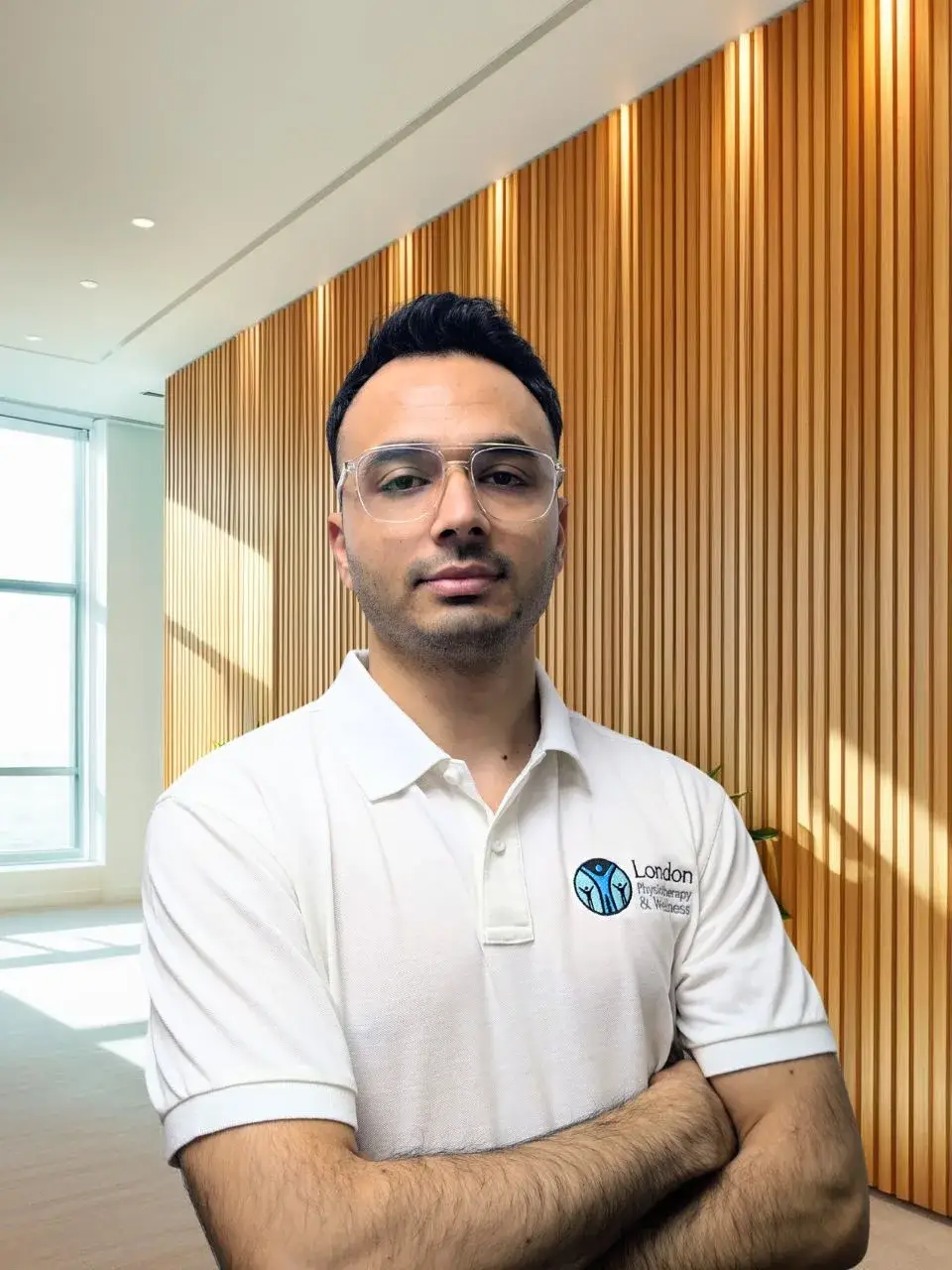
LPAW’s clinical team includes 19 practitioners, many holding postgraduate qualifications from UCL, King’s College London, and Guy’s and St Thomas’. Lead clinician Mr Arjun Viswanath MSc, MCSP, MPPA – Co-Founder and Consultant Physiotherapist – brings 25+ years of NHS and private experience including BMI London Independent Hospital and Harley Street.

Every clinician joining LPAW completes a mandatory intensive shadowing placement with our Consultant Physiotherapist before seeing patients independently. This is not a standard practice at most clinics – it’s our way of maintaining clinical consistency across the team.

What Our Patients Say

From the moment I walked into this clinic, I knew everything was going to be okay. After seeing many physios, Priyanka, the pelvic specialist, was the first one to properly diagnose my back injury and choose exercises that were actually right for my condition.

I HIGHLY recommend hydrotherapy. This clinic has truly been life-changing for me. When you live with constant pain, finding real relief is priceless.

Thank you for the care, professionalism, and for giving me hope again ❤️
Molly W. profile picture
Molly W.
1 month ago
We had 6 of their amazing physiotherapist support London’s Air Ambulance Charity’s post-race reception for the 2026 London Marathon. Their communication before and during the event was excellent and all our runners have commented on how much their post-race massage has helped them with their recovery. We hope to work with them again in the future
Percy C. profile picture
Percy C.
2 months ago
Extremely impressed by the service offered. I injured my knee a while ago and they have been amazing in helping me with me recovery. Uzair Ahmed is very knowledgable and I really trust him with my recovery journey. Would highly recommend!
Ziya H. profile picture
Ziya H.
2 months ago
Been coming here for over a year every six weeks. Very professional and friendly at the same time. Can highly recommend. Big shout out to Mohammed and great reception service.
Kevin P. profile picture
Kevin P.
2 months ago
Fantastic treatment available! Enquired at short notice and they had a superfast response, and the treatment was excellent. Thank you!!
James L. profile picture
James L.
2 months ago
The team were highly professional, pleasant and helpful throughout my process of physiotherapy. I highly recommend this therapy clinic!
Em H. profile picture
Em H.
2 months ago
Had a couple of excellent sessions with Priyanka Shah, with really useful exercises and advice. Highly recommend!
Nicola W. profile picture
Nicola W.
3 months ago
Helpful and knowledgeable. Thank you!
Richard T. profile picture
Richard T.
3 months ago
I suffer with lower back disc bulges pinching my muscles and severely limiting my mobility, stability, and indeed causing agonising pain at the worst of times. I received a kind, patient and conscientious home visit at first before being invited to hydrotherapy at the clinic. 2 sessions in and I'm loving it so much, I'm determined to get one of these pools for myself later on in life. Couldn't recommend them highly enough.
Chris C. profile picture
Chris C.
3 months ago
Miracle workers!! Great gym rehab facilities patience to really understand the problem. Would highly recommend for anyone with chronic neck or back pain who are prepared to do some work on themselves.
Arif H. profile picture
Arif H.
3 months ago
Have been attending sessions for Physiotherapy here twice a week for many weeks now. Everyone is very patient and understanding. My treatment is going exceptionally well so far and Im already seeing massive progress from before my first ever session.

Would definitely recommend this clinic for anyone who needs rehabilitation or treatment!
D.Iyalla 1 profile picture
D.Iyalla 1
4 months ago
I’ve been attending London Physiotherapy And Wellness Stratford for 3 weeks now and already there are improvements in the areas I had problems with.
The physiotherapist is very knowledgeable and passionate about how he can help to improve & build your strength.
To help you recover is his main focus.
Not only is the physiotherapists customer service is great the admin team is also.
I personally recommend.
Ollie S. profile picture
Ollie S.
4 months ago
I had to visit the clinic for a hip injury I received from running. I started physio with Anup back in November and started with hydrotherapy, moving into physio in the new year. I've had a great experience with Anup and now I'm well on the road to recovery, I've started running again and I know what strength workouts I should be doing to keep up my recovery. So glad I found Anup and the clinic and would recommend them to anyone who has an injury!
无颜Music profile picture
无颜Music
4 months ago
The location is really convenient for me. The physiotherapist was very knowledgeable. He helped me identified the root cause of my heel pain and provided me with a clear pathway to my recovery.
Will recommend them ????????
Ervis L. profile picture
Ervis L.
6 months ago
I was assisted by Priyanka while recovering from a torn quad, and I couldn’t have asked for a better physiotherapist. She was incredibly supportive during a moment of real vulnerability, and I always felt truly taken care of. Her focus during every session was exceptional she even kept counting my reps to make sure I stayed on track!

Priyanka is a wonderful asset to the team, and I feel very lucky to have had her during my recovery. Highly recommended.
andrea B. profile picture
andrea B.
8 months ago
Best Physio ever. I visited the clinic after I damaged the ACL ligament practicing judo. I was unable to walk, using crutches and couldn't bend the leg. I was initially told by the doctor to wait at least 6/7 months to be fully recovered and the physiotherapy was the only way to get better. Thanks to the skilled clinic and very professional physiotherapist, they managed to get me back on trainings after 3/4 months only having now a stronger knee than before. I was assisted my Mohammed N R and his job was beyond the expectations. They have specific equipment to practice a high variety of exercises and furthermore they are super friendly and easy reachable by email or phone for last minute doubts. I cannot thank more for the assistance received for a faster recovery they granted me. I fully recommend them.

Frequently Asked Questions

No. The needle insertion is similar to a blood test or acupuncture needle — a brief prick. During the 30-minute treatment, most patients feel a mild tingling or sensation in the foot. It is not painful. The overwhelming majority of patients tolerate PTNS sessions easily.

Most patients begin to notice a reduction in urgency episodes and night-time waking from around sessions 6–8. Some patients notice earlier; for others, the full benefit becomes apparent after completing the 12-session course. Improvement typically continues for some weeks after the course ends as the neuromodulatory effects mature.

PTNS is NICE-approved and included in NHS clinical guidelines. Availability on the NHS varies by region and is subject to individual CCG/ICB commissioning decisions. LPAW delivers PTNS privately. Check with your GP and your local NHS trust regarding NHS availability in your area.

No. Electrical stimulation devices including PTNS are contraindicated in patients with implanted cardiac devices (pacemakers, defibrillators). This is a standard contraindication that will be screened at your assessment.

Approximately 60–70% of patients who respond to the initial course maintain their improvement with monthly 30-minute maintenance sessions. A proportion maintain their response without further treatment. Your clinician will assess your response at the end of the initial course and advise on the most appropriate maintenance plan.

Yes. PTNS addresses a different mechanism from pelvic floor exercises. Pelvic floor rehabilitation strengthens the muscles that prevent leakage. PTNS modulates the nerve signals driving the overactive bladder contractions. The two treatments complement each other and work on different aspects of the problem.

What To Expect

The Initial Assessment

Your first appointment is an assessment session — not a treatment session. It includes:

  • A detailed history of your bladder symptoms, timing, frequency, and leakage episodes
  • Completion of a validated bladder symptom questionnaire
  • Review of relevant medical history, medications, and previous treatments
  • A bladder diary review (you may be sent one to complete before the appointment)
  • Screening for contraindications
  • Explanation of PTNS, the treatment protocol, and realistic expectations
  • Agreement on whether to proceed and scheduling of the 12-week course

Treatment begins at session 2. Bring a completed bladder diary if possible — this provides invaluable baseline data to track your progress.

A PTNS session is straightforward, brief, and well-tolerated by the vast majority of patients.

Duration: 30 minutes per session.

What happens:

  1. You are seated comfortably with your leg supported and the ankle exposed.
  2. A slim, single-use needle electrode is inserted near the ankle (posterior tibial nerve location) — approximately 3–4cm above the medial malleolus (inner ankle bone). The needle is very fine — similar to an acupuncture needle.
  3. A surface electrode pad is placed on the arch of the foot.
  4. The needle is connected to the UrgentPC device, which delivers a low-level electrical current.
  5. The clinician adjusts the amplitude until you feel a mild sensation — typically a slight tingling or toe movement. The sensation is mild and generally well-tolerated.
  6. The stimulation continues at the comfortable therapeutic level for 30 minutes.
  7. The needle is removed. No bandaging, wound care, or recovery time is needed.

After the session: You can dress and leave immediately. There is no recovery period. Most patients return to work and normal activities directly from the clinic.

What you feel: The most common sensation is a mild tingling in the sole of the foot or a slight toe twitch. Some patients feel nothing beyond a mild pressure at the insertion site. The treatment is not painful.

PTNS at LPAW is delivered as part of a comprehensive pelvic health service, not as an isolated procedure. Your treatment will be preceded by a full pelvic health assessment to confirm the diagnosis, exclude contraindications, and establish baseline symptom severity (using validated questionnaires such as the ICIQ-OAB).

For patients with mixed incontinence, the stress component will be addressed concurrently through pelvic floor physiotherapy and potentially biofeedback, while PTNS targets the urgency component. This integrated approach produces better outcomes than treating each component in isolation.

PTNS is available for both women and men — see our Men’s Health page for more detail on PTNS for male overactive bladder and urgency incontinence.

Pelvic Floor Physiotherapy

Pelvic floor rehabilitation is the first-line treatment for overactive bladder and should be completed before PTNS is considered. PTNS is the recommended next step when pelvic floor rehabilitation alone has not achieved sufficient improvement.

At LPAW, many PTNS patients have already completed a pelvic floor physiotherapy programme at LPAW or elsewhere. PTNS can be delivered concurrently with ongoing pelvic floor rehabilitation or as a standalone course.


Anticholinergic and Beta-3 Agonist Medications

Medications (tolterodine, solifenacin, oxybutynin, mirabegron) are effective for overactive bladder but are associated with significant side effects — dry mouth, constipation, blurred vision, cognitive effects, and in older patients, dementia risk with long-term anticholinergic use. Many patients discontinue medication due to side effects.

PTNS produces equivalent efficacy to pharmacological treatment (demonstrated in the SUmiT trial) without systemic side effects. For patients who are intolerant of medication or wish to avoid long-term pharmaceutical dependency, PTNS is an evidence-based alternative.


Botulinum Toxin (Botox) Bladder Injection

Intradetrusor botulinum toxin injection is a more invasive treatment involving cystoscopy and injection directly into the bladder muscle. It is effective but requires a urological procedure, and complications include urinary retention requiring catheterisation.

PTNS is less invasive, requires no cystoscopy, and carries no risk of urinary retention. It is the appropriate treatment to try before considering botulinum toxin.


Sacral Neuromodulation (InterStim)

Sacral neuromodulation involves surgical implantation of a device. PTNS is the non-surgical equivalent — targeting the same neural pathways via the tibial nerve rather than through an implant. PTNS should be offered before surgical neuromodulation is considered.

PTNS At LPAW

Your first appointment is an assessment session — not a treatment session. It includes:

  • A detailed history of your bladder symptoms, timing, frequency, and leakage episodes
  • Completion of a validated bladder symptom questionnaire
  • Review of relevant medical history, medications, and previous treatments
  • A bladder diary review (you may be sent one to complete before the appointment)
  • Screening for contraindications
  • Explanation of PTNS, the treatment protocol, and realistic expectations
  • Agreement on whether to proceed and scheduling of the 12-week course

Treatment begins at session 2. Bring a completed bladder diary if possible — this provides invaluable baseline data to track your progress.

A PTNS session is straightforward, brief, and well-tolerated by the vast majority of patients.

Duration: 30 minutes per session.

What happens:

  1. You are seated comfortably with your leg supported and the ankle exposed.
  2. A slim, single-use needle electrode is inserted near the ankle (posterior tibial nerve location) — approximately 3–4cm above the medial malleolus (inner ankle bone). The needle is very fine — similar to an acupuncture needle.
  3. A surface electrode pad is placed on the arch of the foot.
  4. The needle is connected to the UrgentPC device, which delivers a low-level electrical current.
  5. The clinician adjusts the amplitude until you feel a mild sensation — typically a slight tingling or toe movement. The sensation is mild and generally well-tolerated.
  6. The stimulation continues at the comfortable therapeutic level for 30 minutes.
  7. The needle is removed. No bandaging, wound care, or recovery time is needed.

After the session: You can dress and leave immediately. There is no recovery period. Most patients return to work and normal activities directly from the clinic.

What you feel: The most common sensation is a mild tingling in the sole of the foot or a slight toe twitch. Some patients feel nothing beyond a mild pressure at the insertion site. The treatment is not painful.

PTNS at LPAW is delivered as part of a comprehensive pelvic health service, not as an isolated procedure. Your treatment will be preceded by a full pelvic health assessment to confirm the diagnosis, exclude contraindications, and establish baseline symptom severity (using validated questionnaires such as the ICIQ-OAB).

For patients with mixed incontinence, the stress component will be addressed concurrently through pelvic floor physiotherapy and potentially biofeedback, while PTNS targets the urgency component. This integrated approach produces better outcomes than treating each component in isolation.

PTNS is available for both women and men — see our Men’s Health page for more detail on PTNS for male overactive bladder and urgency incontinence.

Pelvic Floor Physiotherapy

Pelvic floor rehabilitation is the first-line treatment for overactive bladder and should be completed before PTNS is considered. PTNS is the recommended next step when pelvic floor rehabilitation alone has not achieved sufficient improvement.

At LPAW, many PTNS patients have already completed a pelvic floor physiotherapy programme at LPAW or elsewhere. PTNS can be delivered concurrently with ongoing pelvic floor rehabilitation or as a standalone course.


Anticholinergic and Beta-3 Agonist Medications

Medications (tolterodine, solifenacin, oxybutynin, mirabegron) are effective for overactive bladder but are associated with significant side effects — dry mouth, constipation, blurred vision, cognitive effects, and in older patients, dementia risk with long-term anticholinergic use. Many patients discontinue medication due to side effects.

PTNS produces equivalent efficacy to pharmacological treatment (demonstrated in the SUmiT trial) without systemic side effects. For patients who are intolerant of medication or wish to avoid long-term pharmaceutical dependency, PTNS is an evidence-based alternative.


Botulinum Toxin (Botox) Bladder Injection

Intradetrusor botulinum toxin injection is a more invasive treatment involving cystoscopy and injection directly into the bladder muscle. It is effective but requires a urological procedure, and complications include urinary retention requiring catheterisation.

PTNS is less invasive, requires no cystoscopy, and carries no risk of urinary retention. It is the appropriate treatment to try before considering botulinum toxin.


Sacral Neuromodulation (InterStim)

Sacral neuromodulation involves surgical implantation of a device. PTNS is the non-surgical equivalent — targeting the same neural pathways via the tibial nerve rather than through an implant. PTNS should be offered before surgical neuromodulation is considered.

Ready to bounce back better?