Babies & Children

Paediatric Physiotherapy for Every Stage

Start Your Recovery

Watching your child struggle to reach a milestone — to roll, sit, walk, or keep up with their peers — is one of the most unsettling experiences a parent can face. You may have been told to “wait and see.” You may have been given exercises at a hospital appointment with very little follow-up. You may simply feel that something isn’t right, and you want answers.

At LPAW, our specialist paediatric team offers skilled, compassionate assessment and physiotherapy for babies and children from birth through to teenage years. We don’t dismiss parental concern. We take it as the starting point.

Physiotherapy Hydrotherapy Shockwave Sports Therapy Women's Health Dry Needling Osteopathy Pilates by Physios Babies & Children Men's Health Massage Running Assessments PTNS Post-Op Biofeedback Soft Tissue Therapy Manual Therapy Pre-Op Trigger Point Release Med-X Strengthening Physiotherapy Hydrotherapy Shockwave Sports Therapy Women's Health Dry Needling Osteopathy Pilates by Physios Babies & Children Men's Health Massage Running Assessments PTNS Post-Op Biofeedback Soft Tissue Therapy Manual Therapy Pre-Op Trigger Point Release Med-X Strengthening
Our Paediatric Specialists
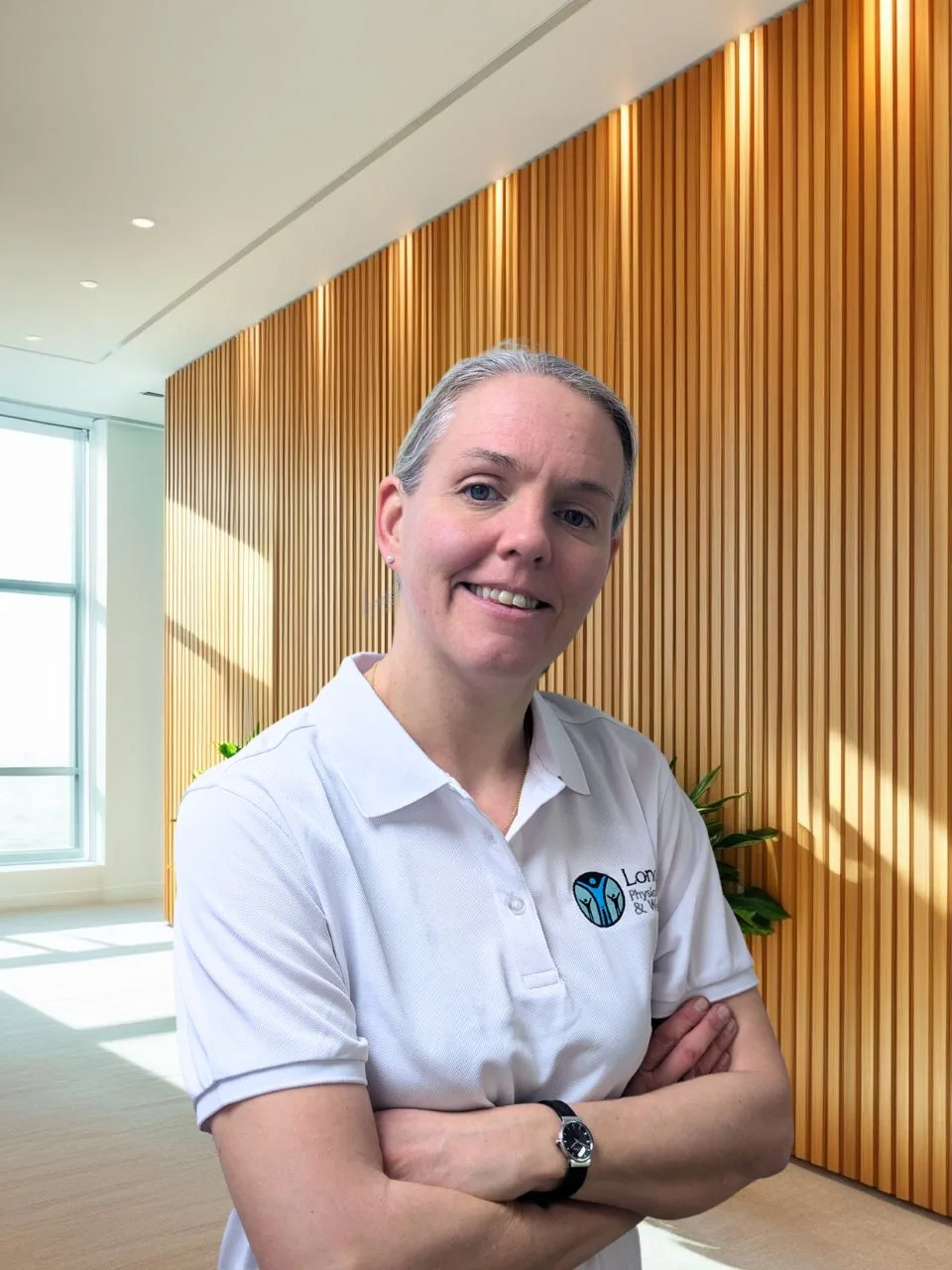
Paediatric physiotherapy at LPAW is led by Katy Edebol BSc (King’s College London).
 
Katy has 17+ years of post-graduate experience, including a Band 7 position at Great Ormond Street Hospital in the Pain & Rheumatology department, one of the most specialised paediatric settings in the UK. She trained at Guy’s and St Thomas’ and holds a BSc from King’s College London. Her clinical scope spans paediatric MSK, rheumatological conditions, and complex pain presentations in children.
 
This level of paediatric expertise is rare in a private clinic setting. These are not generalists offering a limited paediatric service, they are specialists.

Babies (0–12 months)

Torticollis (wry neck) Torticollis is tightness in the sternocleidomastoid muscle (the muscle running down the side of the neck), which causes the baby’s head to tilt to one side and rotate to the other. It is often noticed in the first weeks of life, sometimes linked to positioning in the womb or forceps/ventouse delivery. Early physiotherapy is highly effective — the sooner it is treated, the better the outcome.

Plagiocephaly (flat head syndrome) Positional plagiocephaly — flattening of one side of the skull — is increasingly common and is linked to the (correctly recommended) “back to sleep” positioning. Physiotherapy addresses any underlying torticollis and provides specific repositioning and tummy time programmes. We do not rush parents straight to helmet therapy — most mild-to-moderate cases respond well to physiotherapy and repositioning alone.

Developmental delay in early milestones Rolling, sitting unsupported, standing — if your baby appears to be behind their peers in achieving these milestones, a developmental assessment by one of our paediatric physiotherapists can clarify whether intervention is needed, and start it promptly if so.

Hypotonia (low muscle tone) Floppy tone in infants can have a range of causes. LPAW’s paediatric team can assess, provide targeted therapeutic input, and coordinate with the wider medical team if investigation is needed.

Toddlers and Young Children (1–5 years)

Gross motor delay Children who are late walkers, clumsy, or struggle with running, jumping, and climbing may have a delay in gross motor skill development. This may be isolated or part of a broader developmental picture (such as DCD or autism spectrum conditions). Early physiotherapy can make a significant difference to trajectory.

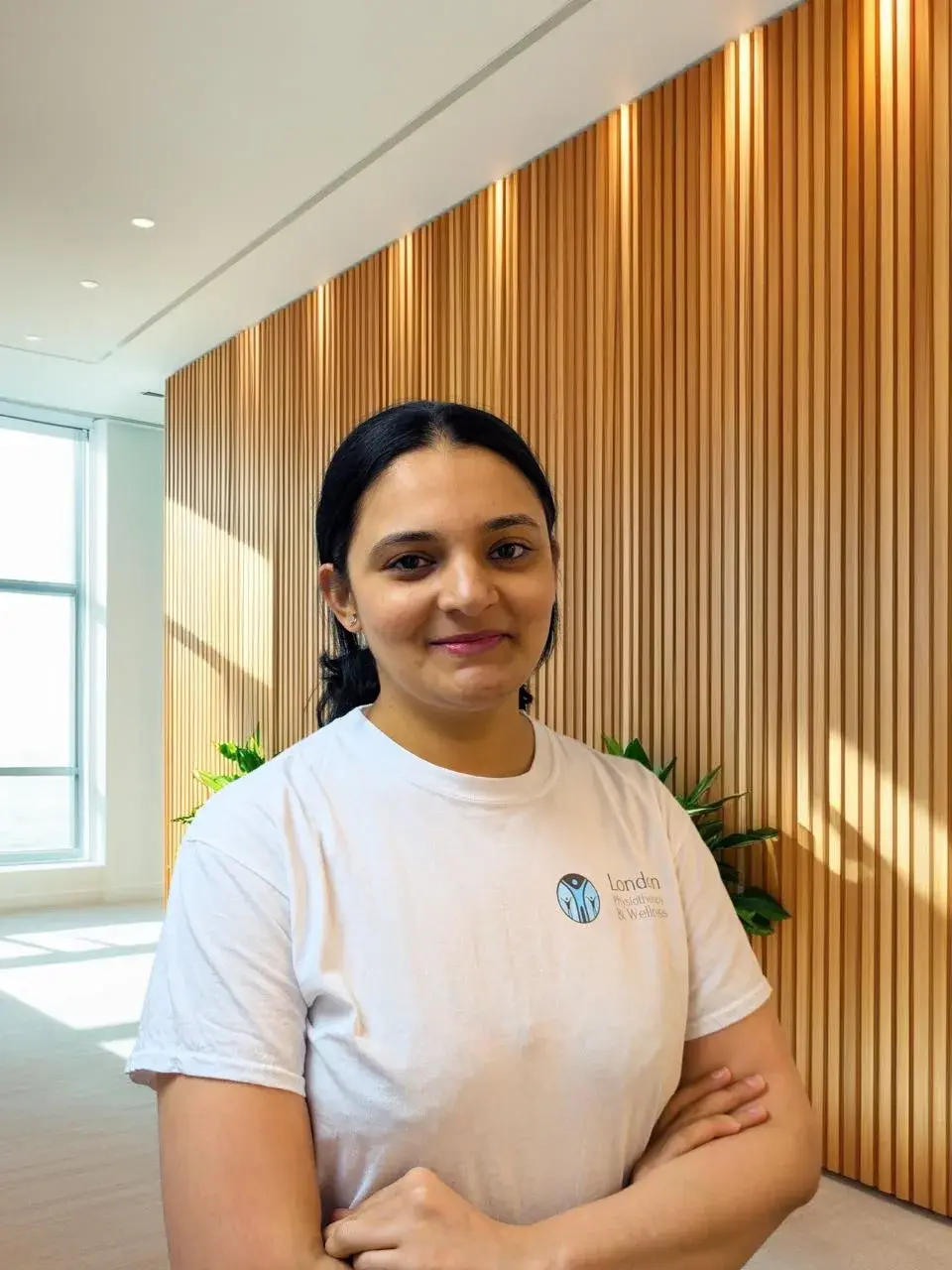
Developmental Coordination Disorder (DCD / Dyspraxia) DCD affects a child’s ability to plan and carry out coordinated movements. It is often under-recognised and under-treated. Meghna Nebhwani has particular expertise in DCD assessment and rehabilitation.

Hypermobility Joint hypermobility is common in children and is usually benign. However, for children experiencing joint pain, fatigue, recurrent sprains, or coordination difficulties linked to hypermobility, physiotherapy can address strength deficits and movement control to reduce symptoms significantly.

Toe walking Persistent toe walking beyond the age of 2–3 warrants assessment. Physiotherapy, stretching programmes, and — in conjunction with orthotics where appropriate — can address the underlying muscle tightness.

Older Children and Teenagers (6–18 years)

Growing pains and Osgood-Schlatter disease Pain at the tibial tuberosity (below the kneecap) during growth spurts — Osgood-Schlatter — is one of the most common presentations in active teenagers. Physiotherapy, load management, and strengthening are the cornerstone of treatment.

Sever’s disease Heel pain at the Achilles insertion during growth spurts in active children. Highly responsive to physiotherapy and load management.

Sports injuries in young athletes Kneeankle, and shoulder injuries in young athletes require an approach that accounts for open growth plates, sport-specific demands, and return-to-sport planning.

Cerebral palsy Meghna Nebhwani’s specialist experience in cerebral palsy rehabilitation means LPAW can offer meaningful therapeutic input for children with CP, including gait analysis, spasticity management, and functional movement goals.

Juvenile idiopathic arthritis (JIA) Katy Edebol’s experience in paediatric rheumatology at GOSH makes LPAW particularly well-placed to manage the physiotherapy needs of children with JIA — coordinating with their rheumatologist and addressing joint mobility, strength, and quality of life.

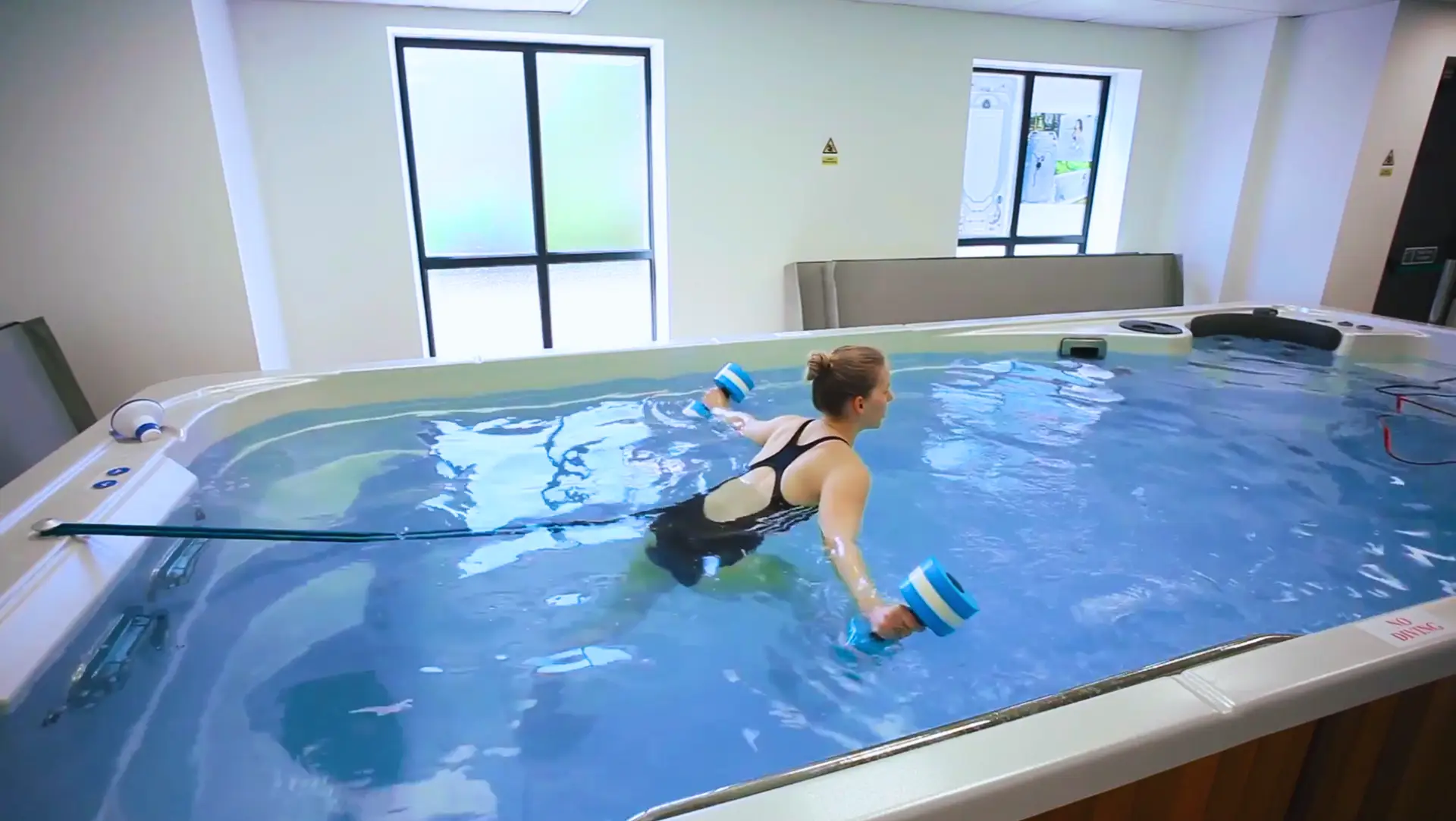
LPAW’s hydrotherapy pool — heated to 36°C — is one of the most valuable tools available for paediatric physiotherapy. In the warm, buoyant water, children who find land-based exercise difficult or painful can move with greater freedom and confidence.

Paediatric hydrotherapy is used for:

  • Cerebral palsy — improved range of motion, relaxation of spasticity, gait training in a supported environment
  • Developmental delay — motivating, multisensory environment for gross motor skill practice
  • Post-surgical rehabilitation (e.g., orthopaedic surgery, hip dysplasia corrections)
  • Hypotonia and low muscle tone
  • Juvenile idiopathic arthritis — warm water reduces joint pain and allows active exercise

Sessions are conducted by our paediatric physiotherapists with appropriate water confidence, safety, and therapeutic objectives for the individual child. Children do not need to be confident swimmers — our therapists are trained in water safety and paediatric aquatic therapy.

Duration: 45–60 minutes

What to bring: Any letters from paediatricians, neurologists, or other specialists, plus any relevant investigations or school reports if applicable. Comfortable clothes for your child that allow movement. A favourite toy or comfort object can help younger children feel at ease.

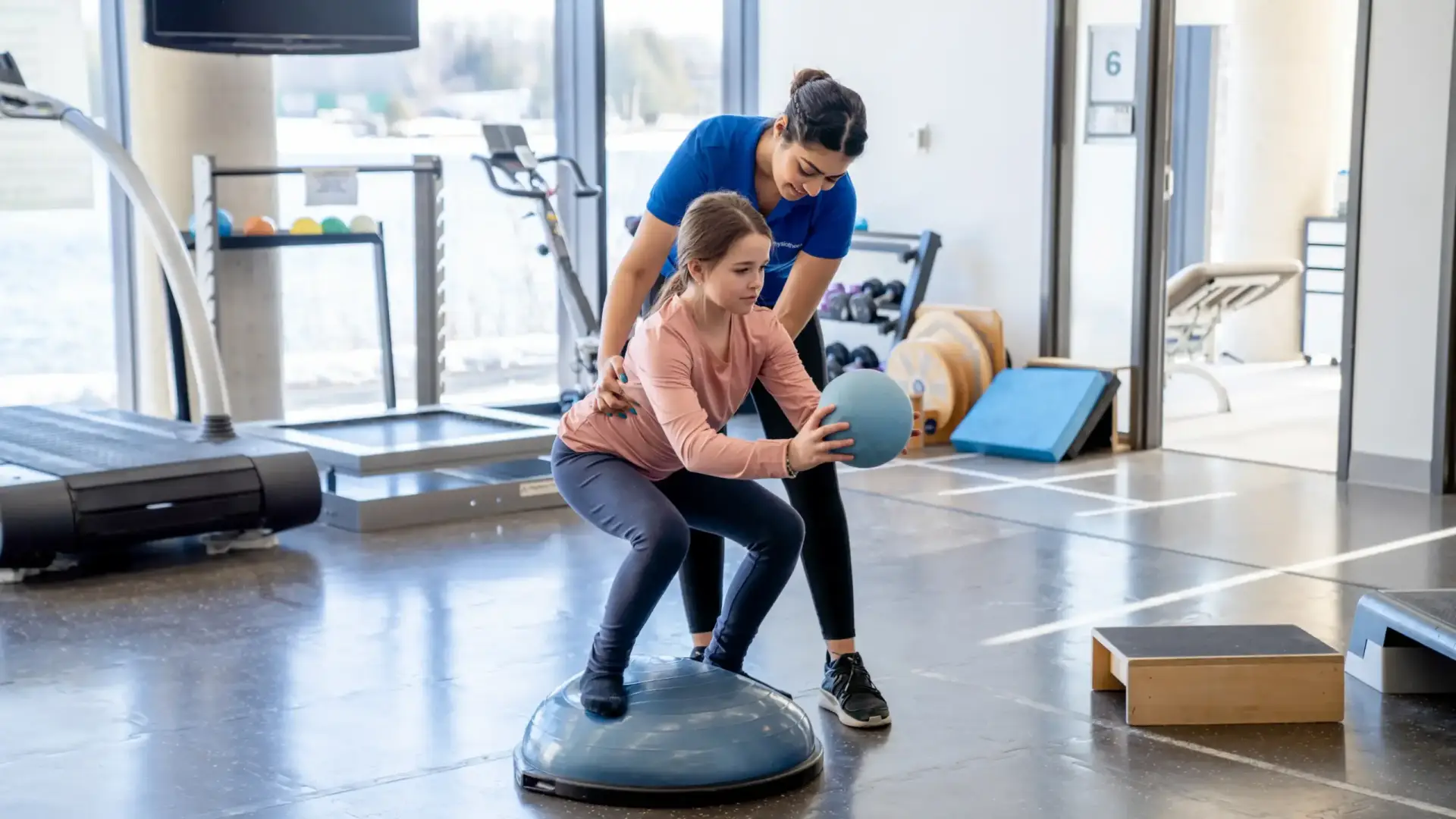
What happens: Your physiotherapist will spend time talking with you about your concerns, your child’s developmental history, and what you’ve noticed at home. They will then observe your child’s movement — through play-based activities for younger children, and through more structured assessment for older children. Parents are present throughout.

You will leave with a clear explanation of what has been found, what it means, and a plan for moving forward.

Paediatric physiotherapy at LPAW is led by Katy Edebol BSc (King’s College London).
 
Katy has 17+ years of post-graduate experience, including a Band 7 position at Great Ormond Street Hospital in the Pain & Rheumatology department, one of the most specialised paediatric settings in the UK. She trained at Guy’s and St Thomas’ and holds a BSc from King’s College London. Her clinical scope spans paediatric MSK, rheumatological conditions, and complex pain presentations in children.
 
This level of paediatric expertise is rare in a private clinic setting. These are not generalists offering a limited paediatric service, they are specialists.

Babies (0–12 months)

Torticollis (wry neck) Torticollis is tightness in the sternocleidomastoid muscle (the muscle running down the side of the neck), which causes the baby’s head to tilt to one side and rotate to the other. It is often noticed in the first weeks of life, sometimes linked to positioning in the womb or forceps/ventouse delivery. Early physiotherapy is highly effective — the sooner it is treated, the better the outcome.

Plagiocephaly (flat head syndrome) Positional plagiocephaly — flattening of one side of the skull — is increasingly common and is linked to the (correctly recommended) “back to sleep” positioning. Physiotherapy addresses any underlying torticollis and provides specific repositioning and tummy time programmes. We do not rush parents straight to helmet therapy — most mild-to-moderate cases respond well to physiotherapy and repositioning alone.

Developmental delay in early milestones Rolling, sitting unsupported, standing — if your baby appears to be behind their peers in achieving these milestones, a developmental assessment by one of our paediatric physiotherapists can clarify whether intervention is needed, and start it promptly if so.

Hypotonia (low muscle tone) Floppy tone in infants can have a range of causes. LPAW’s paediatric team can assess, provide targeted therapeutic input, and coordinate with the wider medical team if investigation is needed.

Toddlers and Young Children (1–5 years)

Gross motor delay Children who are late walkers, clumsy, or struggle with running, jumping, and climbing may have a delay in gross motor skill development. This may be isolated or part of a broader developmental picture (such as DCD or autism spectrum conditions). Early physiotherapy can make a significant difference to trajectory.

Developmental Coordination Disorder (DCD / Dyspraxia) DCD affects a child’s ability to plan and carry out coordinated movements. It is often under-recognised and under-treated. Meghna Nebhwani has particular expertise in DCD assessment and rehabilitation.

Hypermobility Joint hypermobility is common in children and is usually benign. However, for children experiencing joint pain, fatigue, recurrent sprains, or coordination difficulties linked to hypermobility, physiotherapy can address strength deficits and movement control to reduce symptoms significantly.

Toe walking Persistent toe walking beyond the age of 2–3 warrants assessment. Physiotherapy, stretching programmes, and — in conjunction with orthotics where appropriate — can address the underlying muscle tightness.

Older Children and Teenagers (6–18 years)

Growing pains and Osgood-Schlatter disease Pain at the tibial tuberosity (below the kneecap) during growth spurts — Osgood-Schlatter — is one of the most common presentations in active teenagers. Physiotherapy, load management, and strengthening are the cornerstone of treatment.

Sever’s disease Heel pain at the Achilles insertion during growth spurts in active children. Highly responsive to physiotherapy and load management.

Sports injuries in young athletes Kneeankle, and shoulder injuries in young athletes require an approach that accounts for open growth plates, sport-specific demands, and return-to-sport planning.

Cerebral palsy Meghna Nebhwani’s specialist experience in cerebral palsy rehabilitation means LPAW can offer meaningful therapeutic input for children with CP, including gait analysis, spasticity management, and functional movement goals.

Juvenile idiopathic arthritis (JIA) Katy Edebol’s experience in paediatric rheumatology at GOSH makes LPAW particularly well-placed to manage the physiotherapy needs of children with JIA — coordinating with their rheumatologist and addressing joint mobility, strength, and quality of life.

LPAW’s hydrotherapy pool — heated to 36°C — is one of the most valuable tools available for paediatric physiotherapy. In the warm, buoyant water, children who find land-based exercise difficult or painful can move with greater freedom and confidence.

Paediatric hydrotherapy is used for:

  • Cerebral palsy — improved range of motion, relaxation of spasticity, gait training in a supported environment
  • Developmental delay — motivating, multisensory environment for gross motor skill practice
  • Post-surgical rehabilitation (e.g., orthopaedic surgery, hip dysplasia corrections)
  • Hypotonia and low muscle tone
  • Juvenile idiopathic arthritis — warm water reduces joint pain and allows active exercise

Sessions are conducted by our paediatric physiotherapists with appropriate water confidence, safety, and therapeutic objectives for the individual child. Children do not need to be confident swimmers — our therapists are trained in water safety and paediatric aquatic therapy.

Duration: 45–60 minutes

What to bring: Any letters from paediatricians, neurologists, or other specialists, plus any relevant investigations or school reports if applicable. Comfortable clothes for your child that allow movement. A favourite toy or comfort object can help younger children feel at ease.

What happens: Your physiotherapist will spend time talking with you about your concerns, your child’s developmental history, and what you’ve noticed at home. They will then observe your child’s movement — through play-based activities for younger children, and through more structured assessment for older children. Parents are present throughout.

You will leave with a clear explanation of what has been found, what it means, and a plan for moving forward.

Meet our team of experts

LPAW’s clinical team includes 19 practitioners, many holding postgraduate qualifications from UCL, King’s College London, and Guy’s and St Thomas’. Lead clinician Mr Arjun Viswanath MSc, MCSP, MPPA – Co-Founder and Consultant Physiotherapist – brings 25+ years of NHS and private experience including BMI London Independent Hospital and Harley Street.

Every clinician joining LPAW completes a mandatory intensive shadowing placement with our Consultant Physiotherapist before seeing patients independently. This is not a standard practice at most clinics – it’s our way of maintaining clinical consistency across the team.

What Our Patients Say

From the moment I walked into this clinic, I knew everything was going to be okay. After seeing many physios, Priyanka, the pelvic specialist, was the first one to properly diagnose my back injury and choose exercises that were actually right for my condition.

I HIGHLY recommend hydrotherapy. This clinic has truly been life-changing for me. When you live with constant pain, finding real relief is priceless.

Thank you for the care, professionalism, and for giving me hope again ❤️
Molly W. profile picture
Molly W.
1 month ago
We had 6 of their amazing physiotherapist support London’s Air Ambulance Charity’s post-race reception for the 2026 London Marathon. Their communication before and during the event was excellent and all our runners have commented on how much their post-race massage has helped them with their recovery. We hope to work with them again in the future
Percy C. profile picture
Percy C.
2 months ago
Extremely impressed by the service offered. I injured my knee a while ago and they have been amazing in helping me with me recovery. Uzair Ahmed is very knowledgable and I really trust him with my recovery journey. Would highly recommend!
Ziya H. profile picture
Ziya H.
2 months ago
Been coming here for over a year every six weeks. Very professional and friendly at the same time. Can highly recommend. Big shout out to Mohammed and great reception service.
Kevin P. profile picture
Kevin P.
2 months ago
Fantastic treatment available! Enquired at short notice and they had a superfast response, and the treatment was excellent. Thank you!!
James L. profile picture
James L.
2 months ago
The team were highly professional, pleasant and helpful throughout my process of physiotherapy. I highly recommend this therapy clinic!
Em H. profile picture
Em H.
2 months ago
Had a couple of excellent sessions with Priyanka Shah, with really useful exercises and advice. Highly recommend!
Nicola W. profile picture
Nicola W.
3 months ago
Helpful and knowledgeable. Thank you!
Richard T. profile picture
Richard T.
3 months ago
I suffer with lower back disc bulges pinching my muscles and severely limiting my mobility, stability, and indeed causing agonising pain at the worst of times. I received a kind, patient and conscientious home visit at first before being invited to hydrotherapy at the clinic. 2 sessions in and I'm loving it so much, I'm determined to get one of these pools for myself later on in life. Couldn't recommend them highly enough.

Chris C. profile picture
Chris C.
3 months ago
Miracle workers!! Great gym rehab facilities patience to really understand the problem. Would highly recommend for anyone with chronic neck or back pain who are prepared to do some work on themselves.
Arif H. profile picture
Arif H.
3 months ago
Have been attending sessions for Physiotherapy here twice a week for many weeks now. Everyone is very patient and understanding. My treatment is going exceptionally well so far and Im already seeing massive progress from before my first ever session.

Would definitely recommend this clinic for anyone who needs rehabilitation or treatment!
D.Iyalla 1 profile picture
D.Iyalla 1
4 months ago
I’ve been attending London Physiotherapy And Wellness Stratford for 3 weeks now and already there are improvements in the areas I had problems with.
The physiotherapist is very knowledgeable and passionate about how he can help to improve & build your strength.
To help you recover is his main focus.
Not only is the physiotherapists customer service is great the admin team is also.
I personally recommend.
Ollie S. profile picture
Ollie S.
4 months ago
I had to visit the clinic for a hip injury I received from running. I started physio with Anup back in November and started with hydrotherapy, moving into physio in the new year. I've had a great experience with Anup and now I'm well on the road to recovery, I've started running again and I know what strength workouts I should be doing to keep up my recovery. So glad I found Anup and the clinic and would recommend them to anyone who has an injury!
无颜Music profile picture
无颜Music
4 months ago
The location is really convenient for me. The physiotherapist was very knowledgeable. He helped me identified the root cause of my heel pain and provided me with a clear pathway to my recovery.


Will recommend them ????????
Ervis L. profile picture
Ervis L.
6 months ago
I was assisted by Priyanka while recovering from a torn quad, and I couldn’t have asked for a better physiotherapist. She was incredibly supportive during a moment of real vulnerability, and I always felt truly taken care of. Her focus during every session was exceptional she even kept counting my reps to make sure I stayed on track!

Priyanka is a wonderful asset to the team, and I feel very lucky to have had her during my recovery. Highly recommended.
andrea B. profile picture
andrea B.
8 months ago
Best Physio ever. I visited the clinic after I damaged the ACL ligament practicing judo. I was unable to walk, using crutches and couldn't bend the leg. I was initially told by the doctor to wait at least 6/7 months to be fully recovered and the physiotherapy was the only way to get better. Thanks to the skilled clinic and very professional physiotherapist, they managed to get me back on trainings after 3/4 months only having now a stronger knee than before. I was assisted my Mohammed N R and his job was beyond the expectations. They have specific equipment to practice a high variety of exercises and furthermore they are super friendly and easy reachable by email or phone for last minute doubts. I cannot thank more for the assistance received for a faster recovery they granted me. I fully recommend them.

Frequently Asked Questions

Yes, if your parental concern is telling you something is wrong, you can self-refer to LPAW without a GP referral. Early intervention in most paediatric developmental conditions leads to significantly better outcomes than delayed treatment. Our paediatric physiotherapists can give you a clinical view quickly, and if reassurance is genuinely the right answer, we will give you that clearly.
Not necessarily. Many cases of positional plagiocephaly resolve well with physiotherapy and repositioning strategies, particularly when addressed early (before 6 months). Helmets are most effective between 5–12 months of age and are not always necessary. We will assess the severity and give you an honest recommendation rather than default to the more expensive option.
Formal DCD diagnosis involves assessment across multiple domains (movement, everyday skills, impact on daily life, and ruling out other causes). Our physiotherapists can assess the movement component and provide a clinical opinion. For a full formal diagnosis, we can help facilitate referral to a multidisciplinary team. Regardless of formal diagnosis, if your child is struggling with coordination and movement, physiotherapy can help.
The pool is used for paediatric hydrotherapy from early infancy with appropriate clinical supervision. Sessions are conducted by trained physiotherapists who assess each child individually for suitability. Contraindications (such as open wounds or uncontrolled epilepsy) are screened at the initial assessment.
Yes. For all paediatric sessions, parents or guardians are present throughout. For hydrotherapy sessions, a parent or carer may also be in the pool with younger children.
Yes. We treat sports injuries in young athletes regularly. It is important that teenage sports injuries are assessed by a physiotherapist who understands growth plate considerations and can provide appropriate return-to-sport guidance not generic adult protocols. See also our [Sports Therapy](/services/sports-therapy/) and [Running Assessments](/services/running-assessments/) pages
LPAW is primarily a private clinic, though we accept referrals from NHS clinicians, schools, and SEN teams. We are also partnered with Queen Mary University of London and other educational institutions. Contact us to discuss your specific situation.

Our Approach

Our Approach With Families

We understand that bringing a child to a physiotherapy appointment is a different experience from an adult attending for themselves. We go at the child’s pace. Initial assessments involve a lot of play and observation — we do not expect cooperation that a child isn’t ready to give. Parents are present throughout and are a crucial part of every child’s treatment programme.

We provide clear home programmes with exercises adapted for the child’s age and engagement. We communicate with parents in plain language, not clinical jargon. And we give honest, realistic expectations — not false reassurance and not unnecessary alarm.

If we feel a child needs investigation or specialist input beyond what we can provide, we will say so clearly and help facilitate the appropriate referral.

If your child needs investigation or specialist input beyond physiotherapy, such as paediatric neurology, orthopaedics, or rheumatology, we will say so clearly and help facilitate the appropriate referral. We work alongside NHS clinicians, schools, and SEN teams. Contact us to discuss your specific situation.

Our Approach

We understand that bringing a child to a physiotherapy appointment is a different experience from an adult attending for themselves. We go at the child’s pace. Initial assessments involve a lot of play and observation — we do not expect cooperation that a child isn’t ready to give. Parents are present throughout and are a crucial part of every child’s treatment programme.

We provide clear home programmes with exercises adapted for the child’s age and engagement. We communicate with parents in plain language, not clinical jargon. And we give honest, realistic expectations — not false reassurance and not unnecessary alarm.

If we feel a child needs investigation or specialist input beyond what we can provide, we will say so clearly and help facilitate the appropriate referral.

If your child needs investigation or specialist input beyond physiotherapy, such as paediatric neurology, orthopaedics, or rheumatology we will say so clearly and help facilitate the appropriate referral. We work alongside NHS clinicians, schools, and SEN teams. Contact us to discuss your specific situation.

Ready to bounce back better?